
Industry News
Content
A 35-liter box of clumping clay litter weighs close to 30 kg, and anyone who has carried one up three flights of stairs remembers it. That number explains most of the appeal of lightweight cat litter: the same working volume in a bag that weighs roughly half as much, which changes how you lift it, store it, and pay to ship it. The short answer, for shoppers and professional buyers alike, is that lightweight litter deserves a shortlist whenever carrying, storage, or freight weight is the real pain point — but the decision should rest on bulk density, dust, and clumping behavior rather than the word "lightweight" printed on the bag. Lightweight is not one material. It is an outcome manufacturers reach through three routes: lightened clay blends, plant-based granules such as tofu and cassava, and silica gel crystals. Each route trades weight away for a different set of quirks.
The property behind the claim is bulk density: how many kilograms one liter of litter weighs. Standard clumping bentonite typically runs 0.8–1.1 kg per liter, while lightweight formulations target roughly 0.4–0.6 kg per liter — the basis of the "50% lighter" claims that dominate the category. The math holds up in practice. A 10 kg bag of a 0.5 kg/L granule fills about 20 liters of pan volume, where the same bag weight of dense clay covers half of that.
The distinction matters because a litter box consumes volume, not weight. You still fill the pan to the same working depth — most clumping litters perform best at 5–7 cm — so the liters you need stay constant. That is why cost per liter of working volume, not price per bag or per kilogram, is the honest basis for comparison: a lightweight option often looks expensive by the kilo and perfectly reasonable by the liter, because each kilogram does twice the volumetric work.
Low-density litters are not interchangeable, because they achieve their weight reduction in different ways. The route a formula takes predicts most of what you will experience in the pan.
Lightweight clay formulas mix bentonite with porous minerals such as perlite and diatomaceous earth, which carry a large share of internal air. The result keeps the sandy texture and firm clumping that clay users expect, at roughly half the weight. The watch points are dust and tracking: lighter granules travel farther when kicked, and any fine particles left in the blend become visible the moment you pour. A well-controlled blend should still meet a 99% dust-free standard, so it is fair to ask which test method stands behind that number.
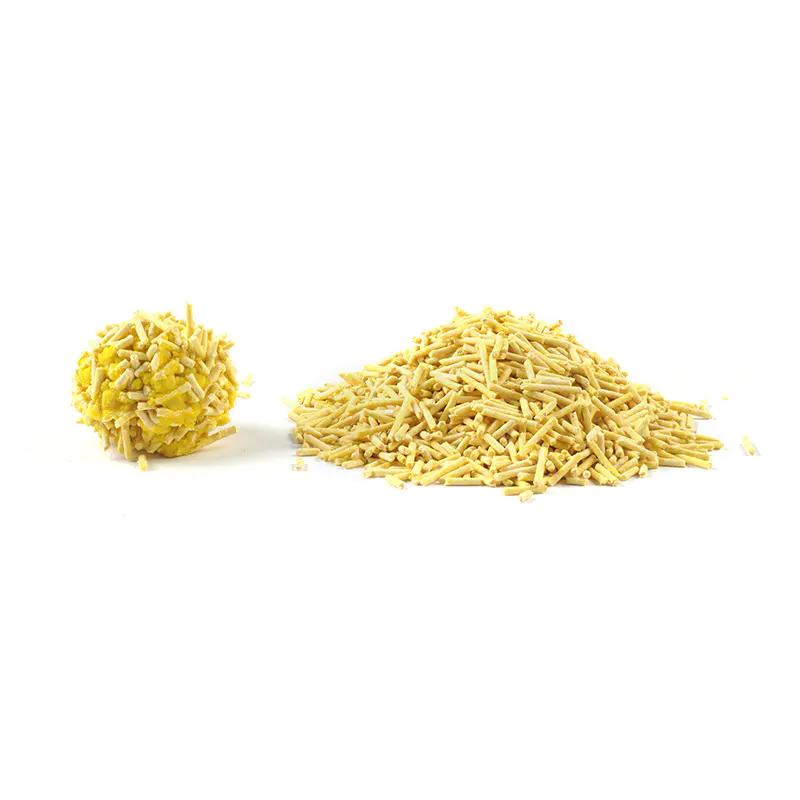
Tofu litter is extruded from soybean fiber into small cylindrical granules, typically 2.0–3.0 mm in diameter, and cassava litter processes cassava starch in a similar way. Both are naturally low in density, clump by swelling on contact with moisture, and biodegrade after disposal. Where local plumbing and septic rules allow, most plant-based granules can also be flushed in small quantities — a disposal route clay can never offer. For a detailed head-to-head, here is how plant-fiber litter compares with clay on clumping, dust, and disposal.
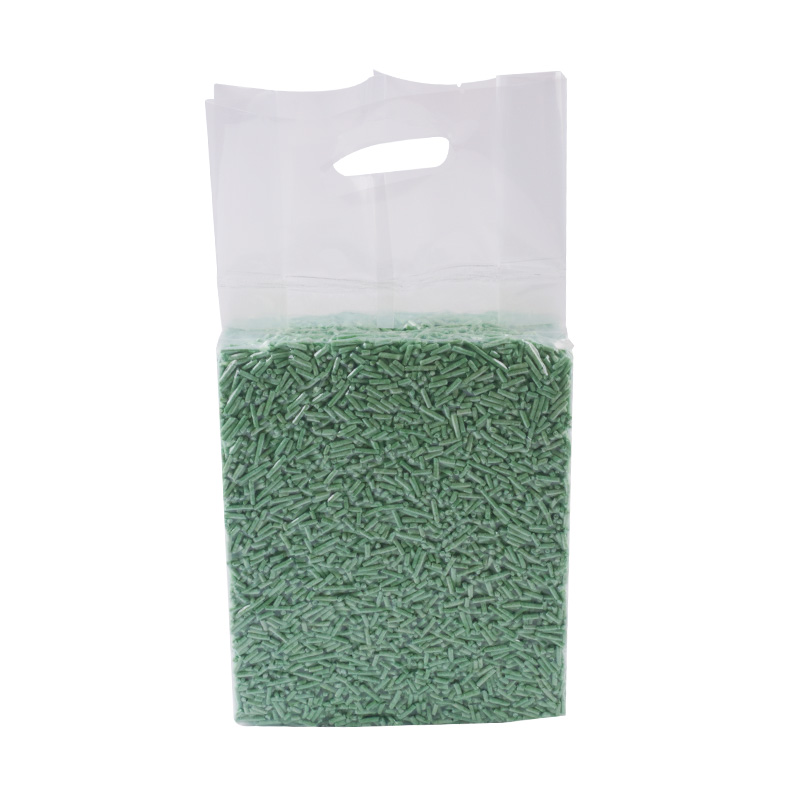 Sincere Green Tea Tofu Cat Litter, 2.5kg FlushableThis soybean-fiber litter clumps by swelling, biodegrades, and can be flushed in small quantities where plumbing rules allow. The green tea variant adds natural odor control, making it a practical example of plant-based litter discussed here.View Product →
Crystal litter consists of porous silica gel beads that are largely air by volume, making it one of the lightest materials per liter in the entire category. It does not clump. The beads absorb moisture and release it back as vapor over time, so liquid is handled continuously and solids are removed on sight, with a full change every few weeks. Fine-sand variants exist specifically for cats with tender paws.
No lightweight format wins on every axis. Weight is the headline benefit, but clumping strength, dust, tracking, and disposal differ enough that the best choice depends on the household — or on the product line you are building. The table below condenses the factors that usually settle the decision.
| Attribute | Clumping clay | Lightened mineral blend | Plant-based (tofu/cassava) | Silica crystal |
|---|---|---|---|---|
| Bulk weight per liter | Heaviest (0.8–1.1 kg) | About half of clay | Light | Among the lightest |
| Clumping | Hard, heavy clumps | Firm clumps | Swells into scoopable clumps | None; absorbs moisture |
| Dust when poured | Highest | Low if fines are controlled | Very low | Very low |
| Tracking | Moderate | Moderate to high | Low with 2.5–3.0 mm granules | Low, but beads scatter on hard floors |
| Disposal | Landfill | Landfill | Biodegradable; often flushable in small amounts | Landfill; weeks between full changes |
| Best fit | Multi-cat odor load | Clay loyalists who dislike the lifting | Flushing and eco-focused households | Low-traffic boxes and tender paws |
Two comparison traps are worth naming. First, price per kilogram punishes lightweight litter unfairly — convert to cost per liter of pan volume before deciding. Second, consumption rates are not comparable across materials: clumping litters are scooped daily and topped up, while crystal litter is changed wholesale every few weeks, so a small, light bag can still outlast a heavy one in the pan.
If the lowest weight per liter is the priority and a non-clumping routine fits the household, the fine-sand crystal format is the natural starting point.
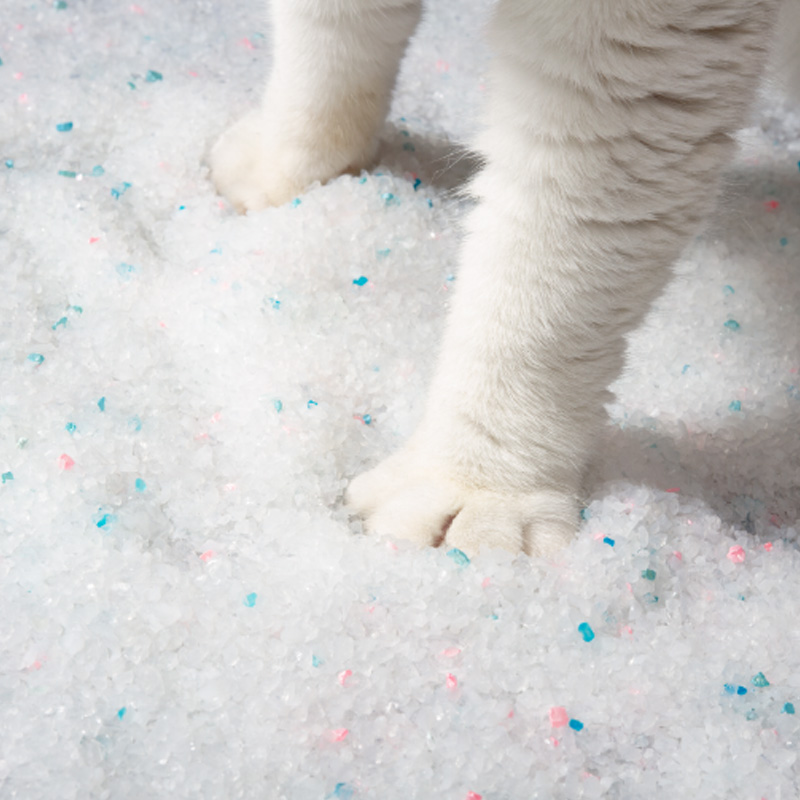 Lightweight Fine Sand Crystal Cat Litter for Tender PawsPorous silica gel beads make crystal litter exceptionally light per liter, and this fine-sand format adds a soft texture suited to cats with tender paws. It suits households comfortable with a non-clumping, spot-scoop routine.View Product →
Weight pays off in specific, recurring situations rather than everywhere at once:
Flushing households gain a further advantage from plant-based granules, which break down in water and can be discarded in small amounts with each scoop, subject to local plumbing guidance. Cassava granules are particularly quick to clump and disperse, which is why they anchor many eco-focused product lines.
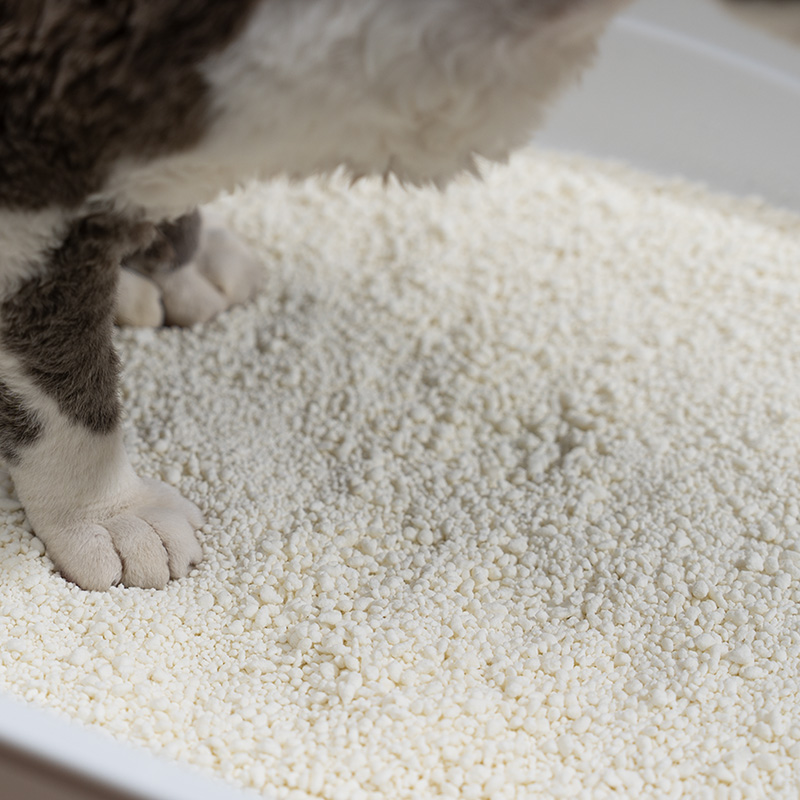 Sincere Cassava Cat LitterMade from cassava starch, this plant-based litter clumps quickly and disperses in water, so used granules can be discarded in small flushable amounts where local rules permit. Its fast-clumping granules anchor eco-focused litter lines.View Product →
Switching is the step most buyers underestimate. Cats accept new litter on texture first, so blend the old and new material and raise the share of the new litter over seven to ten days. Hold the final depth at 5–7 cm, and choose 2.5–3.0 mm granules if scattered litter around the box has been a recurring complaint.
For brand owners, private-label teams, and distributors, "lightweight" is only as strong as the numbers behind it. A workable specification pins down at least the following:
Freight planning changes with density as well. Halving bulk density turns a container that fills by weight into one that fills by volume, so pallet configuration and bag cube become the binding constraints instead of payload. Running the pallet math before the first order is the cheapest way to avoid an unpleasant surprise at the port.
Formulation flexibility matters as much as the base numbers. Granule diameter, scent, additive packages such as activated carbon or deodorizing powder, and private-label packaging are all negotiable engineering points, and Sincere's OEM and private-label service covers that ground with an annual capacity of about 200,000 tonnes of plant-based and silica litters.
Lightweight cat litter is, in the end, a logistics upgrade wrapped around a litter purchase. Match the material route to the routine — lightened clay for familiar clumping, tofu or cassava granules for flushing and minimal dust, crystal for the lowest weight per liter and longer change cycles — and hold every candidate to the same three tests: a bulk density you can verify, dust that stays invisible when you pour, and clumps that survive one clean scoop. Buyers building a product line should get those same three numbers written into the specification before the first container leaves the factory.
Tofu Cat Litter
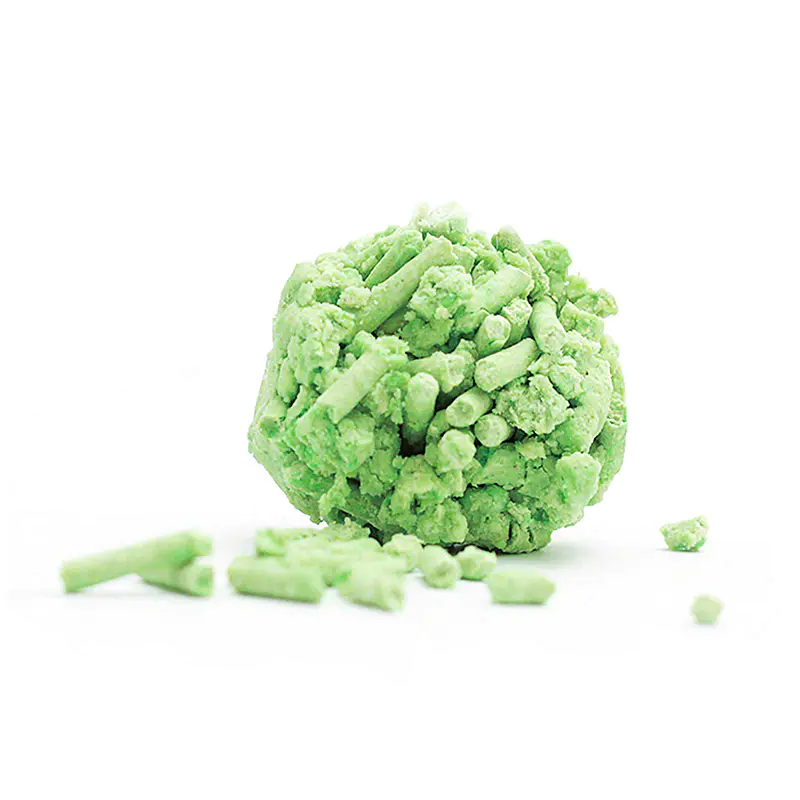
Tofu Cat Litter
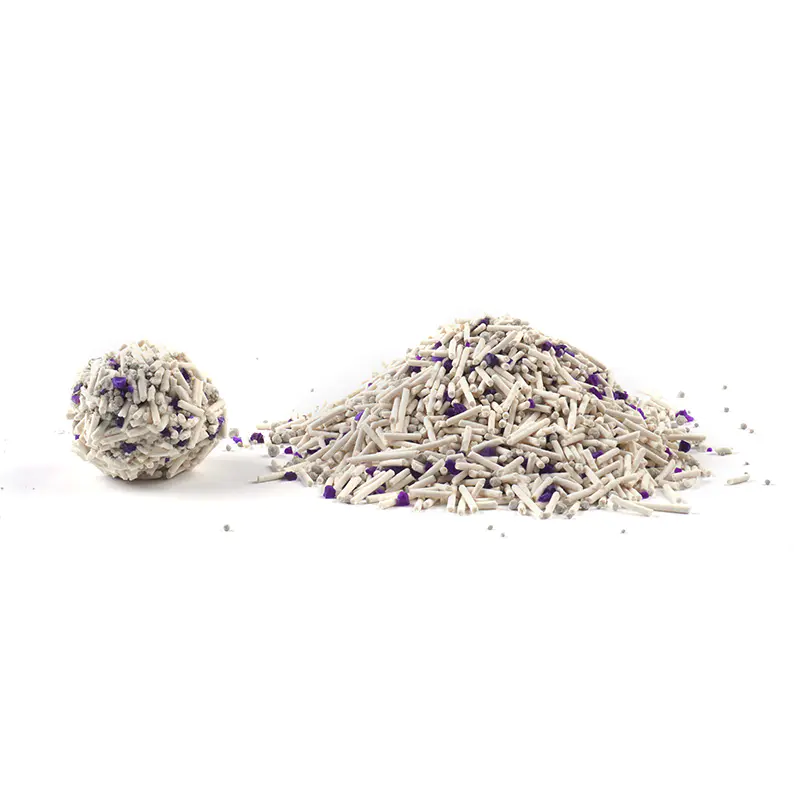
Mixed Cat Litter
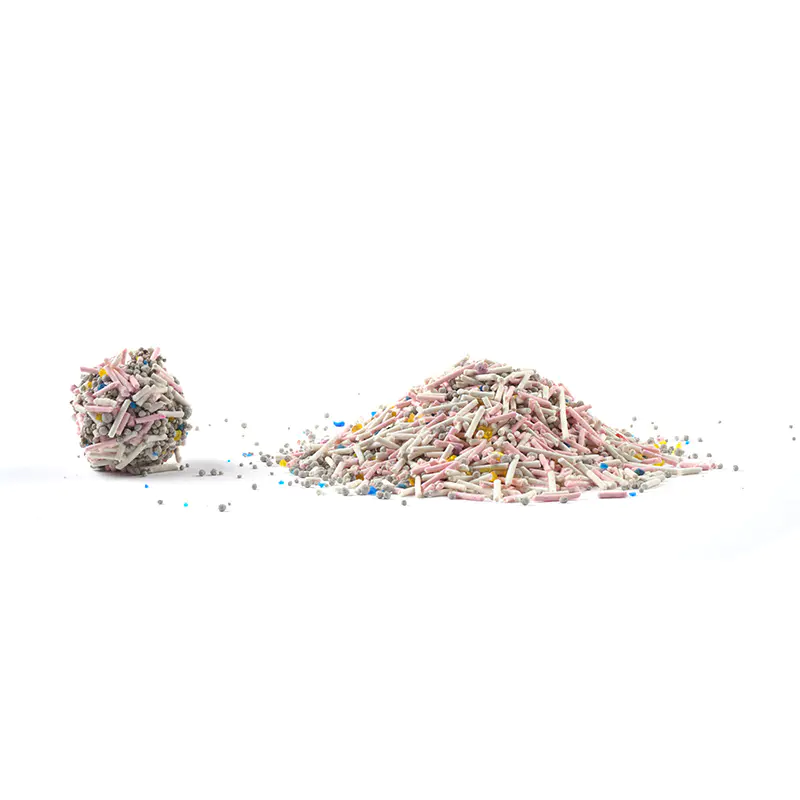
Mixed Cat Litter
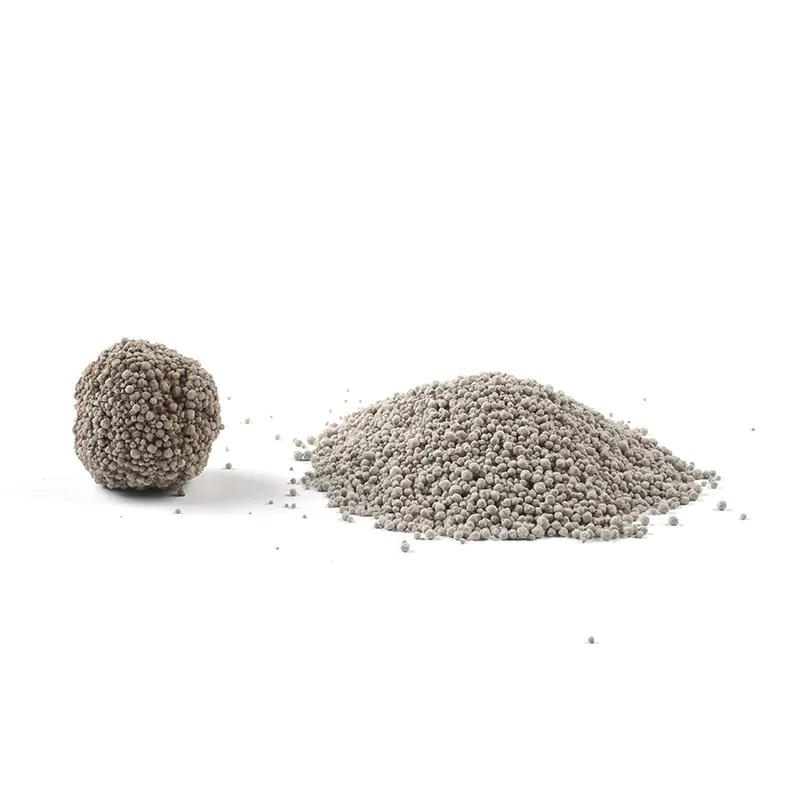
Bentonite Cat Litter


Got Questions? Call us 24/7

+8615263229311
No.88, Quandu Road, Xigang Town, Tengzhou City, Shandong, China. (Sincere Industrial Park)
OEM Cat Litter Manufacturers Bulk Cat Litter Wholesale Biodegradable Cat Litter Company



 English
 русский
 Español
 日本語
日本語 한국어
한국어


