
Industry News
Content
Corn litter looks like the easiest move a cat owner can make: it is plant-based, light, low-dust, and clumps well. Then, in a humid week, the litter box starts to smell sour. That contrast is why corn litter gets so much attention and why it deserves more careful evaluation than a quick “natural” label. In short: corn litter is safe for many cats, but it asks more from your storage and cleaning routine than the alternatives.
Corn litter is usually made from ground corn kernels, ground corn cobs, or a blend of both. The starch in the corn absorbs liquid, while the fibrous cob material helps hold the clump together. This makes it different from clay, which relies on swelling mineral particles to trap moisture. Corn litter is best understood as a starch-based absorbent with a plant-based identity.
Because corn is a food ingredient, the final product can vary depending on how the raw material is cleaned, milled, and screened. A well-processed corn litter has consistent granules, little dust, and enough particle strength to survive daily scooping. A poorly processed one can turn into powder quickly and make the box harder to keep clean.
In a dry, low-humidity household, corn litter can be a legitimate choice. It is especially comfortable for owners who want to move away from clay without losing the convenience of clumping.
One compatibility note applies: not all automatic litter boxes accept corn litter. If your box has a motorized sifter or sensor system, check the manufacturer’s approved litter list before buying. The different granule shape and softer clump can cause jams in some models.
Most of the concern around corn litter is not about the corn itself. It is about moisture, raw material quality, and the way starch behaves in a warm room.
Corn absorbs water from the air as well as from urine. In a humid bathroom or a damp basement, corn litter can develop mold even while the box still looks normal. The same conditions can also raise concerns about mycotoxins, particularly aflatoxin, which has been linked to liver damage in animals. A brand that tests incoming corn and finished litter for mycotoxins is worth the extra cost.
There is another angle that many product descriptions miss. Diabetic cats excrete glucose in their urine, and a starch-based product like corn litter can become a food source for fungi. We are not aware of large-scale clinical data that makes this a certainty, but the theoretical risk is enough to avoid corn litter for a diabetic cat and check with your veterinarian instead.
Most commodity corn is grown conventionally. GMO corn is not known to be toxic to cats, but owners who prefer to avoid GMOs or pesticide residues may feel more comfortable with certified organic or non-GMO plant litter. That is a sourcing preference rather than a clumping-performance guarantee.
Corn litter is often marketed as flushable, but the word means different things in different places. Flush it only if the package specifically says flushable, your local code allows pet waste in wastewater, and you are on a municipal sewer rather than a septic system. Even then, large clumps can block a toilet drain in older homes.
Because corn is a food raw material, an unsealed bag can attract pantry pests or rodents, especially if it is stored near pet food or in a garage. Corn litter also tends to cost more per month than clay because you need a deep enough layer to form stable clumps. Keep the bag closed, store it indoors, and do not treat a cheap bargain as a safe one unless the supplier can document raw material control.
The table below gives a general comparison. Actual performance still depends on the specific formulation and additives in each brand.
| Material | Dust | Clumping | Mold sensitivity | Flushability | Best use case |
|---|---|---|---|---|---|
| Corn | Low | Good | High | Often labeled flushable | Dry homes, daily scooping |
| Tofu | Low | Strong | Moderate | Often labeled flushable | Odor-sensitive owners |
| Cassava | Low | Fast | Moderate | Often labeled flushable | Plant-based owners in varying climates |
| Bentonite clay | Low to medium | Very strong | Very low | No | Frequent scooping and auto boxes |
| Silica gel | Low | No clumping | Very low | No | Low-maintenance single cats |
Corn litter is not the best default for every cat. Skip it if any of these apply:
When a client asks whether corn litter can work, the first question we ask is not about marketing claims. It is about climate and cleaning routine. If we are designing a plant-based litter for humid or unpredictable storage, cassava is often a better answer. It keeps the renewable-material positioning but uses a firmer granule that does not soften as quickly when exposed to moisture.
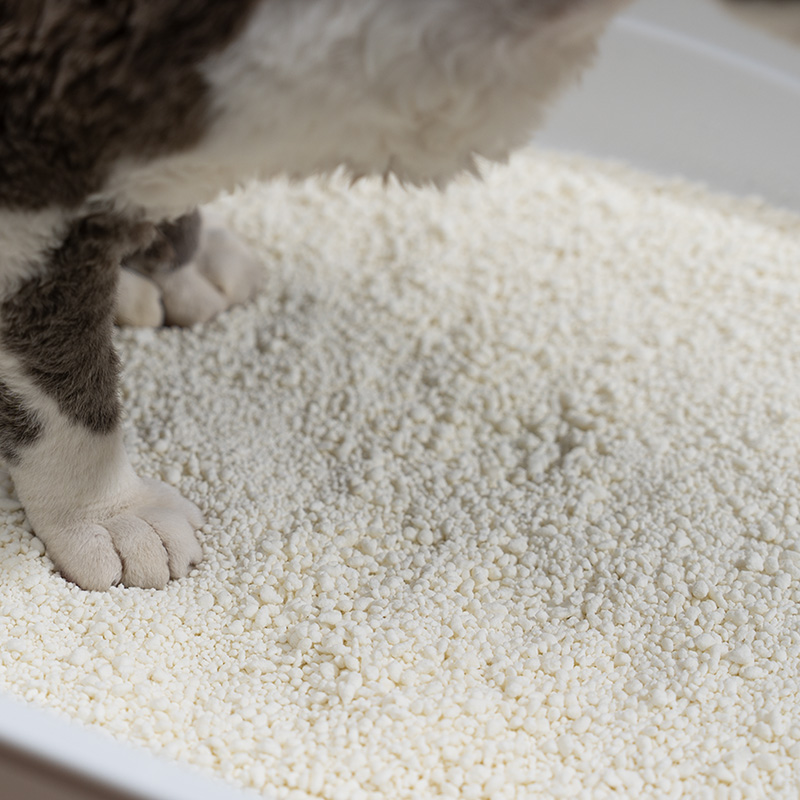 Sincere Cassava Cat Litter with Fast Clumping and Eco-Friendly FormulaA plant-based litter made from cassava starch that clumps firmly, controls odor with natural deodorizers, and suits humid climates. Its soft particles support easy transition and simple cleanup.View Product →
For owners or private label teams that want a more consistent grain size and less tracking, a more refined cassava formulation is worth testing. The Pinkstar version uses a denser particle with stricter sieving, which helps the litter stay predictable in the box and on the floor.
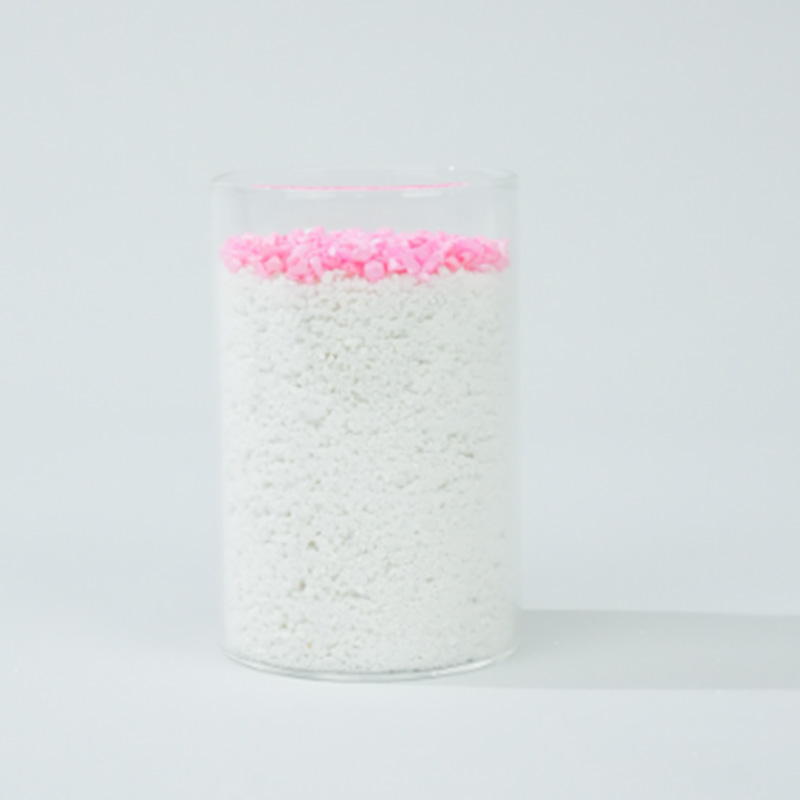 Pink-Star Cassava Cat Litter with Denser Granules and Low DustA refined cassava litter with stricter sieving for consistent grain size and less tracking. Features pink specks that activate scent on contact, fast clumping, and a low-dust formula for sensitive cats.View Product →
Retail buyers and private label teams should push one step further. A beautiful granule is not enough; you need raw material documentation, mycotoxin test results, and evidence that the product stays stable in humid storage. That is why we publish our OEM manufacturing process and keep quality checks visible for every production line.
Corn litter is not automatically dangerous for most healthy cats. In a dry home, with a decent quality product and daily scooping, it can work well. But it is less forgiving than clay, silica, or several other plant-based options. If you cannot control the humidity around the litter box or you do not want to think about mold risk, choose a material with lower moisture sensitivity.
The fastest way to decide is to test a small bag under your own conditions. Use it for two weeks, keep it in the room where the cat actually lives, and pay attention to how the bag smells at the end of the week. If it starts to smell musty or sour, that is your answer. If you are sourcing litter for a brand or a retail shelf, compare suppliers the same way. Ask for formulation data, mycotoxin certificates, and a sample stored at 30°C and 80% humidity for 14 days. Then choose the supplier who treats that question as a normal part of doing business. Start the conversation through our contact page, and we can send samples or spec sheets for your evaluation.
Tofu Cat Litter
Tofu Cat Litter
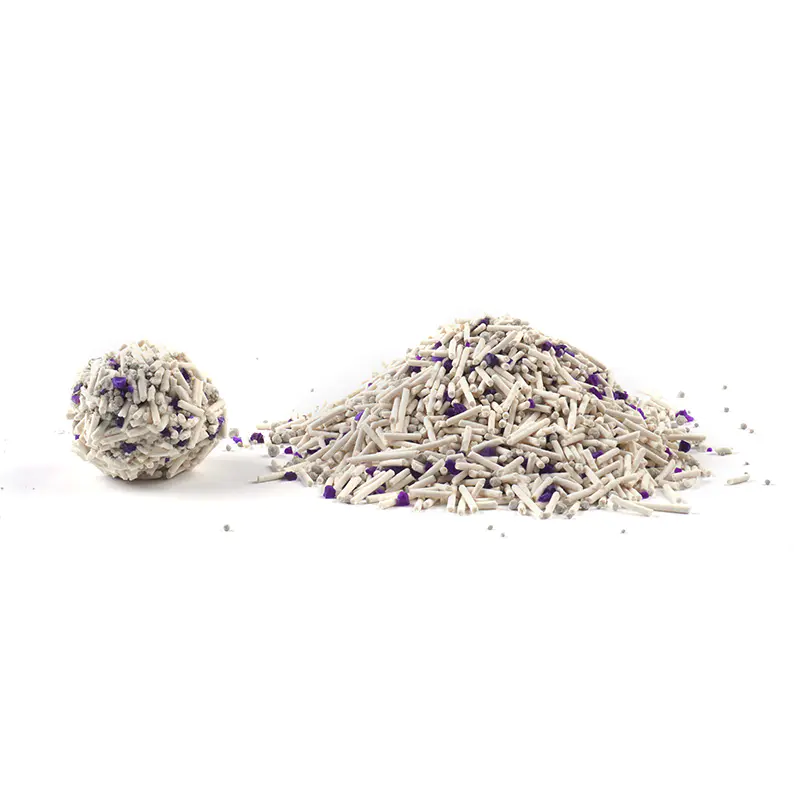
Mixed Cat Litter
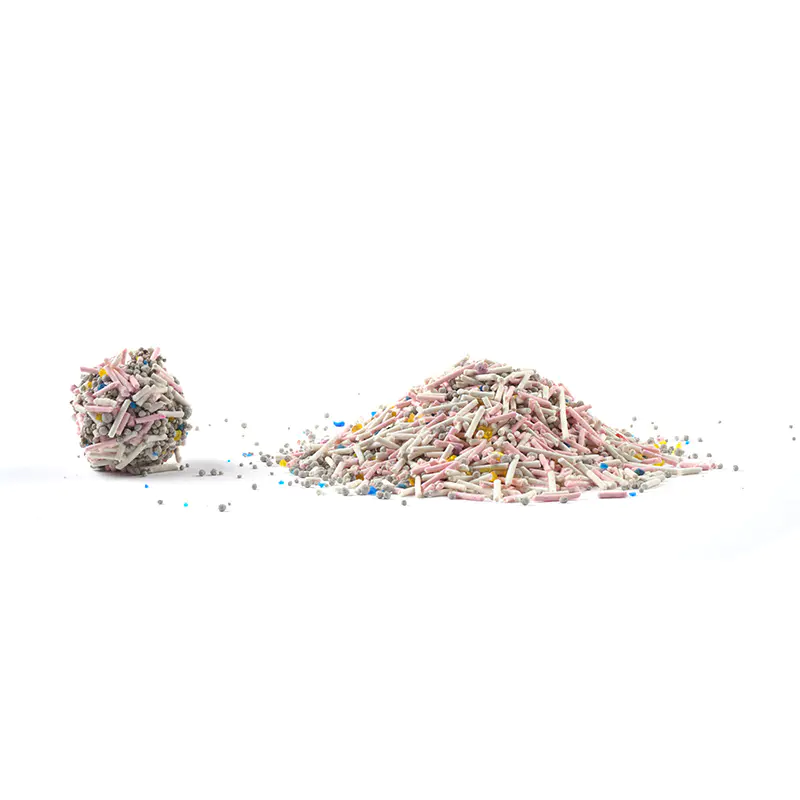
Mixed Cat Litter
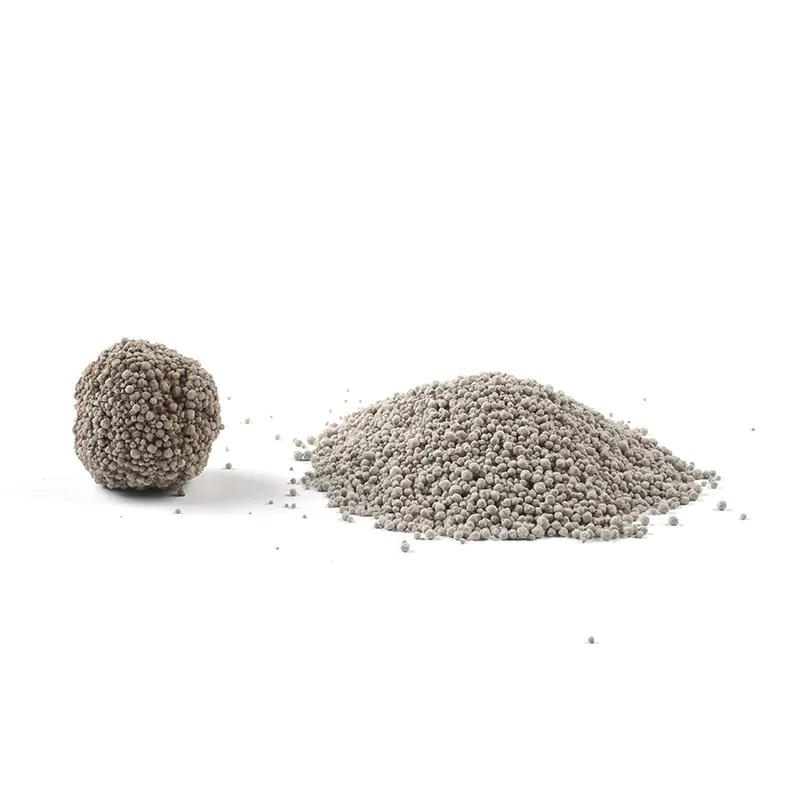
Bentonite Cat Litter


Got Questions? Call us 24/7

+8615263229311
No.88, Quandu Road, Xigang Town, Tengzhou City, Shandong, China. (Sincere Industrial Park)
OEM Cat Litter Manufacturers Bulk Cat Litter Wholesale Biodegradable Cat Litter Company



 English
 русский
 Español
 日本語
日本語 한국어
한국어


