
Industry News
Content
Three cats, four litter boxes, one small apartment. That ratio sounds excessive until you watch a queue form at the only tray in the hallway and the household starts paying for it in accidents, vet visits and scrubbed carpet.
For three cats, the recommended number of litter boxes is four. That follows the one-per-cat-plus-one rule used by feline behaviorists and rehoming shelters, and it is the count that keeps most multi-cat homes stable without daily conflict.
Cats do not share toilets by choice. In a free-living colony they keep separate latrine sites and take turns only when they must, which is why every box in a home becomes a resource worth guarding. The n+1 rule is about social pressure, not about hygiene.
A shortage rarely announces itself as a shortage. It shows up as behavior first:
If you recognize two or more of those patterns, add a box before you change anything else.
Four boxes pushed into one corner is worse than three boxes in three rooms. Cats need a clear line of sight and an escape route, and two trays side by side in the same room count as a single station to the cats using them.
| Cat size | Body length | Minimum box length | Notes |
| Small adult | Under 40 cm | 50 cm | A standard hooded box usually fits |
| Average adult | 40 to 45 cm | 60 cm | Most large uncovered trays work well |
| Large breed | 45 to 55 cm | 70 cm | A shallow storage tub is often better value |
With three cats, every box carries roughly three times the traffic of a single-cat tray, so clumping speed and odor control stop being preferences and become maintenance requirements. A clump that crumbles while you scoop leaves ammonia behind in the litter, and a tray that smells is a tray that gets skipped.
| Material | Clumping | Odor control | Dust and tracking | Notes for three cats |
| Clumping bentonite | Fast and firm | Good | Moderate to high dust, tracks | Cheapest per box, but the dust load adds up in a small flat |
| Tofu, plant fiber | Fast and firm | Good, best unscented | Very low dust, light tracking | Flushable versions suit apartments and small bins |
| Cassava | Fast and firm | Good | Low dust | Plant based, behaves much like tofu in the tray |
| Crystal, silica gel | Does not clump, dries urine | Excellent against ammonia | Very low dust | Needs daily stirring and a full swap when saturated |
| Mixed blends | Depends on the blend ratio | Very good when mineral meets plant fiber | Low to moderate | Often the best balance for busy households |
Odor is where box count and litter choice meet. Three cats in a warm apartment will expose any weak point in a litter within a week, and the first sign is usually one tray being ignored rather than an obvious smell. The specific problems of competition, odor buildup and tracking in multi-cat homes are described in this guide to the three biggest challenges of cat litter for multi-cat households.
In practice, a blend that pairs a fast-clumping mineral granule with a plant-fiber base covers clumping and ammonia control in the same tray.
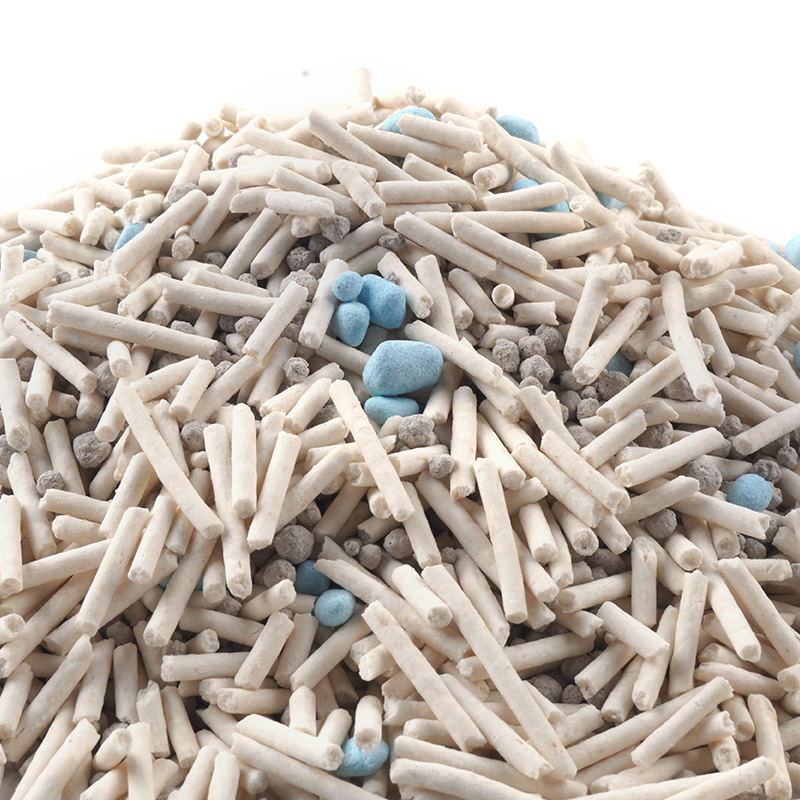 Sincere Activated Charcoal Mixed Cat LitterWorth checking for trays needing combined clumping and ammonia control, this mineral-and-plant-fiber blend targets odors and cleanup.View Product →
Dust is the second specification worth reading closely. Four trays in one apartment, dug through several times a day, release fine particles that settle on floors, shelves and cat fur. Low-dust materials cut cleaning time and reduce irritation for cats with sensitive airways.
Four boxes only solve the social problem if they stay clean enough to use. For three cats the routine is short, but it has to be consistent.
Where trays are cleaned on schedule and odor still returns within a day, an additive is a cheaper answer than a fifth box. Deodorizing powders built on plant extracts or mineral absorbents target ammonia directly instead of masking it with fragrance.
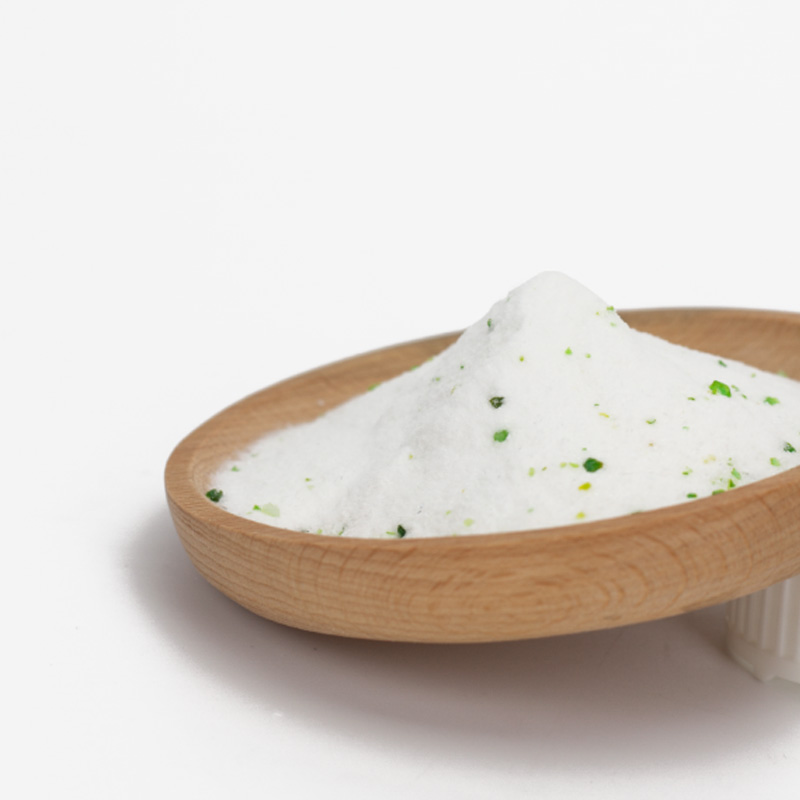 Premium Cat Litter Deodorizer PowderFor scheduled-clean trays where odor returns quickly, this plant-extract and mineral powder targets ammonia instead of masking it.View Product →
When a three-cat household with four clean boxes still has accidents, work through the causes in this order before assuming the cats cannot live together.
A three-cat household running four boxes gets through roughly 10 to 15 kg of clumping litter a month, and closer to 20 kg in humid climates where trays are changed more often. Retailers and own-brand teams buying for multi-cat customers tend to test four things before placing an order.
Plant-based materials behave differently from clay under those tests, and the difference is usually an advantage in apartments. A 3.0 mm plant-fiber granule, for example, clumps quickly, produces very little dust, and stays light enough to carry between rooms and floors without the weight of clay.
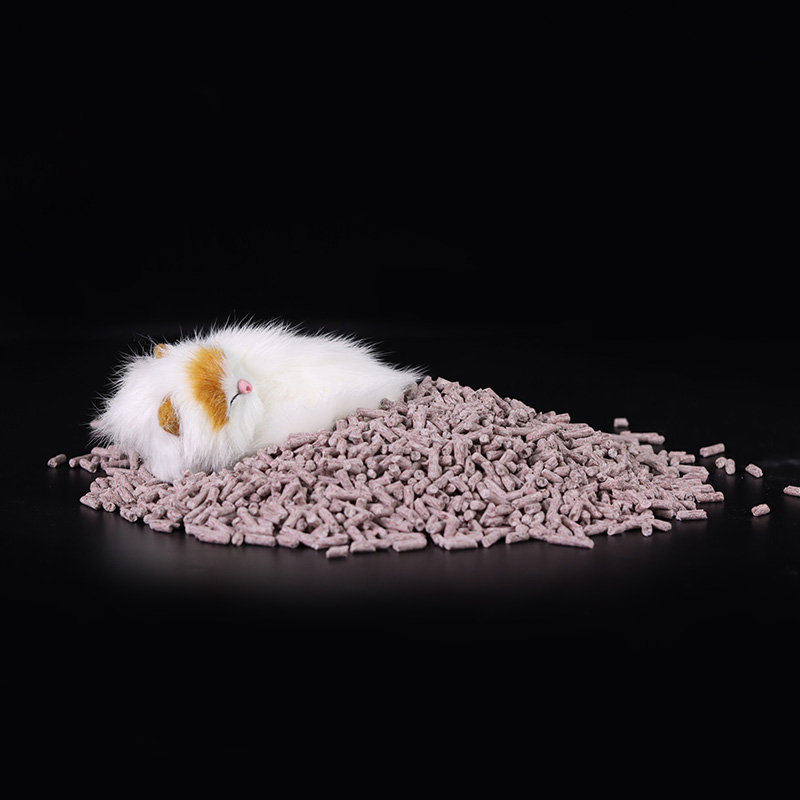 Sincere 3.0mm Tofu Cat LitterFor apartment litter routines needing low-dust, lightweight plant-fiber clumps that suit multi-cat households and frequent scooping.View Product →
Three is the absolute minimum and only works when the boxes sit in three separate rooms and every tray is scooped at least twice a day. The moment two boxes share a room, or scooping slips to once a day, treat four as the target.
Ideally yes. Cats treat two trays side by side as a single station, so the second one adds cleaning work without adding a real alternative. If space is tight, use different floors, opposite ends of a corridor, or a bathroom and a balcony.
Scoop daily, top up weekly, and do a full change with a box wash every four to six weeks for clumping litter. Non-clumping litter needs a complete change every one to two weeks, because urine soaks through the whole tray instead of forming clumps.
That is common and not a problem on its own. Keep the other boxes available, because a favorite tray can turn into a contested resource overnight if one cat feels unwell, and the remaining cats will need somewhere else to go that same day.
Four boxes, spread across the home, filled with 5 to 7 cm of fast-clumping litter and scooped twice a day: that is the whole system for three cats. It costs one extra tray and a few minutes of work each day, and it removes the most common cause of accidents in multi-cat homes.
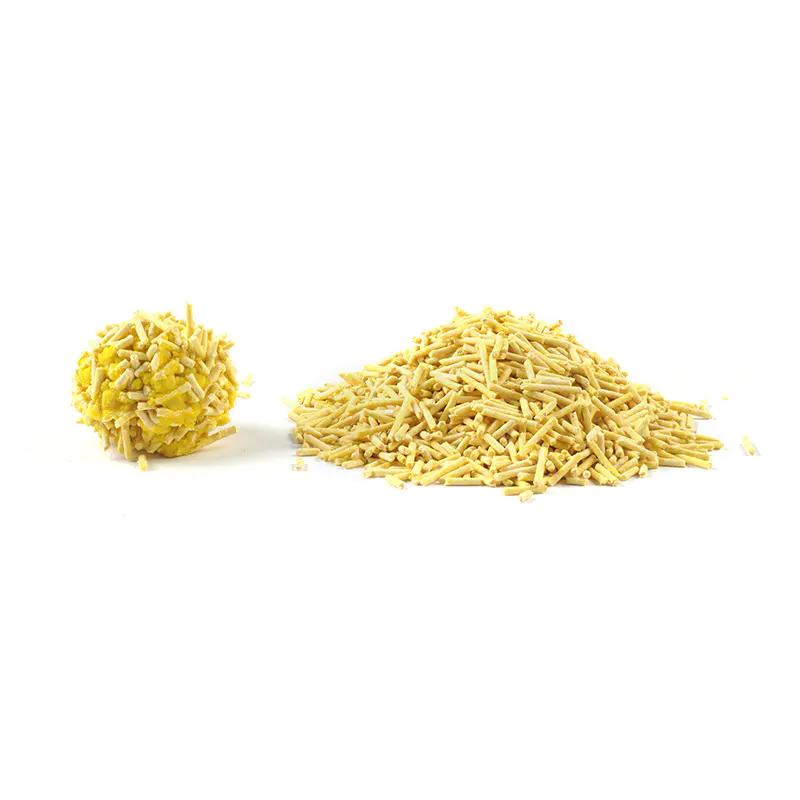
Tofu Cat Litter
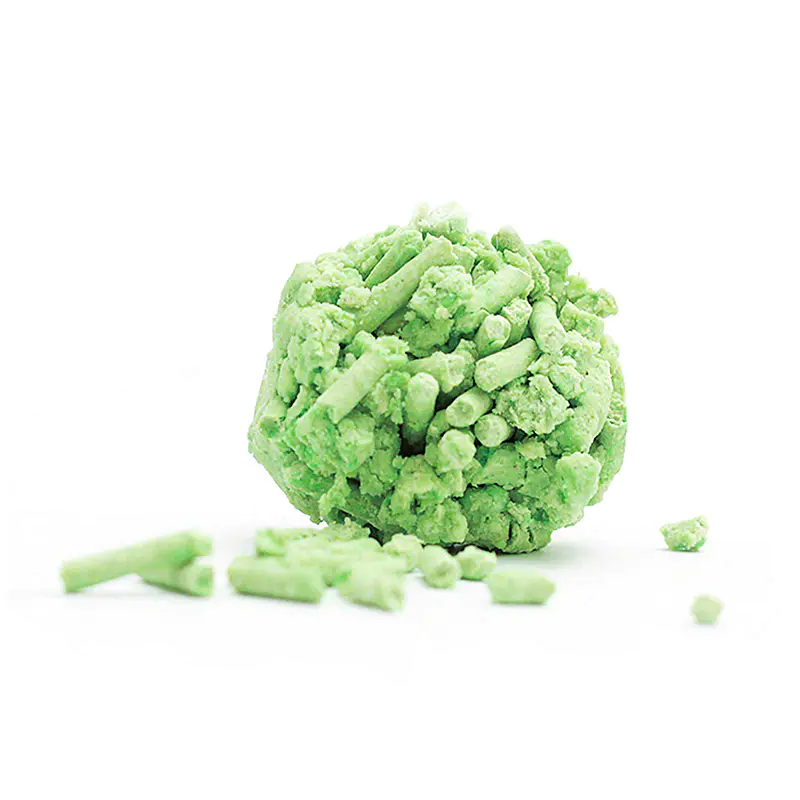
Tofu Cat Litter
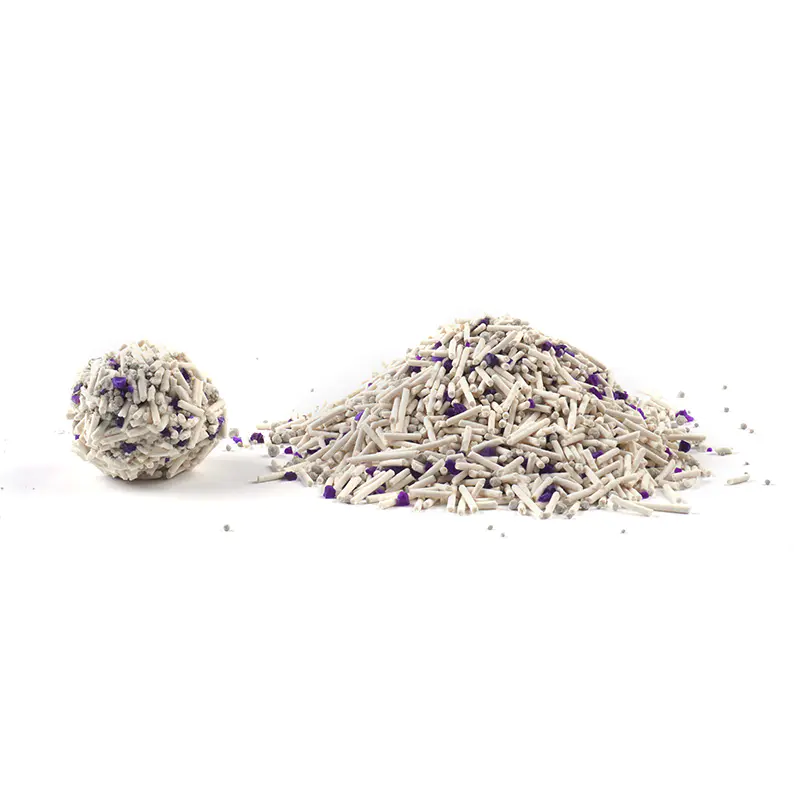
Mixed Cat Litter

Mixed Cat Litter
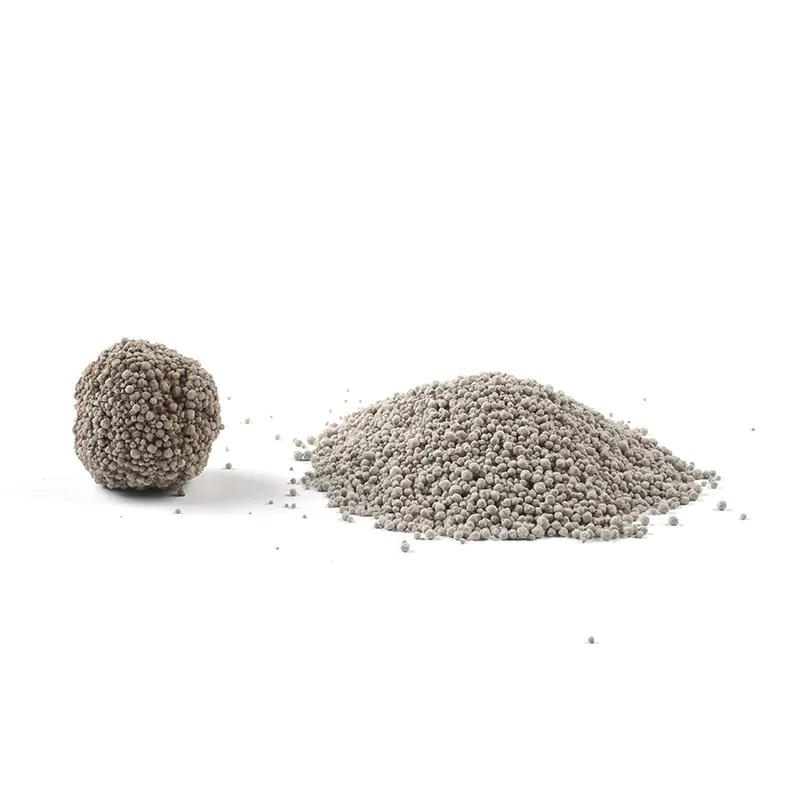
Bentonite Cat Litter


Got Questions? Call us 24/7

+8615263229311
No.88, Quandu Road, Xigang Town, Tengzhou City, Shandong, China. (Sincere Industrial Park)
OEM Cat Litter Manufacturers Bulk Cat Litter Wholesale Biodegradable Cat Litter Company



 English
 русский
 Español
 日本語
日本語 한국어
한국어


