
Industry News
Content
Clay litter has dominated pet stores for decades — not because it's the best option, but because it was the only one most people knew. That's changing fast. tofu cat litter made from natural plant fibers now delivers measurably better absorption, near-zero dust, and a disposal method that doesn't involve hauling heavy bags to the bin. Here's what the performance data actually shows.
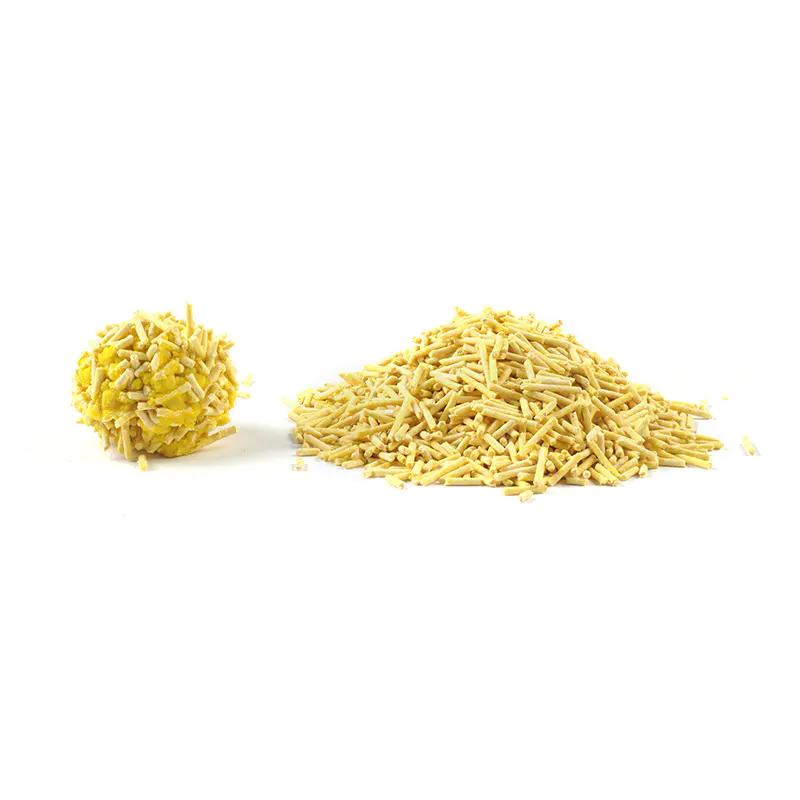
The core material is soybean fiber — the pulp left over after soy milk production — combined with corn starch and edible guar gum as a binder. After high-temperature sterilization, it's compressed into cylindrical granules. No mining, no synthetic clumping agents, no silica dust.
This food-grade composition is the reason soybean cat litter behaves differently from clay in every measurable way. The porous fiber structure absorbs liquid at the molecular level rather than just surrounding it — which directly affects clumping speed, odor retention, and how long a tray lasts before needing a full change.
Absorption and clumping are the two metrics that matter most in daily use. Here's what verified product testing shows:
| Specification | Value |
|---|---|
| Absorption Rate | ≥300% (3× own weight in liquid) |
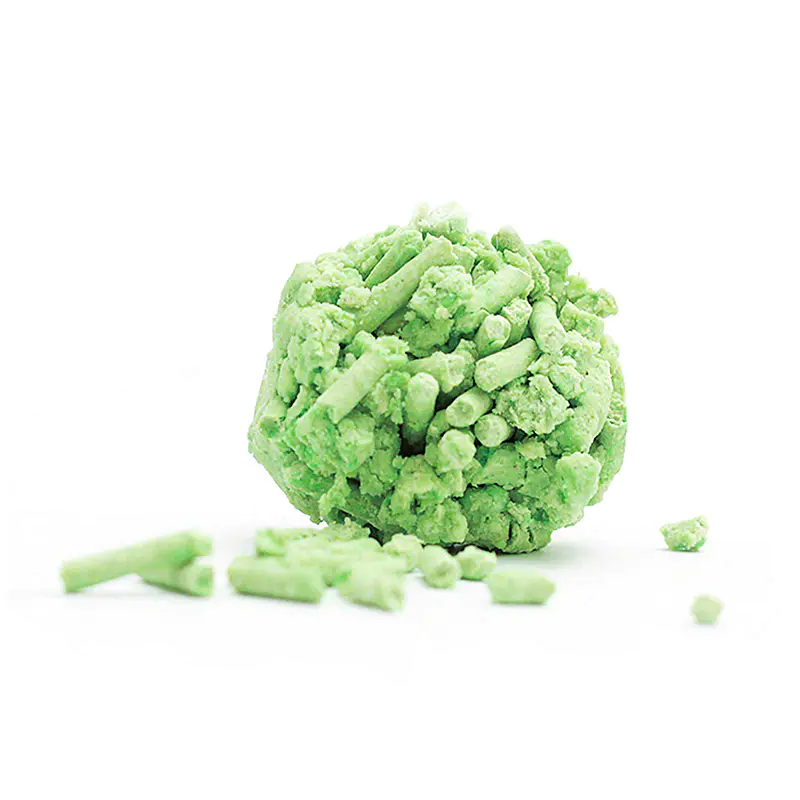
| Clumping Speed | Within 3 seconds of contact |
| Moisture Content | <11% (prevents mold) |
| Granule Hardness | >45N (clumps don't crumble during scooping) |
| Dust Level | 99% dust-free |
| Available Granule Sizes | 2.0mm / 2.5mm / 3.0mm |
The 45N hardness figure is worth pausing on. A clump that crumbles when you scoop it contaminates the clean litter underneath — you end up changing the whole tray more often than necessary. Hard clumps that stay intact cut long-term litter consumption significantly.
Standard clay litter masks odors with added perfumes. Plant fiber litter absorbs and traps ammonia at the source by pulling liquid deep into the granule structure before bacteria can break it down. That's the functional difference between covering a smell and preventing it.
For households that want an added layer, activated carbon versions incorporate coconut shell charcoal into the granule. This combination of mechanical absorption and carbon adsorption is particularly effective in enclosed spaces or multi-cat households. Scented variants — green tea, milk, peach, sakura, coffee — are also available for owners who prefer a light natural fragrance over a neutral base.
The 2.5mm granule size includes a health-monitoring formulation: pH-sensitive fibers that change color if a cat's urine indicates potential urinary tract issues. That's a meaningful early-warning tool, not a gimmick.
Clay litter is non-biodegradable. Once used, it goes to landfill, where it stays essentially indefinitely. plant fiber cat litter dissolves in water — small amounts can be flushed directly down the toilet. For apartment dwellers without outdoor bin access, this alone is a practical game-changer.
For those who prefer not to flush, used tofu litter is compostable (when used for urine-only waste) and breaks down naturally rather than accumulating in landfill. The environmental case is straightforward: renewable soybean fiber processed at food-grade standards versus strip-mined bentonite clay that requires significant energy to extract and process.
Granule size affects two things: tracking and paw comfort. Smaller granules (2.0mm) clump tighter and absorb faster, but stick to paws more. Larger granules (3.0mm) reduce tracking and suit cats who prefer a firmer texture underfoot — common with older cats or those recovering from paw injuries.
If you're switching from clay, blend the new litter with the existing one over 7–10 days rather than swapping abruptly. Most cats adapt within two weeks — some within a few days.
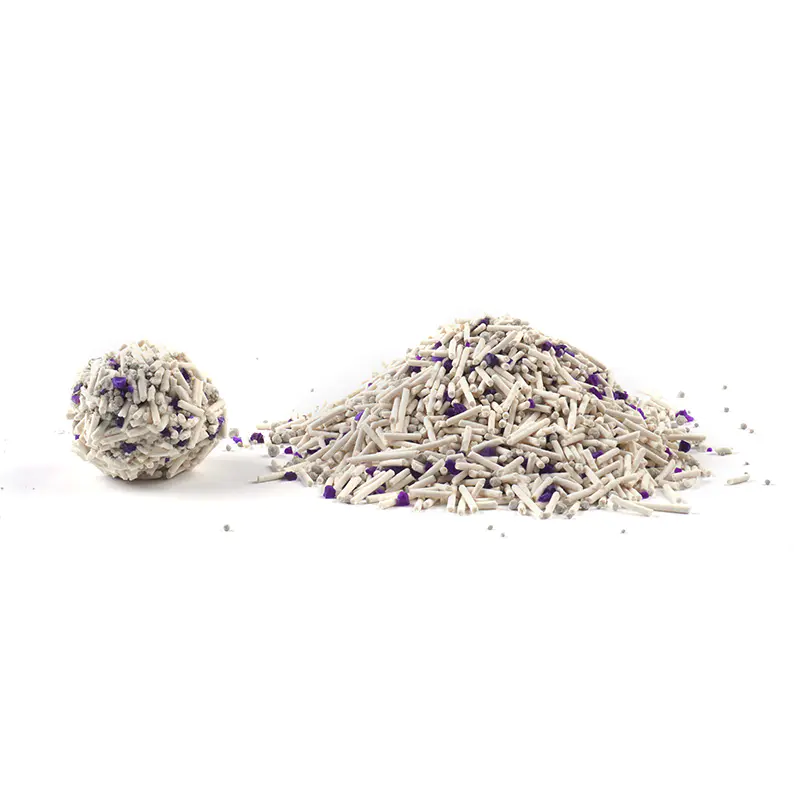
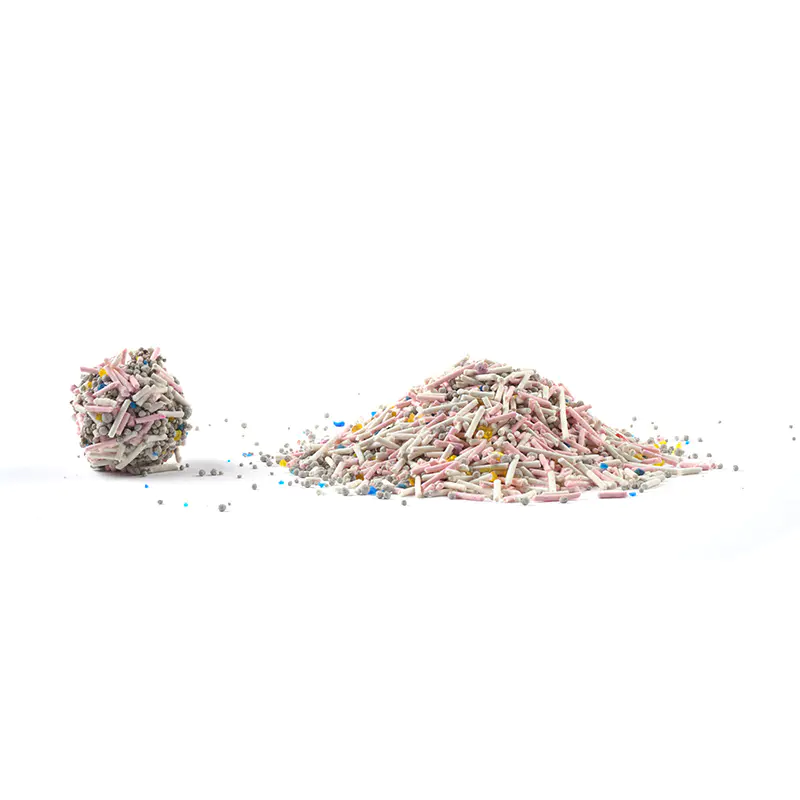
For households managing multiple cats or wanting to combine the clumping performance of tofu with the moisture control of mineral litter, a mixed cat litter combining plant fiber and mineral crystal particles offers the benefits of both materials in a single product.
Tofu cat litter doesn't require any compromise on performance to be eco-friendly. An absorption rate of 300%+ outperforms standard clay by a wide margin, 3-second clumping keeps the tray manageable with daily scooping, and 99% dust-free granules mean no respiratory irritation for cats or owners. The flushable and biodegradable properties are genuine advantages, not marketing claims.
If you're evaluating options for a multi-cat household, an apartment, or a cat with respiratory sensitivities, plant-based litter is the practical choice — not just the sustainable one.
Tofu Cat Litter
Tofu Cat Litter
Mixed Cat Litter
Mixed Cat Litter
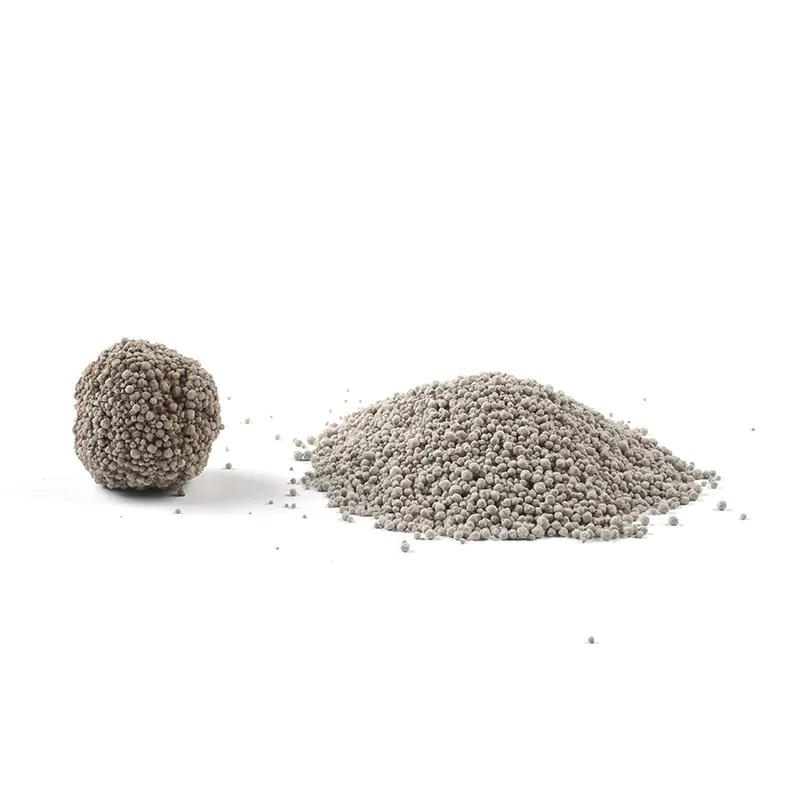
Bentonite Cat Litter


Got Questions? Call us 24/7

+8615263229311
No.88, Quandu Road, Xigang Town, Tengzhou City, Shandong, China. (Sincere Industrial Park)
OEM Cat Litter Manufacturers Bulk Cat Litter Wholesale Biodegradable Cat Litter Company



 English
 русский
 Español
 日本語
日本語 한국어
한국어


