
Industry News
Content
Tip a little water onto a handful of sodium bentonite and you can watch why this clay has dominated the clumping litter category since the mid-1980s: within seconds, the granules swell, gel together, and lock the liquid into one solid mass you can lift out whole with a scoop. That near-instant swelling on contact with urine is a property no other common litter material fully copies, and it explains why bentonite remains the default choice in most multi-cat households.
The short version before the detail: bentonite forms the hardest clumps, holds odor down reliably, and wins over cats faster than almost anything else on the shelf. Its honest trade-offs are weight, dust, and zero flushability. Most complaints attached to clay litter — dust clouds, crumbling clumps, powder on the floor — trace back to how the clay was processed, not to the clay itself, which is why it pays to know what happens between the mine and the bag.
Bentonite is a natural clay whose working mineral is montmorillonite, formed over geological time from altered volcanic ash and extracted from open-pit deposits. The terms overlap, so it helps to sort them out: bentonite is one specific clay, and it is the one that made modern clumping litter possible, while older non-clumping products relied on less reactive clay blends. Within bentonite itself, two grades matter. Sodium bentonite takes water deep into its layered crystal structure and swells to many times its dry volume, producing a hard, scoopable clump. Calcium bentonite also absorbs liquid but clumps weakly and crumbles on the scoop, so a litter that falls apart mid-scoop usually points to a calcium-heavy blend or inconsistent ore.
From the mine, the clay is dried, crushed, and sieved into granules, and granule size is a real specification rather than a marketing label. Fine, sand-like grades around 1-2 mm feel soft under paw but track further on furry feet, while coarser grades in the 3-8 mm range stay in the box better and usually throw off less airborne dust when poured. Granule shape matters too, because rounded, spherical particles run gentler through a cat's claws than sharp crushed edges. That sizing logic is why many natural bentonite lines, including ours, specify a controlled range such as 3.3-8 mm.
3.3-8mm Premium Quality Natural Bentonite Cat Litter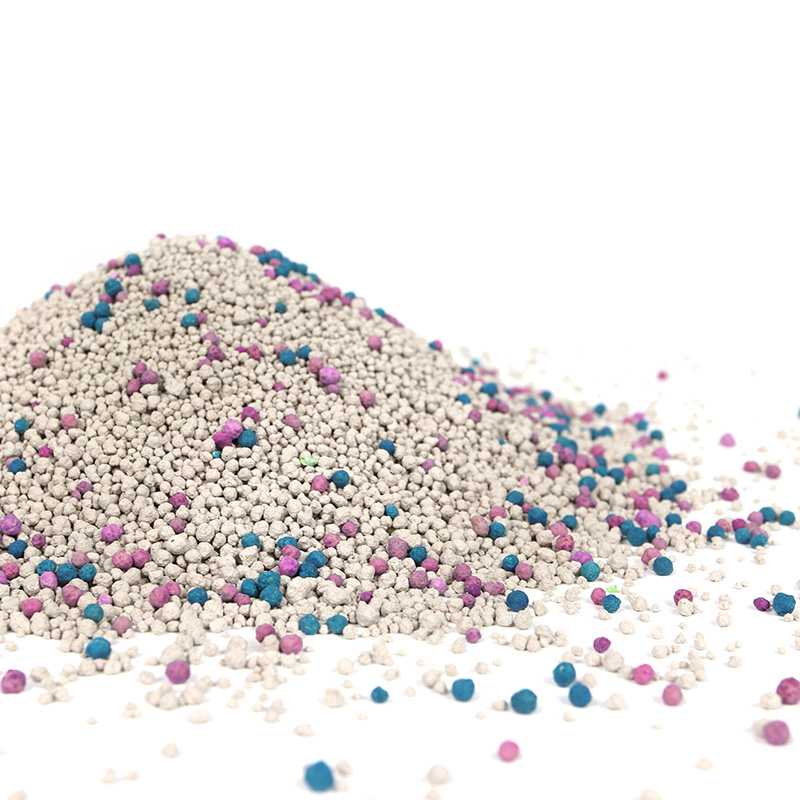 Natural Sodium Bentonite Cat Litter, 0.3-3.8 mm Spherical GranulesThis bentonite litter uses a mixed particle range so fine grains suit kittens' soft footing while larger grains clump fast, matching the article's point that granule sizing is a real specification for tracking, dust, and digging comfort.View Product →
Clumping is physics rather than an additive trick. Sodium ions sitting between the montmorillonite layers allow water molecules to pry those layers apart, so each granule swells and welds to its neighbors. Urine hitting a proper bed of sodium bentonite is encapsulated within seconds into a mass that hardens from the outside in, while feces are coated and sealed, which contains most of the smell before it spreads through the room.
Depth and routine decide how well the mechanism works for you. Keep the litter at about 7-8 cm so urine reaches a full mass instead of smearing across the floor. Scoop daily, because prompt removal is what actually controls ammonia; perfume cannot compensate for waste left sitting in the tray. With that habit, a full change stretches to roughly every three to four weeks for one cat, and hard clumps cut waste further, since only soiled material leaves the box.
No litter material wins on every axis, and pretending otherwise misleads buyers. The table below places bentonite against the two other common material families, plant-based tofu litter and silica gel crystal litter, on the attributes that decide day-to-day satisfaction.
| Attribute | Bentonite clay | Tofu (plant-based) | Crystal (silica gel) |
|---|---|---|---|
| Clumping | Hard, scoopable clumps in seconds | Softer clumps that dissolve in water | Non-clumping; beads absorb urine |
| Dust | Low when properly dedusted | Very low | Very low |
| Weight | Heaviest of the three | Light | Very light |
| Flushability | Never flush | Most formulas are flushable | Never flush |
| Best fit | Multi-cat homes and strong clumping needs | Lightweight handling and flushable disposal | Low-maintenance single-cat homes |
The pattern holds across the market: bentonite is the performance pick for clump strength and multi-cat odor load, tofu wins on weight and flushability, and crystal wins on low maintenance. These trade-offs come from the materials themselves, and no packaging rewrites them.
Bentonite is a natural, non-toxic mineral, and for healthy adult cats a well-made clumping litter is considered safe to use. The genuine questions concentrate in two areas: dust, and swallowing by very young kittens.
Dust is not a property of bentonite; it is a residue of crushing. Plants that skip thorough sieving and dedusting ship fine particles that rise when you pour and hang in the air when a cat digs. Good processing holds that fraction low enough that pouring raises no visible cloud, which is why our bentonite products are engineered to a 99% dust-free specification. For a cat with asthma or airway sensitivity, dust level matters more than litter material, and a veterinarian should guide that decision. If your current litter pours dusty, the fixes are mostly practical, and we cover them in our guide on how to reduce dust when using bentonite cat litter.
Kittens explore the world with their mouths, and clumping clay swallowed in quantity can swell inside the gut. Standard guidance is to keep clumping litter away from kittens under roughly three to four months, or until they reliably stop tasting it, and to start them on a non-clumping or plant-based option first. Adult cats that groom normally are not at risk from trace amounts. For expecting parents, the pregnancy concern comes from toxoplasmosis in cat feces, not from the litter material, so gloves and hand-washing after scooping remain the recommended routine.
Bentonite rewards a simple routine, and most dissatisfaction traces back to small setup mistakes rather than to the litter itself. Five habits cover almost everything:
On tracking, granule size and shape are the main levers. Coarse, rounded granules stay in the box and on the mat far better than fine sand, at the cost of a texture that some particular cats need a few days to accept. If your household is fighting both tracking and pour dust, a spherical grade is the practical compromise between the two.
Multifunctional High Cost-Performance Spherical Bentonite Cat Litter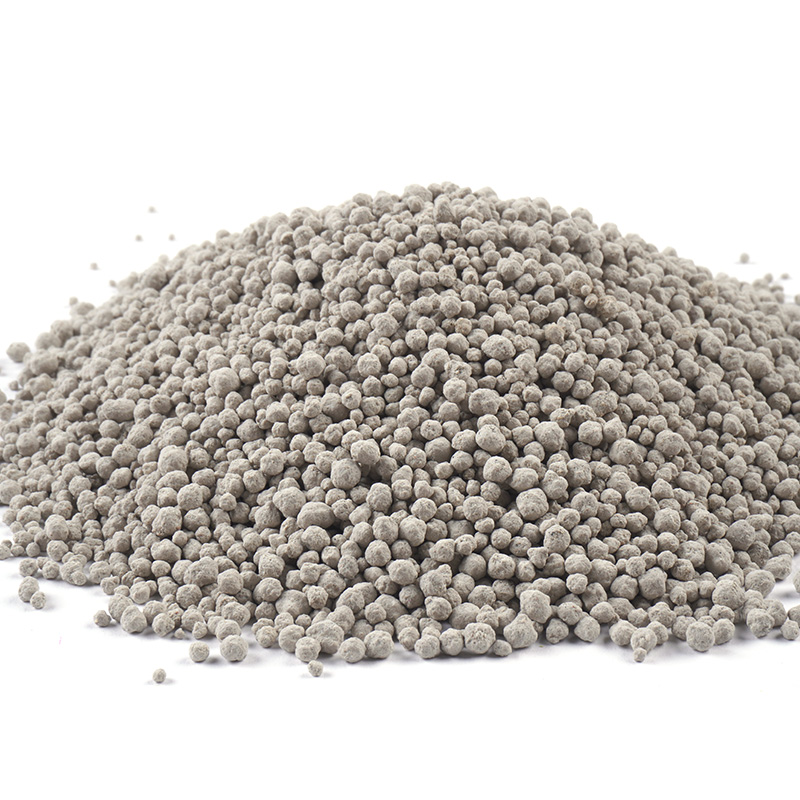 SGS-Certified Spherical Bentonite Cat Litter for Households and WholesaleWith rounded, low-dust granules and 250% absorption for three-second clumping, this grade answers the article's tracking-versus-dust dilemma, and its mixable formula with tofu litter adds flexibility at a budget-friendly factory price.View Product →
Whether you are comparing bags in a store aisle or reviewing supplier specification sheets, the same checkpoints apply:
Automatic litter boxes are a growing share of the market, and most popular units are engineered around clumping clay, which is exactly what bentonite provides. The match still depends on details: granule size must suit the rake or sifter spacing, and clumps must hold together while the mechanism lifts them, or they break and smear across the waste drawer. We break that pairing down in our article on whether bentonite cat litter works in self-cleaning litter boxes.
Two bags of bentonite can look identical on a shelf and behave completely differently in a tray, because the differences live upstream. Ore source and consistency set the sodium content and therefore clump hardness. Sieving tolerance sets dust and tracking. Moisture control at packing sets shelf life and caking behavior. A serious manufacturer runs batch tests for clump strength and absorption instead of trusting the quarry to stay uniform.
This is the level where private-label and OEM decisions are actually made. Sincere Pet Products, the manufacturer behind this site, produces bentonite alongside its plant-based and crystal lines within the SINCHEM group, operates under ISO quality and environmental management systems and BSCI audit, and customizes granule size, scent, and packaging for brand, retail, and supermarket customers worldwide.
For sourcing programs where absorbency and a clean pour carry the most weight, our Eco-Friendly Strong Absorption Bentonite Cat Litter is the grade most often shortlisted for multi-market retail lines.
Eco-Friendly Strong Absorption Bentonite Cat Litter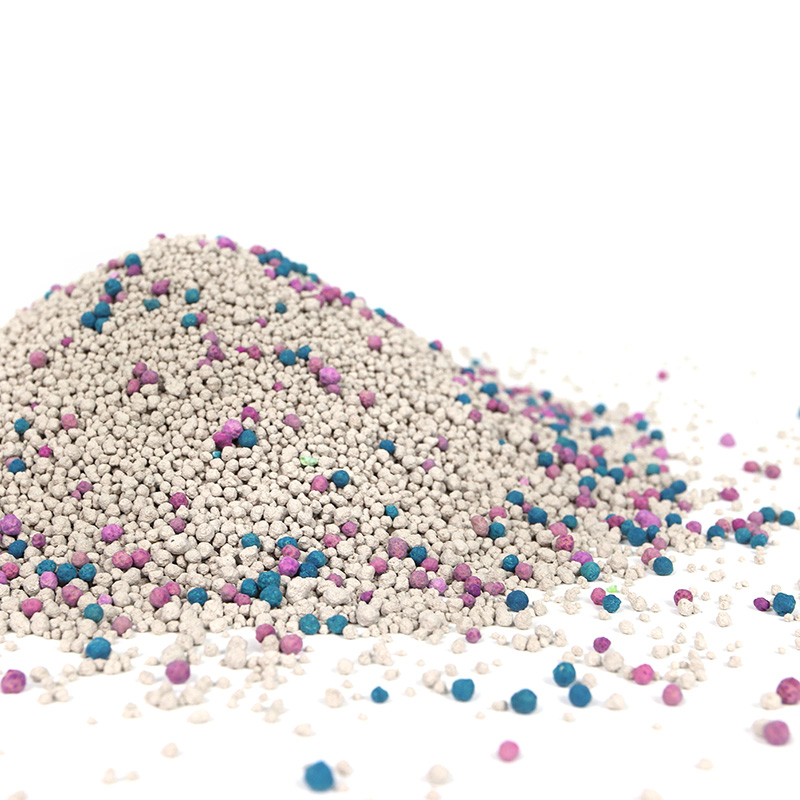 Eco-Friendly Strong Absorption Bentonite Cat LitterFrequently shortlisted for retail lines, this grade pairs purified natural montmorillonite with 250% liquid absorption, long-lasting odor suppression, and multi-stage dedusting—delivering the hard clumps and clean pour the article names as bentonite's core strengths.View Product →
The verdict is straightforward. If hard clumps, dependable odor control, and fast cat acceptance rank highest, bentonite remains the benchmark every other litter is measured against, and modern dedusting and granule engineering have trimmed its classic drawbacks to manageable levels. If lightweight handling and flushable disposal rank highest, a plant-based tofu or cassava litter will serve you better, and manufacturing both material families under one roof is precisely why we can make that comparison without an agenda. Whichever direction you take, ask the unglamorous questions first: where the ore comes from, how tight the sieving tolerance runs, and what the batch dust specification reads. Those answers predict life with the litter box better than anything printed on the front of the bag.
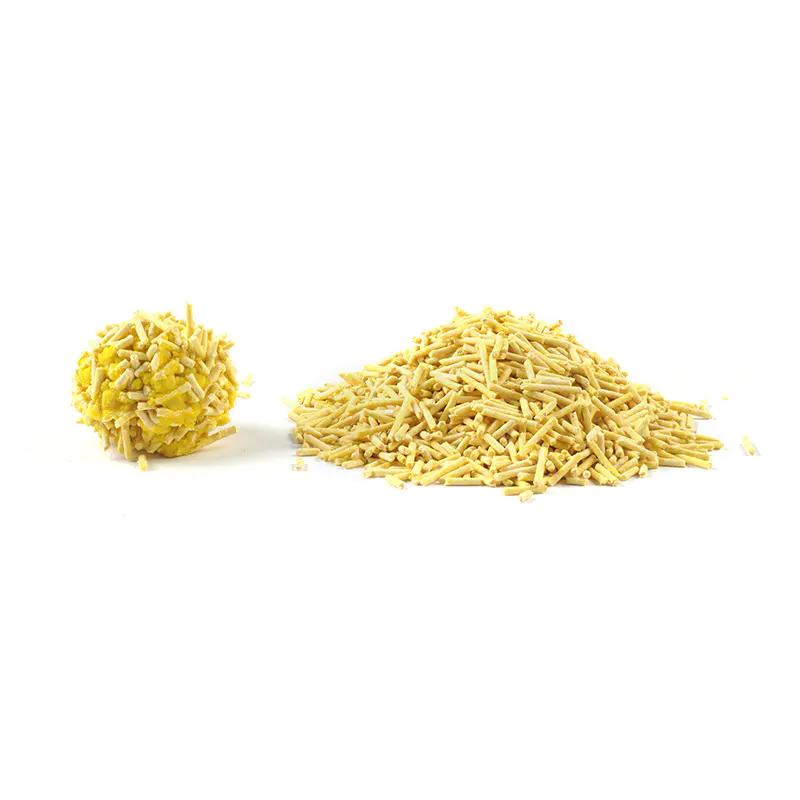
Tofu Cat Litter
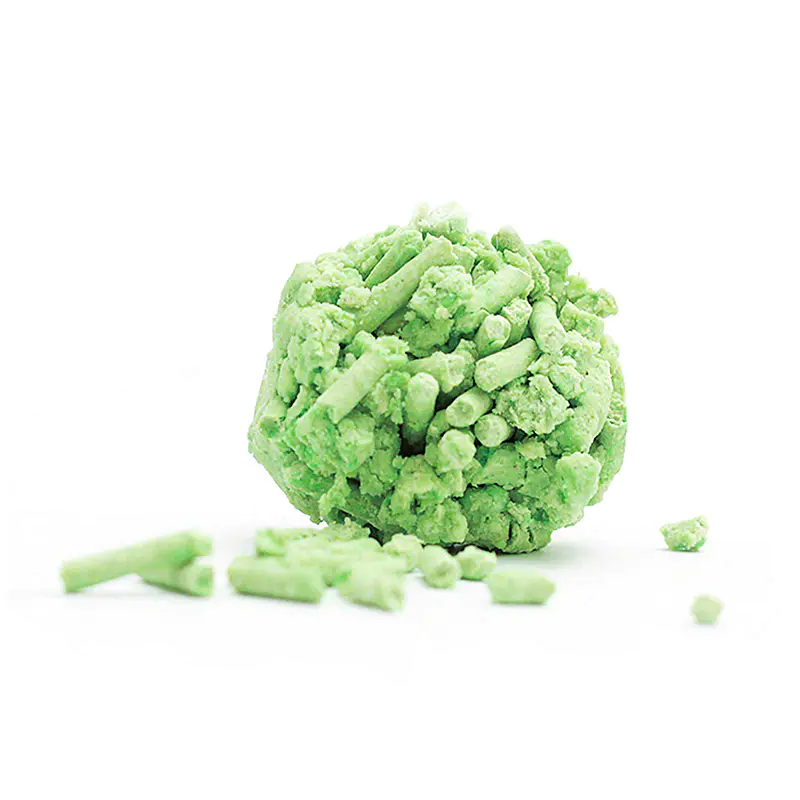
Tofu Cat Litter
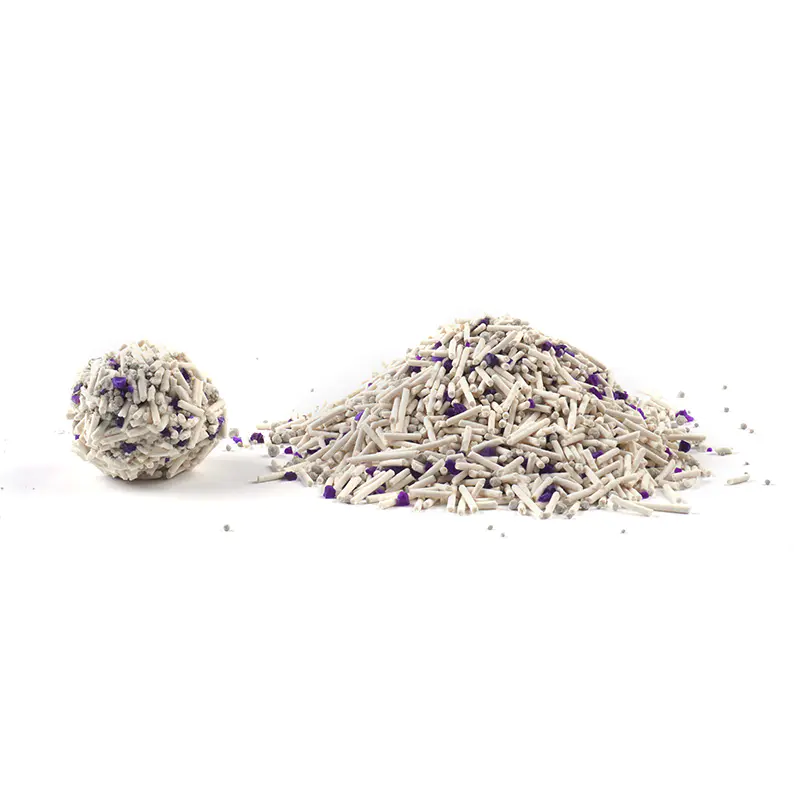
Mixed Cat Litter
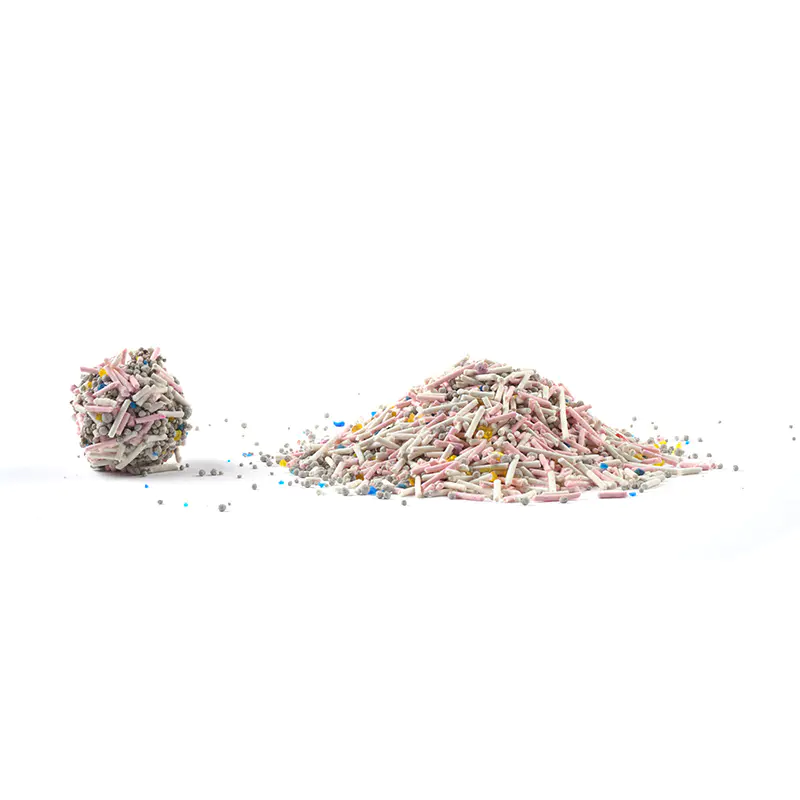
Mixed Cat Litter
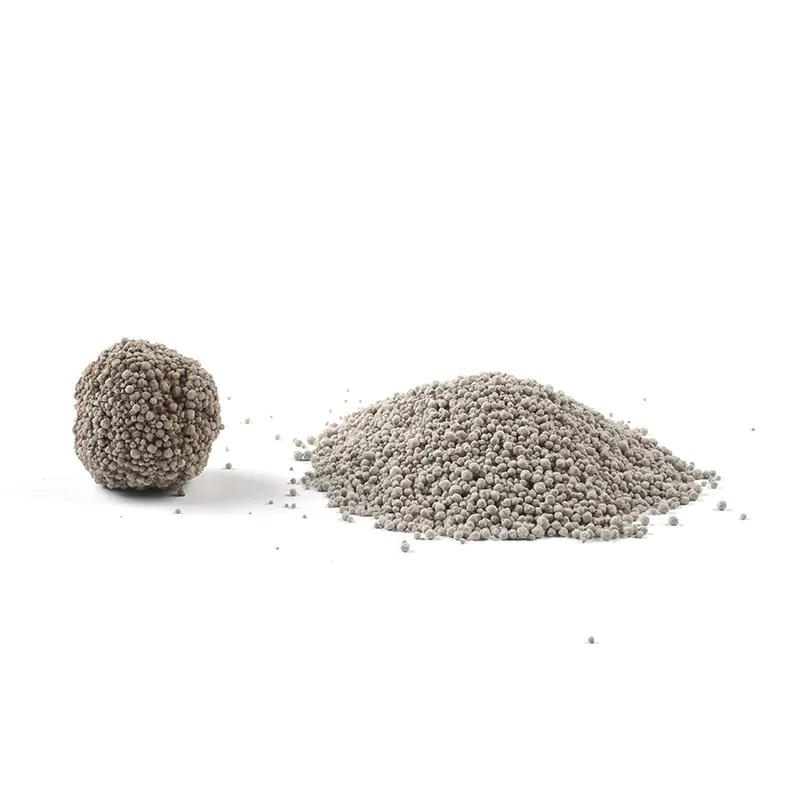
Bentonite Cat Litter


Got Questions? Call us 24/7

+8615263229311
No.88, Quandu Road, Xigang Town, Tengzhou City, Shandong, China. (Sincere Industrial Park)
OEM Cat Litter Manufacturers Bulk Cat Litter Wholesale Biodegradable Cat Litter Company



 English
 русский
 Español
 日本語
日本語 한국어
한국어


