
Industry News
Content
Two adult cats produce four to eight urine clumps and at least two bowel movements in 24 hours. If you are choosing a litter tray for 2 cats, that number settles the rest of the plan: how many trays you buy, how big they are, how deep the litter sits, and how often you scoop instead of topping up.
The most common mistake in a two-cat home is buying one oversized tray and calling the job done. Cats do not share a tray the way they share a water bowl. A tray is a limited resource in a shared territory, so one cat usually ends up waiting, holding urine, or urinating beside the box.
Two cats need at least three litter trays: one per cat, plus one spare.
That is the N+1 rule, and it is the quickest way to check any multi-cat setup. One cat needs two trays, two cats need three, and three cats need four. The spare tray exists because trays are a resource in shared territory: it gives the less confident cat somewhere to go without a confrontation at the entrance.
Spacing matters as much as the count. Two large trays in different rooms beat three trays lined up against one wall, because accidents usually happen at the tray entrance rather than at the tray count. Watch for the warning signs: one cat hovering while the other uses a box, urine sprayed on the wall beside it, or one tray always dirty while two stay clean. Those are territory problems, and a fourth tray in another room is a cheaper fix than treating a stress-related bladder issue.
A tray for two cats should be at least 1.5 times the length of your largest cat, measured from nose to the base of the tail, which is roughly 56 to 60 cm for a typical adult.
Depth is the number owners underestimate. A 3 cm layer lets urine reach the plastic, where it pools and turns into ammonia; a 7 to 8 cm layer lets the litter bind the liquid into a clump you can lift out in one piece. With two cats using a tray four to eight times a day, that difference shows up within 48 hours.
The best litter for two cats clumps fast, holds together when lifted, and keeps ammonia inside the clump. Material matters more than brand name.
| Material | Clumps | Tracking | Flushable | Best fit |
| Tofu plant fibre | Yes, firm | Low | Small amounts | Odor-sensitive homes |
| Mixed crystal and tofu | Yes | Low to moderate | Depends on blend | Clumping plus fast absorption |
| Bentonite clay | Yes, very hard | Moderate to high | No | Budget setups, hard clumps |
| Crystal silica gel | No, absorbs urine | Very low | No | Urine odor, solids lifted daily |
| Cassava | Yes, hard | Low | Small amounts | Low-dust households |
Blends that combine mineral crystal particles with plant fibre suit a double load, because the crystal fraction absorbs urine quickly while the fibre fraction forms a firm clump. This comparison of mixed cat litter and single-material litters covers clump strength and ammonia performance in more detail.
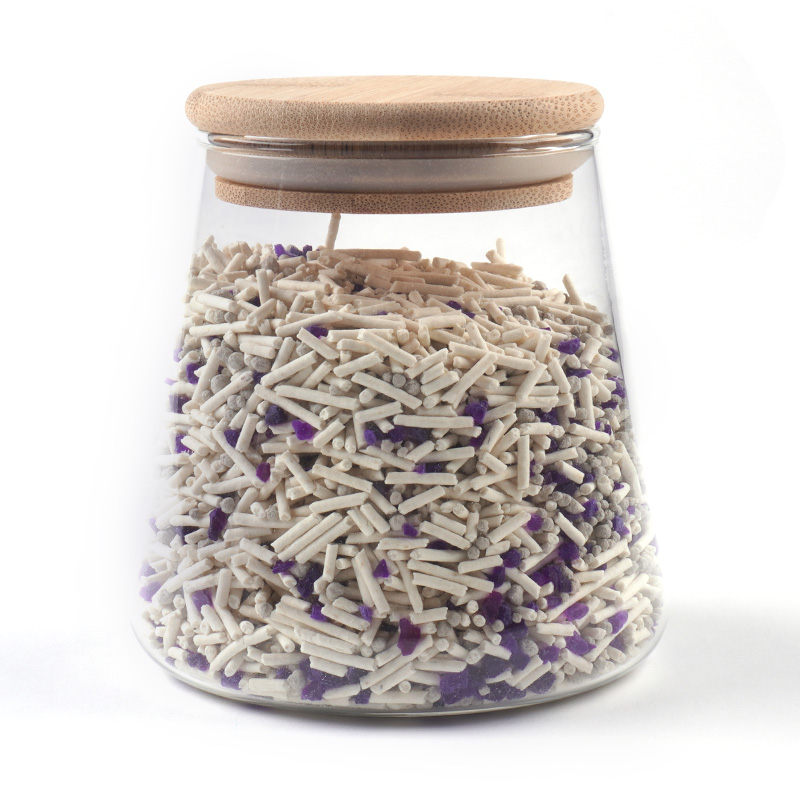 SGS Certified Mixed Cat Litter | Tofu Bentonite Crystal Blend Wholesale Supplier1.Scientific 4-in-1 Composite Blending Formula, Balanced All-Round Performance Optimized proportion of edible tofu, natural bentonite, nano mineral crystal and polymer...View Product →
Ammonia control in a two-cat home depends on scooping frequency first, litter depth second, and airflow third. Additives help, but they cannot rescue a tray that is scooped once a day.
A deodorising powder works as a supplement rather than a replacement. A plant-based additive that binds ammonia inside the litter bed helps most where two cats share trays and one of them produces strong urine.
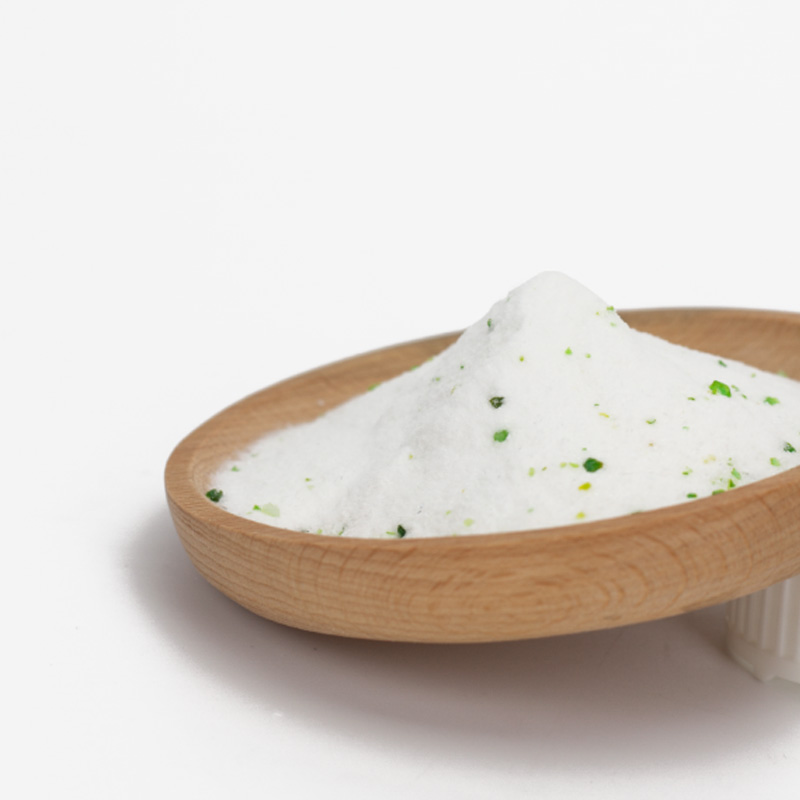 Premium Cat Litter Deodorizer Powder | Instant Odor Control,Long-Lasting Freshness·Way Odor Control Mechanism ·Cat-Safe Family-Friendly ·Litter Compatibility ·Moisture ManagementView Product →
A two-cat routine takes about four minutes a day plus one longer session a week. The order of the steps matters more than the time.
Remove clumps and solids from every tray, roughly 60 seconds per tray.
Repeat the pass. This catches what accumulated during the day.
Add litter back to 7 to 8 cm. Uneven depth is where tracking and sticking start.
Empty one tray at a time, wash with hot water and unscented soap, dry fully before refilling.
Replace the litter bed on schedule and replace the tray once deep scratches appear.
For heavy shared use, an activated-carbon tofu litter holds clumps firmer and stretches the interval between full changes.
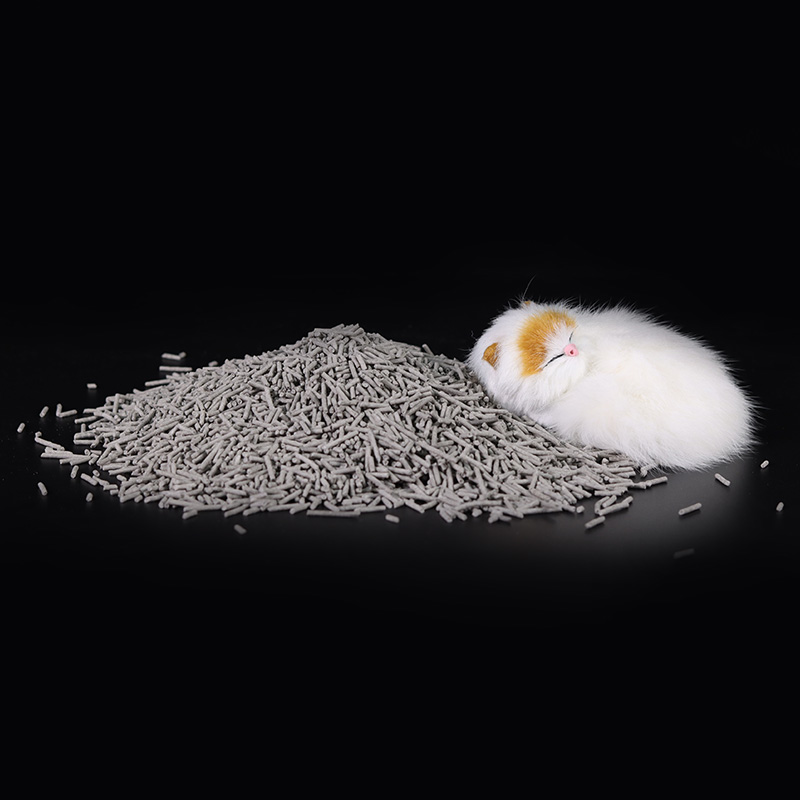 Ultra Absorbent , Antibacterial , Activated Carbon Tofu Cat LitterKey Features: 1. Pure Natural Ingredients: Made from pea fiber and corn starch, biodegradable, safe, and eco-friendly. 2. High Absorption, Quick Clumping: Absorbs up t...View Product →
Most litter tray complaints in two-cat households trace back to crowding or cleaning habits, not to the cats.
Setups that work
Setups that cause accidents
Buyers sourcing for catteries, shelters, or retail shelves usually move to bulk or private-label supply, where the specification matters more than the packaging.
Sincere Pet Products manufactures plant-based, silica, and mineral cat litter on a 200,000-tonne annual capacity line, with ISO and BSCI certification. The company's custom and OEM cat litter services cover granule size at 2.5 mm or 3.0 mm, scent profile, clump strength, dust limits, and retail packaging.
They can, and some pairs do it for years, but a single tray leaves no fallback when one cat is in the box, when a cat is stressed, or when illness changes the routine. If only one tray fits, choose the largest uncovered tray available, keep the litter at 8 cm, and scoop it twice a day.
Ideally yes. If that is not possible, place them as far apart as the same room allows and keep both out of corners, so neither cat has to pass another to reach a tray or leave one.
Crystal and non-clumping litters need a full change every week. Clumping tofu, cassava, bentonite, and mixed litters typically last two to four weeks when scooped twice a day and topped up. Replace the bed sooner if the tray still smells an hour after scooping or if clumps crumble when lifted.
Usually. A hood traps ammonia at nose level and turns a single entrance into a bottleneck. If you want the look of a covered box, use an open tray inside a large cabinet-style enclosure with two exits.
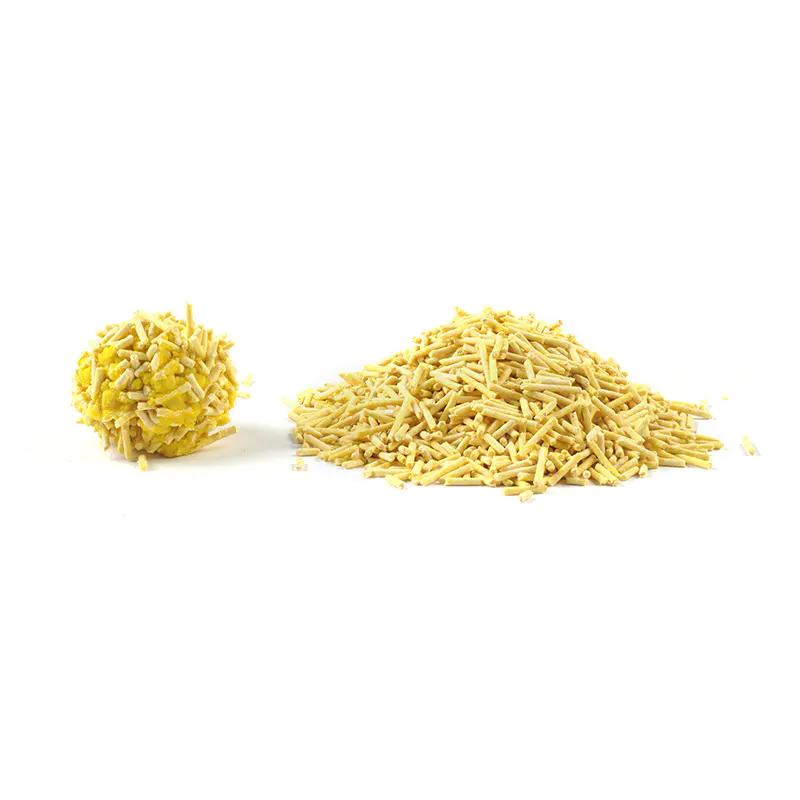
Tofu Cat Litter
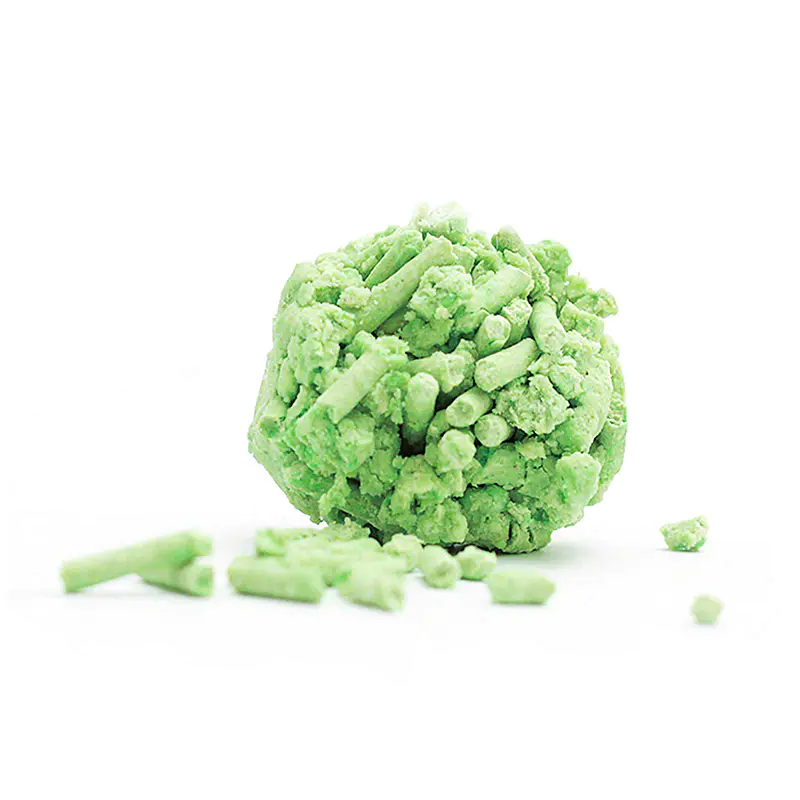
Tofu Cat Litter
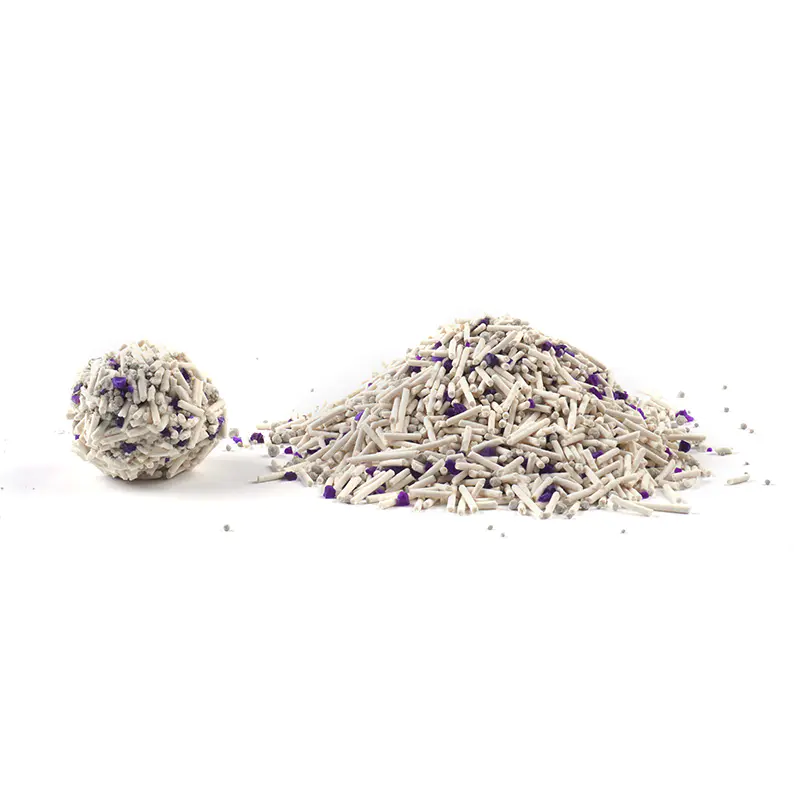
Mixed Cat Litter
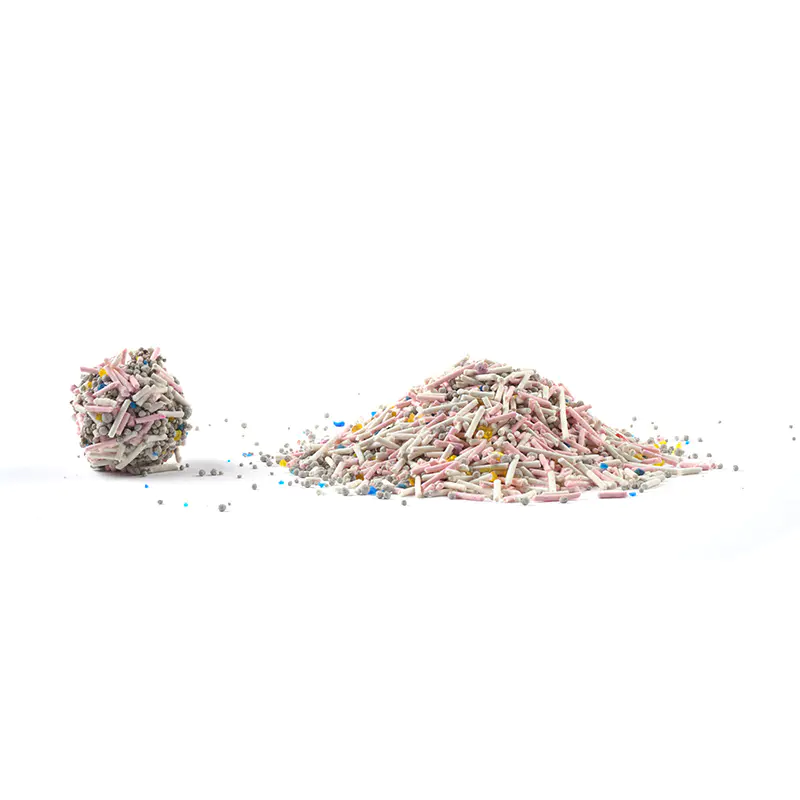
Mixed Cat Litter
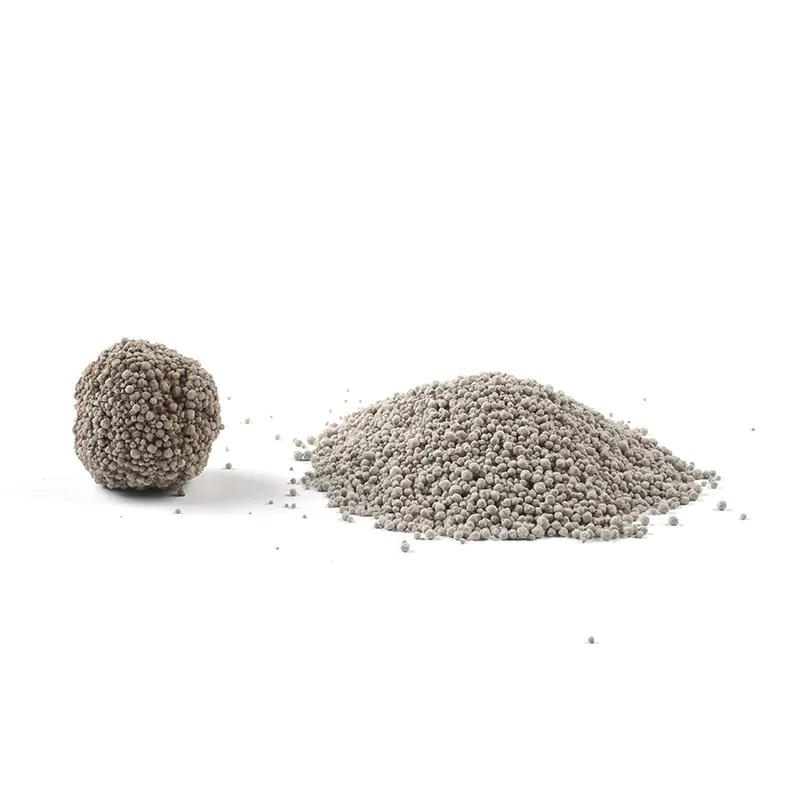
Bentonite Cat Litter


Got Questions? Call us 24/7

+8615263229311
No.88, Quandu Road, Xigang Town, Tengzhou City, Shandong, China. (Sincere Industrial Park)
OEM Cat Litter Manufacturers Bulk Cat Litter Wholesale Biodegradable Cat Litter Company



 English
 русский
 Español
 日本語
日本語 한국어
한국어


