
Industry News
Content
Plant-based tofu cat litter is mainly composed of food-grade plant materials such as pea fiber, soybean residue, and corn starch, and is formed through physical extrusion and supplemented with a small amount of food-grade binders (such as guar gum). Its "degradation" is not the traditional sense of spoilage, but rather manifests as three core issues: moisture absorption and powdering, structural collapse, and microbial growth.
The essence of powdering is the destruction of the physical structure: plant fibers have natural hydrophilicity. When the relative humidity of the environment exceeds 60%, the fiber molecular chains start to absorb water molecules in the air, causing internal stress imbalance in the particles and eventually transforming from hard particles to powder. This process can be shortened to 7-14 days during the summer rainy season.
• Conventional shelf life: 18-24 months (depending on the sealing quality of the packaging and whether preservatives are added)
• Key indicators: Moisture content should be controlled at ≤10% (refer to the national standard GB/T 31271-2014 "Cat Litter")
• Failure signals: Packaging bulging, odor generation, and obvious color change of the particles
• Recommended usage period: 4-6 weeks (for single-cat households)
• Performance degradation nodes:
• Week 2: Water absorption capacity decreases by approximately 15%
• Week 4: Dust rate may increase from <1% to over 5%
• After Week 6: Clumping strength significantly decreases, and it is prone to sticking to the bottom
Professional Tip: Shelf life does not equal usage period. Even if it has not expired, once opened and exposed to the air, it enters a "countdown". It is recommended to mark the opening date.
• Ideal humidity: Relative humidity ≤ 50%
• Simple monitoring: Place food-grade desiccant packets (silica gel or montmorillonite) in the sand storage container and replace them every two weeks
• Prohibited areas: Bathrooms, balconies, kitchens, and other areas with heavy moisture; avoid storing close to walls (wall moisture)
• Suitable temperature: 15-25℃ in a cool environment
• High-temperature risk: >30℃ will accelerate the oxidation of plant oils, causing a "rancid" taste and breeding mites
• Low-temperature precautions: Keep away from radiator in winter; continuous high-temperature baking will cause the particles to become brittle
• Original bag storage: Use a bag clip to seal the opening and expel the air inside the bag
• Re-packing strategy: For large-capacity packaging (such as 10L or more), it is recommended to repackage into opaque sealed containers (recommended food-grade PP material with a silicone seal ring)
• Prohibited actions: Using uncovered cardboard boxes, open containers, or simply tying the opening of ordinary plastic bags
• Ultraviolet rays can destroy the molecular structure of plant fibers, accelerating brittleness
• Choose opaque or dark-colored sand storage containers and avoid direct sunlight
• Off-ground storage: Use a shelf to keep the bottom ventilated and prevent ground moisture from entering
• Keep away from pollution sources: Maintain a distance of more than 1 meter from cleaning agents, cosmetics, and other volatile chemicals to avoid cross-contamination and chemical reactions
• Regular cleaning: Wipe the sand storage container with a dry cloth every month; do not fill sand immediately after washing without thorough drying
| Phenomenon | Cause | Disposal Suggestion |
| Fine powder at the bottom | Normal friction + moisture absorption | If the dust rate is <10%, it can be used after sieving for a short period |
| Particles become significantly softer and loose | Severe moisture absorption | Stop using immediately and replace with new sand |
| Mold spots or sour smell appear | Microbial contamination | Discard the entire batch and thoroughly disinfect the container |
| Color turns yellow or brown | Oil oxidation | Do not use; it may irritate the cat's respiratory tract |
1. Check the spray code: Select products with a production date within three months to avoid near-expiry inventory
2. Observe the packaging: Prioritize products with aluminum foil composite film + vacuum packaging, which have better barrier properties than ordinary PE bags
3. Inspect the particles: High-quality tofu sand should have uniform color, high hardness (not easily crushed by hand), and no strong artificial fragrance to mask the raw material odor
The "preservation" essence of plant-based tofu cat litter lies in controlling four major factors: water, oxygen, light and heat. As a pet product enterprise, it is recommended to provide an after-opening usage tracking card (for consumers to record the opening date) on the product page of the official website, and clearly mark the prompt "Please use up within 30 days after opening" on the packaging. This not only demonstrates professionalism but also shows responsibility for the health of pets.
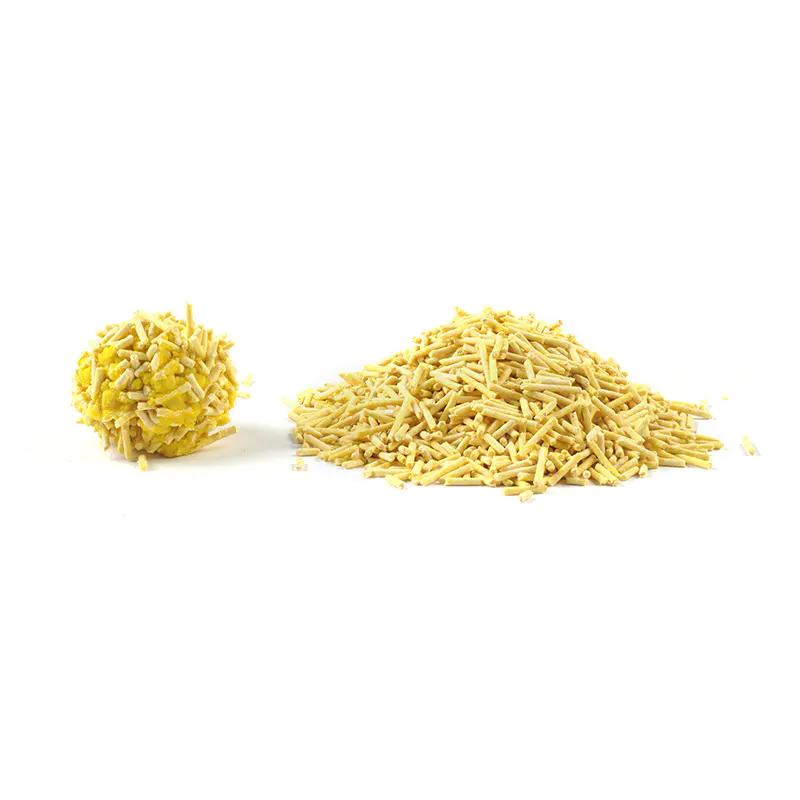
Tofu Cat Litter
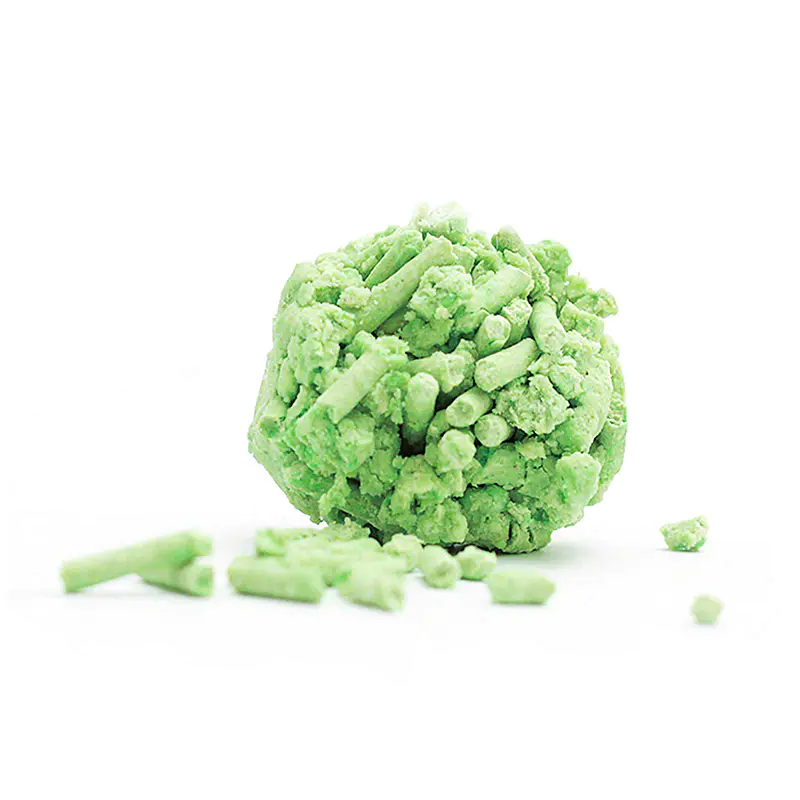
Tofu Cat Litter
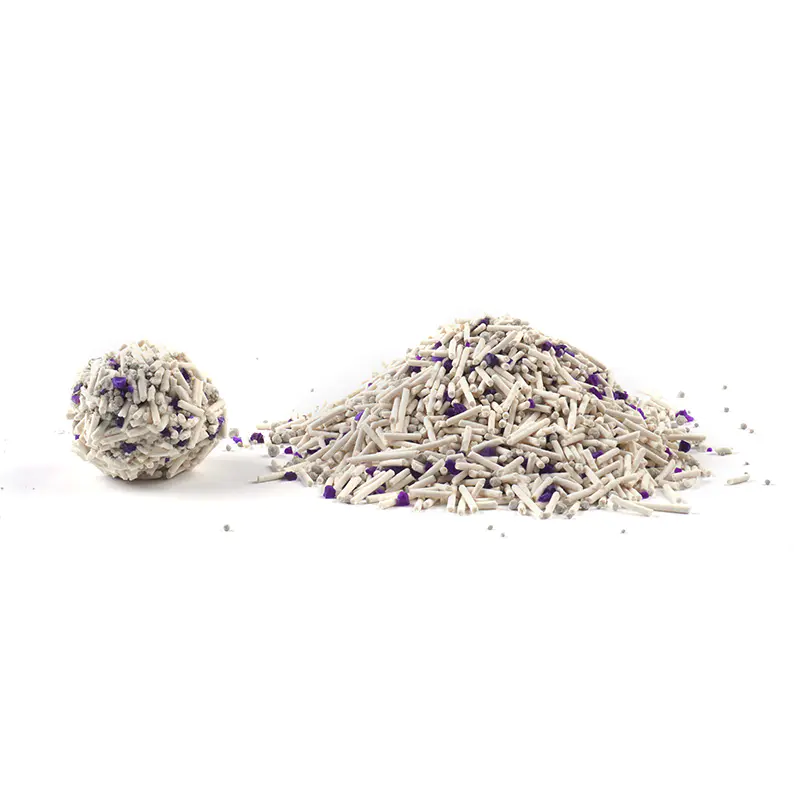
Mixed Cat Litter
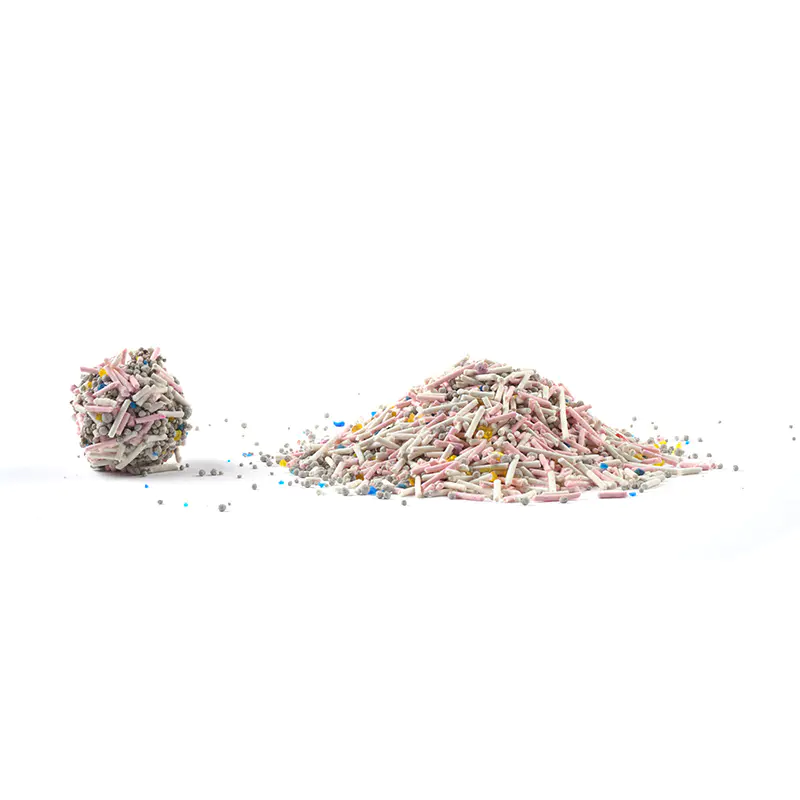
Mixed Cat Litter
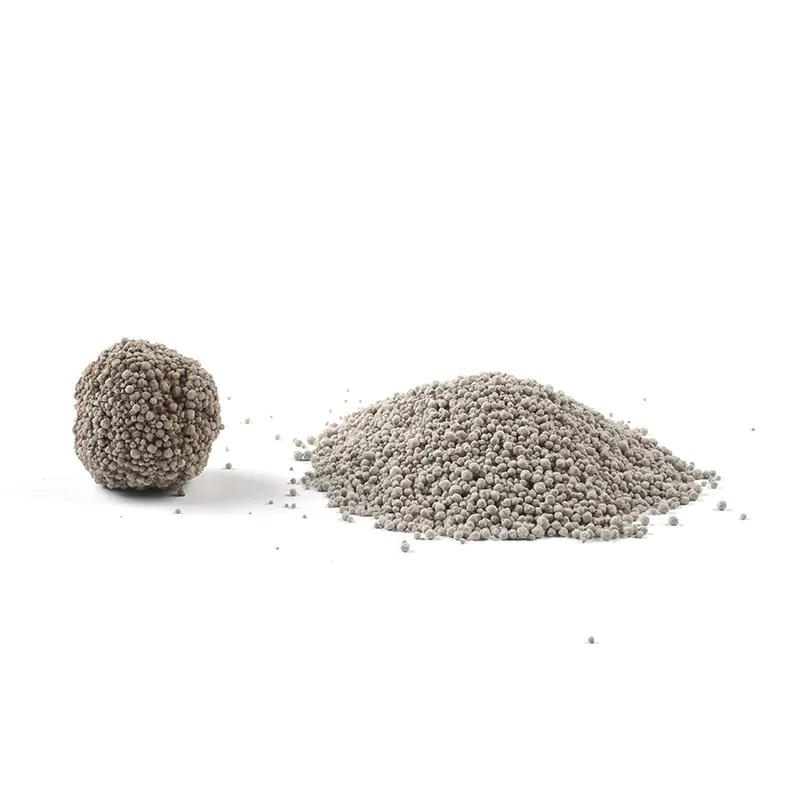
Bentonite Cat Litter


Got Questions? Call us 24/7

+8615263229311
No.88, Quandu Road, Xigang Town, Tengzhou City, Shandong, China. (Sincere Industrial Park)
OEM Cat Litter Manufacturers Bulk Cat Litter Wholesale Biodegradable Cat Litter Company



 English
 русский
 Español
 日本語
日本語 한국어
한국어


