
Industry News
Content
Mineral cat litter looks simple in a photo, but the bag can hide very different products. A sodium bentonite formula that forms a firm clump in seconds, a non-clumping clay that simply absorbs until saturated, and a zeolite-enriched blend designed for ammonia-heavy multi-cat households are all sold under the same “mineral” label. The raw material, particle size, and production control decide which one actually works.
Mineral cat litter is made from naturally occurring inorganic minerals. Most formulas use clay, usually bentonite; some add zeolite or other silicate minerals; and a separate segment of silica gel crystal litter is also mineral-derived. That is why the category covers more than one performance profile. We explain the material choices in our detailed mineral cat litter guide, but the key distinction is simple: a mineral label tells you the source, not the quality.
Bentonite is a clay mineral formed from volcanic ash. Sodium bentonite absorbs liquid into its molecular structure and expands, which makes it the standard choice for clumping litter. Calcium bentonite absorbs moisture differently and often behaves as a non-clumping or softly clumping material. Within those two families, grain size can range from fine, sand-like particles to 3–8 mm pebbles.
Zeolite has a porous structure that traps ammonia molecules, making it useful for odor control. Since zeolite alone is not an ideal litter base, it is normally blended with clumping clay. These blends are practical in households where urine odor builds up quickly.
Silica gel litter does not clump like bentonite. Instead, it absorbs urine inside the crystals, dries the surrounding material, and needs less frequent full replacement. It is a different use model, and buyers who expect solid clumps should not treat it as a direct substitute.
Four factors matter more than brand claims: clumping speed and strength, dust level, particle size, and how long odor control holds under daily use.
A reliable sodium bentonite litter forms a clump that can be scooped whole within 15–30 seconds. If the clump crumbles, the bentonite quality or the binder recipe is wrong. Weak clumps also leave residue on the bottom of the tray, making cleaning harder.
Mineral clay becomes dusty when the raw material is crushed and screened poorly. Fines settle on paws and tray rims and hang in the air when a cat digs. The solution is a specification with a clear fines threshold. The practical reasons are covered in our article on why dust-free cat litter matters, but the short version is that dust affects both human and cat comfort.
Fine particles feel soft under the paw and are popular with many cats, but they track more easily. Coarser particles track less but can be less comfortable for sensitive paws. There is no objective best size; the right choice depends on the home and the cat.
Mineral litter controls odor mainly by drying the waste. Clay absorbs moisture and removes the conditions that microbes need to reproduce, while zeolite adds physical ammonia trapping. Once the material is saturated, odor returns. Odor control is therefore a combination of formula, litter depth, and cleaning schedule.
The table below summarizes the practical differences among the most common mineral formats.
| Type | Clumping behavior | Dust control | Best use case |
|---|---|---|---|
| Sodium bentonite | Fast, firm clumps | Can be very low if fines are screened | Multi-cat households, automatic boxes, daily scooping |
| Calcium bentonite | Non-clumping or soft clumps | Moderate | Budget-conscious use, less frequent scooping, full tray changes |
| Zeolite-enriched blends | Usually clumping, varies by base | Moderate | Ammonia-heavy odors, multi-cat homes |
| Silica gel crystal | No true clump | Very low dust when coarse | Lower cleaning frequency, some cats dislike the texture |
Notice that dust and clumping are not fixed attributes. They are controlled at the production stage, which is why two bags labeled “mineral litter” can perform very differently.
For kittens or cats with known respiratory sensitivity, choose an unscented formula with a tested low-dust level. Extra fragrance does not replace cleaning; it only adds another smell to an already confined box.
Fast-clumping bentonite litters with a narrow grain size are usually the safest fit for automatic boxes. Oversized pellets or non-clumping materials can interfere with sensors and leave sticky deposits on the mechanism.
Higher traffic means more urine per day, so absorbency and odor control need to be upgraded. A zeolite-enriched mineral blend can help with ammonia, but the cleaning schedule must also shorten.
Clay minerals pick up moisture from humid air, which weakens clumping before the bag is even opened. In climates above 70% relative humidity, retail buyers should check moisture content and packaging quality. A moisture-resistant inner liner is not a luxury; it protects performance.
Mineral litter is popular in retail because it balances cost with performance. The typical risk is batch inconsistency: natural mineral deposits vary, and a supplier that does not test each production lot can deliver a noticeably different product. A responsible manufacturer shares clear specifications for grain size, dust, moisture, and clumping time.
That is where a manufacturing partner matters as much as the mineral source. Our OEM services start with a product specification, not just a bag design, so the finished litter can be reproduced consistently. For mineral-litter programs, our dedicated mineral cat litter uses controlled grain size and low-dust processing, and it can be packaged under your brand with defined performance targets.
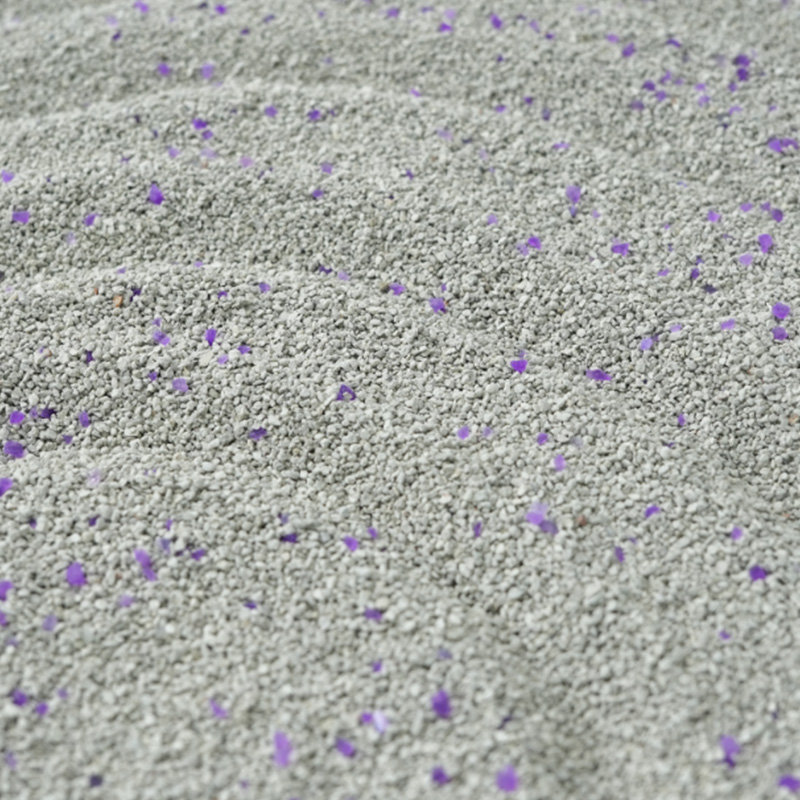 Natural Sodium Mineral Cat Litter Suppliers, Company - Sincere Pet Products Co.,Sincere: China Wholesale Natural Sodium Mineral Cat Litter Suppliers and Company, Custom Natural Sodium Mineral Cat Litter for sale, ·Nat...View Product →
Good litter performs only when used correctly.
Mineral cat litter is a practical choice, but only the right formula deserves a second purchase. Sodium bentonite for fast clumping, coarse particles for less tracking, low dust for sensitive households, and zeolite for ammonia-heavy boxes should be chosen deliberately. Buyers who understand these variables—rather than relying on the word “mineral”—get a product that truly works.
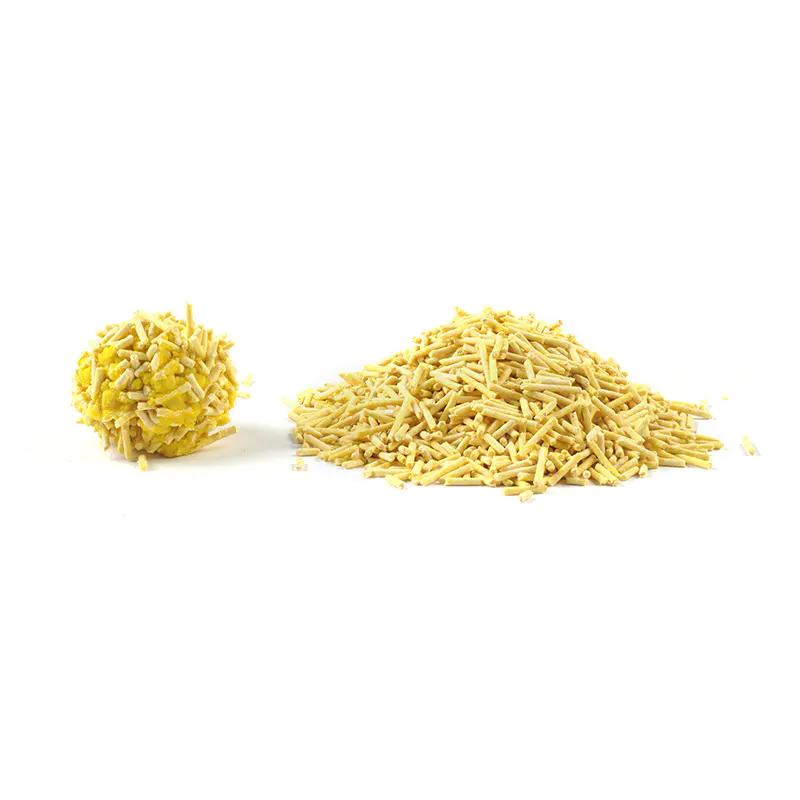
Tofu Cat Litter
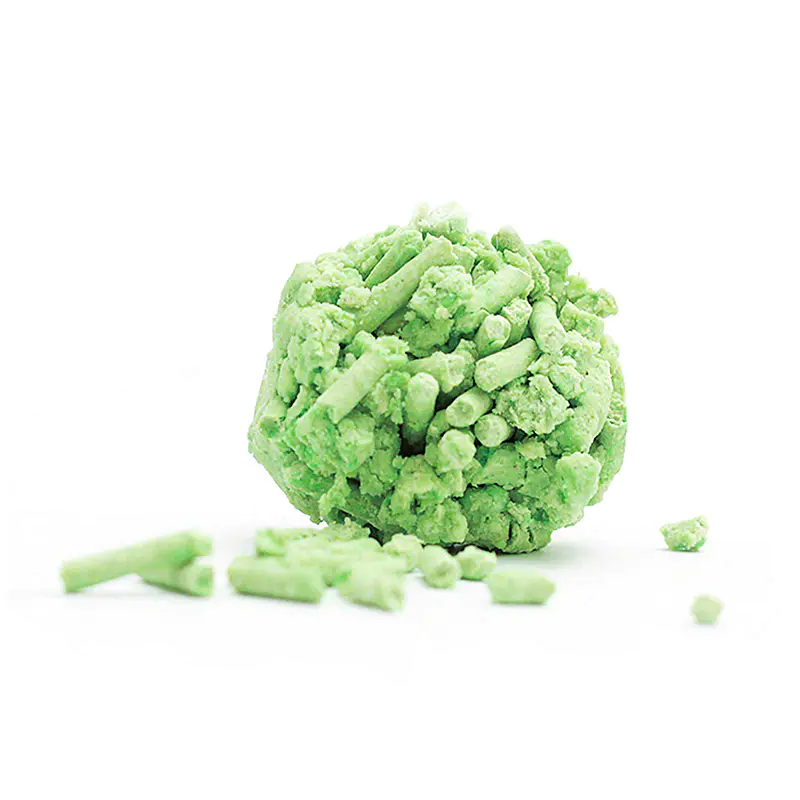
Tofu Cat Litter
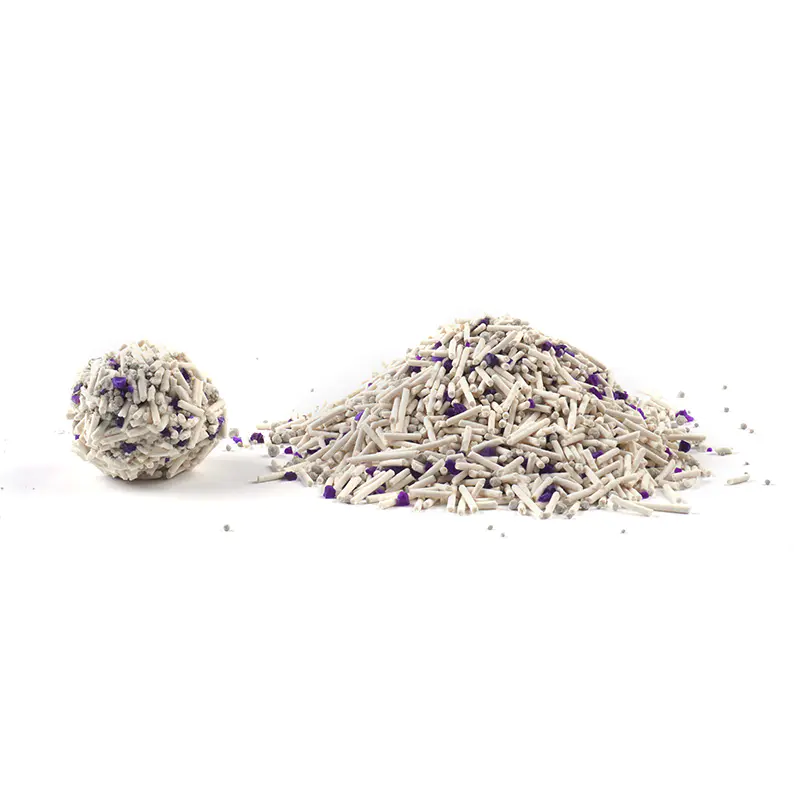
Mixed Cat Litter
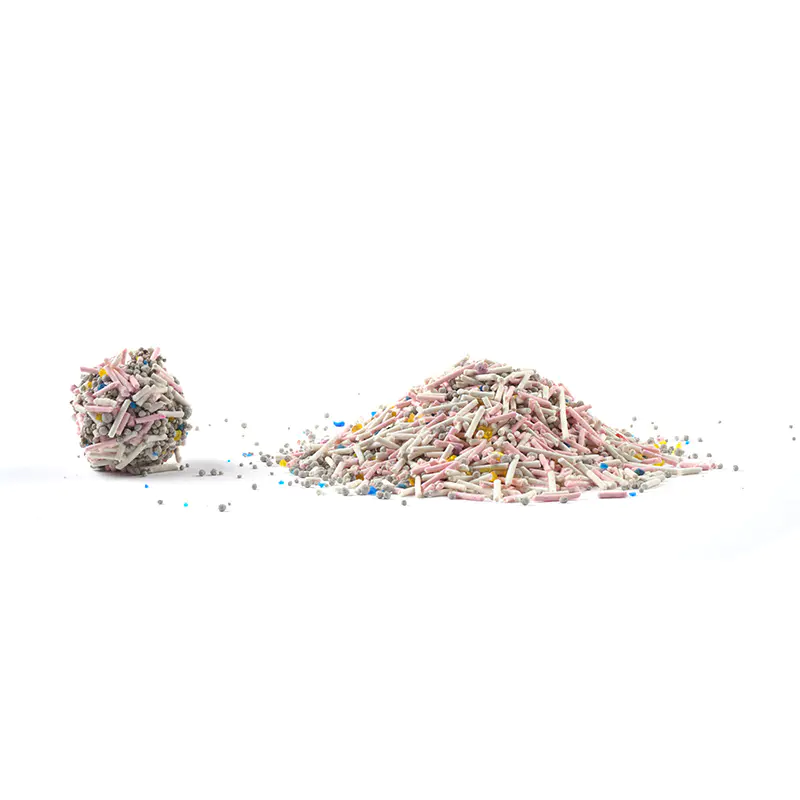
Mixed Cat Litter
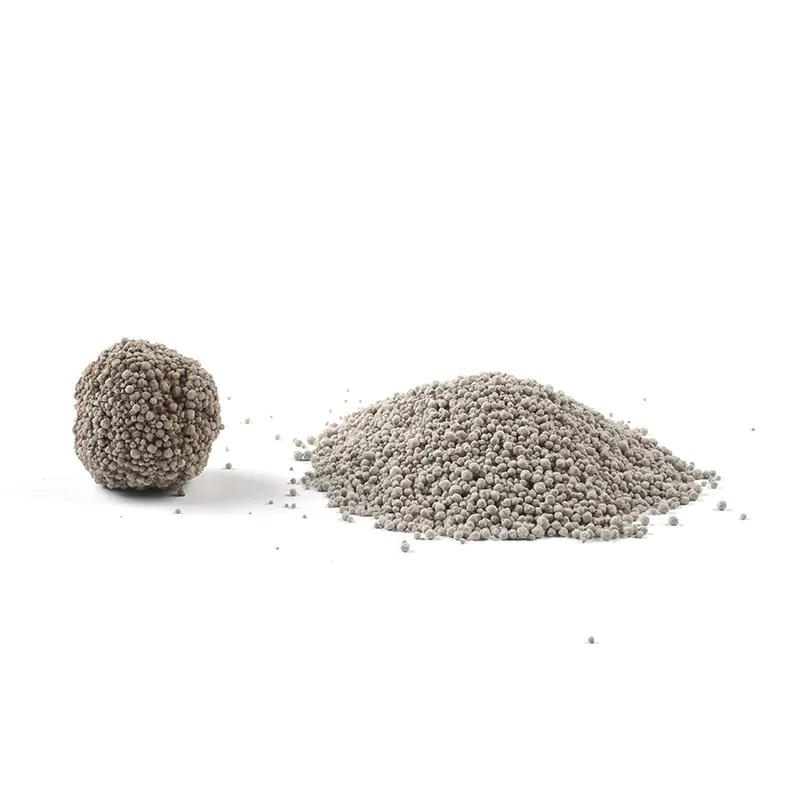
Bentonite Cat Litter


Got Questions? Call us 24/7

+8615263229311
No.88, Quandu Road, Xigang Town, Tengzhou City, Shandong, China. (Sincere Industrial Park)
OEM Cat Litter Manufacturers Bulk Cat Litter Wholesale Biodegradable Cat Litter Company



 English
 русский
 Español
 日本語
日本語 한국어
한국어


