
Industry News
Content
Crystal cat litter, made primarily from silica gel, offers a fundamentally different approach to waste management compared to traditional clay or plant-based litters. Its core advantage lies in instantaneous moisture absorption and dehydration. Instead of forming clumps, the porous granules trap urine, allowing the liquid component to evaporate while locking away ammonia molecules responsible for odor. This mechanism results in a litter box that stays dry on the surface, inhibits bacterial proliferation, and typically requires complete replacement far less often than clumping alternatives.
Understanding why crystal litter works requires a look at silica gel, a form of silicon dioxide. This is not a gel in the traditional sense but a porous, granular solid. Each tiny bead contains millions of microscopic pores that create an immense internal surface area. When urine contacts the crystals, capillary action draws the liquid deep inside these pores. The water then evaporates into the air, a process that naturally cools the environment but, crucially, leaves the dissolved solid waste trapped within the crystal matrix.
This process is physical adsorption, not chemical absorption. The structure of the crystal does not swell or change form. A controlled study simulating feline urine contact showed that premium silica litter can adsorb up to 40 times its weight in moisture before reaching surface saturation. This explains why a shallow layer of crystals often outperforms a much deeper bed of bentonite clay in longevity.
Evaluations of crystal litter often focus on three practical metrics. Data from independent material testing labs provides clarity on how silica compares to standard alternatives under identical conditions of humidity and ammonia exposure.
| Performance Metric | Silica Crystal Litter | Clumping Clay Litter | Natural Pine Litter |
|---|---|---|---|
| Moisture Saturation Point | High (evaporation dependent) | Moderate (sorptive clumping) | Low (disintegration occurs) |
| Ammonia Reduction (24h) | 95%-99% (trapped internally) | 70%-85% (surface masking) | 60%-80% (dependent on enzyme action) |
| Average Usable Lifespan | 20-30 days for one cat | 5-7 days (if unsoiled clay remains) | 7-10 days (before breakdown) |
The most significant delta is in ammonia control. Rather than covering the smell, the tight pore structure of silica physically contains the urea breakdown process, preventing gaseous ammonia from escaping into the room. This is why a box with crystal litter typically smells only of stale air, not harsh urine, even after extended use.
Getting the full 30-day life from crystal litter depends entirely on proper setup and daily maintenance. A common mistake is overfilling. The litter bed should be no deeper than 1.5 to 2 inches. Excessive depth wastes product and does not improve performance, as effective evaporation relies on air circulation reaching the saturated granules at the bottom.
The maintenance routine is straightforward but non-negotiable:
The texture of crystal litter is unique—it consists of irregular, firm granules that can feel sharp to some cats, particularly declawed individuals or those with sensitive pads. A transition process is vital. Start by placing a thin layer of crystals under the existing litter. If a cat is hesitant, the litter can be tested by how it compresses: a gentle press on the surface reveals that high-quality crystals will settle slightly without producing sharp edges, unlike some low-quality versions with jagged fractures.
Crystalline silica dust is a valid concern, as inhaling fine particulate matter is associated with respiratory issues in both humans and felines. However, most modern crystal litters are made from amorphous silica gel, not crystalline silica. Amorphous silica is classified as a non-hazardous, non-carcinogenic substance. A dust test is simple: pour the litter from waist height into the box in a sunlit room. A high-dust product will create a visible airborne cloud. Premium, properly processed silica beads will fall with minimal to no visible dust plume.
Crystal litter is not biodegradable, as it is a mineral-based material derived from sand. Its environmental profile is mixed. The raw material is abundant and non-toxic, and its long life cycle means one bag replaces several bags of clay litter, drastically reducing the total mass sent to landfills. A single 8-pound bag of crystals can replace approximately 40 to 50 pounds of clumping clay over the same period, a significant reduction in physical waste generation and the fuel used in transport.
For households using automated, self-cleaning litter boxes, crystal litter presents a specific dynamic. Lightweight crystals are often compatible with the sifting mechanisms of these devices, but the litter's primary function—dehydration—can conflict with the raking system. If a clump of urine-soaked crystals becomes a pasty mass before drying, it can adhere to the rake mechanism. The best crystals for robotic boxes are those with larger, uniform granule sizes that allow immediate fluid dispersion and prevent pasting. Testing with a small batch first is always the recommended procedure to avoid motor strain.
A sudden change to crystal litter can result in house soiling. The optimal strategy is a phased introduction over two weeks.
The value of crystal cat litter is highly specific to the user's priorities. It excels in moisture control and odor containment over an extended timeline, making it a compelling choice for single-cat households, small living spaces, and owners who prioritize a dry litter box surface. The trade-offs are its higher per-bag upfront cost, non-biodegradable nature, and the potential for texture aversion by the cat. The central analytic conclusion is clear: if the primary goal is unmatched ammonia suppression and a drastically reduced scooping schedule for urine, and the cat accepts the substrate, silica crystal litter performs its function more efficiently than any other singular litter material on the market.
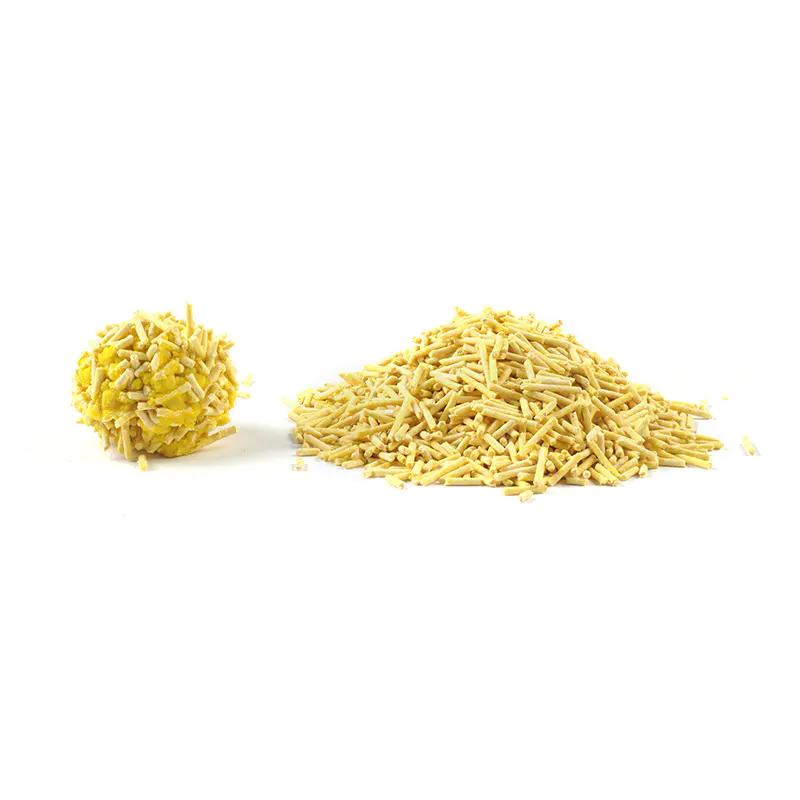
Tofu Cat Litter
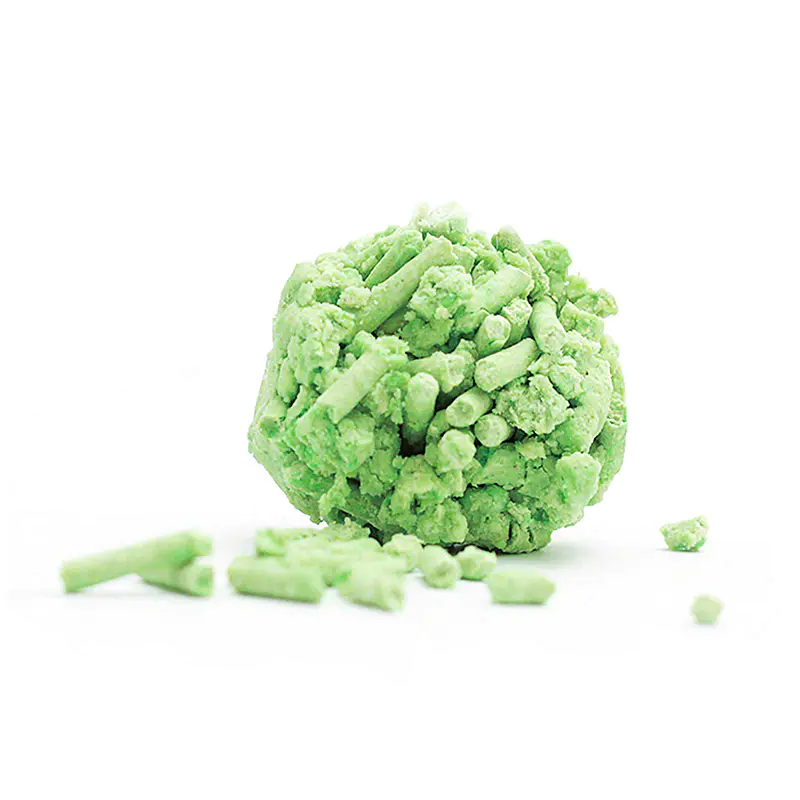
Tofu Cat Litter
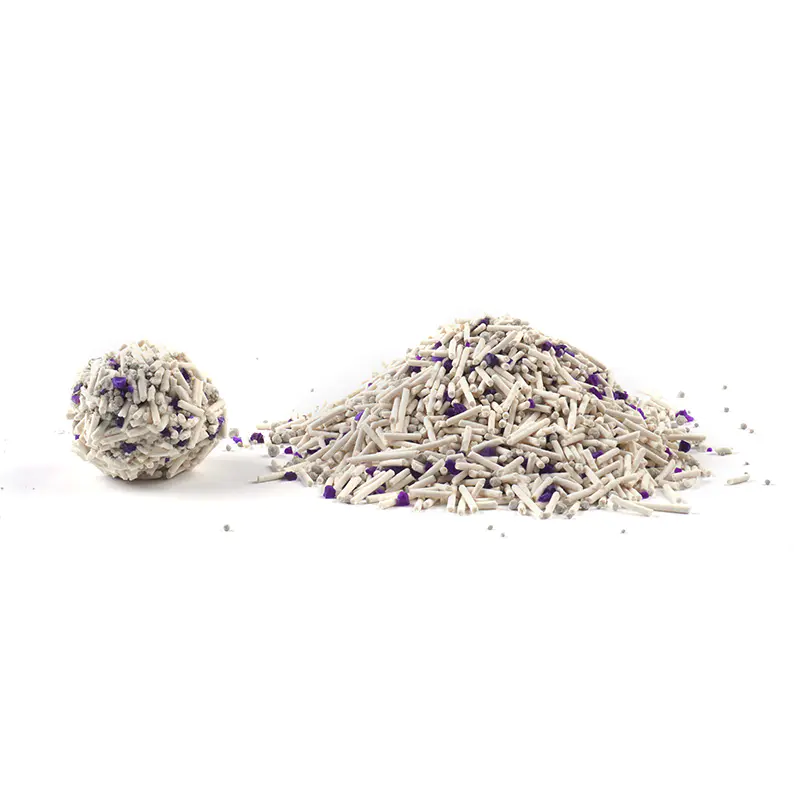
Mixed Cat Litter
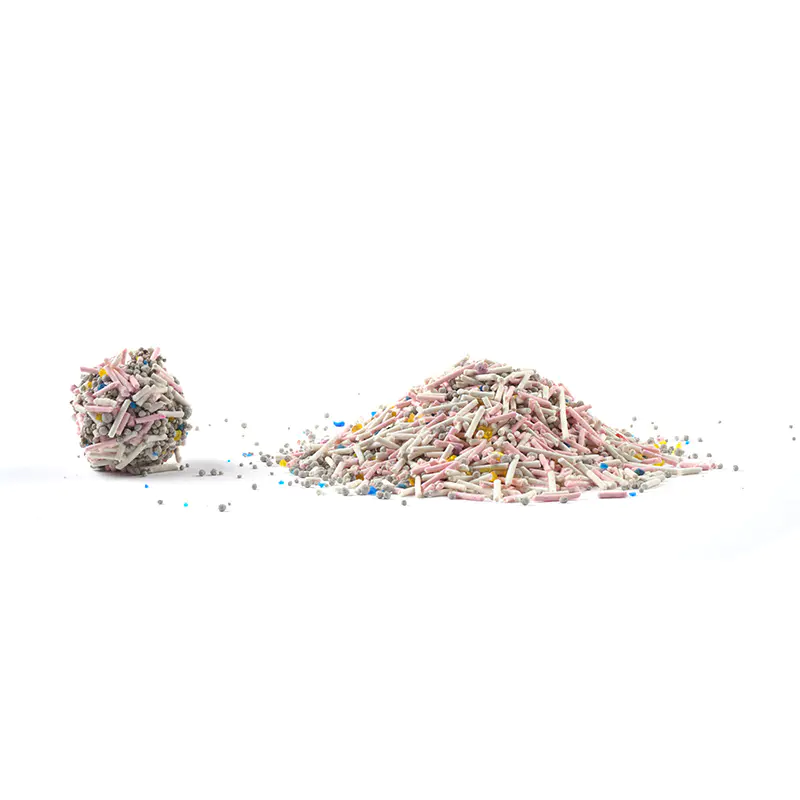
Mixed Cat Litter
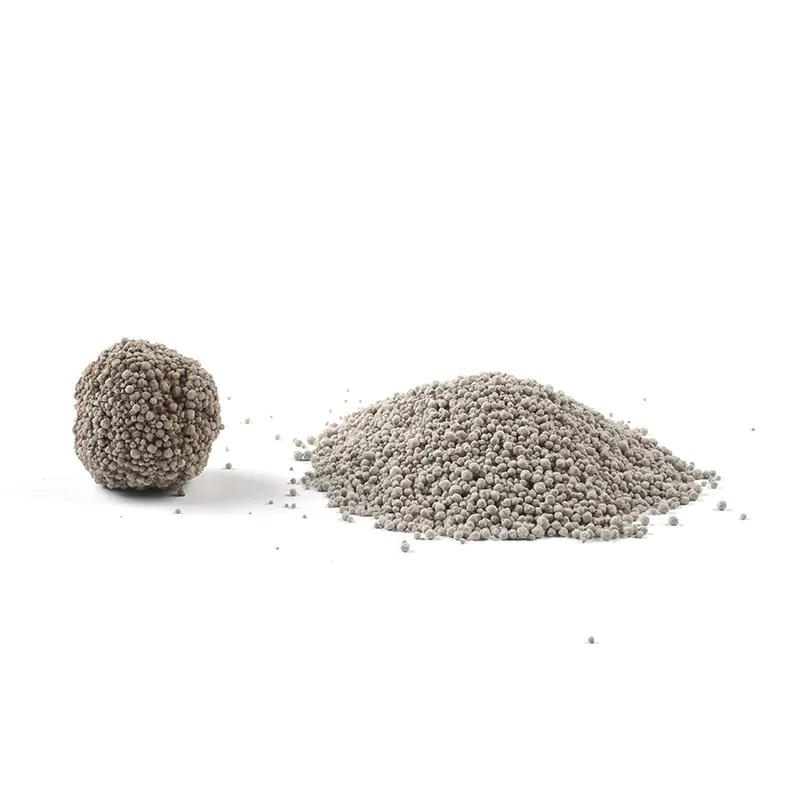
Bentonite Cat Litter


Got Questions? Call us 24/7

+8615263229311
No.88, Quandu Road, Xigang Town, Tengzhou City, Shandong, China. (Sincere Industrial Park)
OEM Cat Litter Manufacturers Bulk Cat Litter Wholesale Biodegradable Cat Litter Company



 English
 русский
 Español
 日本語
日本語 한국어
한국어


