
Industry News
Content
Most cat litter is just minerals doing chemistry. Bentonite does it better than almost anything else — and understanding why helps you use it smarter.
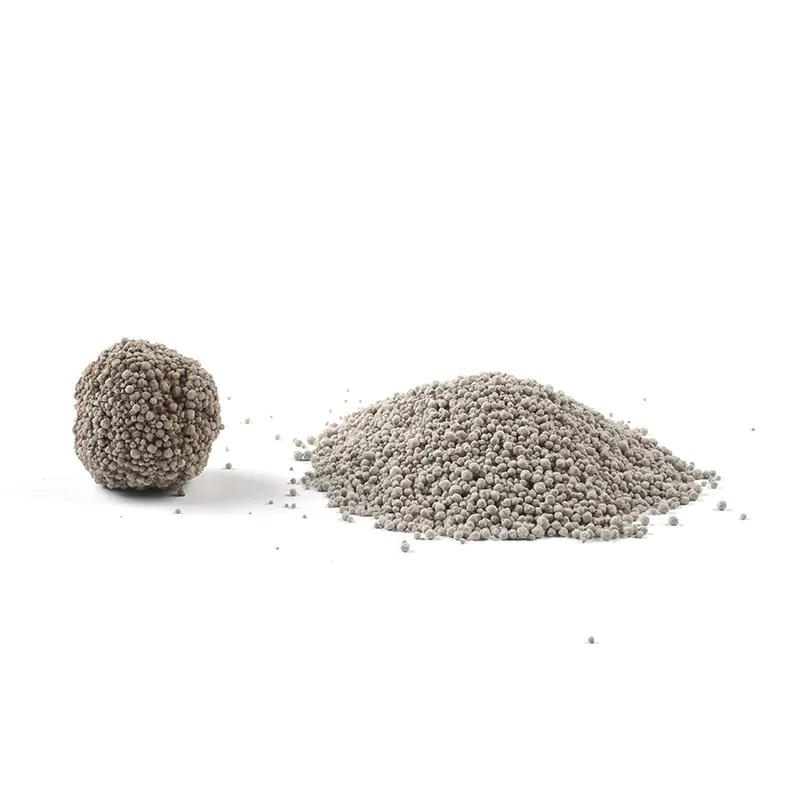
Bentonite is a clay formed from volcanic ash that settled and weathered over millions of years. Its core mineral, montmorillonite, gives bentonite its extraordinary absorbency and swelling power. For cat litter, one type matters most: sodium bentonite, which can expand up to 15–20 times its dry volume when wet. That expansion is what creates those firm, scoopable clumps you pull out of the box every day.
Picture a bentonite granule as a tiny stack of microscopic plates. When urine hits those plates, water molecules slide between them, pushing the layers apart and causing the granule to swell outward. Millions of granules swell simultaneously, locking together into a dense, hard mass — a clump.
The clump forms within 1–3 minutes. For a clean scoop, wait about 10 minutes so the core fully solidifies. Rush it, and the edges crumble. That frustration isn't the litter failing — it's physics being interrupted.
Bentonite's speed of urine absorption is one of its defining strengths. The clay typically absorbs 3–5 times its own weight in liquid, keeping the surface dry under paw almost immediately after use. That dry surface matters: cats are far more likely to use a box consistently when it doesn't feel damp or sticky underfoot.
Not all bentonite clumps are equal. Three factors determine whether you get a solid lift or a crumbling mess:
If clumps keep breaking on the scoop despite correct depth and wait time, the issue is usually litter quality — not technique.
Bentonite doesn't merely soak up urine. It chemically traps odor compounds through ion exchange — the clay's crystal structure swaps certain ions for ammonium ions in urine, pulling ammonia out of the air and binding it inside the clay. This is why a freshly scooped bentonite box smells genuinely clean rather than just masked.
Cat urine breaks down into ammonia within hours. The faster that ammonia binds into the clay matrix, the less it escapes into the room. Daily scooping removes the source before ammonia levels build. Many high-performance bentonite cat litters enhance this with activated carbon or baking soda additives — useful in multi-cat homes, but the clay itself handles a substantial share of the work.
Bentonite's one real weakness is dust. Fine clay particles become airborne when you pour or stir the litter, and both cats and owners with sensitive airways notice it. A few practical steps reduce exposure significantly:
More guidance on reducing dust exposure from bentonite litter can help households with kittens or cats prone to respiratory sensitivity.
Clumping litter works by a process of subtraction — you remove only the soiled portion, and the remaining clean litter stays usable. That efficiency depends on consistent habits:
Bentonite produces roughly 30% less total waste than non-clumping litter because you replace the entire box far less often — a practical cost advantage that compounds over months.
Bentonite works well for most adult cats but has two situations worth knowing. Kittens under 12 weeks sometimes ingest litter out of curiosity; because sodium bentonite swells so aggressively when wet, ingestion in significant amounts can cause digestive problems. For young kittens, a plant-based or non-clumping litter is safer until the habit passes.
Disposal is also worth noting: never flush bentonite litter. The same swelling power that creates clean clumps in the box creates cement-like blockages in pipes. Bag and bin it instead. For households that want something flushable or lighter to carry, mixed litter blends combining bentonite with plant-based materials offer a middle ground — retaining much of the clumping performance while adding biodegradable convenience.
The chemistry is already working for you. What determines whether bentonite performs brilliantly or just adequately is mostly depth, timing, and consistency. Keep 6–8 cm in the box, wait for clumps to fully set before scooping, and top up frequently. Do that, and bentonite cat litter delivers on every promise — tight clumps, genuine odor control, and a box that stays clean between full changes.
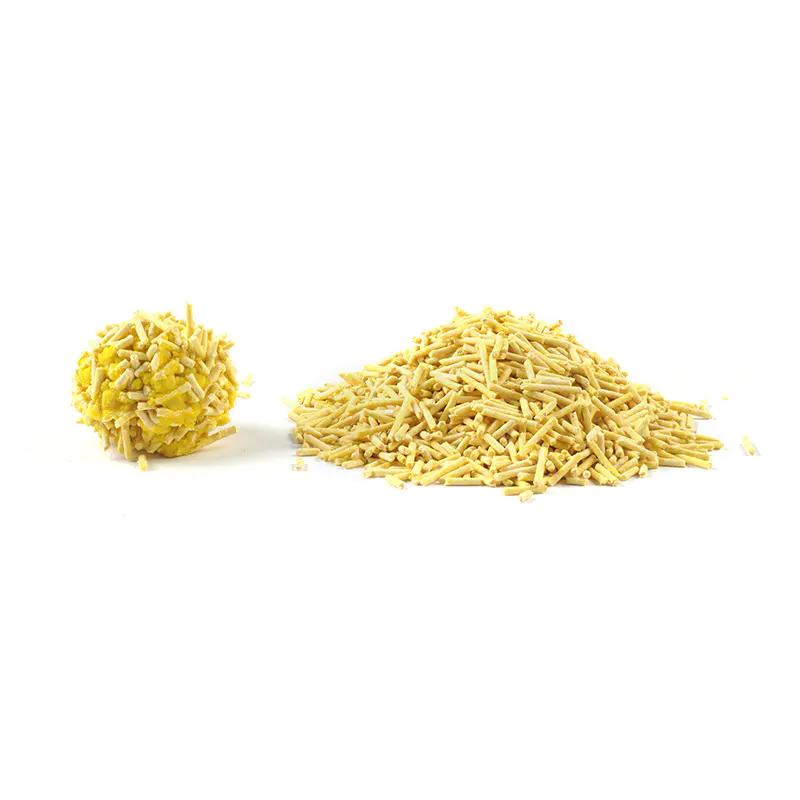
Tofu Cat Litter
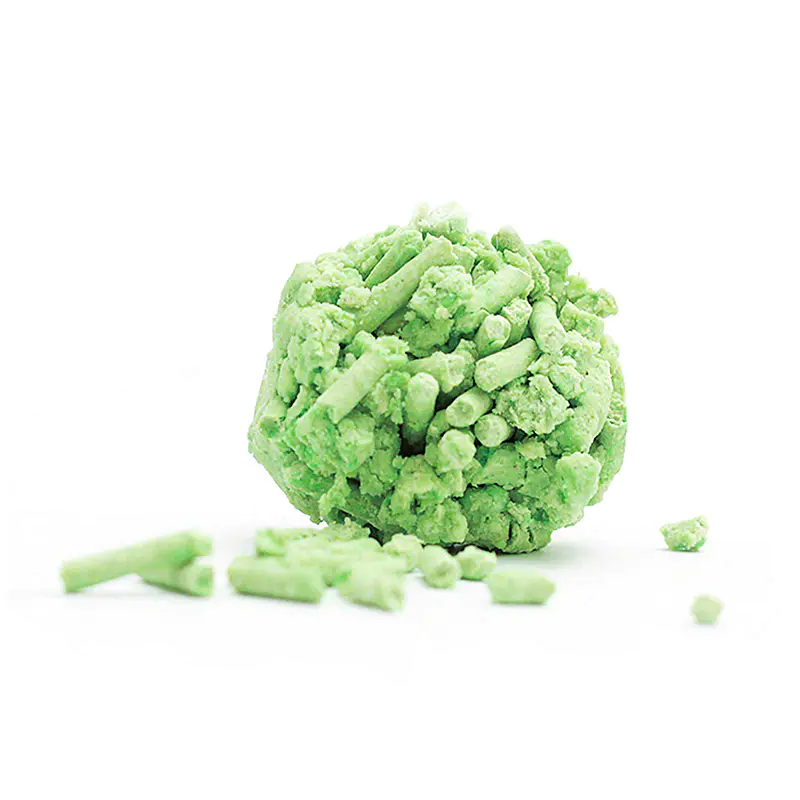
Tofu Cat Litter
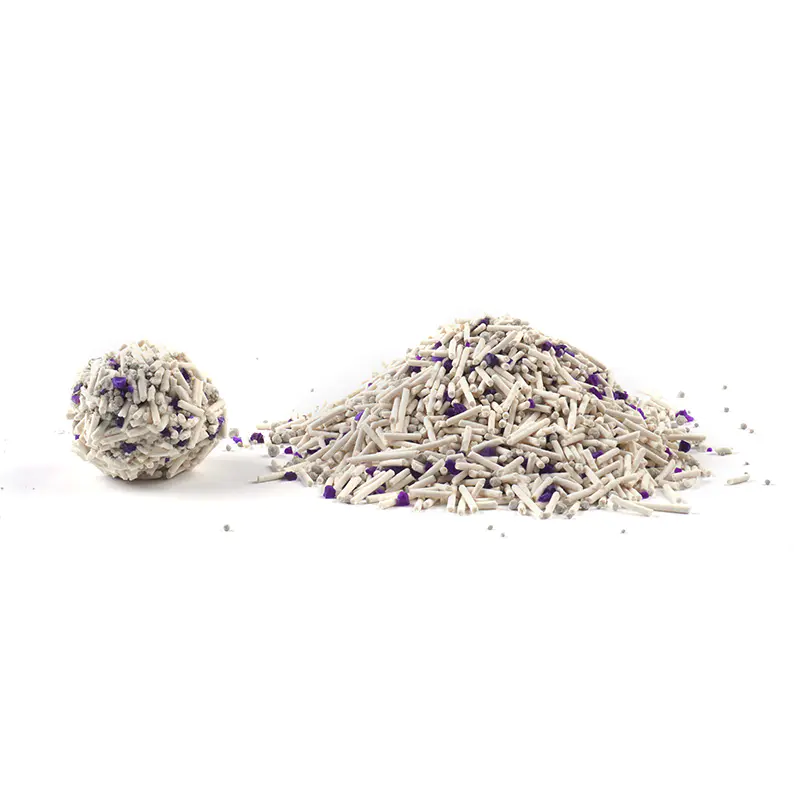
Mixed Cat Litter
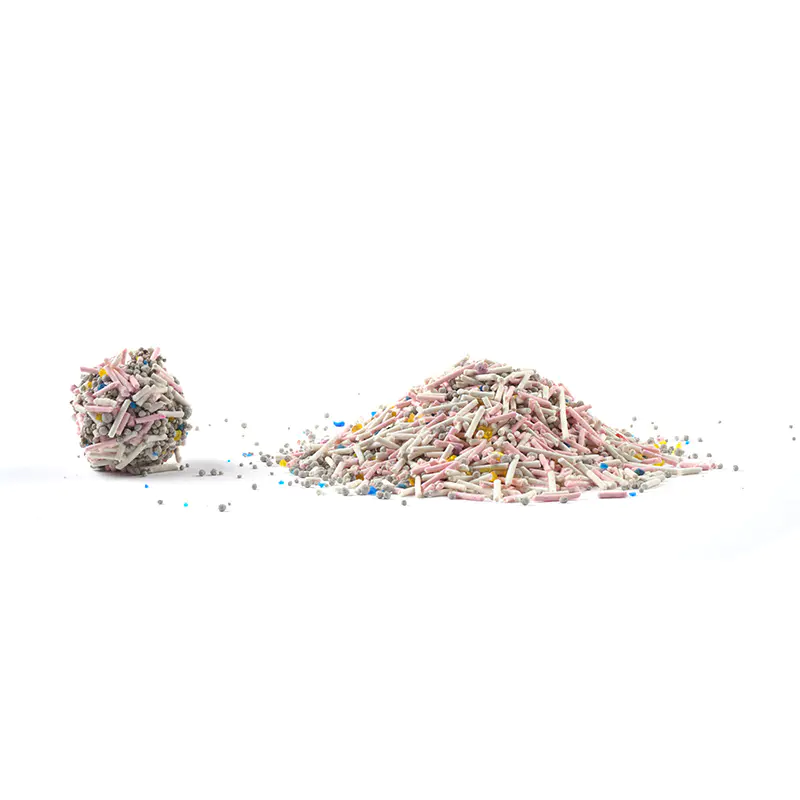
Mixed Cat Litter
Bentonite Cat Litter


Got Questions? Call us 24/7

+8615263229311
No.88, Quandu Road, Xigang Town, Tengzhou City, Shandong, China. (Sincere Industrial Park)
OEM Cat Litter Manufacturers Bulk Cat Litter Wholesale Biodegradable Cat Litter Company



 English
 русский
 Español
 日本語
日本語 한국어
한국어


