
Industry News
Content
If you have been using clay cat litter for years, you are not alone — it has been the default choice for decades. But in 2026, a growing body of research and shifting consumer habits are raising an important question: Is clay cat litter actually safe for your cat?
The short answer: traditional clay litter carries real risks that many pet parents do not know about. The good news? There is a safer, more sustainable alternative that is already winning over millions of cat owners worldwide.
Silica Dust and Respiratory Health
Clay cat litter is made from sodium bentonite, a naturally occurring clay that is strip-mined from the earth. When your cat digs or you pour fresh litter, it releases fine silica dust particles into the air. According to veterinary sources, prolonged exposure to crystalline silica dust can irritate the respiratory tract of both cats and humans — particularly concerning for households with allergies, asthma, or young children.
A 2024 study found that indoor cats using clay litter showed elevated markers of respiratory stress compared to those using dust-free plant-based alternatives. While the research is ongoing, the trend is clear: less dust means healthier lungs.
Ingestion Risk
Cats groom themselves constantly. If they step out of the litter box with clay particles stuck to their paws, they will ingest that material while cleaning themselves. Bentonite clay expands when wet — that is how it clumps — but that same expansion property can cause digestive issues if consumed in significant amounts. While rare, cases of intestinal blockages linked to clay litter ingestion have been documented by veterinarians.
Environmental Impact
Clay litter is not biodegradable. The mining process destroys landscapes, and used clay litter sits in landfills for centuries. With over 600 million tons of cat litter used globally each year, the environmental footprint is staggering.
Veterinary recommendations are shifting. Dr. Elsey and other vet-recommended brands now command 20 to 30 percent price premiums for litters validated for allergen reduction and post-surgical safety. More vets are specifically recommending non-clumping or low-dust litters for cats recovering from surgery to prevent wound contamination — and plant-based options are topping the list.
Why Plant-Based Litter Wins
Pro tip: Cats are creatures of habit. If your cat is particularly picky, try a cassava-based litter first — its sand-like texture is the closest match to clay, making the switch easier.
Clay litter is not the safest choice for your cat — or the planet. Plant-based alternatives like tofu and cassava litter deliver the same (or better) performance without the health and environmental risks. At Sincere Pet Products, we have been manufacturing eco-friendly plant-based cat litters since 1993, with an annual capacity of 100,000 tons. Our ISO-certified, BSCI-audited facilities ensure every bag meets the highest quality standards.
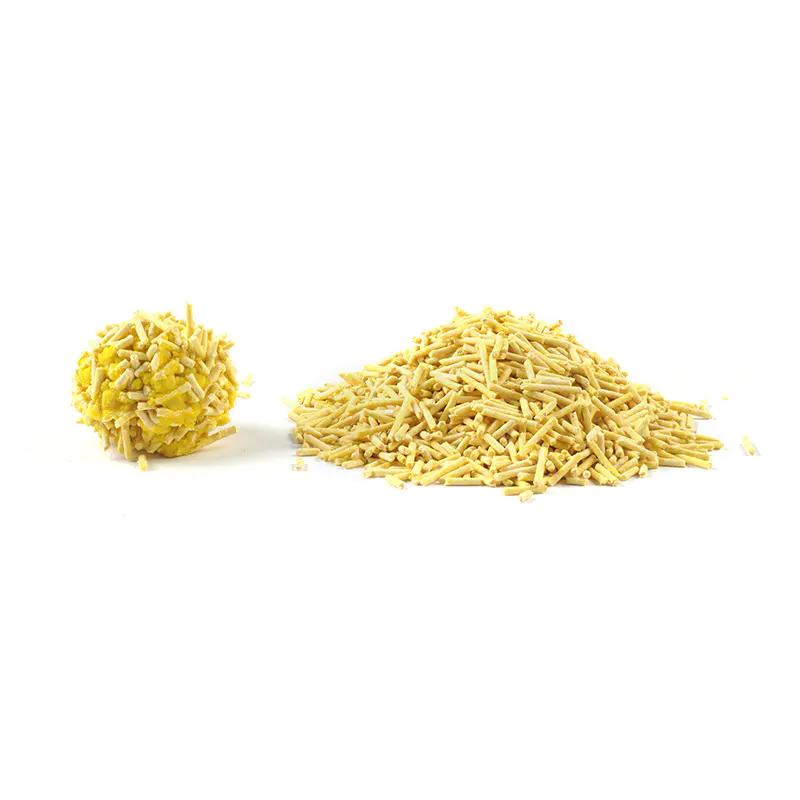
Tofu Cat Litter
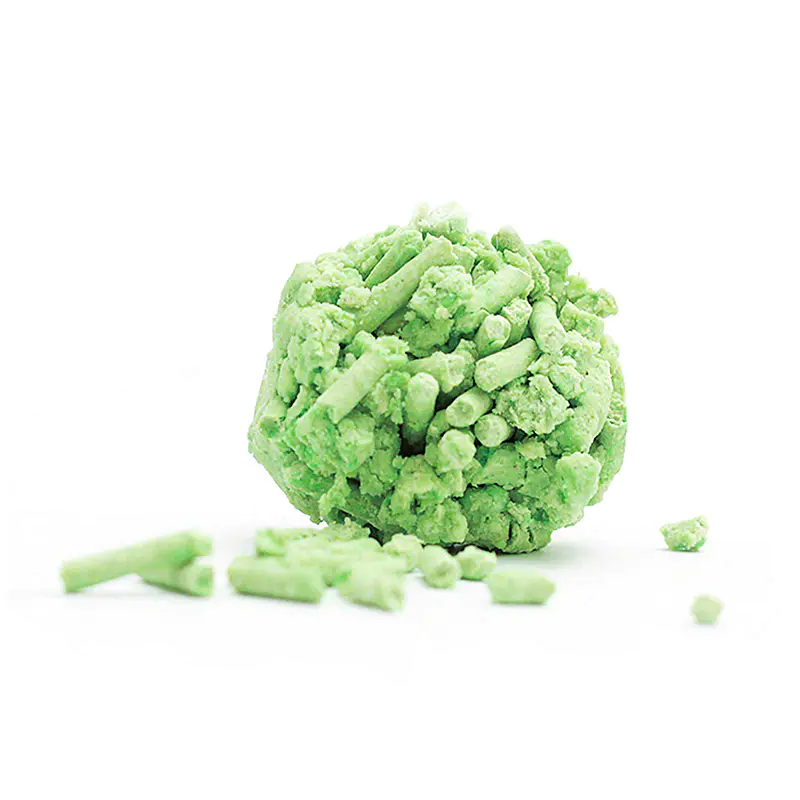
Tofu Cat Litter
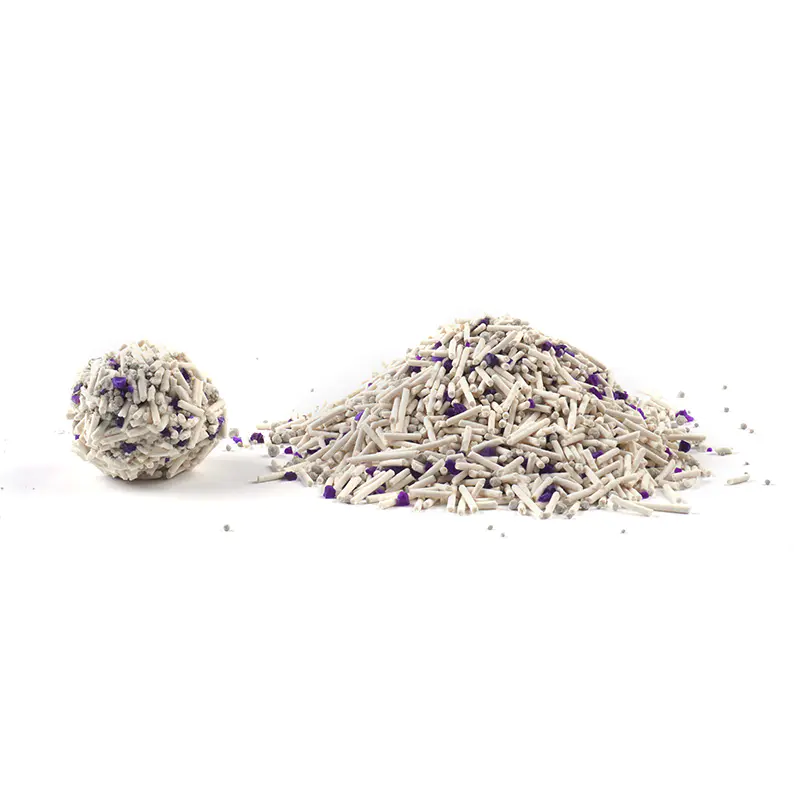
Mixed Cat Litter
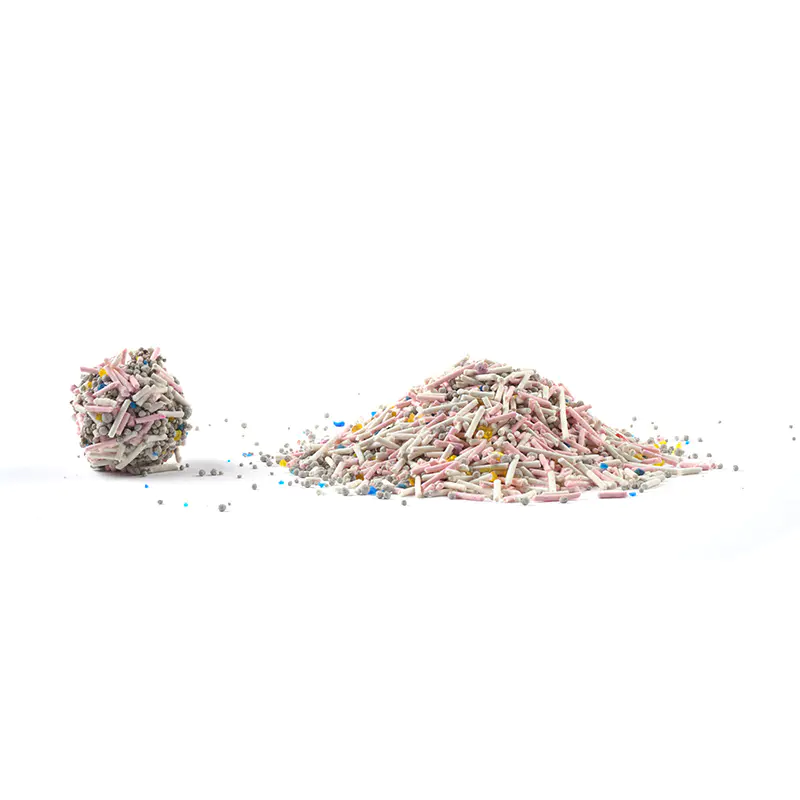
Mixed Cat Litter
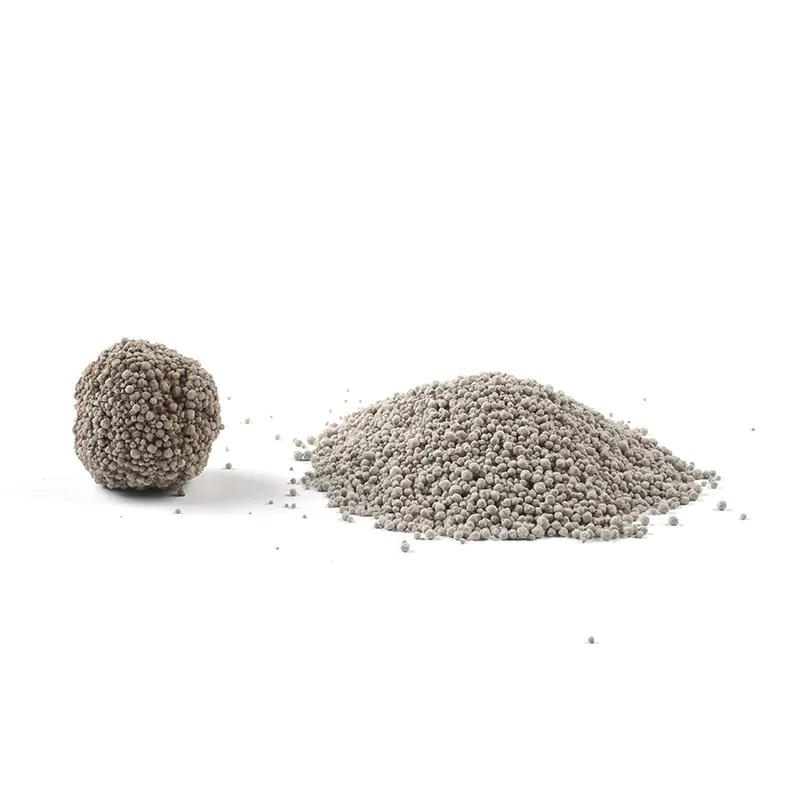
Bentonite Cat Litter


Got Questions? Call us 24/7

+8615263229311
No.88, Quandu Road, Xigang Town, Tengzhou City, Shandong, China. (Sincere Industrial Park)
OEM Cat Litter Manufacturers Bulk Cat Litter Wholesale Biodegradable Cat Litter Company



 English
 русский
 Español
 日本語
日本語 한국어
한국어


