
Industry News
Content
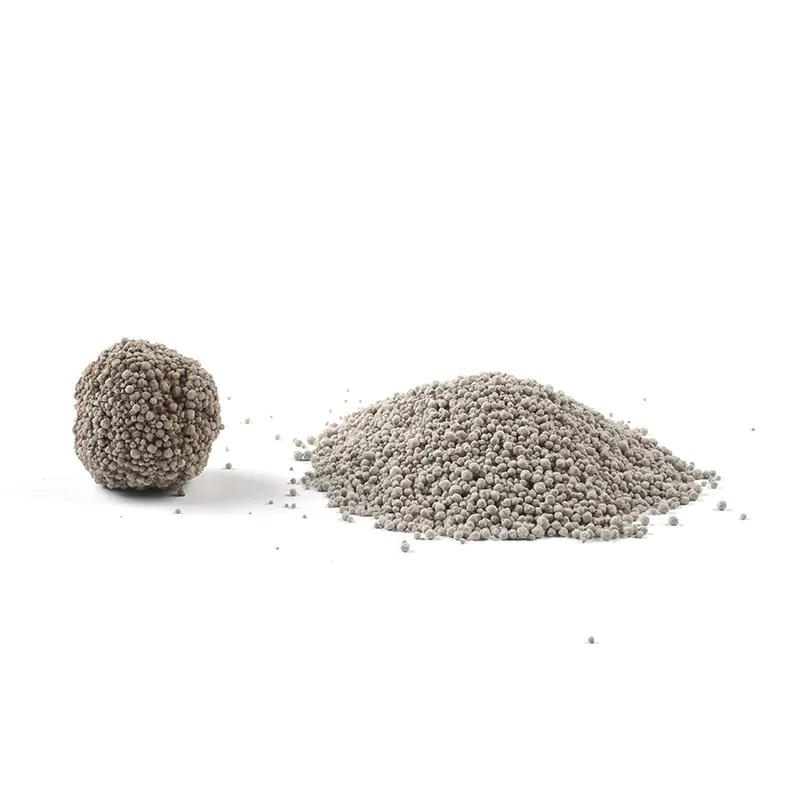
Pour a handful of mineral cat litter next to a handful of clumping clay and the difference shows up before you even touch it. Mineral litter isn't pure bentonite clay, and it isn't pure silica crystal either — it's a blended granule built around natural mineral content with a silica gel component layered in, which is what gives it a sandy, slightly heavier feel than either of its rivals.
That blend is the whole point. Straight clay clumps hard but tracks and dusts. Pure silica crystal is light and absorbent but can feel rough underpaw. Mineral litter sits in between, aiming for a balance closer to bentonite and crystal litter than either extreme. If you want the ingredient breakdown and sourcing details in full, there's a closer look at what mineral cat litter is and how to choose it worth reading before you commit to a bag.
Most buying guides talk about clumping in adjectives. Specs talk in numbers, and the numbers are where the real comparison happens. Granule size is the first one to check — litter milled to roughly 0.5mm to 2mm packs tightly enough to form solid clumps without crumbling under the scoop, while keeping particles too large to turn into airborne dust the moment the bag opens.
Absorption rate is the second figure worth asking a supplier for directly. A well-made mineral litter should sit at 99% or higher, meaning almost none of the moisture a cat deposits escapes into the surrounding granules to sit, ferment, and smell. Lower-grade litters skip this spec entirely, which is usually a sign they haven't tested for it. For a side-by-side on what these figures mean in daily use, these practical tips for choosing the best mineral cat litter go deeper than most retail listings ever will.
There are two ways to fight litter box smell. One is to mask it with fragrance. The other is to physically trap the molecules causing it. Mineral litter relies mostly on the second approach — its porous structure adsorbs odor at the source, which holds up across humid bathrooms, small apartments, and multi-cat homes far better than scent alone.
The fragrance some bags add is usually water-activated, meaning it only releases on contact with urine instead of perfuming the whole room around the clock. That matters for cats, since constant strong scent near the litter box is a common reason cats avoid it. Pair that with a low-dust manufacturing process and you get a box that's easier on a cat's nose and lungs, not just the owner's. This practical guide to mineral cat litter benefits and usage covers the day-to-day routine in more detail, and if dust sensitivity is a concern in your household, whether non-dust mineral litter can still trigger allergies is worth checking before switching.
Once the formula checks out, packaging is the last variable. A standard 5kg bag is a reasonable starting size for one or two cats, but multi-cat households go through litter faster and should weigh cost-per-use rather than sticker price alone — a litter with tighter clumping and higher absorption often ends up cheaper over a month even at a higher upfront cost.
Texture is the part owners forget to check until the cat refuses the box. Granular, sand-like litter tends to get accepted faster than coarse or sharp-edged alternatives, which cuts down on the kind of after-sales complaints that come from a cat simply walking away from a new litter. For a look at the full spec sheet behind one such formula, including granule size, absorption rate, and available colors, this natural sodium mineral cat litter listing lays out the data rather than just the marketing claims.
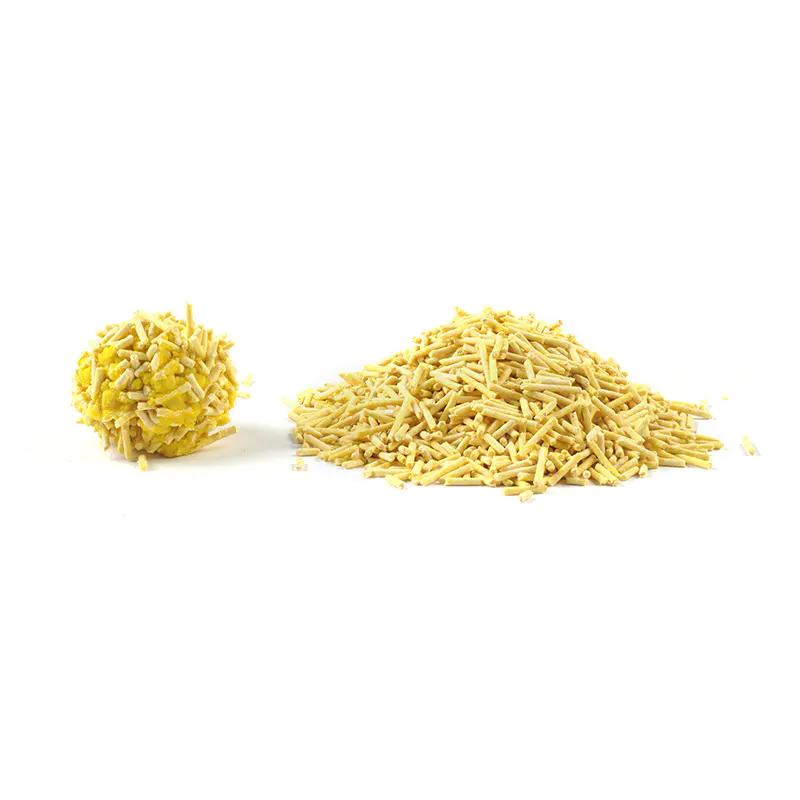
Tofu Cat Litter
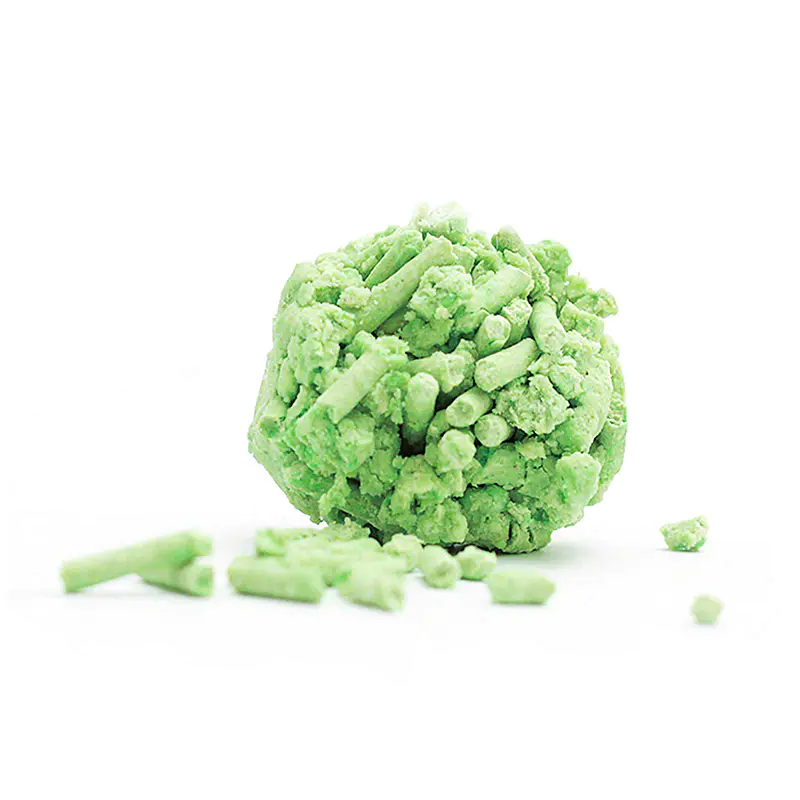
Tofu Cat Litter
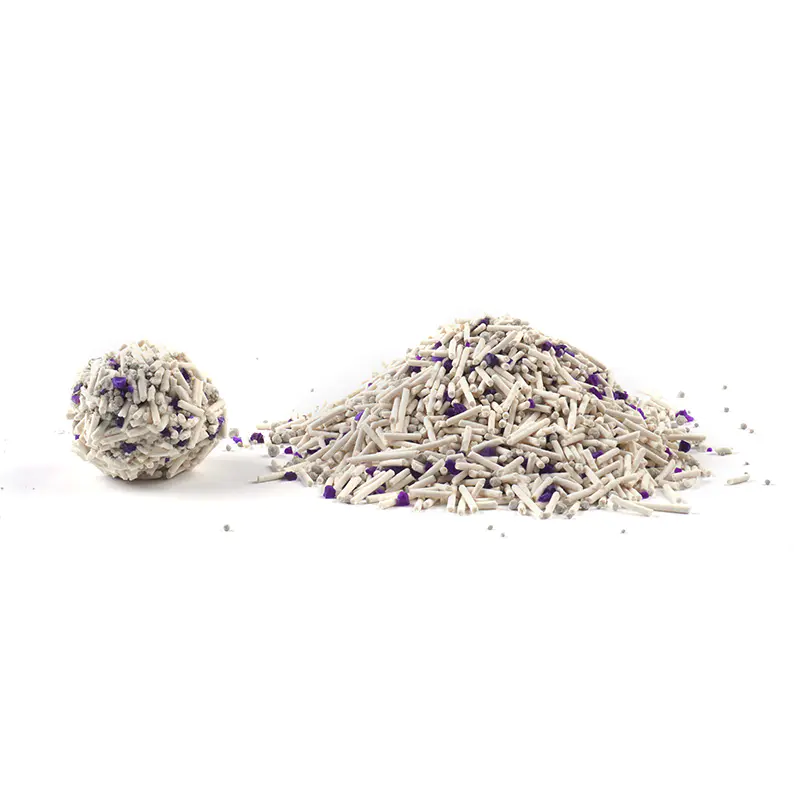
Mixed Cat Litter
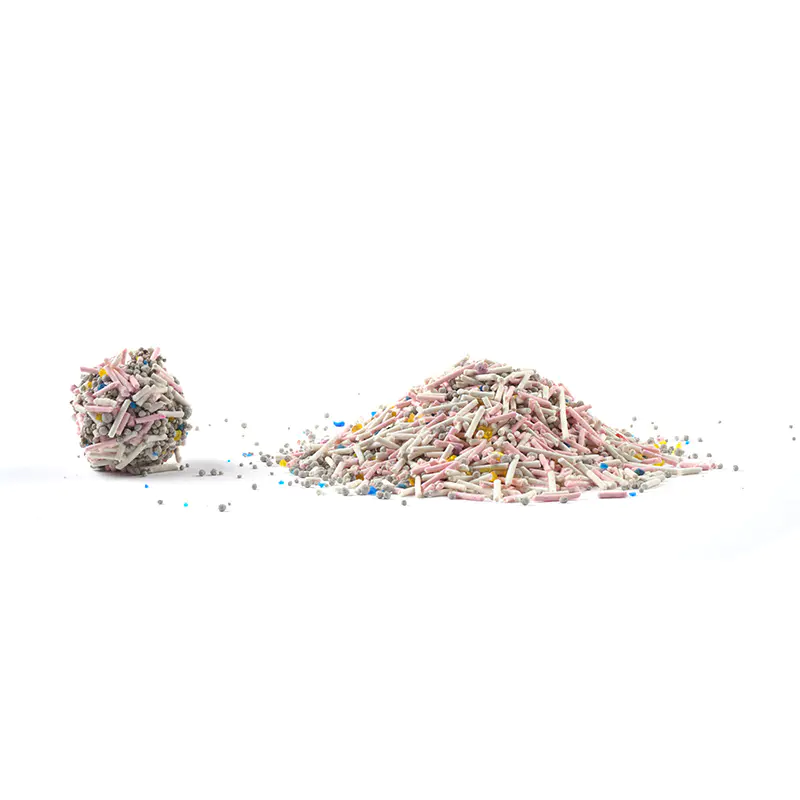
Mixed Cat Litter
Bentonite Cat Litter


Got Questions? Call us 24/7

+8615263229311
No.88, Quandu Road, Xigang Town, Tengzhou City, Shandong, China. (Sincere Industrial Park)
OEM Cat Litter Manufacturers Bulk Cat Litter Wholesale Biodegradable Cat Litter Company



 English
 русский
 Español
 日本語
日本語 한국어
한국어


