
Industry News
Content
Mineral cat litter is made from naturally occurring inorganic minerals — most commonly clay, bentonite, zeolite, or silica (crystalline silica gel). It is the most widely used category of cat litter globally, prized for its strong absorbency, effective odor control, and reliable clumping ability. If you've ever bought a standard bag of cat litter from a supermarket, there's a high chance it was mineral-based.
The short answer: mineral cat litter is generally the most practical, cost-effective, and widely available option for most cat owners. However, the specific type of mineral litter you choose matters, as each has distinct properties affecting performance, dust levels, and environmental impact.
Not all mineral litters are the same. The three dominant types differ significantly in how they work:
Bentonite is a type of absorbent clay that swells and forms tight clumps when it contacts liquid. It is the most popular mineral litter worldwide, accounting for a large share of global litter sales. Brands like Tidy Cats and Dr. Elsey's rely heavily on sodium bentonite. Clumps are typically firm and easy to scoop, which helps keep the box cleaner between full changes.
This older style of mineral litter absorbs urine but does not form scoopable clumps. The entire litter box must be replaced more frequently — typically every 1 to 2 weeks. It is less convenient than clumping bentonite but is often less expensive and still effective for basic odor control.
Silica gel litter consists of tiny porous beads made from silicon dioxide. It absorbs moisture and traps odors by locking them inside the crystal structure rather than forming clumps. A single bag can last one cat up to 30 days, which reduces how often you need to change the litter. However, it tends to cost more upfront and some cats dislike the texture underfoot.
| Type | Clumping | Odor Control | Dust Level | Cost (approx.) | Change Frequency |
|---|---|---|---|---|---|
| Bentonite Clay | Yes | Good | Moderate–High | $0.50–$1.00/lb | Every 2–4 weeks |
| Non-Clumping Clay | No | Moderate | Moderate | $0.30–$0.60/lb | Every 1–2 weeks |
| Silica Gel | No | Excellent | Low | $1.50–$2.50/lb | Every 3–4 weeks |
Mineral litters have remained dominant in the market for decades because they deliver consistent, well-understood performance across several important areas:
Despite its strengths, mineral cat litter does come with some real limitations that are worth understanding before you buy:
Clay litters — especially low-dust formulas that haven't been properly processed — can release fine particulate matter when poured or when cats dig. Prolonged exposure to crystalline silica dust has been linked to respiratory issues in both cats and humans. If you or your cat has asthma or allergies, look specifically for "low-dust" or "dust-free" certified bentonite products, or switch to silica gel, which produces virtually no airborne dust.
Bentonite clay is extracted through strip mining, which raises environmental concerns. It is also not biodegradable — used clay litter ends up in landfill. An estimated 8 billion pounds of clay cat litter is disposed of in U.S. landfills each year. If environmental impact matters to you, silica gel offers a longer use cycle (less waste per month), while plant-based alternatives sidestep mining altogether.
Mineral litters are heavy — a standard 20 lb bag of clumping clay is significantly heavier than an equivalent supply of paper, wood pellet, or silica litter. This makes transport and storage more physically demanding, particularly for older cat owners or those with limited mobility.
Plant-based litters (made from wood, corn, wheat, or paper) have grown in popularity, but mineral litter still holds a clear edge in several practical categories:
Plant-based options win on biodegradability, flushability (in some cases), and lower mining impact. The right choice depends on whether you prioritize convenience and performance or environmental footprint.
With several mineral options on the market, here's a practical framework to narrow down your choice:
Getting the most out of your mineral litter comes down to a few consistent habits:
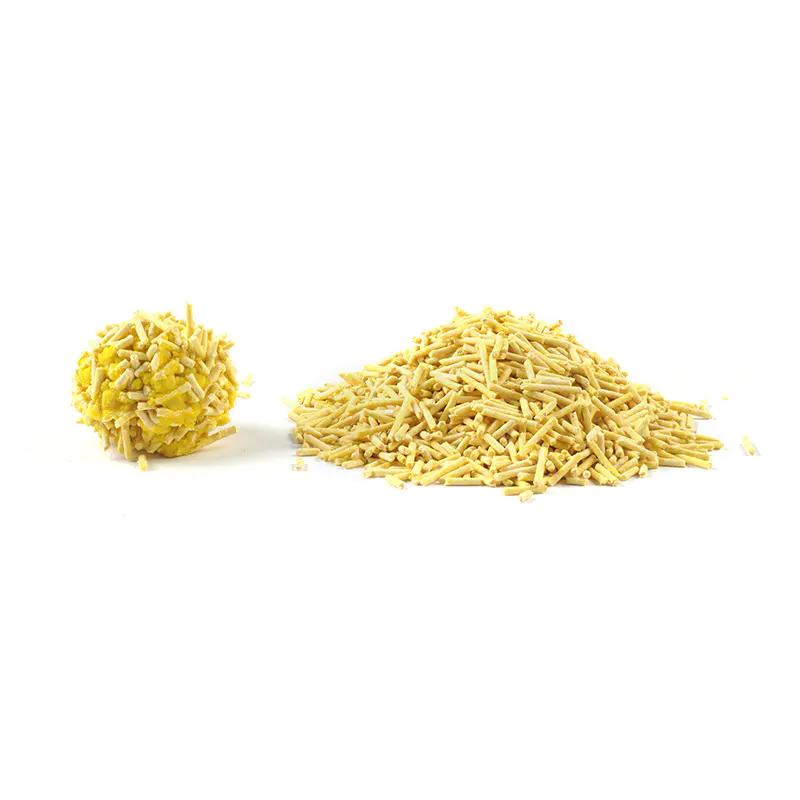
Tofu Cat Litter
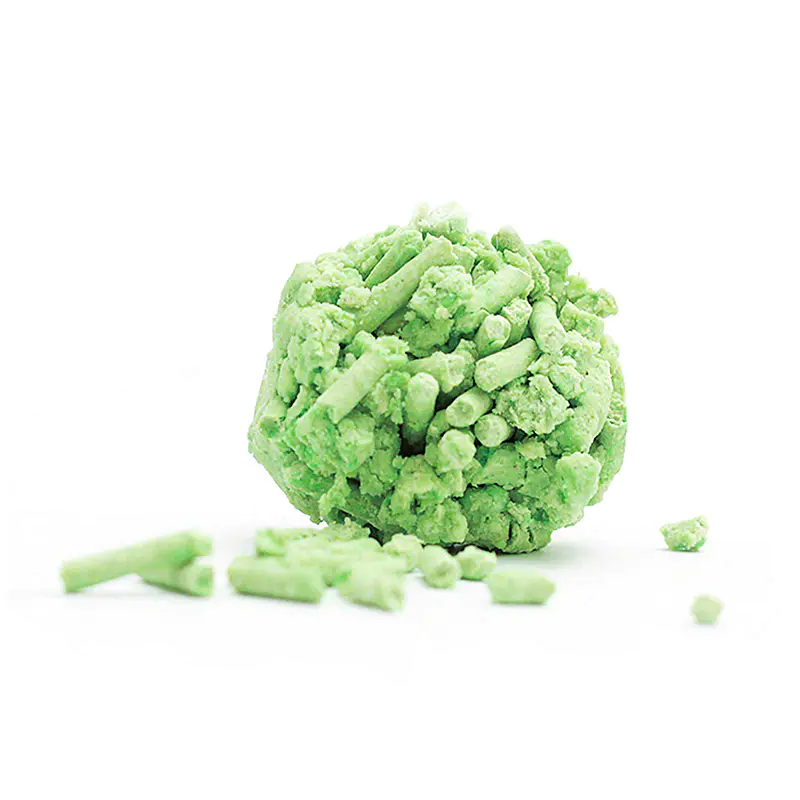
Tofu Cat Litter
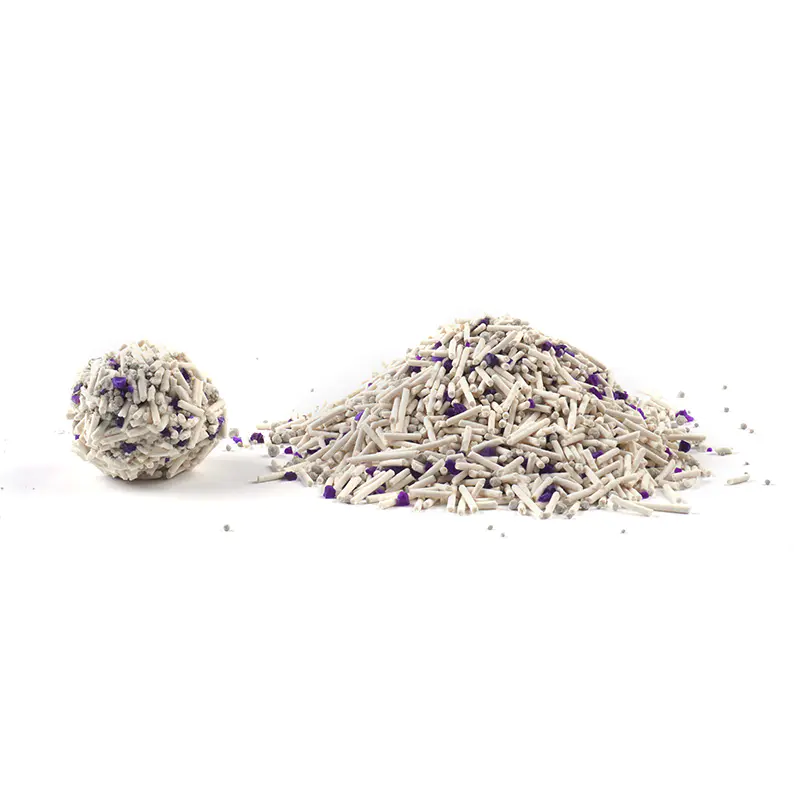
Mixed Cat Litter
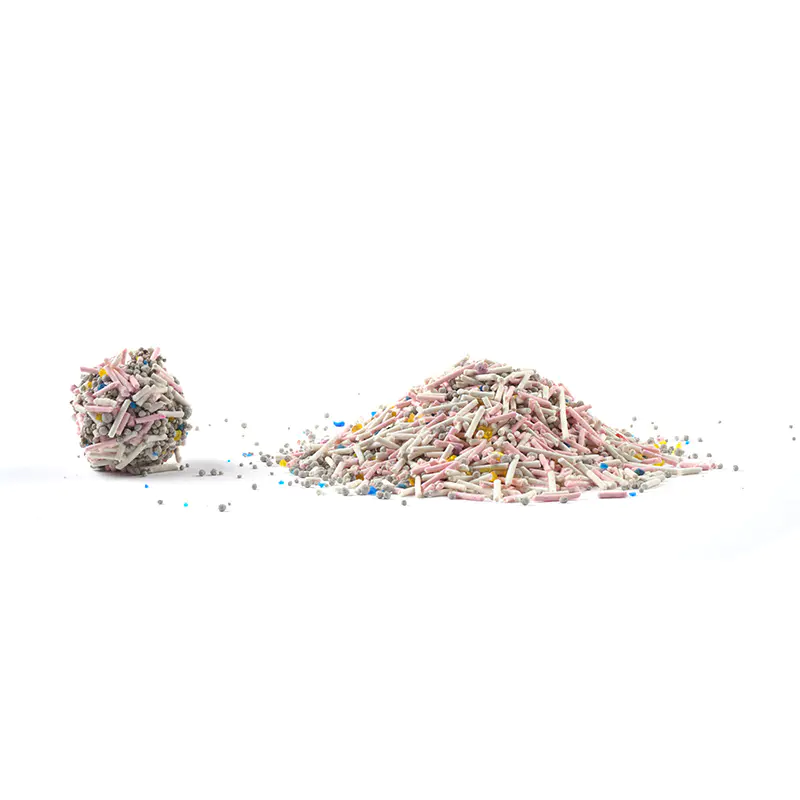
Mixed Cat Litter
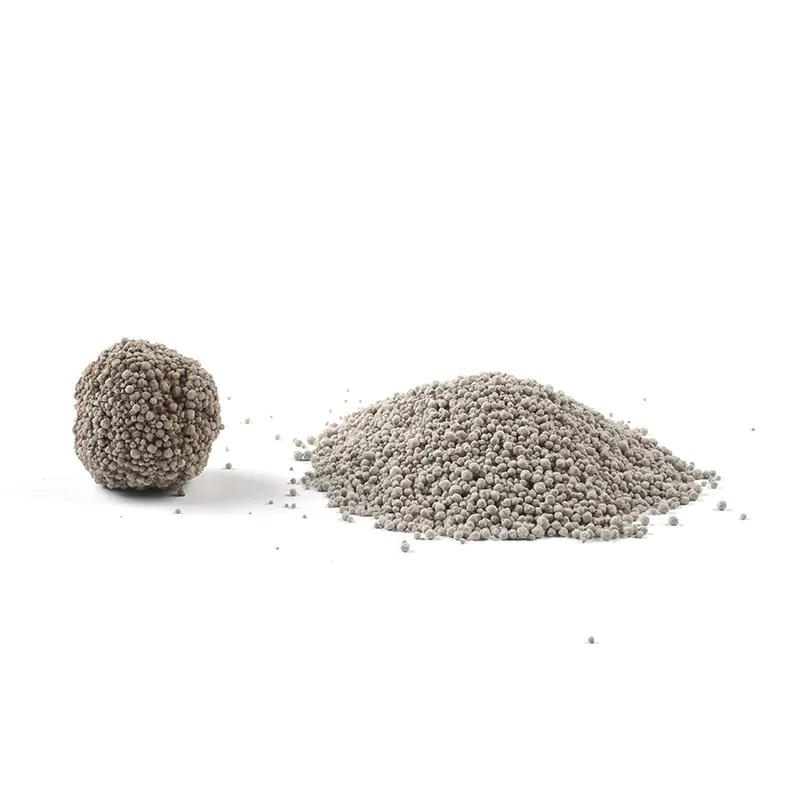
Bentonite Cat Litter


Got Questions? Call us 24/7

+8615263229311
No.88, Quandu Road, Xigang Town, Tengzhou City, Shandong, China. (Sincere Industrial Park)
OEM Cat Litter Manufacturers Bulk Cat Litter Wholesale Biodegradable Cat Litter Company



 English
 русский
 Español
 日本語
日本語 한국어
한국어


