
Industry News
Content
Mineral cat litter refers to litter products made primarily from naturally occurring minerals such as diatomaceous earth, zeolite, and calcium montmorillonite. These minerals absorb moisture and neutralize odors through physical adsorption rather than chemical reactions. Compared with standard clay-based cat litter, mineral cat litter often provides superior odor control and lower dust levels, making it ideal for sensitive cats and owners concerned about air quality in their homes.
The high absorption rate of minerals like zeolite helps lock in liquid waste quickly. When a cat urinates on the litter, the mineral particles draw moisture away from the surface and trap ammonia and other odor-causing compounds within their porous structures. This mechanism allows the litter to stay fresher longer, reducing the frequency of full litter changes.
Understanding the tangible benefits of mineral cat litter helps cat owners make informed decisions. Below are the main advantages backed by practical experience and consumer reports.
Cat owners often ask whether mineral cat litter is better than traditional clay litter. Both have strengths and weaknesses, and the best choice depends on your preferences, cat’s needs, and budget. The table below presents an objective comparison of key factors.
| Feature | Mineral Cat Litter | Clay Cat Litter |
| Odor Control | High | Moderate |
| Dust Levels | Low | High |
| Clumping Ability | Varies by product | Consistently Good |
| Biodegradability | Often Better | Often Worse |
Selecting the best mineral cat litter requires considering your cat’s behavior, existing litter habits, and household needs. Evaluate these factors before purchasing:
Cat litter grain size influences comfort and tracking. Fine-grained mineral litters feel softer under paws but may track more easily outside the box. Larger granules reduce tracking but may feel rougher for some cats. Observe your cat’s preference to avoid litter box avoidance due to uncomfortable texture.
Some mineral litters clump when they come into contact with liquid, forming solid clumps that are easy to scoop. Others absorb without clumping and require periodic stirring and full litter replacement. If you scoop daily and want minimal waste, choose clumping mineral cat litter; if you prefer natural absorbency without additives, non-clumping may be acceptable.
Even though mineral litters are generally low-dust, some brands still vary. Look for “low dust” labeling and avoid heavily scented litters if you or your cat are sensitive to fragrances. Mineral cat litter dust can cause irritation, so a dust-free product contributes to better air quality in your home and respiratory comfort for your cat.
Effective use of mineral cat litter requires consistent maintenance practices. The following tips help you maximize odor control and longevity.
Cat owners often raise questions about mineral litter. Here we tackle real concerns with practical advice.
Some cats are sensitive to texture, especially if the mineral granules are sharp or coarse. If your cat hesitates to enter the litter box, try a softer-grained mineral litter or mix it gradually with your current litter to help your cat adjust. Monitor your cat’s behavior for consistent acceptance before making a full switch.
Young kittens may be more likely to ingest litter while learning to use the box. Choose non-toxic, chemical-free mineral litters and observe your kitten’s behavior. Consult your veterinarian if you notice excessive ingestion or gastrointestinal upset.
If odor becomes noticeable between litter changes, ensure you’re scooping daily and stirring non-clumping litter. Consider adding a thin layer of baking soda below the top litter layer to enhance odor absorption without overwhelming scents. Ventilation around the litter box area also helps maintain fresh air in your home.
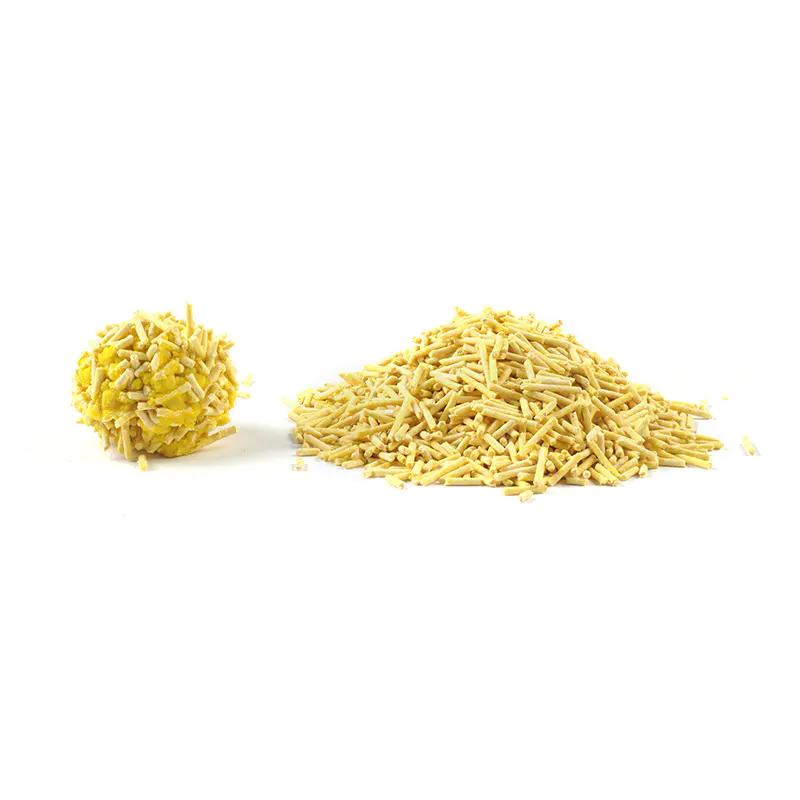
Tofu Cat Litter
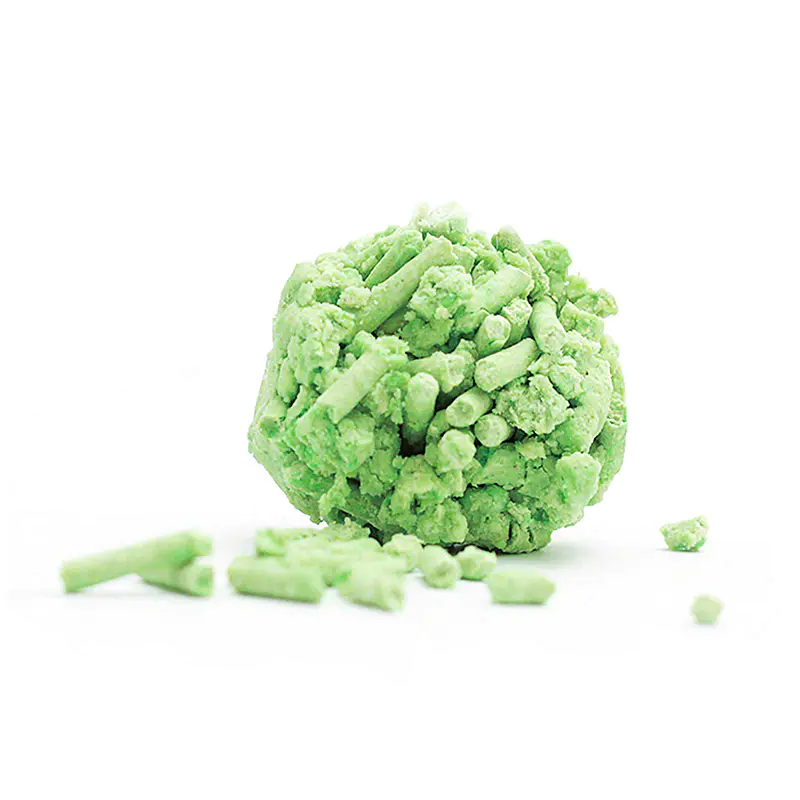
Tofu Cat Litter
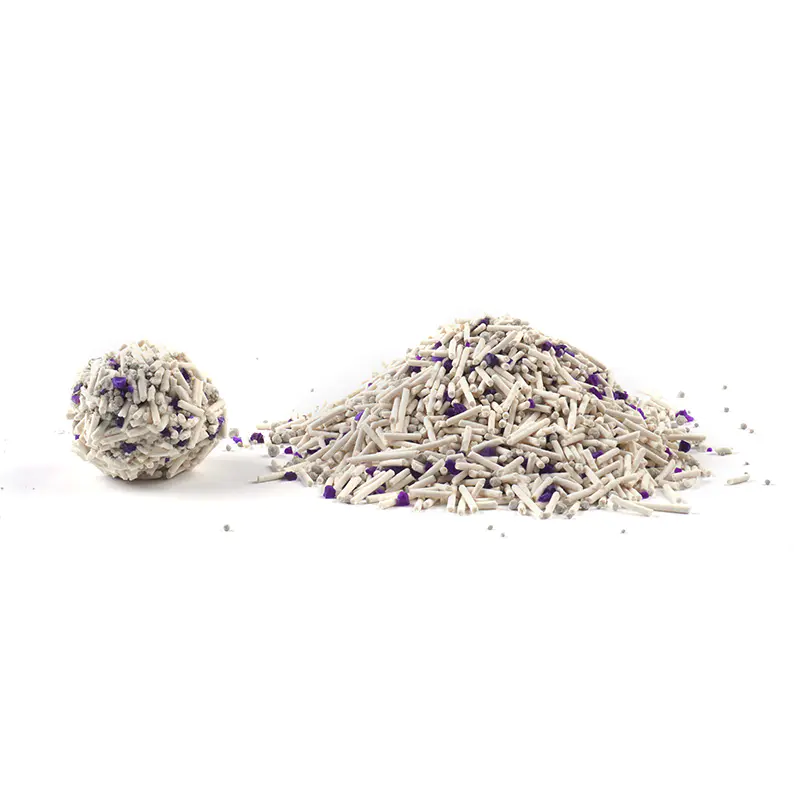
Mixed Cat Litter
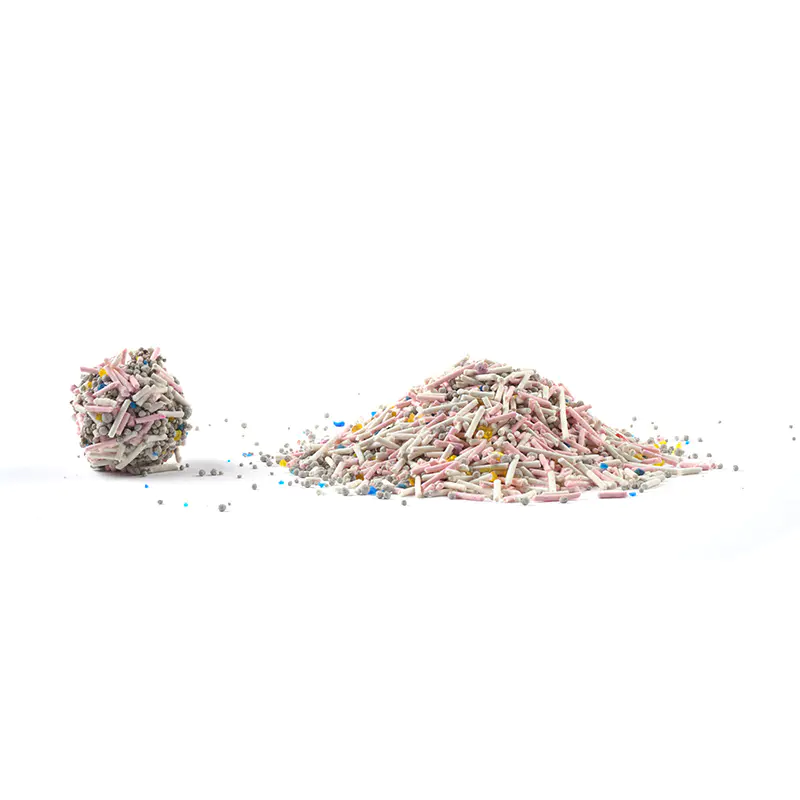
Mixed Cat Litter
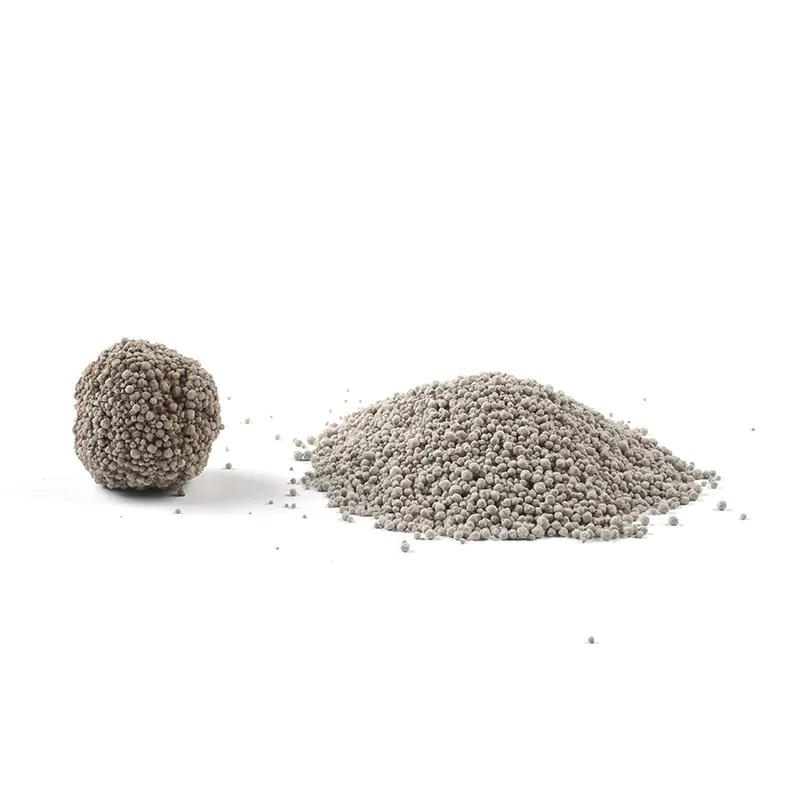
Bentonite Cat Litter


Got Questions? Call us 24/7

+8615263229311
No.88, Quandu Road, Xigang Town, Tengzhou City, Shandong, China. (Sincere Industrial Park)
OEM Cat Litter Manufacturers Bulk Cat Litter Wholesale Biodegradable Cat Litter Company



 English
 русский
 Español
 日本語
日本語 한국어
한국어


