
Industry News
Content
Every time you pour a fresh batch of conventional cat litter, a grey cloud rises — and most of it settles right back into the box where your cat will dig, breathe, and groom. That cloud isn't just a nuisance. Fine particulate matter from low-quality litter can linger airborne for 20 to 30 minutes, cycling through your cat's lungs and your own respiratory system long after the lid goes back on.
For cats with asthma, rhinitis, or sensitive airways, the exposure is even more concentrated. A cat's nose is just 2 to 5 inches from the litter surface when digging — making the litter box one of the highest dust-exposure environments in your home. Choosing a Bentonite Cat Litter engineered for low-dust performance isn't a luxury upgrade — it's a basic health decision.
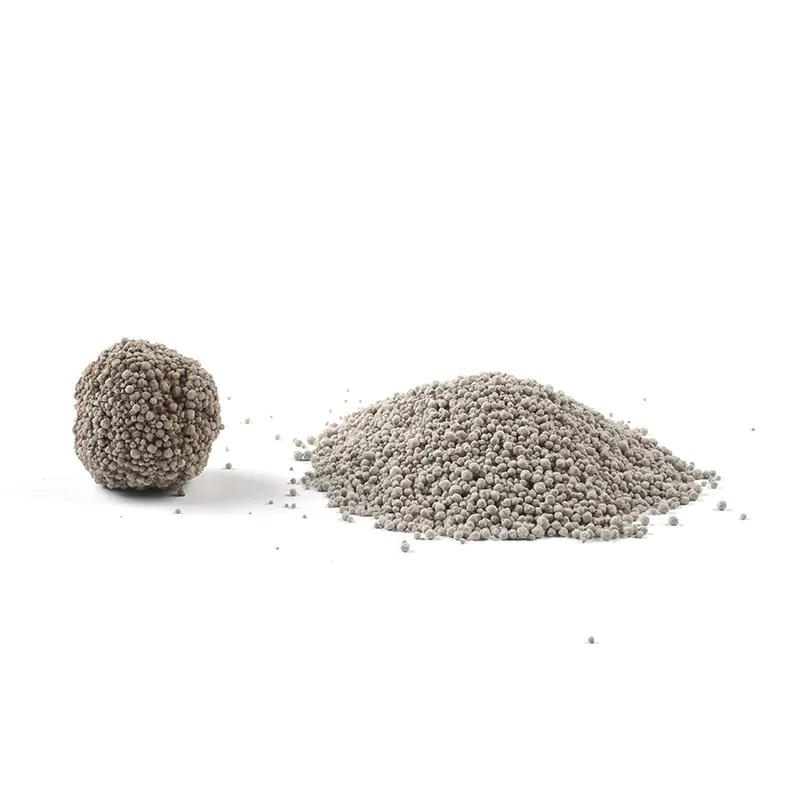
Bentonite is a naturally occurring clay mineral, rich in montmorillonite, that swells dramatically when it contacts moisture. This physical reaction — not a chemical additive — is what creates the tight, scoopable clumps that have made bentonite the world's most widely used cat litter base material. High-quality bentonite can absorb several times its own weight in liquid before a clump forms.
Because the clumps lock moisture inside, they also trap ammonia and odor-causing bacteria at the source rather than letting them evaporate into the room. The result is a litter box that stays genuinely fresh between scoops, not one that simply smells like a mix of waste and artificial fragrance.
The key distinction lies in processing. Premium Dust Free Cat Litter made from bentonite undergoes multi-stage sieving and air-washing to remove the finest particles — the "fines" — before the product is packaged. Budget options skip this step, which is why you see the cloud. The granule structure also matters: rounder, harder particles resist breaking under paw pressure, staying intact rather than pulverizing into airborne dust with every dig.
Bentonite sits within a wider family called Mineral Cat Litter — a category that covers clay-based litters processed from naturally mined deposits. Not all mineral litters clump; some are non-clumping absorbent granules designed for simpler daily-change routines. The right choice depends on your household's priorities.
| Feature | Clumping (Bentonite) | Non-Clumping Mineral |
|---|---|---|
| Cleanup frequency | Scoop daily, replace monthly | Full change every few days |
| Odor control duration | Longer — clumps seal odors | Shorter without clumping |
| Best for | Multi-cat homes, daily use | Single cat, simple routines |
| Dust level (premium) | Near-zero with proper processing | Variable by brand |
For most households, a premium clumping bentonite product delivers the best balance of odor control, cleanup efficiency, and low dust. Multi-cat homes benefit especially, since the litter box sees heavier use and clumps need to be manageable and discrete.
The phrase "dust-free" on a label carries no regulatory standard — manufacturers can print it freely regardless of actual dust output. A technically honest measurement would fall below 0.1% dust by weight under the ASTM F2946 shake-test protocol. In practice, many litters marketed as low-dust still release detectable particles during normal use.
There are two quick home checks that reveal more than marketing copy. First, the pour test: hold the bag at waist height, pour slowly into the box, and watch. A genuinely Non Dust Cat Litter will create no visible plume. Second, the jar test: place a small sample in a clear jar, seal it, shake vigorously, and let it sit for two minutes. Cloudy water-like haze means high fine-particle content; a clear jar means low.
Beyond the tests, watch your cat. Within the first week of switching litters, increased sneezing, eye discharge, or pawing at the face are early signals that dust levels are affecting the respiratory tract. These symptoms are often dismissed as unrelated — but they frequently trace back to airborne litter particles.
Even the best litter underperforms without proper box management. A few simple habits make a significant difference in both dust exposure and odor control:
A cat typically spends several minutes each day in the litter box — digging, covering, and lingering. That time adds up over a lifetime. Choosing a well-processed, genuinely dust-free bentonite or mineral litter is one of the simplest ways to reduce chronic low-level respiratory irritation for your cat and improve the overall air quality of your home.
The difference between a premium and a budget product often comes down to what happens after the clay is mined: whether it's sieved, washed, and tested to remove particles that shouldn't enter a breathing space. That extra processing step is what separates a litter that performs from one that just looks the part on a shelf.
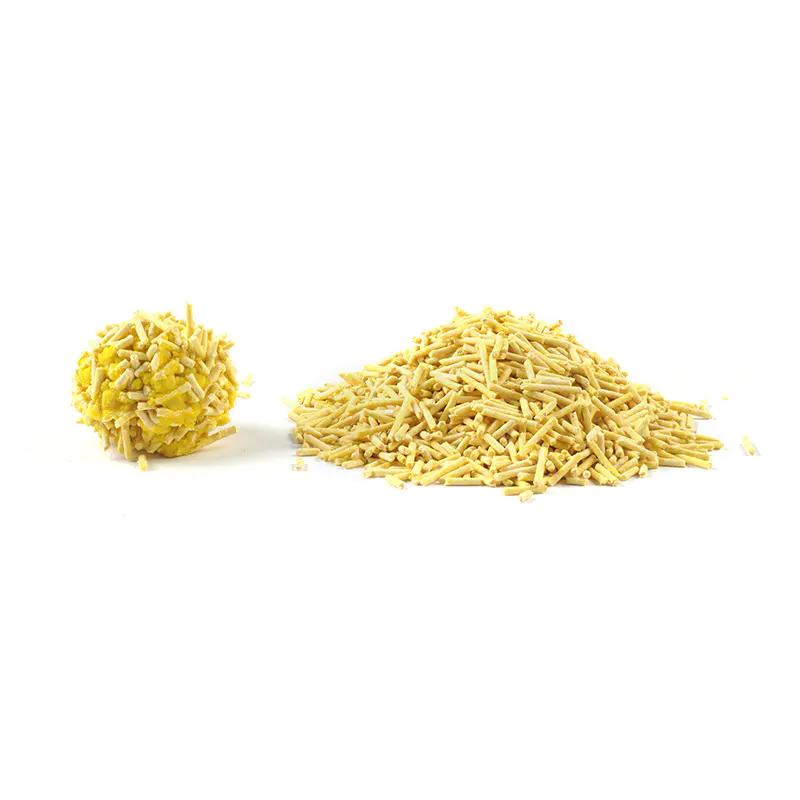
Tofu Cat Litter
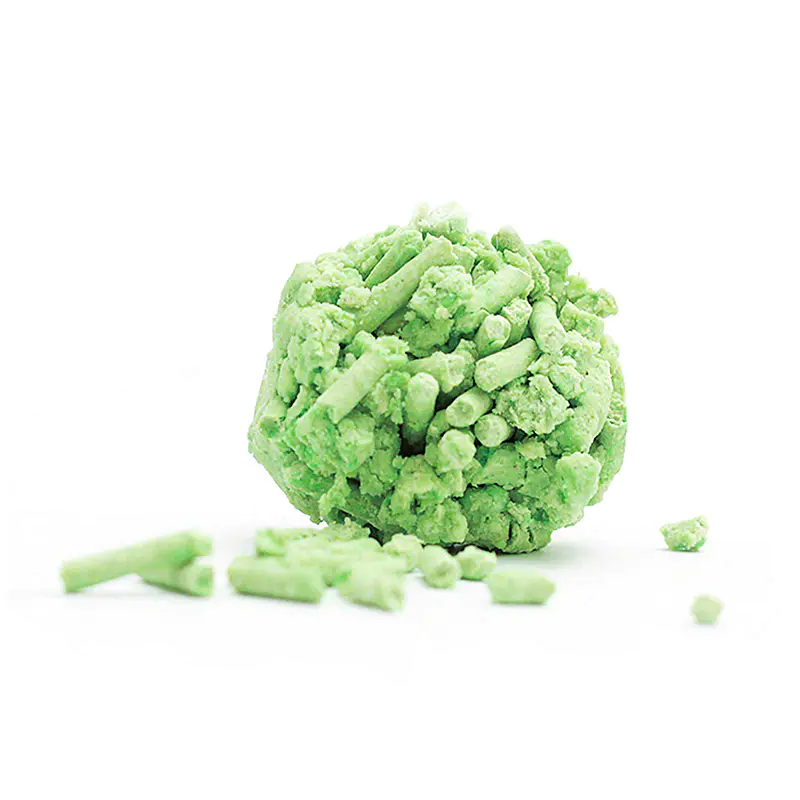
Tofu Cat Litter
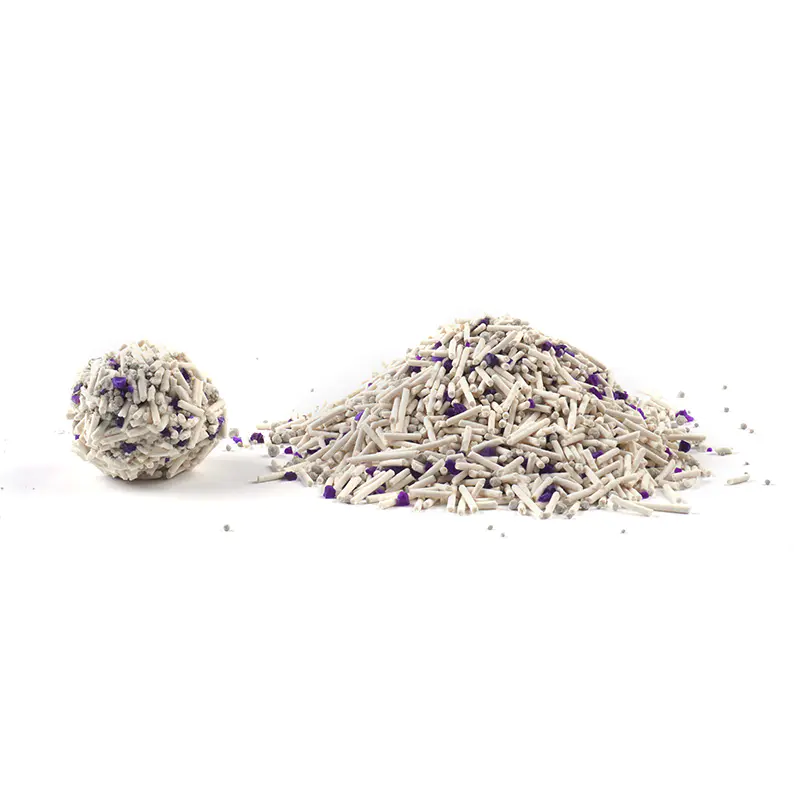
Mixed Cat Litter
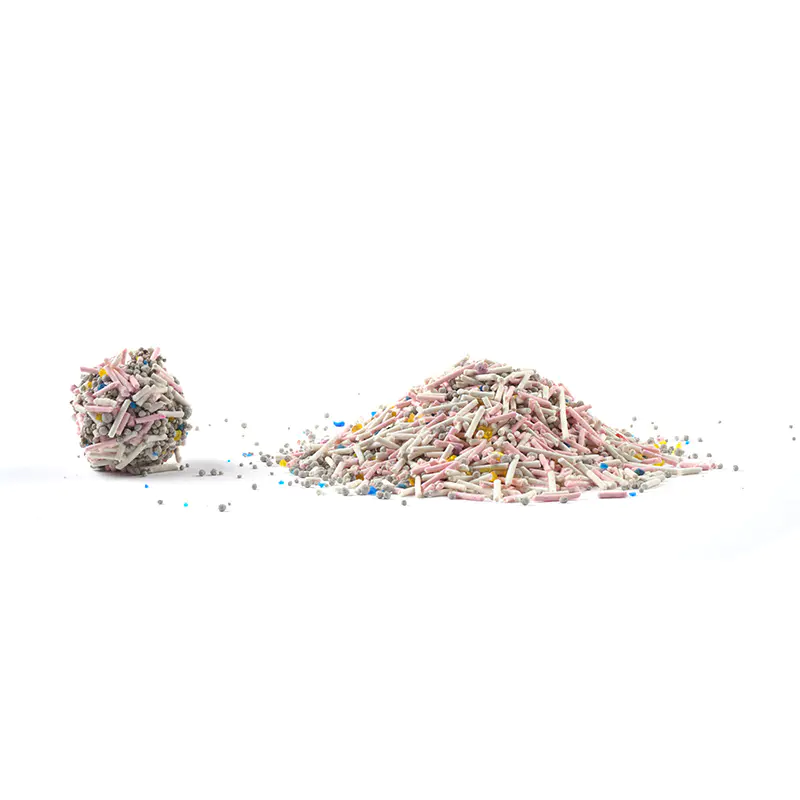
Mixed Cat Litter
Bentonite Cat Litter


Got Questions? Call us 24/7

+8615263229311
No.88, Quandu Road, Xigang Town, Tengzhou City, Shandong, China. (Sincere Industrial Park)
OEM Cat Litter Manufacturers Bulk Cat Litter Wholesale Biodegradable Cat Litter Company



 English
 русский
 Español
 日本語
日本語 한국어
한국어


