
Industry News
Content
Most cat owners change their litter every few days without a second thought. Switch to crystal cat litter — also called silica gel cat litter — and a single tray can last a full month for one cat. That's not a marketing claim; it's basic materials science.
Crystal cat litter is made from amorphous silica gel, a porous form of silicon dioxide. Unlike the crystalline silica found in quartz — the kind that raises health concerns — amorphous silica gel has a sponge-like internal structure with an average pore size of 8–10 nm. Those microscopic channels are what make it so effective: each granule can adsorb over 200% of its own weight in liquid while the outer surface stays dry to the touch.
The correct term is adsorption, not absorption. Adsorbent materials attract moisture to their surface; absorbent materials pull liquid inside. Silica gel does the former, which is why the litter stays intact rather than swelling into a soggy clump.
Silica gel traps ammonia and other odor-causing molecules inside its pore network. Water evaporates; the smell does not escape. The result is a noticeably fresher-smelling litter box — not masked by fragrance, but genuinely neutralized at the source. One well-maintained tray typically controls odors for 20–30 days per cat.
Clay litter releases fine dust every time a cat digs. Quality silica gel cat litter is virtually dust-free out of the bag, which matters for cats (and owners) prone to respiratory irritation. Granules in the 1–8 mm range are too large to become airborne under normal use.
A standard bag of crystal litter weighs a fraction of its clay equivalent and covers the same surface area. Daily maintenance is simple: stir the litter once or twice to expose fresh crystal surfaces to liquid, then scoop solids. No clumps to fish out, no heavy scooping sessions.
Bacteria need moisture to multiply. Because crystal litter keeps the litter box dry, the environment becomes inhospitable to bacterial growth. Some formulations add an antibacterial treatment layer on top of the silica base, delivering an active sterilizing effect in addition to passive moisture control.
Amorphous silica gel is non-toxic, chemically stable, and not classified as a carcinogen for humans or pets. It is insoluble in water and most solvents. If a cat accidentally ingests a small number of crystals — a common concern among new users — the material passes through the digestive system without harm, provided the cat drinks adequate water.
Pour a 3–5 cm layer into a clean litter box — deeper than you might expect with clay. Stir daily to distribute saturated crystals away from high-use areas. Scoop feces immediately; solid waste does not break down on its own. Replace the entire tray when crystals turn yellow or beige, or when odor control noticeably weakens. For a single cat, that typically means one full change per month.
Crystal litter performs well with covered boxes and automatic self-cleaning systems because its non-clumping nature means nothing jams mechanical parts. Its low tracking — large granules don't stick to paws the way fine clay dust does — is another practical advantage for households that care about clean floors.
| Factor | Crystal (Silica Gel) | Clumping Clay |
|---|---|---|
| Change frequency | ~30 days | Every 1–2 weeks |
| Dust level | Very low | Moderate to high |
| Weight per bag | Lightweight | Heavy |
| Odor mechanism | Adsorption (traps molecules) | Clumping (physical removal) |
| Paw tracking | Minimal | Moderate |
Not all silica gel litter performs equally. Key specifications to check: absorbency rating (look for ≥200%), bulk density (≥0.75 g/ml indicates dense, high-quality granules), average pore size (8–10 nm is the optimal range for moisture capture), and granule size. Products in the 2–4 mm or 4–8 mm range balance absorbent surface area with comfortable paw feel.
Granule shape also matters. Larger crushed or rounded granules reduce tracking and are gentler on sensitive paws, which is especially relevant for kittens or cats recovering from declawing. For multi-cat homes, consider a mixed litter combining silica crystals with plant-based materials — the combination extends moisture capacity while keeping dust levels low.
If sustainability is a priority, crystal litter has a strong case: less frequent replacement means less total waste per year compared to weekly clay changes. It is non-polluting, chemically inert, and meets standard environmental safety thresholds. Disposal goes to the trash (not the toilet) in a sealed bag.
Crystal litter is non-clumping by default. Owners who prefer to scoop urine clumps rather than stir daily may find the maintenance rhythm takes getting used to. Some cats resist the texture change initially, particularly those accustomed to fine-grain clay. A gradual transition — mixing a small amount of crystal litter into existing litter over 1–2 weeks — helps most cats adapt without stress.
For cat owners who want a low-maintenance, near-dustless litter with exceptional odor control and a month-long lifespan, high-adsorption crystal cat litter is one of the most practical upgrades available. The science is straightforward, the maintenance routine is lighter than clay, and the material is safe for most cats and households. Match the granule size to your cat's preference, check the absorbency specs, and give it a full month before judging the results.
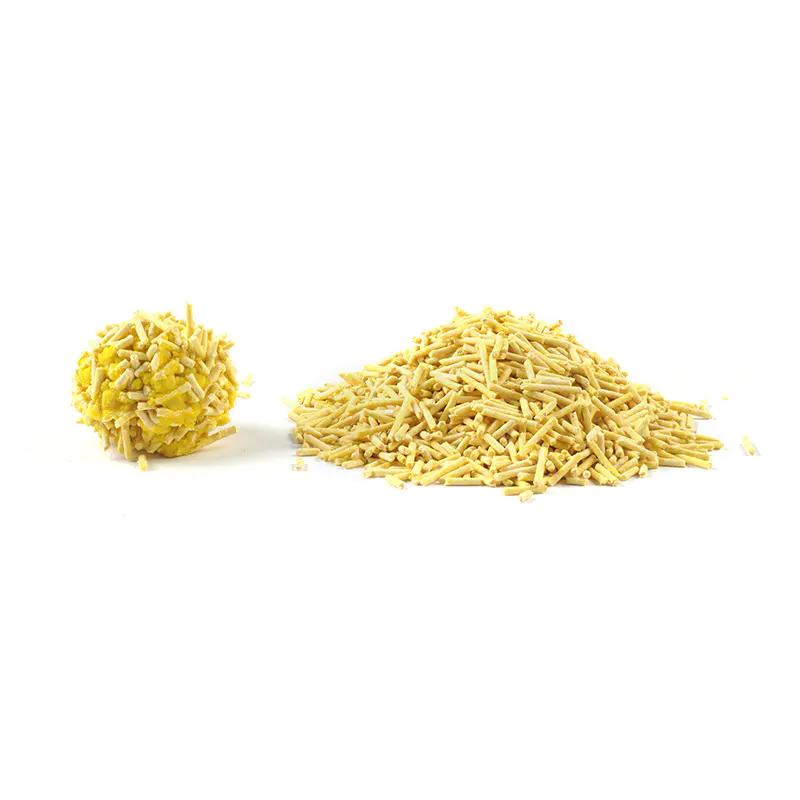
Tofu Cat Litter
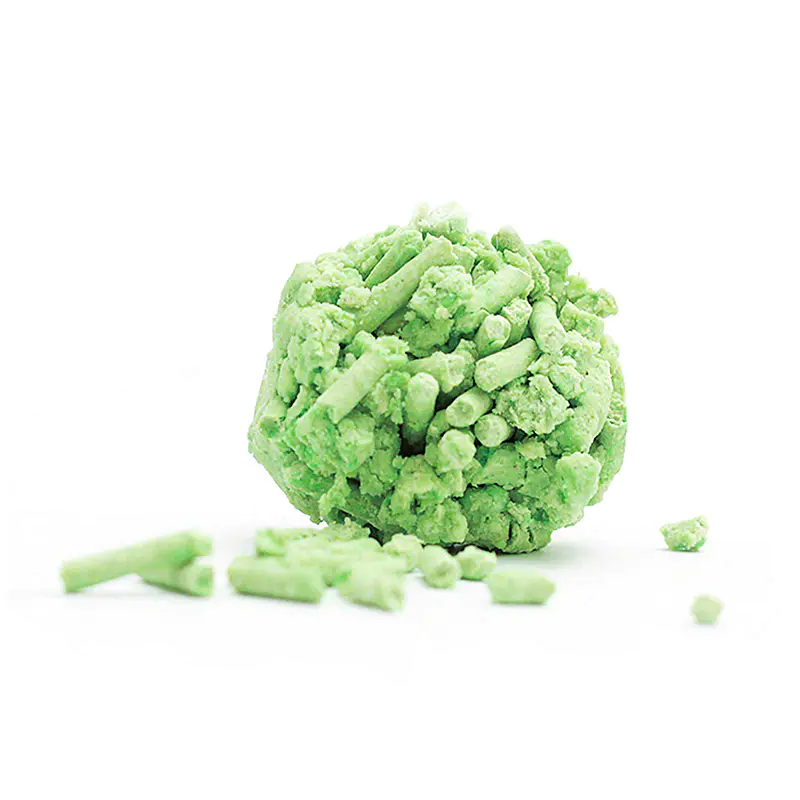
Tofu Cat Litter
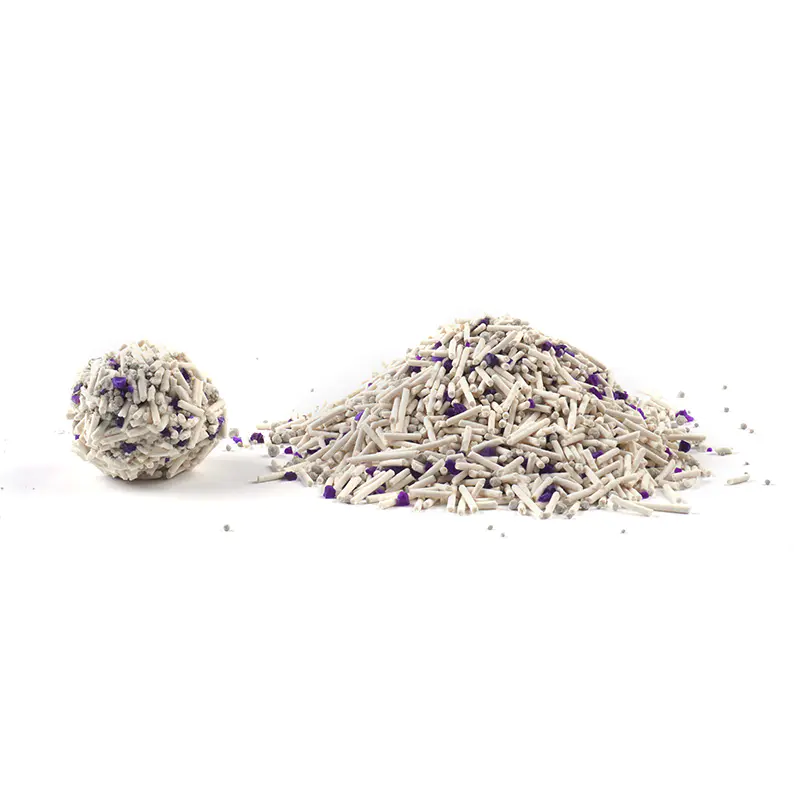
Mixed Cat Litter
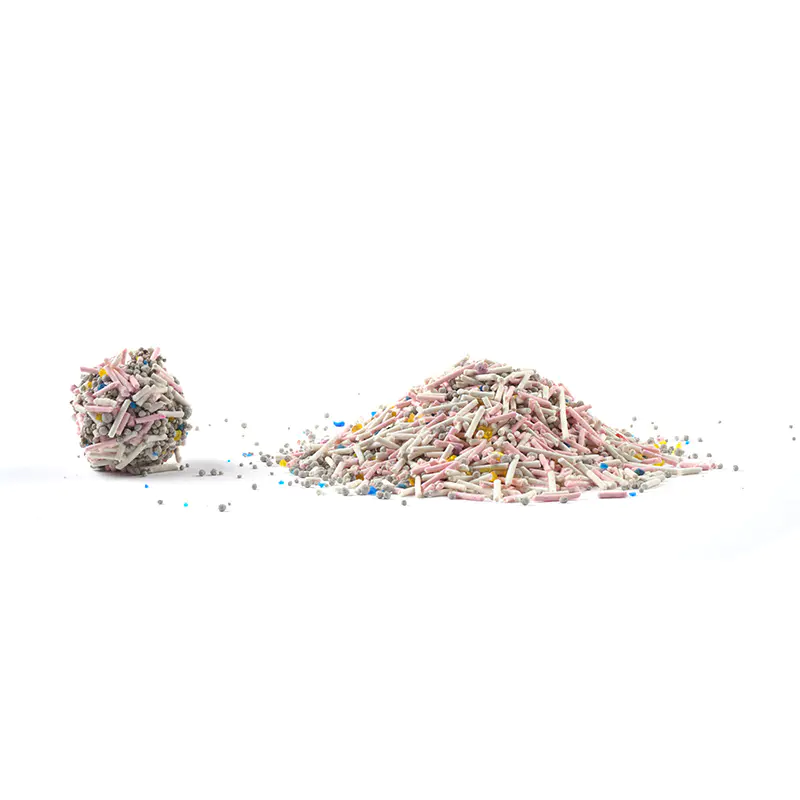
Mixed Cat Litter
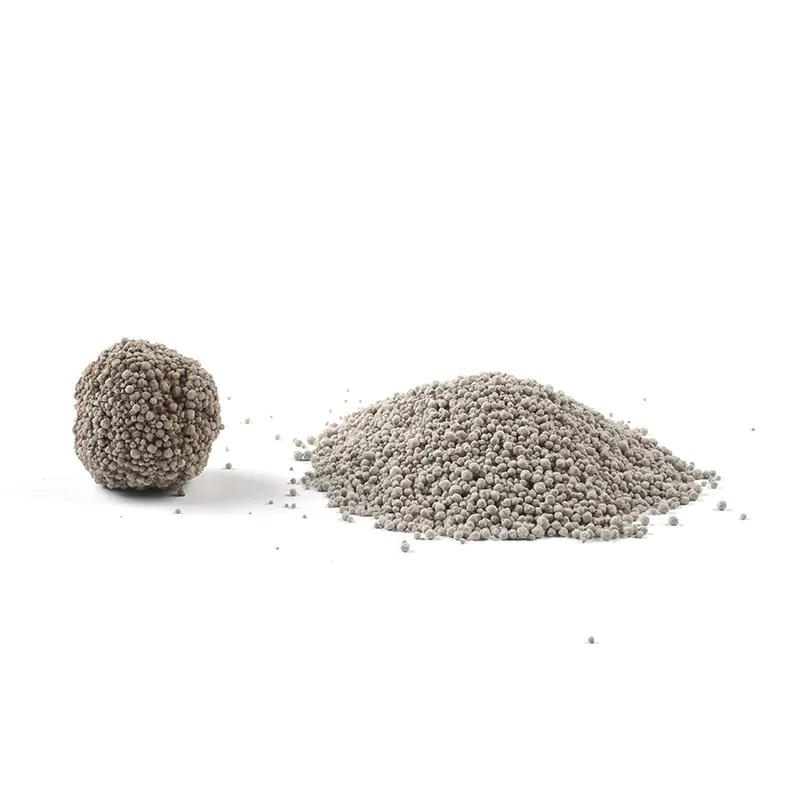
Bentonite Cat Litter


Got Questions? Call us 24/7

+8615263229311
No.88, Quandu Road, Xigang Town, Tengzhou City, Shandong, China. (Sincere Industrial Park)
OEM Cat Litter Manufacturers Bulk Cat Litter Wholesale Biodegradable Cat Litter Company



 English
 русский
 Español
 日本語
日本語 한국어
한국어


