
Industry News
Content
Yes, plant-based cat litter is generally safer than traditional clay litter. Made from food-grade materials like cassava, tofu, or corn, it poses minimal risk if ingested – perfect for curious kittens or cats with pica. It also produces significantly less dust than clay litter, reducing respiratory irritation for both cats and owners.
Most cats adapt well to plant-based litter, especially if you transition gradually. Start with a 75% clay, 25% plant-based mix, then increase the plant-based portion over 1-2 weeks. Choose a texture similar to what your cat is used to (fine-grain tofu is often easier to transition to than pelletized pine).
High-quality plant-based litters offer excellent odor control through natural absorption and neutralization, not just fragrance masking. Cassava and corn-based formulas are particularly effective at trapping ammonia (urine odor) without harsh chemicals. For best results, scoop daily and change the entire litter box every 2-3 weeks.
Some plant-based litters are specifically designed to be flushable, but always check the packaging and local regulations first. Cassava and tofu litters are generally the most water-soluble options, while corn and wheat litters may take longer to break down. Never flush large clumps or entire litter box changes – dispose of these in the trash or compost.
Plant-based litter typically costs 20-50% more upfront than traditional clay litter. However, many formulas last longer due to better absorption, and you’ll use less litter overall. The long-term savings on potential veterinary bills (for respiratory issues caused by clay dust) can also offset the higher initial cost.
Tracking depends on the specific formula and your cat’s habits. Lightweight plant-based litters may track more than heavier clay varieties, but there are solutions:
• Use a litter mat to catch stray particles
• Choose a formula with larger, denser pellets
• Place the litter box in a contained area
Yes, most plant-based litters are compostable, but only if they’re free of synthetic additives and fragrances. Use it for non-edible plants only, and follow proper composting guidelines to ensure safe decomposition. Avoid composting litter from cats with health issues.
Absolutely. Clay mining is destructive to natural habitats and uses significant energy and water resources. Plant-based litters are made from renewable materials and biodegrade in weeks to months, reducing landfill waste. The production process is also generally more sustainable, with some brands achieving carbon-neutral status.
Most cats with allergies benefit from plant-based litter, as it contains fewer potential irritants than clay. However, cats with specific food allergies (to corn, soy, or wheat) should avoid litters made from those ingredients. Opt for hypoallergenic options like cassava or wheat-free formulas instead.
Store plant-based litter in a cool, dry place in an airtight container to prevent moisture absorption and pest infestation. Avoid storing near food or in areas with high humidity, as this can cause the litter to clump prematurely or develop mold.
For most cat owners, the answer is a resounding yes. Plant-based litter offers a safer, more sustainable alternative to traditional clay without sacrificing performance. Whether you’re concerned about your cat’s health, the environment, or simply want a better litter experience, making the switch to plant-based is a decision both you and your feline friend will appreciate.
At Sincere Cat Litter, we’re committed to providing high-quality, eco-friendly plant-based options that meet the needs of modern cat owners. Explore our range today and take the first step toward a healthier, greener home for your cat.
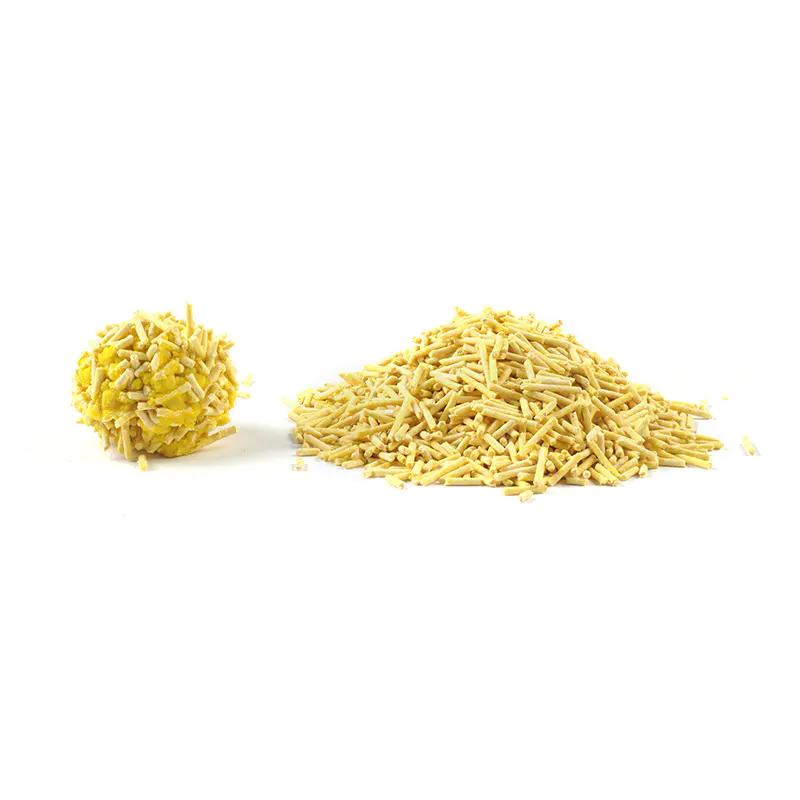
Tofu Cat Litter
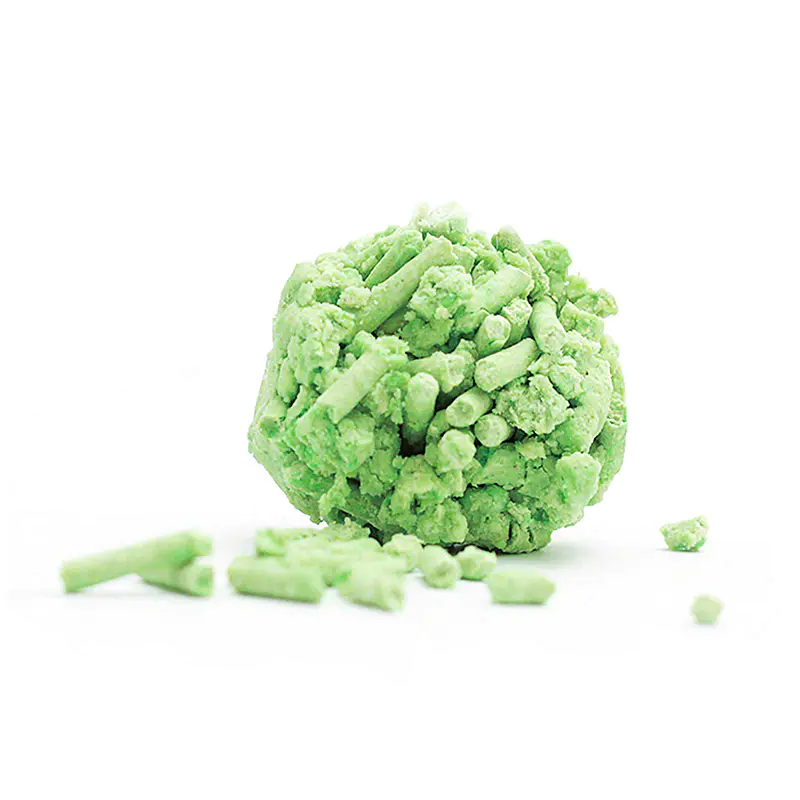
Tofu Cat Litter
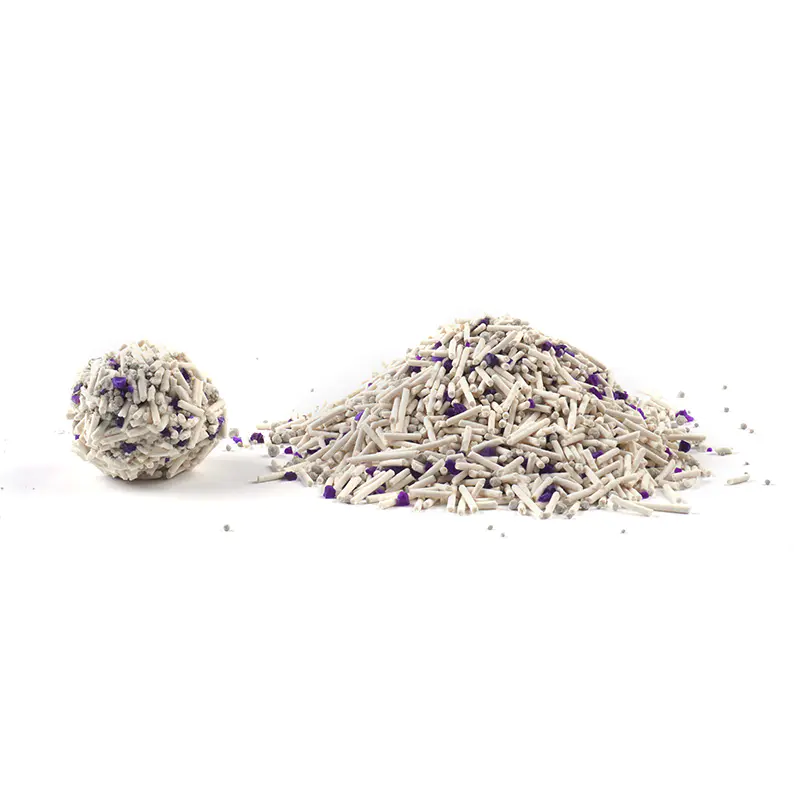
Mixed Cat Litter
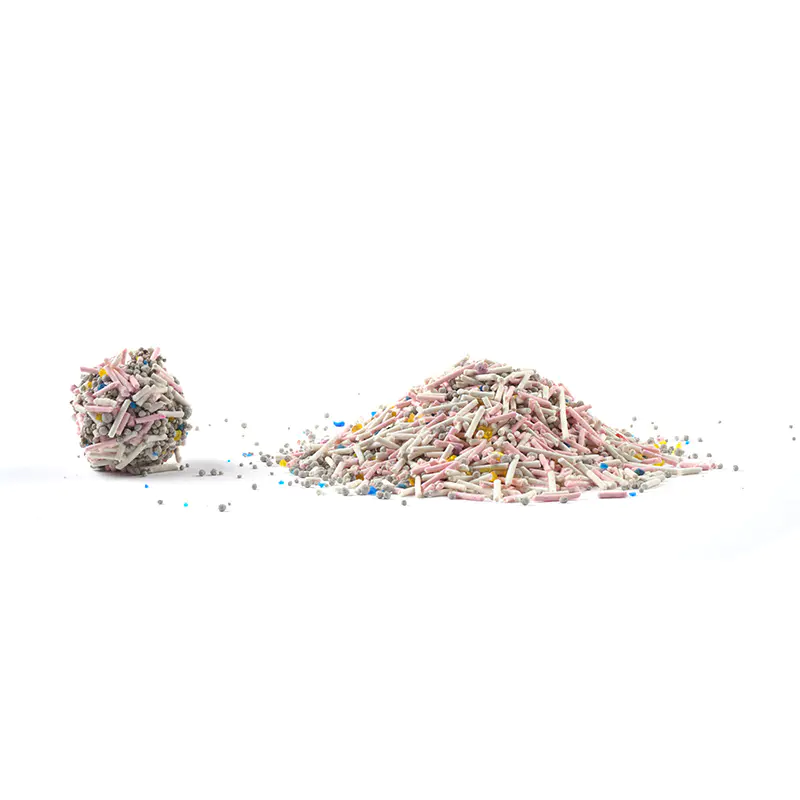
Mixed Cat Litter
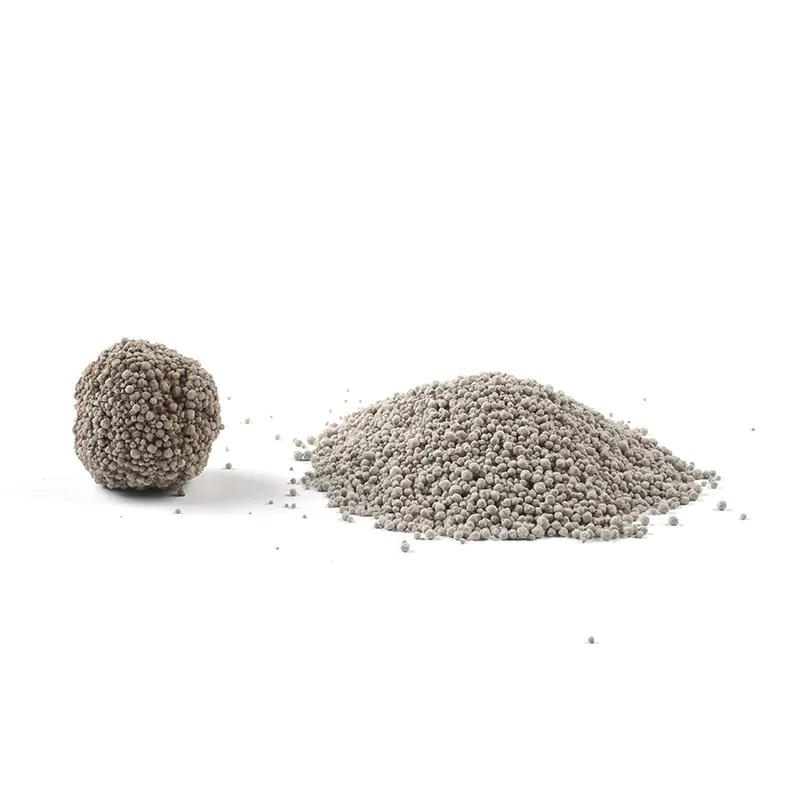
Bentonite Cat Litter


Got Questions? Call us 24/7

+8615263229311
No.88, Quandu Road, Xigang Town, Tengzhou City, Shandong, China. (Sincere Industrial Park)
OEM Cat Litter Manufacturers Bulk Cat Litter Wholesale Biodegradable Cat Litter Company



 English
 русский
 Español
 日本語
日本語 한국어
한국어


