
Industry News
Content
If the smell of ammonia from a traditional clay litter box returns just two days after a full change, you have already encountered the limitation silica crystal litter is designed to solve. Unlike clay granules that swell and clump around moisture, silica cat litter is made from amorphous silica gel—the same inert, porous material found in food-safe desiccant packets, engineered into irregular or bead-shaped crystals. Its primary mechanism is not clumping but high-capacity absorption through a network of microscopic channels.
Each crystal contains millions of sub-visible pores that pull liquid inside via capillary action. Urine and odor-causing molecules are physically locked into the internal structure while the outer crystal remains dry to the touch. A single crystal can trap over 40% of its own weight in moisture without releasing ammonia back into the air. This is what allows a well-maintained silica tray to control odor continuously for weeks while clay litter tends to saturate and re-emit smells after a few days. To explore the full range of crystal litter formulations, visit our crystal cat litter range.
Safety questions usually emerge the first time an owner sees the tiny translucent crystals. The critical distinction is between amorphous silica—the form used in cat litter—and crystalline silica, a known respiratory hazard. Amorphous silica is classified as chemically inert and is not associated with the lung silicosis risks tied to respirable crystalline silica dust. Veterinarians, including Dr. Melanie Zabell in industry literature, confirm that high-quality silica gel litter is essentially non-toxic if a cat ingests a few granules; the material passes through the digestive tract without breaking down.
Dust concerns, however, are more nuanced. Fresh silica litter generates almost no airborne dust during pouring, making it a strong candidate for cats with asthma or for owners sensitive to clay particulates. Over time, however, constant digging and paw friction can produce a fine powder that may accumulate at the bottom of the pan. This is not inherently more dangerous than other litters, but monitoring a tray across a full three- or four-week cycle and discarding it when you notice a visible haze is a practical best practice. For kittens under four months or adult cats that habitually eat litter, a non-clumping crystal formula can still pose a mild intestinal blockage risk, so switch to a larger-grain or alternative material if this behavior persists.
A single tray of premium silica litter can suppress urine odor for three to four weeks in a single-cat household. The odor control mechanism is twofold: instantaneous fluid absorption prevents bacteria from breeding in standing liquid, and the porous matrix traps ammonia molecules inside the crystal structure even after the water component evaporates. Compared to scented clay litters that attempt to mask odor, silica removes it at the chemical adsorption level. In multi-cat homes, the extra bacterial load shortens the effective window to roughly two weeks, but the performance still outpaces most bentonite formulas. How silica litter reduces bacterial growth explains the science behind this dry-state pathogen suppression. For a product that maximizes this absorptive capacity, consider our eco-friendly high-adsorption crystal litter.
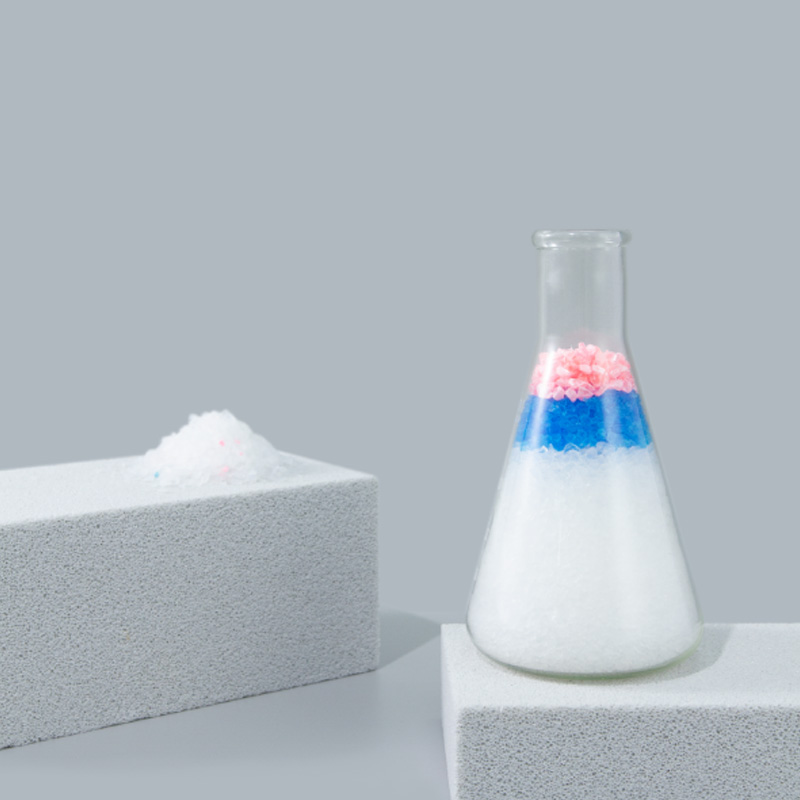 Eco-Friendly High Adsorption Silica Gel Crystal Cat Litter Wholesale Factory SupSincere: China Wholesale Eco-Friendly High Adsorption Silica Gel Crystal Cat Litter Wholesale Factory Supply Suppliers and Company, Custo...View Product →
When you pour a bag of micronized clay litter, the visible cloud is not just inconvenient—it carries fine particulates deep into feline and human lungs with every digging session. Silica crystals, by contrast, are too large and heavy to become airborne during normal use. This makes silica a go-to recommendation for asthmatic cat owners and anyone sensitive to household allergens. The immediate benefit is apparent: no dust film on nearby furniture and fewer sneezing episodes from the cat right after covering waste.
Because silica litter does not rely on clump removal to stay fresh, you only need to scoop solid waste daily and stir the crystals to redistribute saturated spots. This reduces the frequency of complete changes and cuts total product consumption over time. Many owners report that a 4-pound bag of silica lasts as long as 20 pounds of clay when managed correctly. Self-cleaning litter boxes that separate waste by sifting often work well with silica crystals specifically because the material stays loose and dry; crystal litter separates urine and solid waste mechanically without forming sticky clumps that obstruct mechanism rakes.
If you are accustomed to scooping out solidified urine balls, the behavior of silica can feel counterintuitive. Instead of forming hard clumps, the crystals simply turn from translucent to yellow or milky white, signaling saturation. You still must remove feces daily, but urine remains in the tray until the full litter change. This design choice intentionally prioritizes long-cycle ammonia control over daily urine removal, which means diligent stirring and a consistent replacement schedule are non-negotiable to prevent tray bottom saturation.
Some cats, particularly those with tender paw pads or a strong preference for fine-sand texture, may reject standard crystal litter on first exposure. The granules can feel sharp underfoot compared to soft tofu pellets or fine bentonite. Transition success often depends on a gradual replacement method: start with a 20% mix in the existing litter and increase the ratio over ten days. Choosing a finer, more rounded crystal variant dramatically improves acceptance rates; fine-texture crystal litter for sensitive paws demonstrates how granule engineering can bridge this tactile gap.
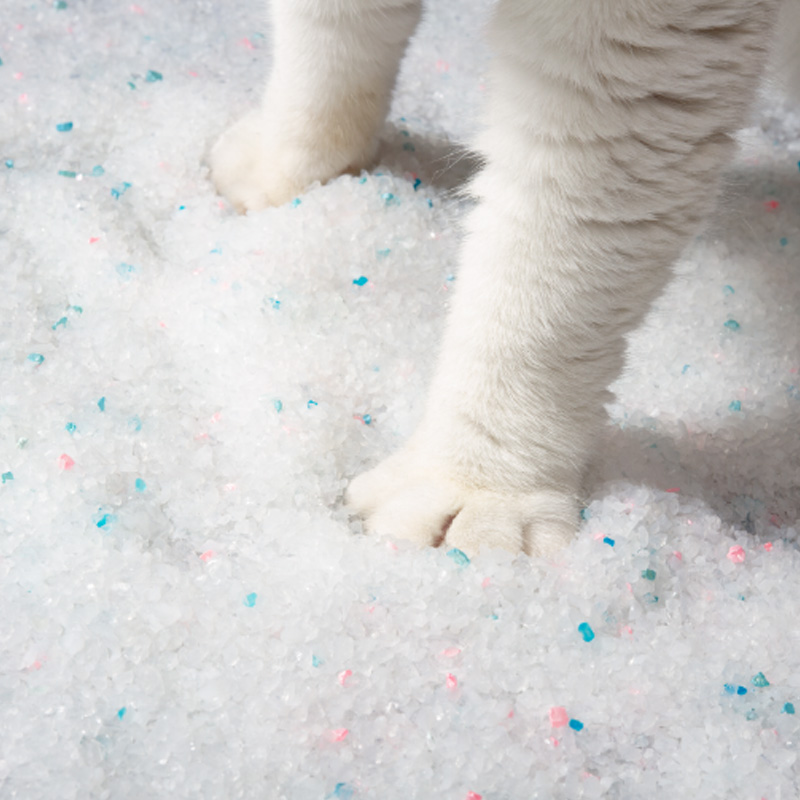 Lightweight Fine Sand Crystal Cat Litter With Ideal Granule Size And Texture ForSincere: China Wholesale Lightweight Fine Sand Crystal Cat Litter With Ideal Granule Size And Texture For Tender Paws Suppliers and Compa...View Product →
Amorphous silica is derived from mined mineral sand and undergoes an energy-intensive manufacturing process. The used litter is not biodegradable and must never be flushed down a toilet. Disposal means sealing it in a trash bag for landfill—unlike plant-based litters that can be composted or flushed. If end-of-life ecological impact is your primary decision driver, crystal silica scores lower than tofu or cassava alternatives, even though its reduced replacement frequency somewhat offsets the per-cycle footprint.
| Feature | Silica Crystal | Clay (Bentonite) | Tofu |
|---|---|---|---|
| Dust Level | Very low | Moderate to high | Low |
| Odor Control | High, long-duration | Moderate, fades | Moderate, short-duration |
| Clumping | No | Strong clumps | Soft clumps |
| Lifespan per Fill | 3–4 weeks (single cat) | 1–2 weeks | 1–2 weeks |
| Eco-Friendliness | Mined mineral, non-biodegradable | Strip-mined, non-biodegradable | Plant-based, biodegradable |
Silica crystal litter rewards a proactive cleaning routine with weeks of nearly odor-free, dust-minimal operation. It excels in homes where ammonia sensitivity and respiratory comfort rank above the desire for daily urine scooping. The best adoption approach respects the cat’s tactile preferences: begin with a fine-grain variant and a slow transition, and monitor the tray for any powder accumulation after two weeks. If your priority leans toward flushable, plant-based materials, tofu litter remains an appropriate alternative, but for sustained dry-state odor suppression with minimal airborne particulates, a high-adsorption silica formula becomes a clear technical leader. Align your choice with your cat’s health signals, your own maintenance tolerance, and your household air quality goals to land on a litter that truly serves both of you.
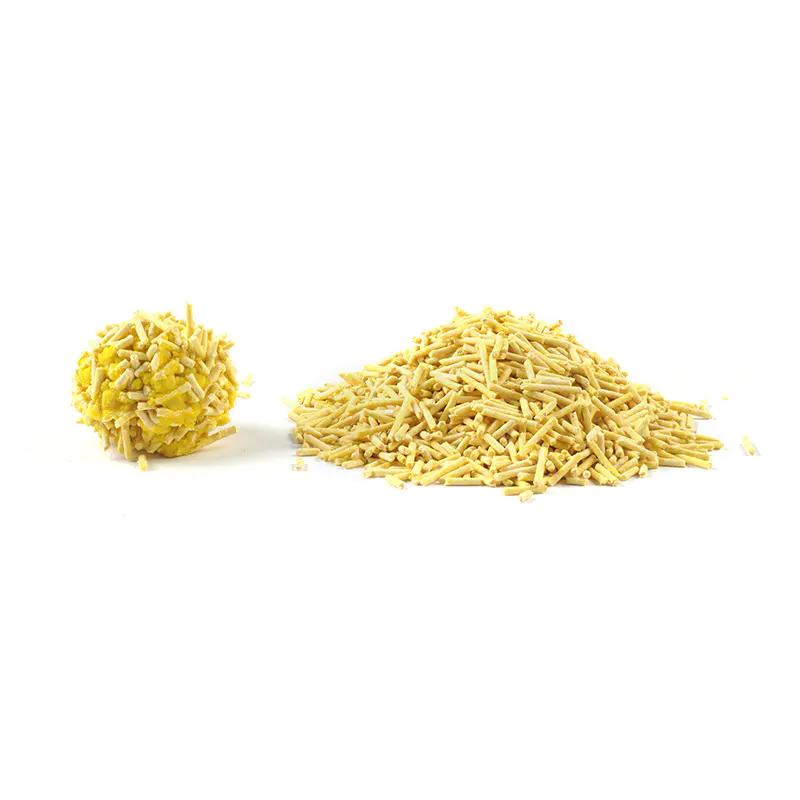
Tofu Cat Litter
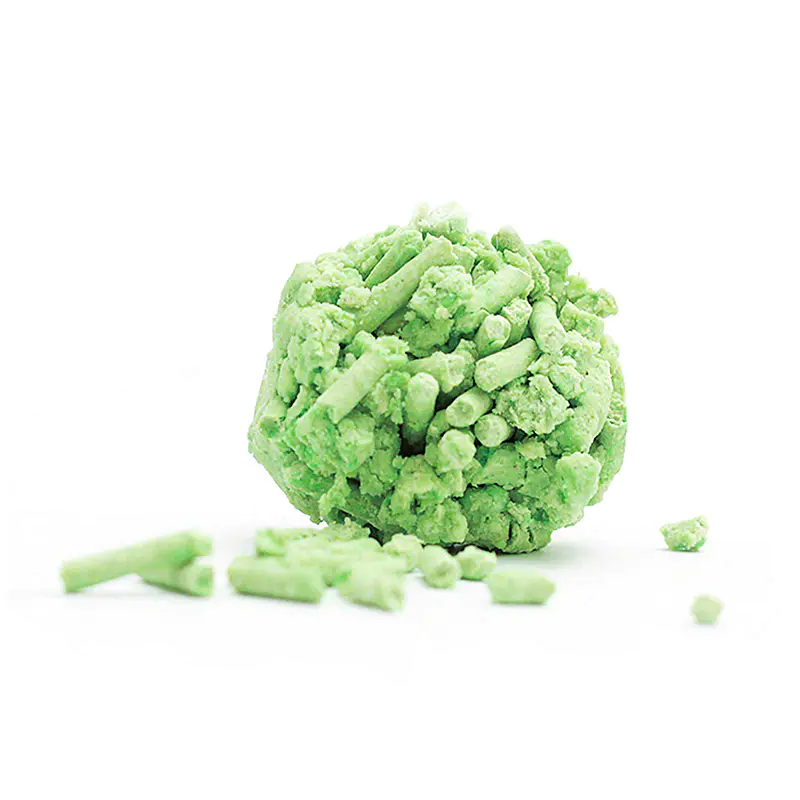
Tofu Cat Litter
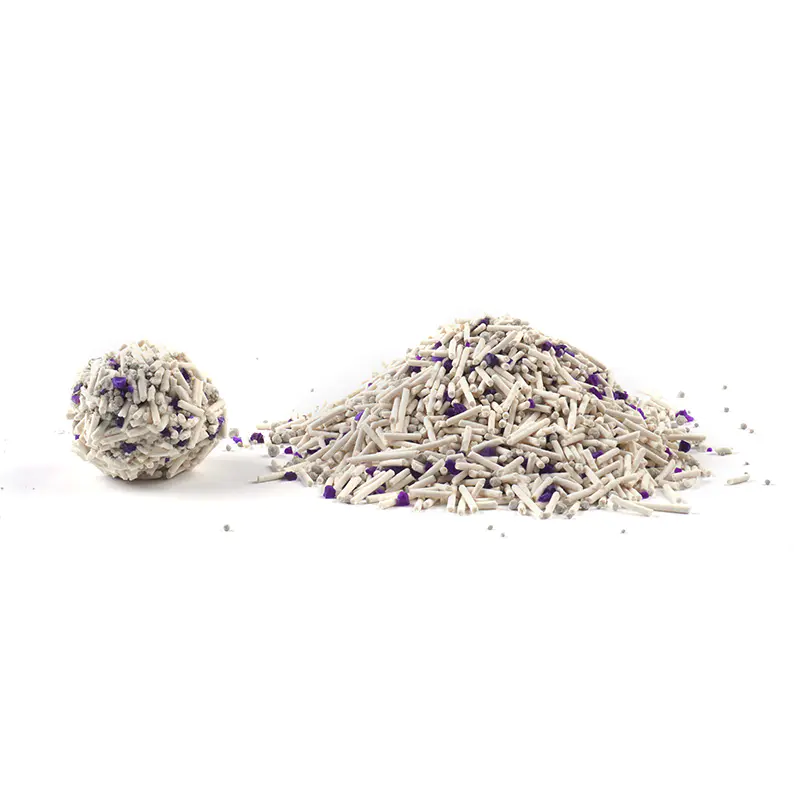
Mixed Cat Litter
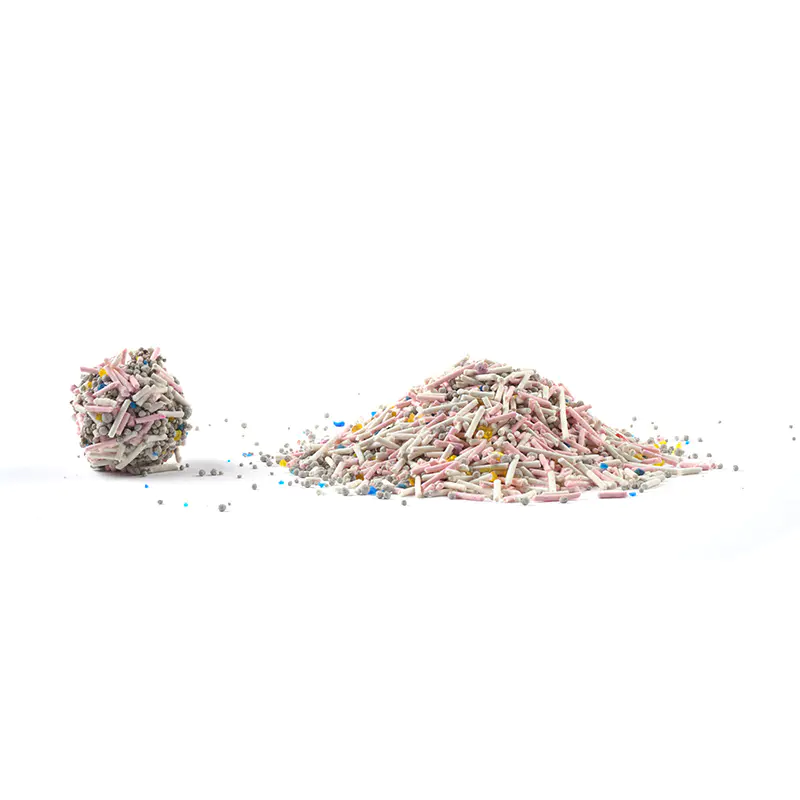
Mixed Cat Litter
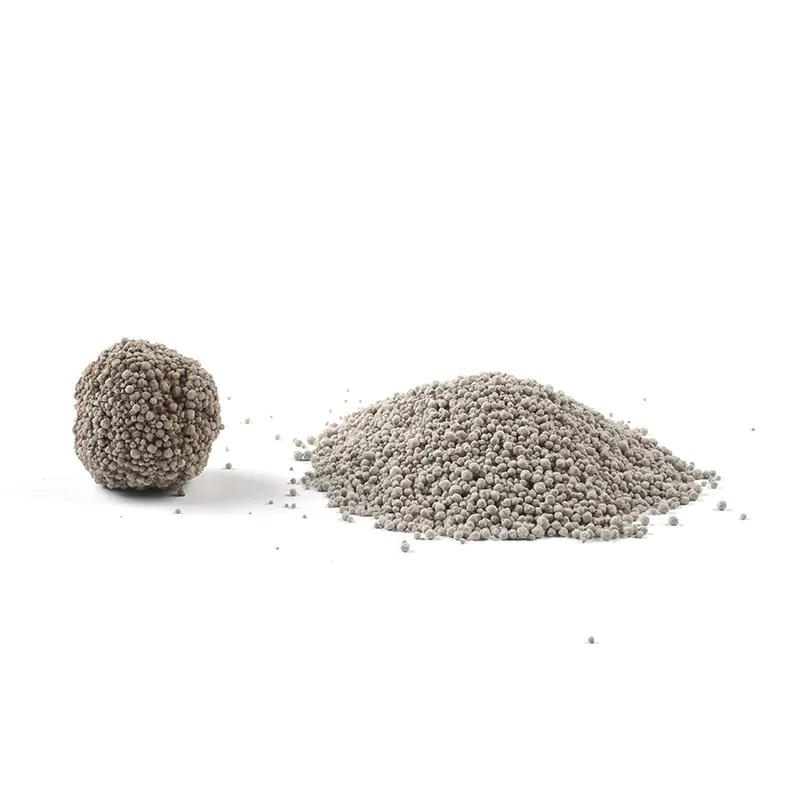
Bentonite Cat Litter


Got Questions? Call us 24/7

+8615263229311
No.88, Quandu Road, Xigang Town, Tengzhou City, Shandong, China. (Sincere Industrial Park)
OEM Cat Litter Manufacturers Bulk Cat Litter Wholesale Biodegradable Cat Litter Company



 English
 русский
 Español
 日本語
日本語 한국어
한국어


