
Industry News
Content
For most adult cats, fill the litter box to a settled depth of 2 to 3 inches (5 to 7.5 cm) across the entire base. That single measurement solves more problems than most litter changes: urine reaches the clumping layer instead of the plastic, claws get enough material to cover waste, and the box stays easier to scoop.
Depth is not one setting for every household. A 12-week-old kitten, a large cat, a high-sided box, and a fine crystal litter all push the number in different directions. Start near 3 inches, watch how your cat digs, then adjust by half an inch.
Measure at the corners. Cats often urinate near a corner. Litter there can look deep in the middle but be only 1 inch deep at the edge, which is where clumps stick and odors begin.
Two to three inches is the workable range for most adult cats because it gives urine an absorbent layer before it reaches the tray, yet stays shallow enough for the cat to stand and turn comfortably. Below 1.5 inches, clumps bond to the bottom. Above 4 inches, many cats feel less secure, clean litter spills over low sides, and the box takes more product than it needs.
The best depth is the one your cat can dig in without hitting plastic and you can scoop without scraping a cement-like layer. A medium box with a standard clumping litter usually needs 2.5 inches, not a full bag.
Litter depth is the settled thickness of litter across the base of the box after pouring and leveling. It is not the height of the pile in the center, and it is not the same as box wall height.
Shallow litter sends urine to the plastic; deep litter pushes clean litter over the side. Both problems look like litter failures, but the cause is often fill level. A 24 by 18 inch box with a 1 inch layer gives urine nowhere to go, while the same box filled to 5 inches can overwhelm a nervous cat or a low-sided tray.
Depth affects density. A light plant-fiber litter at 3 inches weighs much less than a bentonite litter at the same depth. Judge the fill by the litter line, not by the number of scoops or the weight of the bag.
Start most litters at 2 to 3 inches, then adjust for granule size and clumping style. The table below is a practical starting point for a standard adult cat in a medium box with walls at least 5 inches high.
Granule size matters as much as material. A 2.5 mm tofu granule settles differently from a 3.3 to 8 mm bentonite granule, and fine crystal sand can look deep while holding very little weight.
| Litter type | Starting depth | Practical note |
| Tofu and cassava plant fiber | 2.5-3 in (6-7.5 cm) | Fast absorption and light granules; too shallow layers stick to the tray. |
| Bentonite and mineral clay | 2-3 in (5-7.5 cm) | Heavier clumping litter; 2 inches can work in a deep box with daily scooping. |
| Crystal and silica | 1.5-2.5 in (4-6 cm) | Non-clumping material; enough coverage to hide waste without a noisy, overfilled tray. |
| Mixed litter | 2-3 in (5-7.5 cm) | Follow the clumping component; blends with mineral or crystal need less volume. |
Use 2.5 to 3 inches for a standard adult cat. A 2.5 mm health-monitoring tofu granule can form firm clumps quickly, but a thin layer lets the clump reach the box floor. For cats that dig hard, keep the 3 inch line and use a box with higher walls rather than adding a fifth inch of litter.
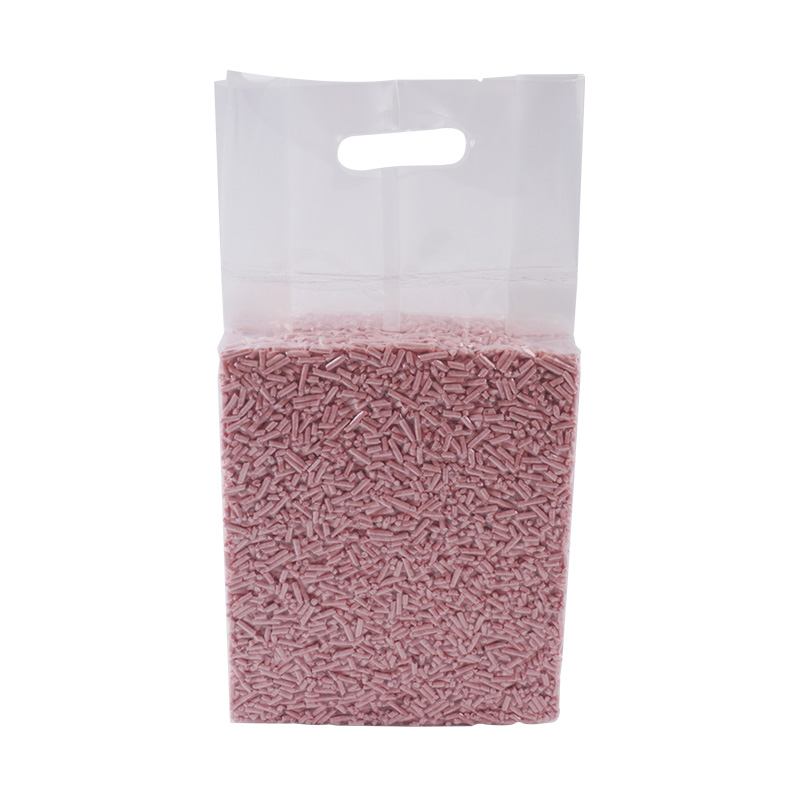 2.5 mm Health-Monitoring Tofu Cat LitterA 2.5 mm tofu litter that clumps quickly and offers preliminary urine color-change monitoring; useful when setting a 2.5–3 inch depth for adult cats.View Product →
Start at 1.5 to 2.5 inches. Crystal litter does not form clumps, so depth is mainly about coverage, comfort, and keeping waste out of direct contact with the tray. Too much fine crystal makes digging noisy and increases tracking on smooth floors.
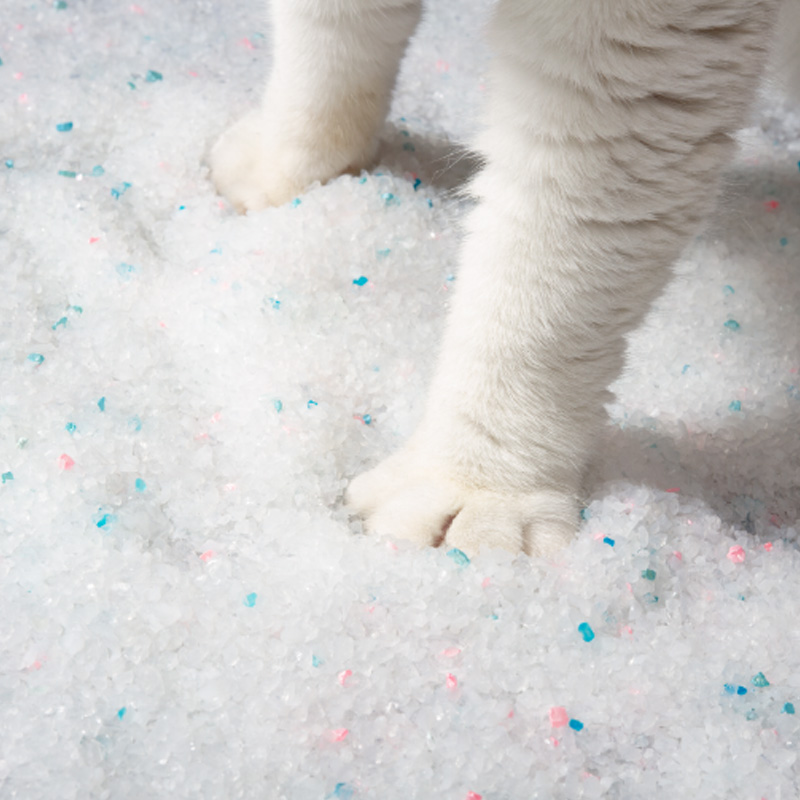 Lightweight Fine Sand Crystal Cat LitterFine 0.2–0.8 mm silica crystal litter with quick absorption and a paw-gentle texture, suited to a 1.5–2.5 inch layer for coverage.View Product →
Start at 2 to 3 inches. Heavier clumping granules stay in place better, so a 2 inch layer can be sufficient in a deep box. If clumps consistently stick to the bottom, add half an inch before changing the entire litter type.
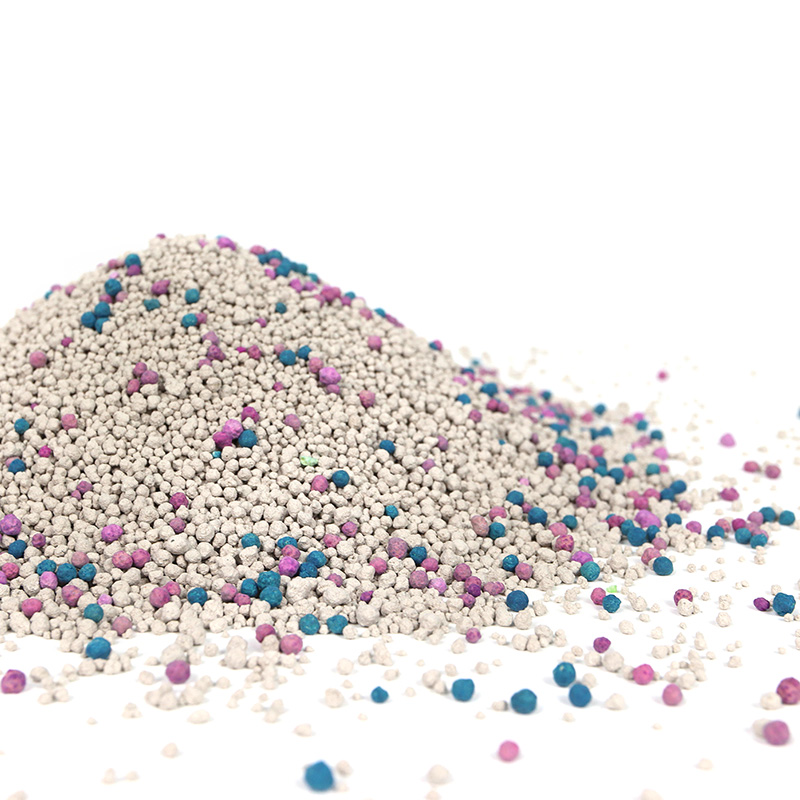 Premium Natural Bentonite Cat Litter 0.3–3.8 mmSpherical bentonite litter with mixed particle sizes, ≥250% absorption, and fast clumping; a 2–3 inch layer helps keep heavier granules in place.View Product →
Set a target depth and keep it after every scoop; litter compacts and disappears with use. A small ruler or a marked scoop handle is more reliable than guessing by eye, especially in a box with high sides.
Box size is the other half of depth. This litter box setup guide covers box dimensions and fill levels together, which is useful if your current tray is narrow or has a low entry lip.
Half-inch rule. Adjust depth in half-inch steps, not full bags. A small change is enough to stop bottom clumps without turning a comfortable box into a deep pit.
The right depth changes with the cat and the box, not with fashion. Kittens, seniors, large cats, and automatic units all need a different balance between coverage and easy movement.
Use 1.5 to 2 inches and a low-entry box. Deep litter can make a small cat sink or hesitate, which leads to accidents beside the tray.
Keep 1.5 to 2 inches with a low threshold. High walls and deep litter are a hard combination for cats with stiff joints.
Use 3 inches, or up to 4 inches if the cat digs hard, and provide a box at least 1.5 times the cat's body length.
Follow the manufacturer's fill line, usually around 2 to 3 inches. Overfilling can block sensors, jam the rake, or cause clean litter to be dumped with waste.
In multi-cat homes, do not solve crowding by adding depth. Keep the line at 2.5 to 3 inches and add another box; the common rule is one box per cat plus one spare.
For private-label cat litter, recommended fill depth belongs in the product specification, not only in a care blog. It affects how the product performs in the home, how much a bag covers, and how the consumer judges clumping, dust, and odor control.
Sincere Pet Products supplies tofu, cassava, bentonite, crystal, mineral, and mixed cat litters for OEM and private-label programs. The Sincere difference page outlines the manufacturing and customization approach behind those ranges, including granule options and product development support.
Depth is a performance variable. A buyer testing a new private-label litter should compare samples at the same 2.5 inch fill line, in the same box, with the same scooping schedule.
The working depth for most adult cats is 2 to 3 inches, with small adjustments for age, litter material, and box design. These answers cover the questions that come up most often.
Quick check: after leveling, the litter line should cover the base of the scoop at every corner, not just in the middle of the box.
Yes for many adult cats in a standard box, especially with a heavy clumping litter. If urine reaches the tray or clumps stick to the bottom, add half an inch and check the corners again.
Usually yes. A 1.5 to 2 inch layer with a low-entry box is easier on older joints. If the cat still digs to the bottom, switch to a softer, finer litter before making the layer much deeper.
Crystal litter typically works at 1.5 to 2.5 inches. It does not clump, so the goal is steady coverage and comfort. A deeper layer can make digging noisy and send lightweight crystals over the side.
Top up after scooping, or at least once a day, to keep the original line. A full change depends on the material and the number of cats; plant-fiber litters often need a full reset sooner than mineral or crystal litters.
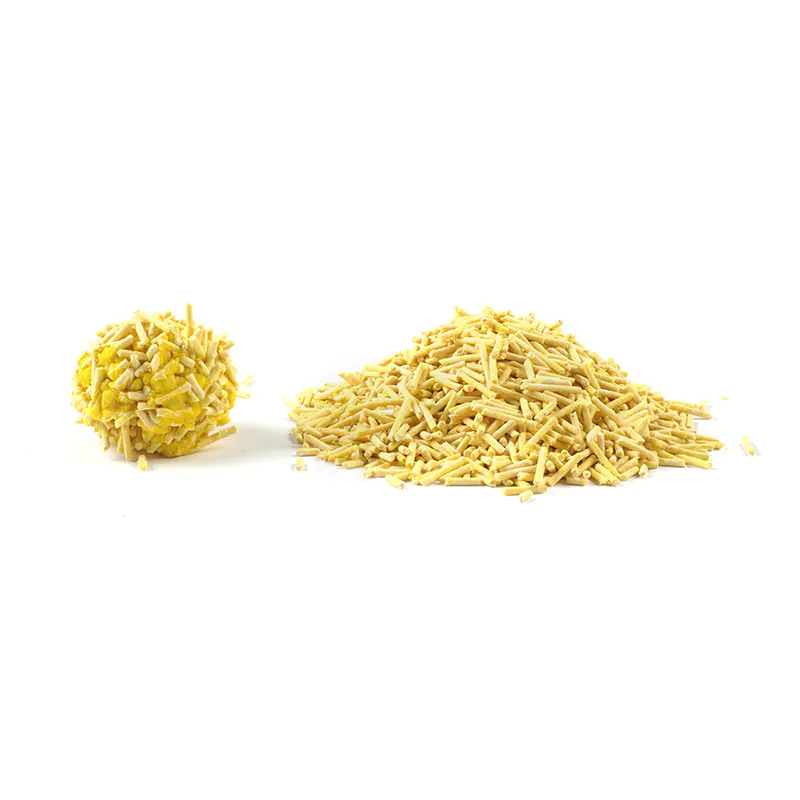
Tofu Cat Litter
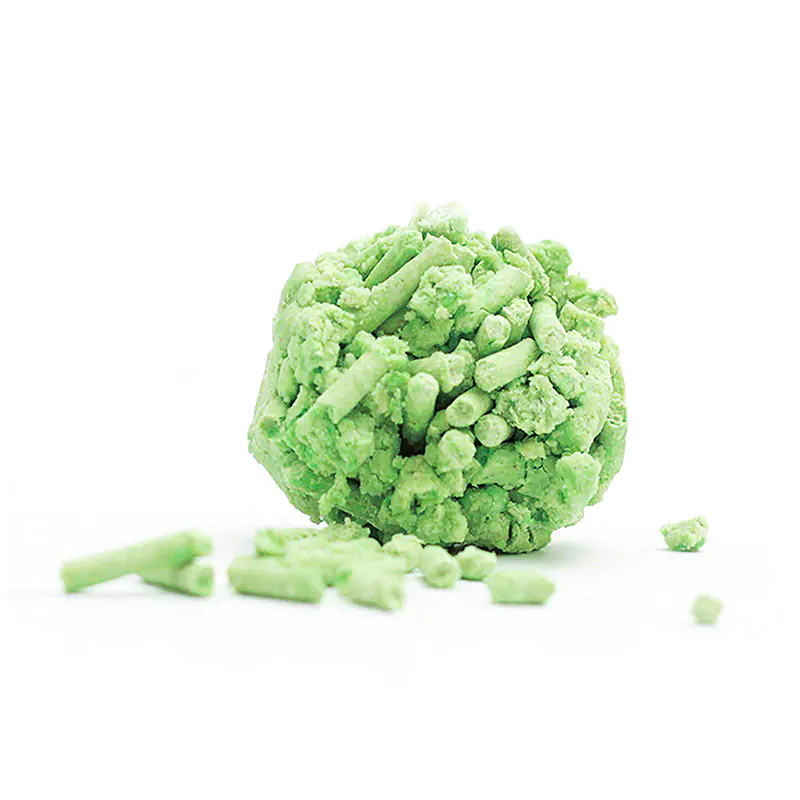
Tofu Cat Litter
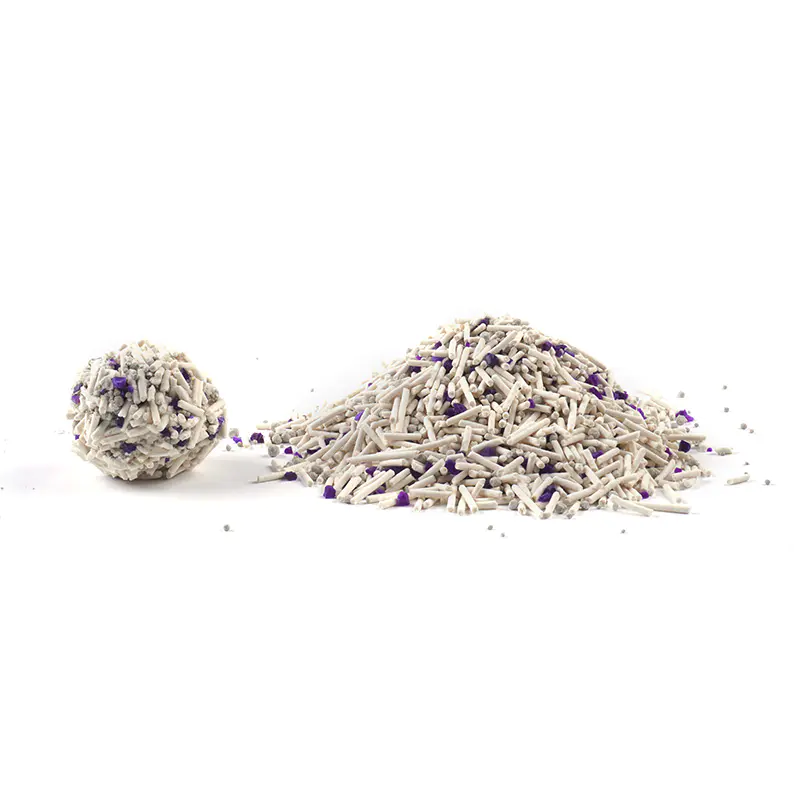
Mixed Cat Litter
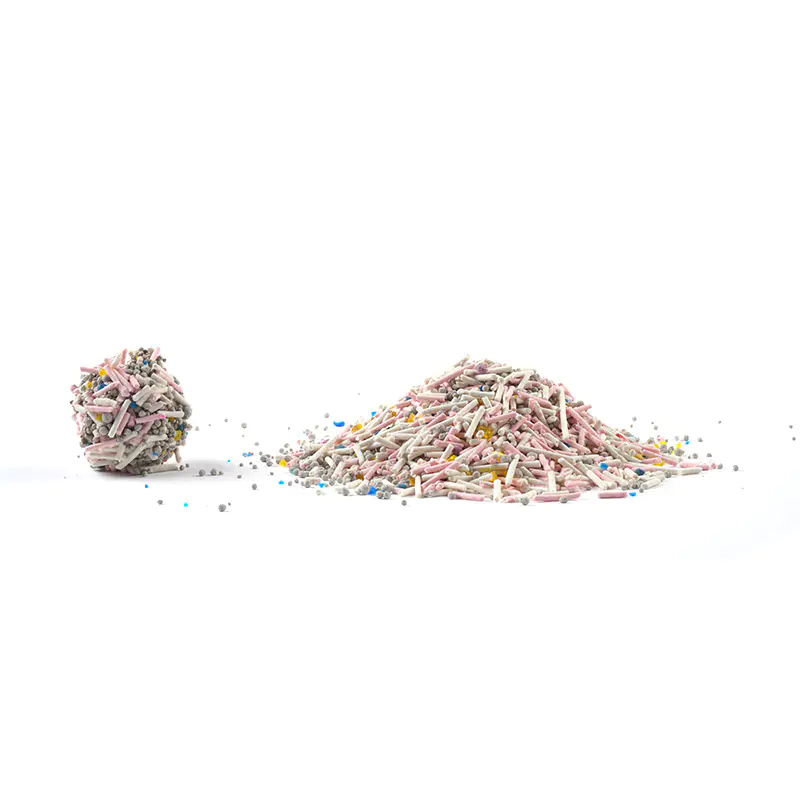
Mixed Cat Litter
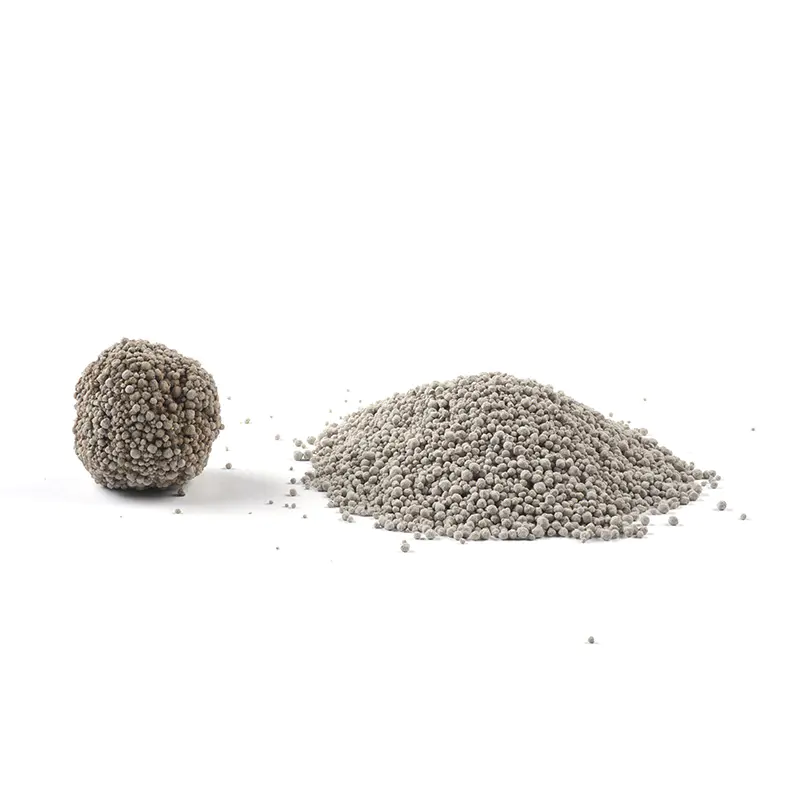
Bentonite Cat Litter


Got Questions? Call us 24/7

+8615263229311
No.88, Quandu Road, Xigang Town, Tengzhou City, Shandong, China. (Sincere Industrial Park)
OEM Cat Litter Manufacturers Bulk Cat Litter Wholesale Biodegradable Cat Litter Company



 English
 русский
 Español
 日本語
 한국어


