
Industry News
Content
A single indoor cat, one uncovered box, and a bag of 3.0 mm tofu litter usually add up to a full litter change every two to four weeks. Add a second cat, switch to non-clumping clay, or park the box next to a humid bathroom, and that window can shrink to five to seven days. The number itself is not the useful part. What matters is knowing which variables push the schedule in which direction, and how to tell when a bed of litter has quietly stopped working.
So here is the baseline first: scoop solids and clumps at least once a day, replace the entire bed every two to four weeks with a quality clumping litter, and shorten that interval whenever the box serves more cats, holds a non-clumping material, or sits in a warm, poorly ventilated room. The reasons behind those numbers are more practical than they sound.
Litter material sets the outer limit. Clumping products lock urine into a firm mass that lifts out with a scoop, so only a small share of the bed disappears each day and the remainder stays serviceable for weeks. Non-clumping clay, paper, and wood pellets do not isolate waste at all; liquid spreads through the whole tray, which is why a complete replacement every five to seven days is the realistic ceiling.
Silica gel and crystal litters behave differently again. The porous granules absorb moisture and then let it evaporate, so the bed stays dry far longer, and three to four weeks is achievable as long as solids are removed daily and the granules are stirred to expose fresh surface.
The table below turns those ranges into a routine you can plan around rather than guess at.
| Litter type | Daily routine | Full change interval |
|---|---|---|
| Clumping clay or bentonite | Scoop once or twice daily | 2-4 weeks |
| Non-clumping clay, paper, or wood | Remove solids, stir the bed | 5-7 days |
| Silica gel or crystal | Remove solids, stir granules | 3-4 weeks |
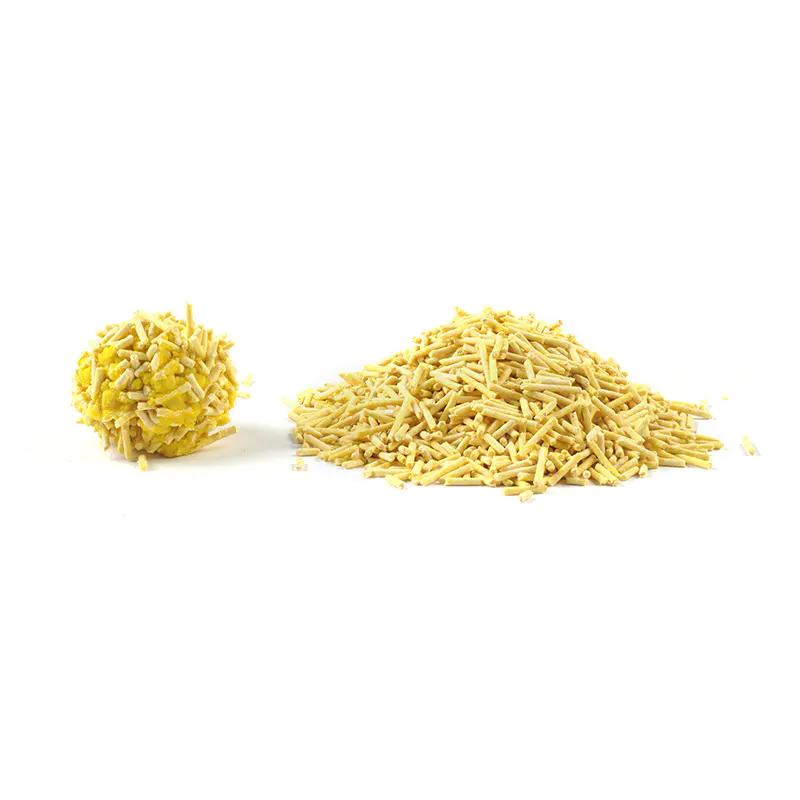
| Tofu and other plant fiber | Scoop once or twice daily | 2-4 weeks |
| Cassava | Scoop once or twice daily | 2-3 weeks |
| Mixed litter (mineral plus plant) | Scoop once or twice daily | 3-4 weeks |
Daily scooping removes most of the waste, but never all of it. Every clump leaves fines behind that sieve through the scoop, every urine edge that touches the plastic leaves residue, and every cat that digs spreads those fines back through the bed. Over two weeks a litter box behaves like a filter that slowly saturates, and the material still looks clean while it stops performing.
The symptoms then follow a predictable order. Clumps soften and break apart during scooping, the litter feels cool and damp an inch below the surface, dust rises when you top up the tray, and the ammonia smell returns within hours of cleaning instead of staying away for a full day.
Depth matters here. A fill of 5 to 8 cm gives urine enough mass to clump before it reaches the floor. A shallower bed lets liquid pool on the bottom where no scoop can reach it, and that hidden layer keeps producing odor even in a box that looks spotless from above.
One box per cat plus one spare is the standard rule. Two cats sharing a single tray effectively halve the usable litter volume and double the daily load, which pulls the full-change interval down by about a week. Three cats on one box can justify a weekly change even with a premium clumping product.
Finer granules, such as a 2.5 mm plant-fiber pellet, pack tightly around liquid and form firmer clumps, so less waste escapes the scoop. Larger or irregular granules leave gaps, and the bed ages faster even when scooping is consistent.
Covered boxes trap humidity and concentrate ammonia near the cat's nose. Open, wide boxes with a 5 to 8 cm fill stay fresher longer. A tray that is too small for the cat also produces more misses over the edge, which adds to the daily cleaning load.
In a humid bathroom or a laundry room with poor air movement, moisture has nowhere to go and plant-fiber litters soften faster. Moving the box to a drier, airier spot, or running a dehumidifier nearby, can add a week to the schedule.
Cats with kidney disease, diabetes, or a urinary tract infection urinate more often and in larger volumes. If the box suddenly needs changing twice as often with no other change in the household, that shift deserves a vet visit rather than a bigger bag of litter.
The last sign is the clearest. Once a film builds on the plastic, no amount of scooping will solve the smell, because that residue is what generates it. At that point the tray needs washing, not just refilling.
Some plant-fiber litters also shift color when urine chemistry changes, which adds a second signal between full changes. A 2.5 mm health-monitoring tofu litter, for instance, is formulated so that color change is visible at scooping time, which is useful for owners watching a cat after treatment or a diet switch.
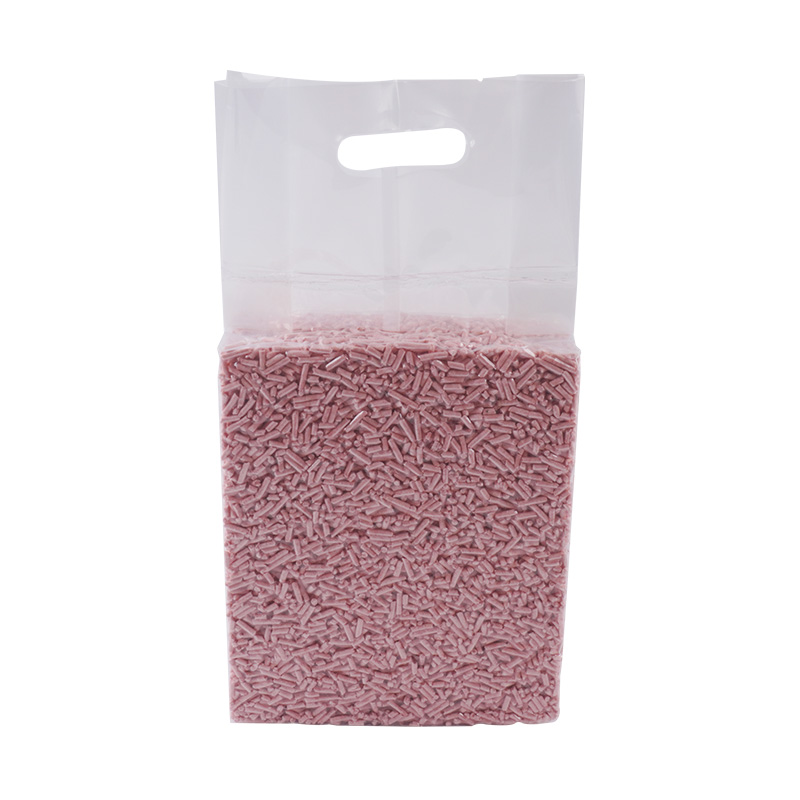 High-Quality Granule Size 2.5mm Health Monitoring Tofu Cat LitterFeatures/Advantages: Self-checking cat litter developed for the cat's lower urinary system 1. Urinary health, easy detection - preliminary detection can be performed a...View Product →
If a full change every two weeks feels like too much work, the material is the lever worth pulling. Crystal and silica litters tolerate the longest intervals because absorbed moisture evaporates instead of sitting in the bed. Plant-fiber options such as tofu, cassava, and their blends clump firmly and are flushable in many households, which shortens the job even when the calendar looks similar.
For cats that dislike coarse textures, a fine-sand crystal litter with small granules is easier on the paws and still holds up for three to four weeks with daily solids removal.
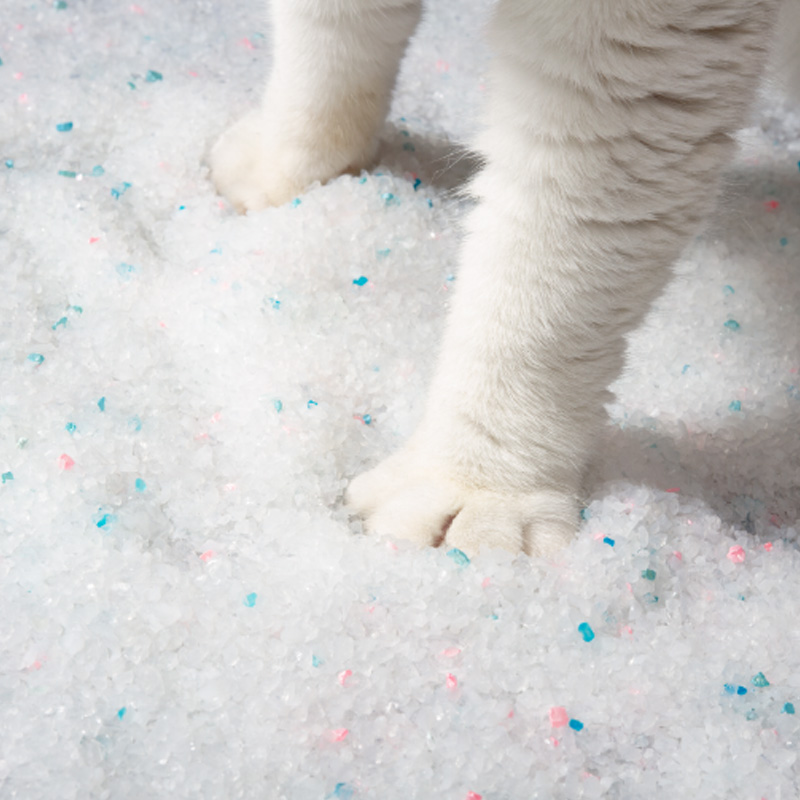 Lightweight Fine Sand Crystal Cat Litter With Ideal Granule Size And Texture For Tender PaFeatures/Advantages: 1. Instant Absorption and Clumping: The fine sand granules made of silica gel have strong absorbency, with the ability to absorb more than 250% of...View Product →
Odor control between changes is a separate problem from clumping. A deodorizing powder aimed at ammonia can extend the useful life of a bed by several days, especially in multi-cat homes where the schedule is already compressed.
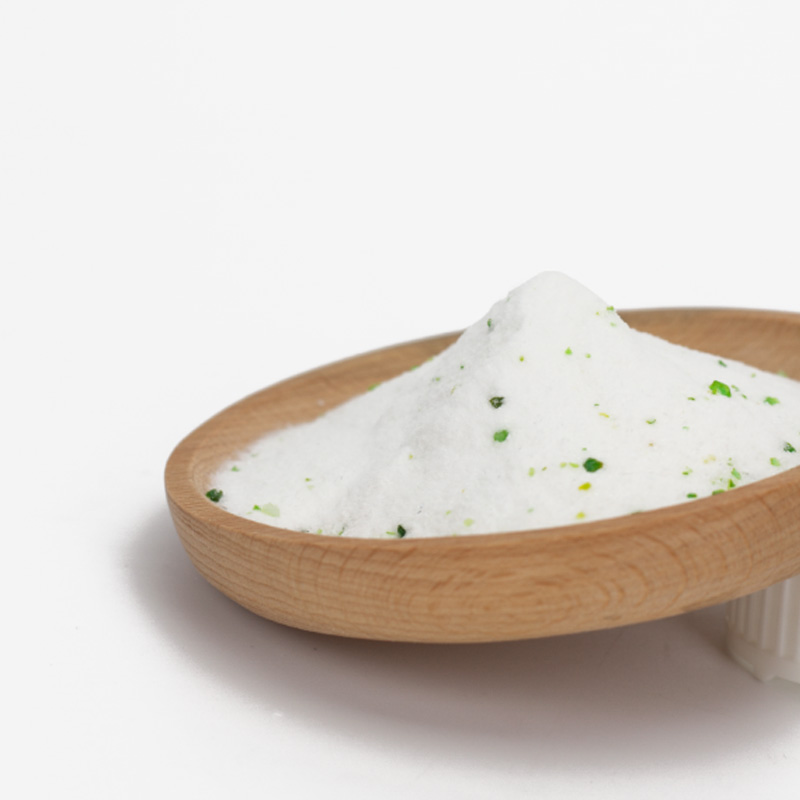 Premium Cat Litter Deodorizer Powder | Instant Odor Control,Long-Lasting Freshness·Way Odor Control Mechanism ·Cat-Safe Family-Friendly ·Litter Compatibility ·Moisture ManagementView Product →
If odor returns faster than your schedule predicts, the blend itself may be the cause rather than your cleaning routine. This comparison of mixed and single-type litters for odor control explains why layered materials often hold back ammonia longer than a single component.
For most homes the answer settles at daily scooping plus a full change every two to four weeks, then tightens for non-clumping litter, extra cats, humid rooms, and cats with health conditions. For brands and retailers, the same question reappears as a specification: how long a litter stays serviceable under a defined test condition, how firmly it clumps, and how much ammonia it holds back before the bed needs replacing.
Sincere Pet Products, part of the SINCHEM group in Shandong, manufactures tofu, cassava, bentonite, crystal, mineral, and mixed cat litters together with deodorizing powders, and supplies brands and supermarket private labels with OEM and custom formulation support. Stated annual capacity is 200,000 tons, backed by ISO quality and environmental certification and BSCI audit records. If you are specifying a litter around a defined change interval, the team can be reached through the contact page.
Tofu Cat Litter
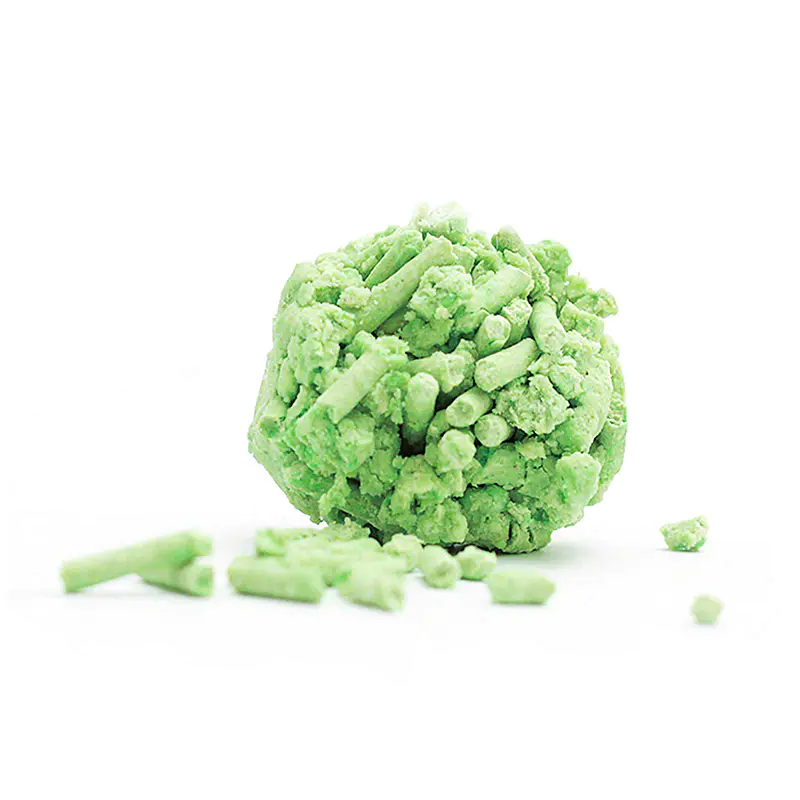
Tofu Cat Litter
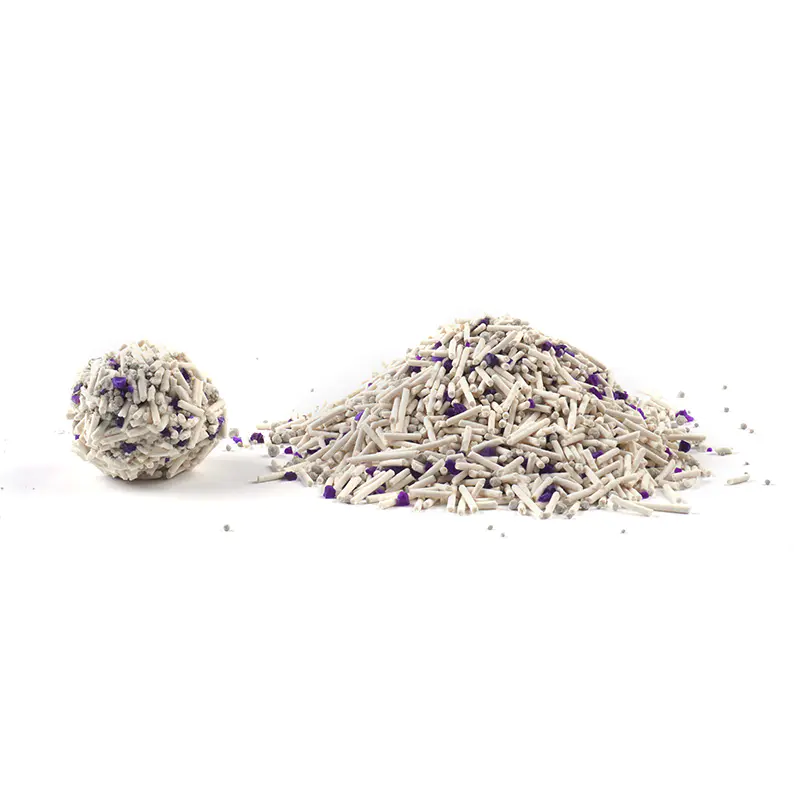
Mixed Cat Litter
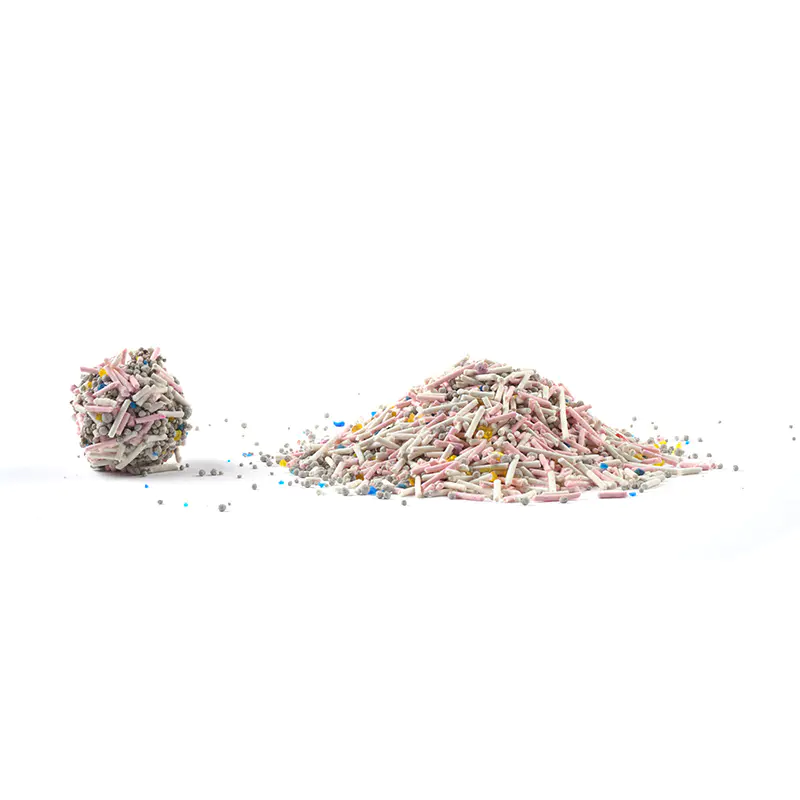
Mixed Cat Litter
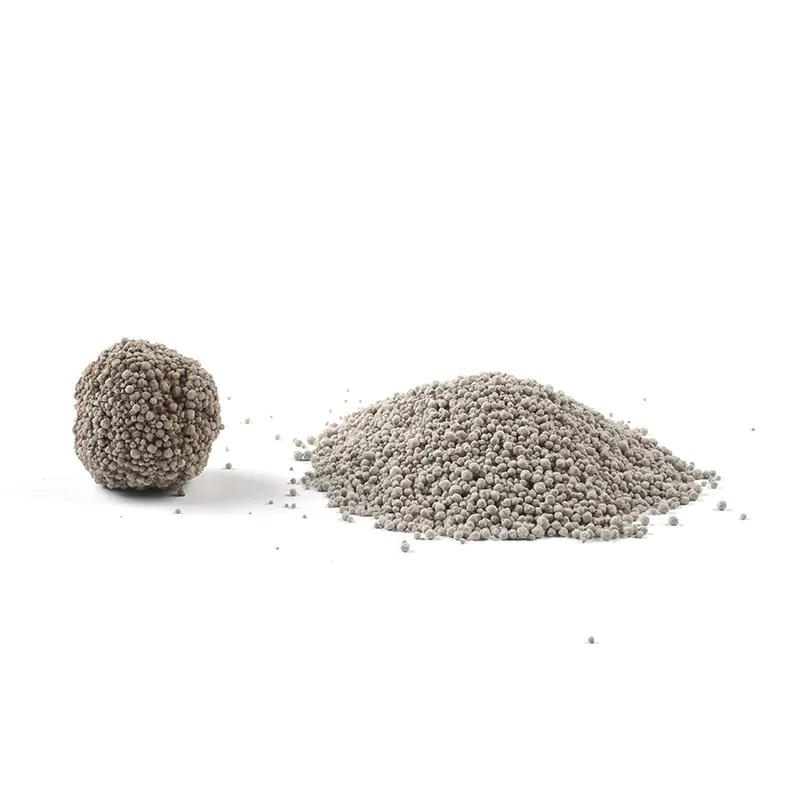
Bentonite Cat Litter


Got Questions? Call us 24/7

+8615263229311
No.88, Quandu Road, Xigang Town, Tengzhou City, Shandong, China. (Sincere Industrial Park)

OEM Cat Litter Manufacturers Bulk Cat Litter Wholesale Biodegradable Cat Litter Company



 English
 русский
 Español
 日本語
日本語 한국어
한국어


