
Industry News
Content
While it may seem like your cat is deliberately making a mess, inappropriate urination is often a sign that something is wrong. Your cat may be experiencing physical discomfort, environmental stress, territorial conflicts, or dissatisfaction with its litter box.
So, why do cats pee outside their litter boxes, and what can cat owners do about it?
Let's explore seven common reasons and some practical ways to help your feline friend feel comfortable again.
Cats are naturally territorial animals. Urine marking is one of the ways they communicate with other cats and establish their presence in a particular area.
This behavior is more common in multi-cat households, especially when cats feel threatened by unfamiliar animals, changes in their environment, or competition for resources.
It is important to distinguish urine marking from ordinary urination. Marking often involves small amounts of urine deposited on vertical surfaces, while regular urination usually leaves a larger puddle on a horizontal surface.
Provide separate resting areas, feeding stations, and litter boxes for each cat. Reducing competition and helping cats feel secure in their environment can make a significant difference.
Cats are sensitive to changes in their surroundings. Moving to a new home, introducing another pet, changing daily routines, or even rearranging furniture can cause stress.
Some cats may respond to these changes by urinating outside their litter boxes.
Maintain a consistent daily routine, provide quiet hiding places, and give your cat enough time to adjust to changes. Pay attention to unusual behavior and try to identify potential stress triggers.
Cats have a highly developed sense of smell and can be particularly sensitive to an unclean litter box.
If waste accumulates or unpleasant odors remain, your cat may start looking for a cleaner place to relieve itself.
Regular cleaning is therefore essential for maintaining good litter box habits.
Scoop out urine clumps and solid waste at least once a day, and clean the litter box regularly according to the type of litter you use.
Choosing a litter with effective moisture absorption, odor control, and easy-to-clean properties can also make daily maintenance easier.
Imagine having to use a bathroom located next to a noisy washing machine or in a crowded hallway. Your cat may feel just as uncomfortable.
Litter boxes placed near loud appliances, busy walkways, or areas with little privacy may discourage cats from using them.
Some cats also dislike litter boxes that are difficult to access, especially older cats or those with mobility problems.
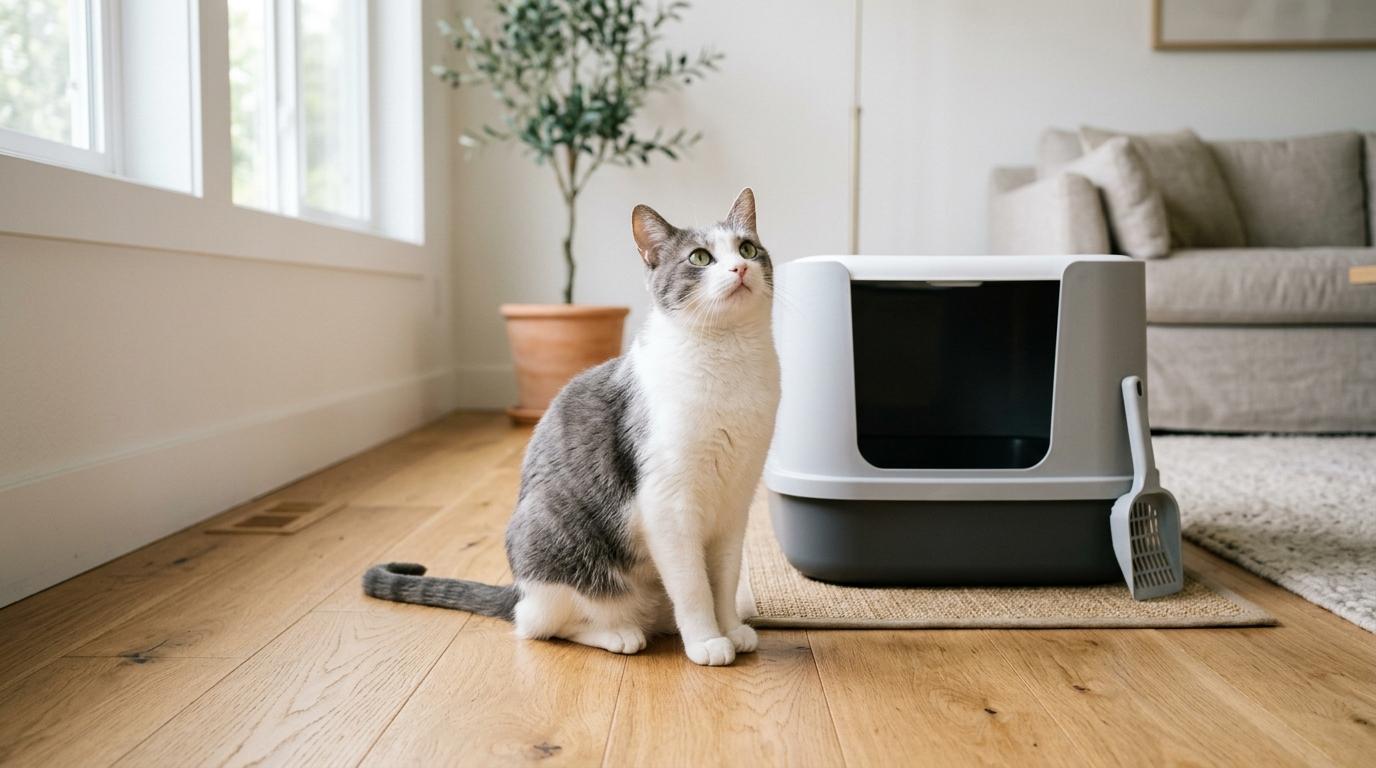
Choose a quiet, accessible location where your cat can use the litter box without being disturbed. Avoid placing it too close to food and water bowls.
If you have multiple floors, consider providing a litter box on each level.
Sharing is not always something cats enjoy!
A commonly recommended guideline is to provide one litter box per cat, plus one extra.
Having multiple boxes reduces competition and gives each cat more opportunities to find a comfortable and clean place to go.
Make sure the boxes are distributed throughout your home rather than placed side by side in one location. Clean each box regularly and monitor whether every cat has comfortable access.
This is one of the most overlooked reasons for litter box avoidance.
Cats can be surprisingly particular about the texture, smell, and feel of their litter. Some dislike coarse or uncomfortable granules, while others may avoid heavily scented products or litter that creates excessive dust.
A sudden change in litter type can also make some cats hesitant to use their boxes.
Finding the right litter is not just about controlling odors. It is also about creating a comfortable experience for your cat.
Consider the following factors:
At Sincere, we understand that every cat has different preferences. That's why we offer several cat litter options designed for different household needs.
Our product range includes:
Whether you prefer plant-based litter or traditional crystal options, selecting a product that matches your cat's habits can help create a more comfortable litter box experience.
Before assuming that your cat has a behavioral problem, it is essential to rule out medical conditions.
Urinating outside the litter box can be associated with several health issues, including:
Some of these conditions can cause pain, frequent urination, or difficulty reaching the litter box.
If your cat suddenly starts urinating outside its litter box, arrange a veterinary examination as soon as possible.
Pay particular attention if your cat repeatedly visits the litter box, strains to urinate, cries while urinating, or produces only small amounts of urine.
A veterinarian can identify or rule out medical causes before recommending behavioral or environmental changes.
Understanding your cat's behavior takes time, patience, and careful observation.
Here are a few simple habits that can make a difference:
Remember, your cat is not trying to make your life difficult. It may simply be trying to tell you that something needs attention.
At Sincere, we believe that a clean and comfortable litter box is an important part of everyday feline care. With more than 30 years of manufacturing experience, we continue to develop plant-based and silica cat litter solutions to support cats and their families around the world.
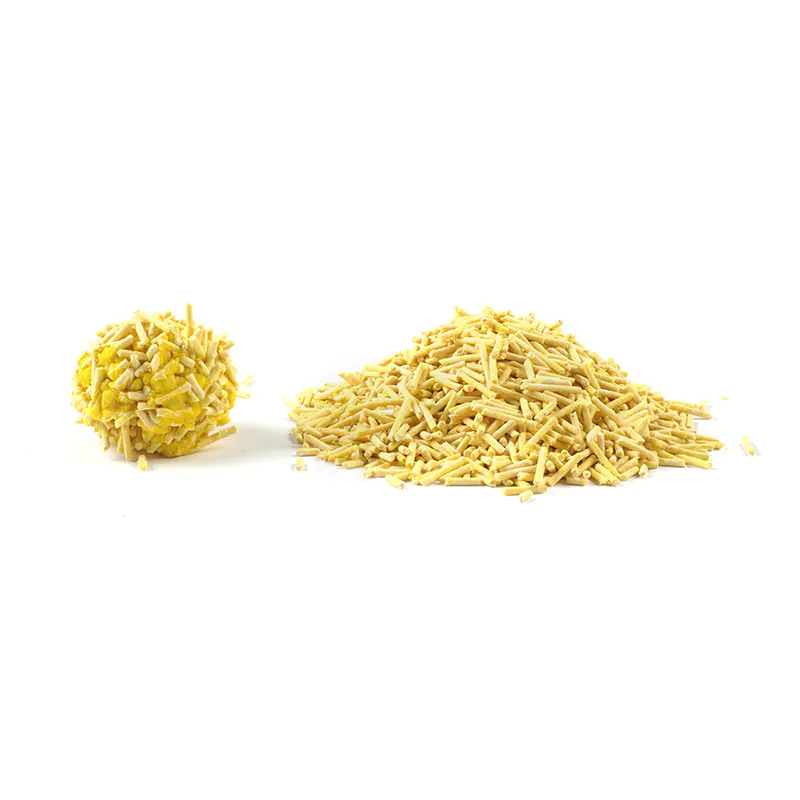
Tofu Cat Litter
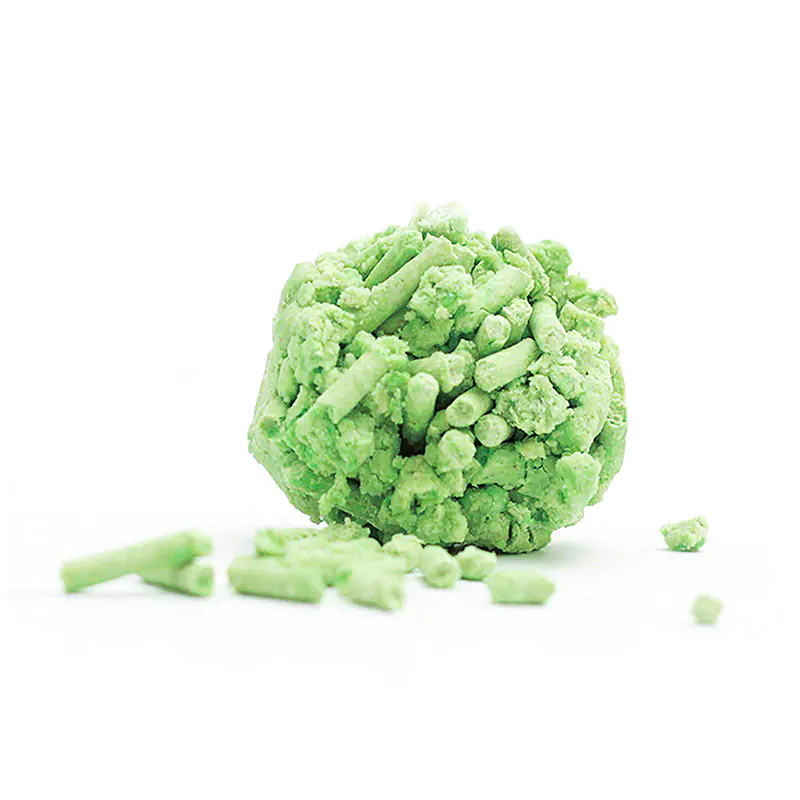
Tofu Cat Litter
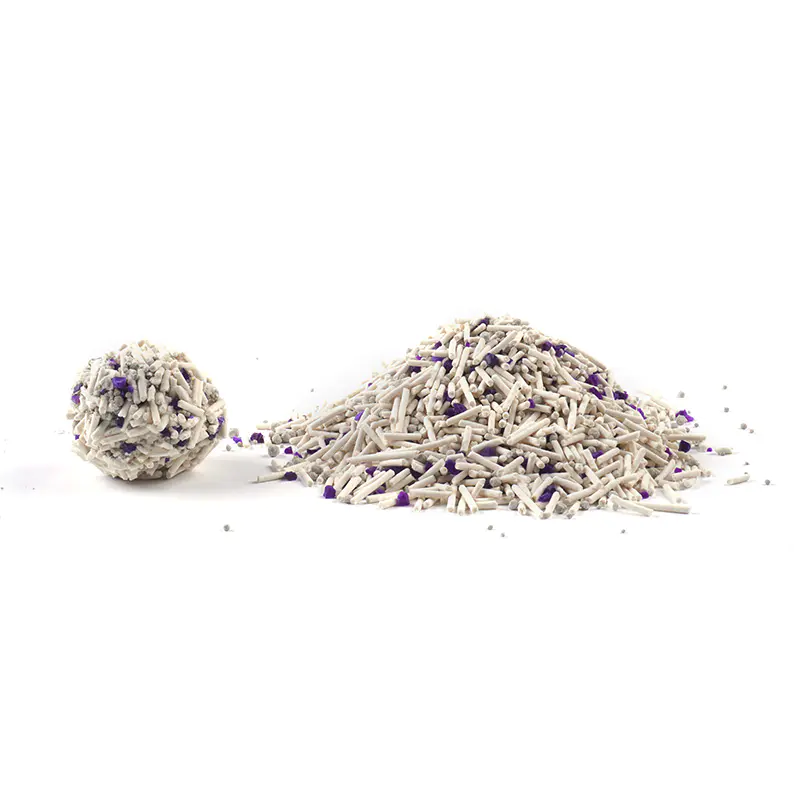
Mixed Cat Litter

Mixed Cat Litter
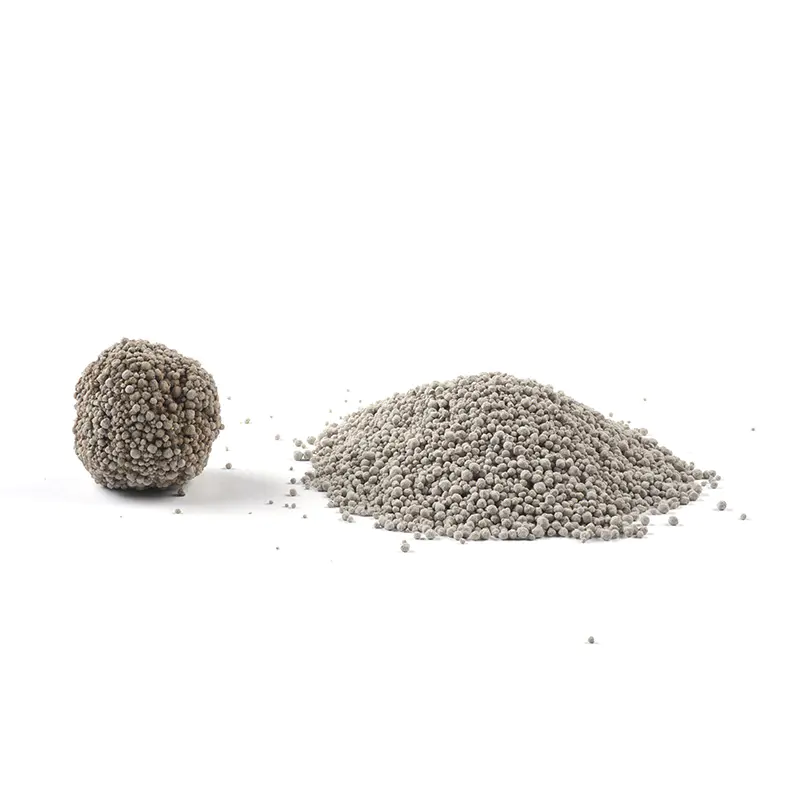
Bentonite Cat Litter


Got Questions? Call us 24/7

+8615263229311
No.88, Quandu Road, Xigang Town, Tengzhou City, Shandong, China. (Sincere Industrial Park)
OEM Cat Litter Manufacturers Bulk Cat Litter Wholesale Biodegradable Cat Litter Company



 English
 русский
 Español
 日本語
 한국어


