
Industry News
Content
Three cats and one box is not a litter box problem. It is a queue at seven in the morning, a territorial standoff in a hallway, and an ammonia source that keeps recycling itself all day.
The N+1 rule settles most of that before you spend anything on a new design. One box per cat, plus one spare. A three-cat household needs four boxes, and they should be spread across at least two rooms rather than lined up against the same laundry wall, because a cat that has to pass another cat to reach a tray will often hold it instead.
The N+1 rule: the number of litter boxes equals the number of cats plus one. The spare tray absorbs traffic peaks, gives a lower-ranked cat an escape route, and keeps the household running while one box is being washed.
Getting the count right matters more than the material, the lid or the price tag. Every extra tray divides the urine load, which slows ammonia build-up and buys hours between scoops. Box count is the cheapest odour control a multi-cat home can buy.
The behavioural reasoning sits with our note on why cats should not share a single litter box, but the short version is that trays are resources, and resources get guarded.
Most multi-cat litter box failures come from resource guarding and accumulated ammonia, not from the box material or the litter brand. Owners tend to blame the litter first and the cat second, when the tray layout is almost always the real cause.
A cat that gets ambushed on the way to a box will hold urine and then eliminate somewhere quieter. A box scooped once a day in a four-cat home reaches an ammonia load that no deodoriser can cover for the last eight hours of the day.
Territory signals
Hygiene signals
Hooded boxes make both problems worse in most homes. They hold ammonia in a small volume of air and they leave a single exit, which a nervous cat cannot use without a confrontation.
If you can smell the box from the doorway of the room, the air inside is already far past what a cat will accept. Their sense of smell is sharper than ours, and the tray is where they spend part of every day.
For multi-cat use, a box should be about one and a half times the length of the largest cat, measured from nose to the base of the tail, and the litter bed should sit five to eight centimetres deep. Most trays sold as large fall short of that once a big male is using them.
| Format | Works well for | Watch out for |
| Open, high-sided | Most multi-cat homes, easy to inspect and wash | Tracking around the tray, needs a mat |
| Hooded or covered | Small flats where sightlines matter | Traps ammonia, single exit encourages guarding |
| Top-entry | Diggers and high kickers | Hard for kittens and older cats to enter |
| Storage tote | Cheap extra-large capacity for big cats | Sharp cut edges, awkward to clean |
| Automatic | Busy households, up to three or four cats | One drum is still one queue at peak times |
A tray that is sixty centimetres long fits a four-kilogram cat comfortably. A six-and-a-half-kilogram cat needs a longer base and lower sides to turn around without stepping in its own waste.
In a shared box the litter is doing shift work. Clumping speed, dust and ammonia control matter far more than scent, because whatever the litter fails to lock away is compounded by the next cat ten minutes later.
Bag size is where most buyers misjudge a large tray. A 2.5 kg bag of plant-fibre litter fills a 60 x 40 cm box to roughly four centimetres, which is under the depth a multi-cat box needs. Double the box count and that arithmetic doubles with it.
Litter needed for a 5 cm bed in a 60 x 40 cm box
Estimated from typical bulk densities: silica gel 0.50, plant fibre 0.55, cassava 0.60, mineral blend 0.75 and sodium bentonite 0.95 g/cm3.
Bulk density explains the gap. A light plant-fibre pellet covers more volume per kilo, so a large tray costs less litter per change but needs more frequent top-ups. Bentonite sits at the other end, heavy and firm-clumping but demanding a bigger bag for the same depth.
| Type | Clumping | Dust | Ammonia control |
| Plant fibre | Firm and fast | Low | Moderate, stronger with carbon |
| Cassava | Firm | Low | Moderate |
| Mineral blend | Very firm | Medium | Good |
| Bentonite | Very firm | Medium to high | Good |
| Silica gel | Absorbs rather than clumps | Very low | Strong |
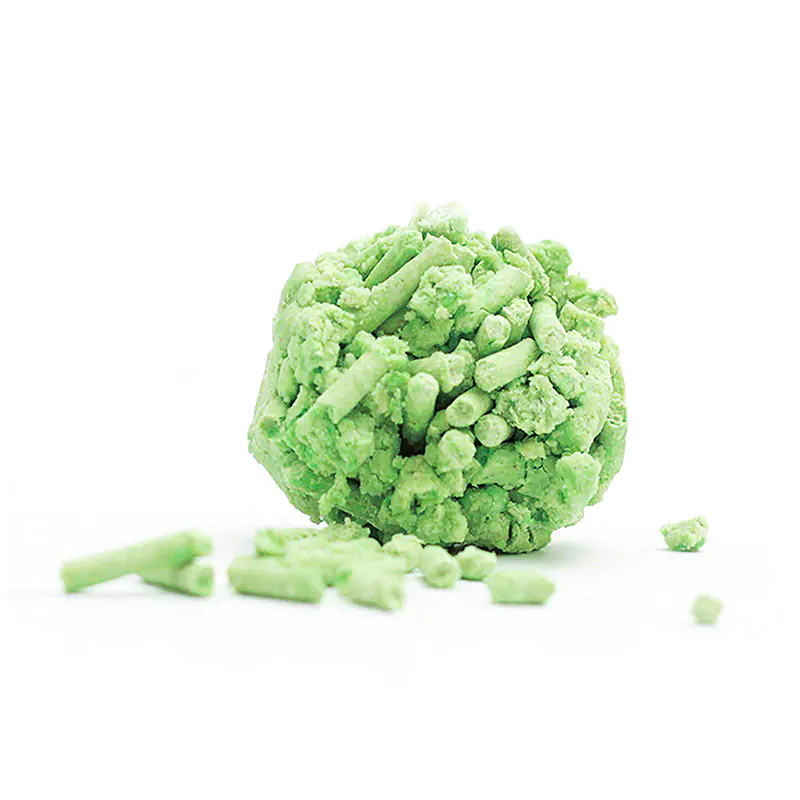
Plant-fibre litter has one practical advantage in a household where you cannot tell who produced what. A 2.5 mm pellet that darkens on contact with acidic urine flags a urinary problem early, which is exactly the signal a multi-cat owner needs before a cat is visibly unwell.
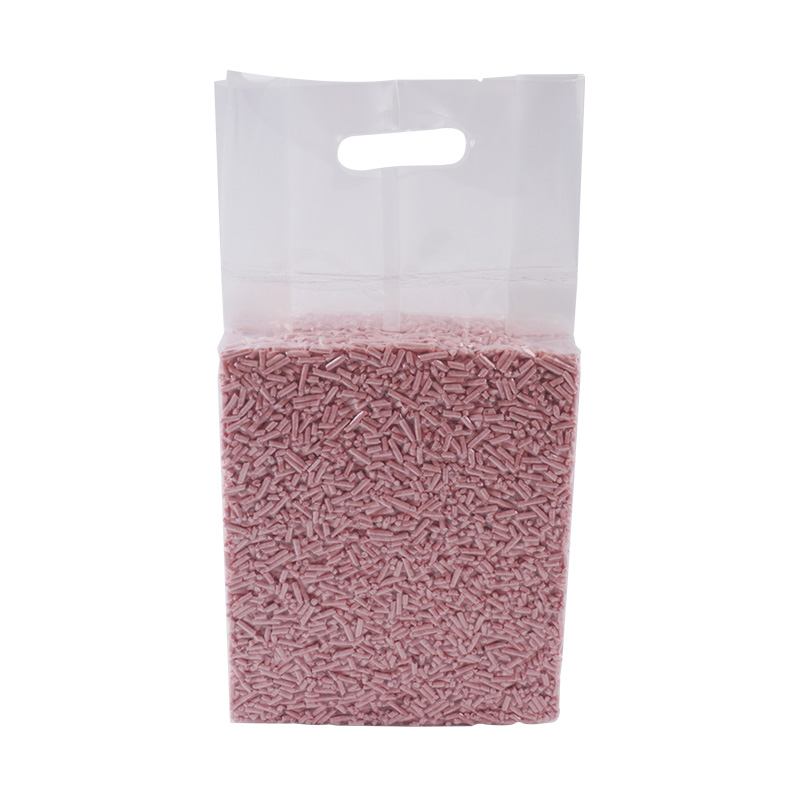 2.5mm Health-Monitoring Tofu Cat LitterA 2.5 mm plant-fibre pellet that changes colour with acidic urine, offering early urinary-health signals for multi-cat homes and quick clumping.View Product →
Mixed formulas are the compromise most multi-cat homes land on. A mineral or crystal fraction adds weight and odour binding, while the plant-fibre fraction keeps clumps soft enough to scoop without breaking and keeps the tray flushable.
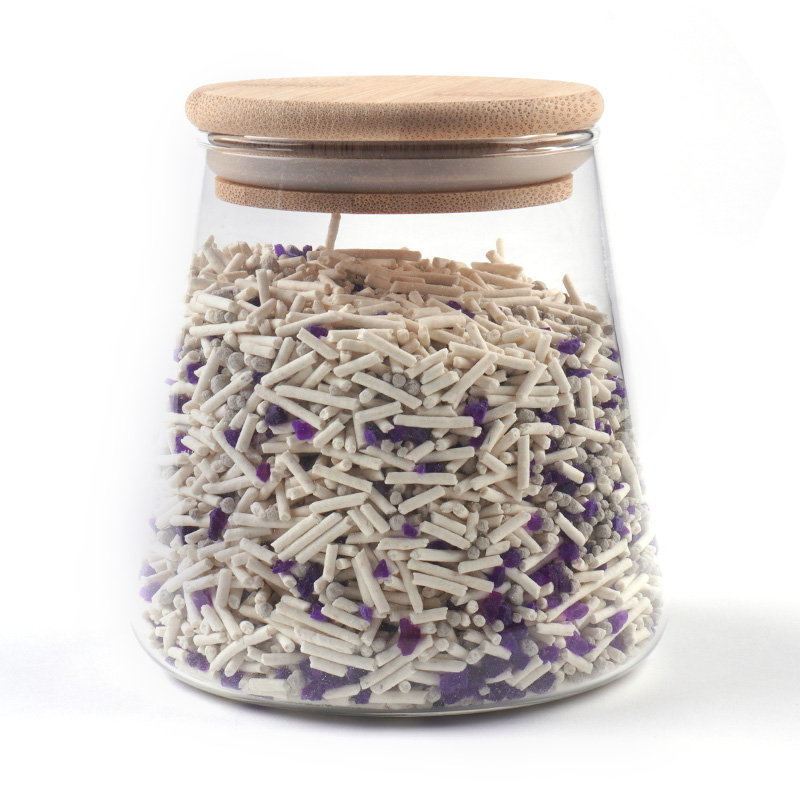 SGS-Certified Tofu, Bentonite and Crystal Mixed Cat LitterA 4-in-1 blend of tofu, bentonite and crystal particles that balances soft scoopable clumps, odour binding and low-dust flushing for multi-cat trays.View Product →
Scoop twice a day, top the bed back up to depth once a day, and do a full change every two to four weeks depending on how many cats share the tray.
Place boxes where a cat can see the room before entering and leave without meeting another cat, and scoop at least twice a day. Every other decision on this page is secondary to those two habits.
Map the route. Walk the path from where the cats sleep to each tray. If two boxes share a corridor or a corner, move one across the house.
Set the bed. Five to eight centimetres, marked with a line on the inside wall so top-ups stay consistent through the week.
Scoop twice daily. Remove clumps and solids morning and evening, then stir the bed so the next cat meets clean litter rather than a used surface.
Full change and wash. Empty, wash with unscented soap, dry completely, and refill to depth. Skip this and the plastic itself starts holding odour.
Between full changes, an additive helps where the litter is already loaded with ammonia rather than merely smelling of it. A light dusting under the top layer of a high-traffic tray extends the working life of the whole bed.
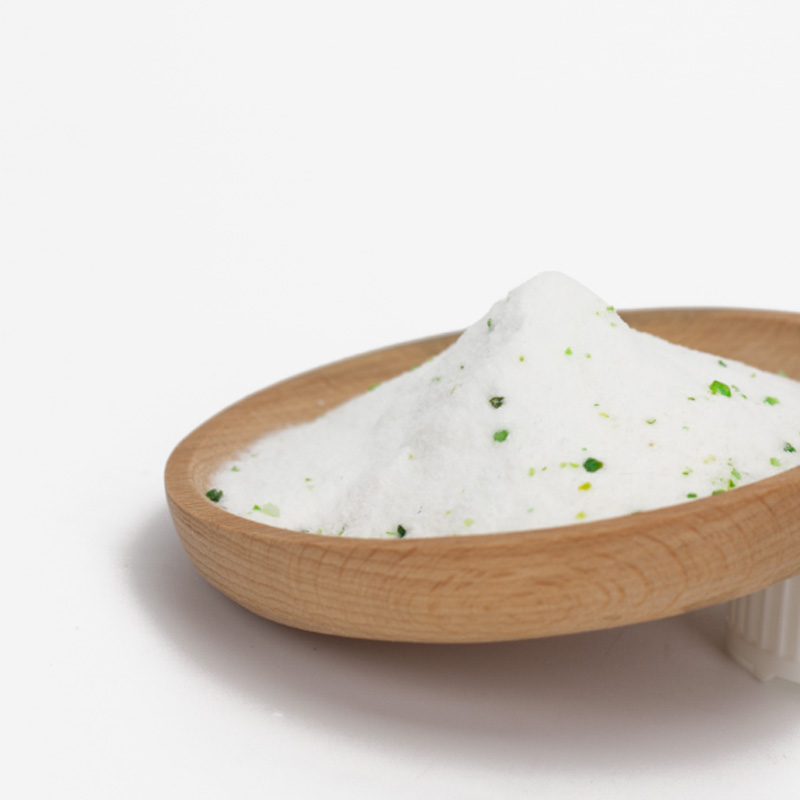 Cat Litter Deodorizer Powder with Baking Soda and YuccaA micro-fine additive with baking soda, hydrated silica and yucca extract to control ammonia odour and extend the working life of a loaded litter bed.View Product →
Two boxes in the same room is one box with extra steps. Cats treat adjacent trays as a single resource, and the guarding behaviour follows the room, not the count.
Multi-cat buyers judge litter on clump strength and ammonia control first and on packaging size second, and they are the segment most likely to buy the largest bag on the shelf.
For private-label programmes, three specifications usually need fixing before artwork is signed off: granule size, clumping additive level, and a dust figure measured on the production line rather than on a laboratory sample.
Our OEM service covers granule size, scent and pack format changes on the same line, which matters when a retailer wants a multi-cat variant alongside its existing single-cat SKU.
A multi-cat claim on pack is only defensible when the litter holds a firm clump at two scoops a day. Test it in a 60 cm tray, not a laboratory dish.
Three boxes. Two cats require two trays as a baseline plus one spare, and the trays should sit in at least two separate locations so no cat has to cross another cat's territory to reach one.
Only when floor space forces the choice. Covered boxes hold ammonia against the cat's face and offer one exit, so they suit a single confident cat far better than a shared household with any tension.
Every two to four weeks, depending on cat count and litter type. Trays with three or more cats in rotation often need a full change closer to the two-week mark, even with twice-daily scooping.
No. An automatic box removes clumps and reduces smell, but one drum is still one entry point, and cats queue at the door rather than at the litter. Keep the N+1 count even with a self-cleaning unit.
Get the count right, size the tray for the largest cat, and choose a litter that holds a clump under real traffic. The rest is maintenance.
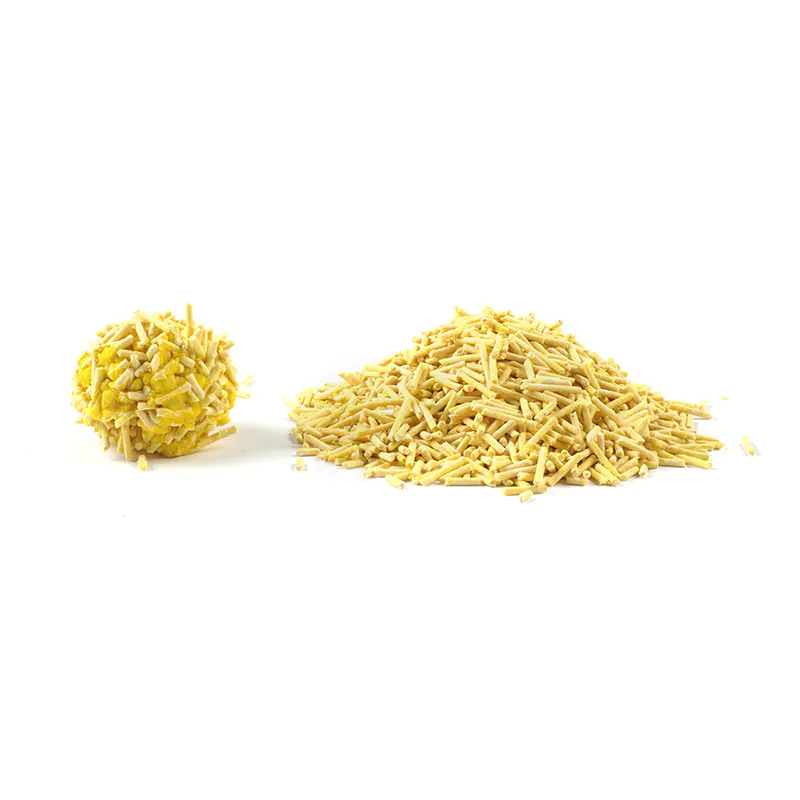
Tofu Cat Litter
Tofu Cat Litter
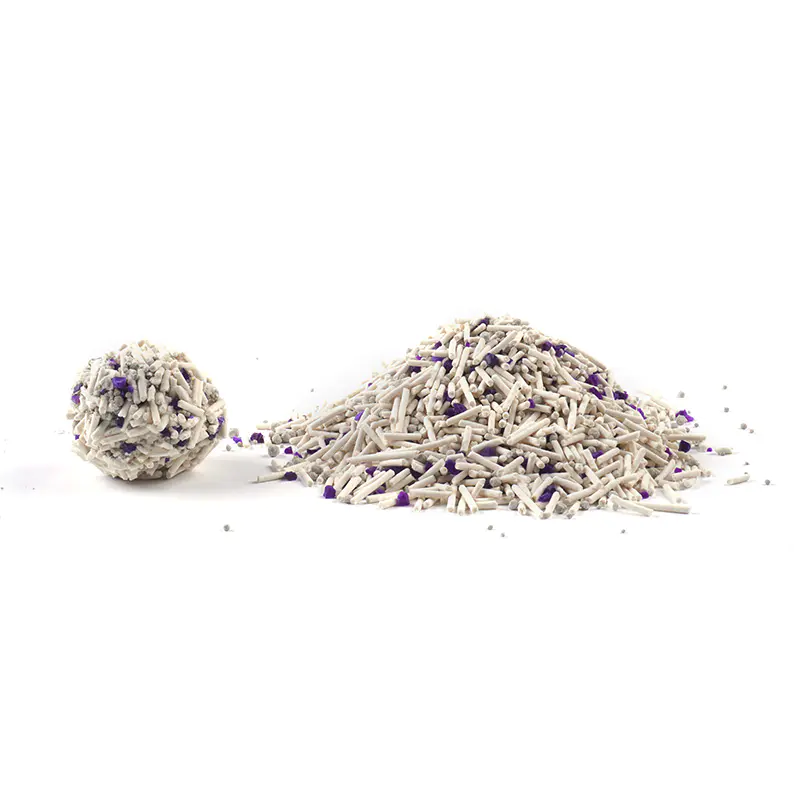
Mixed Cat Litter
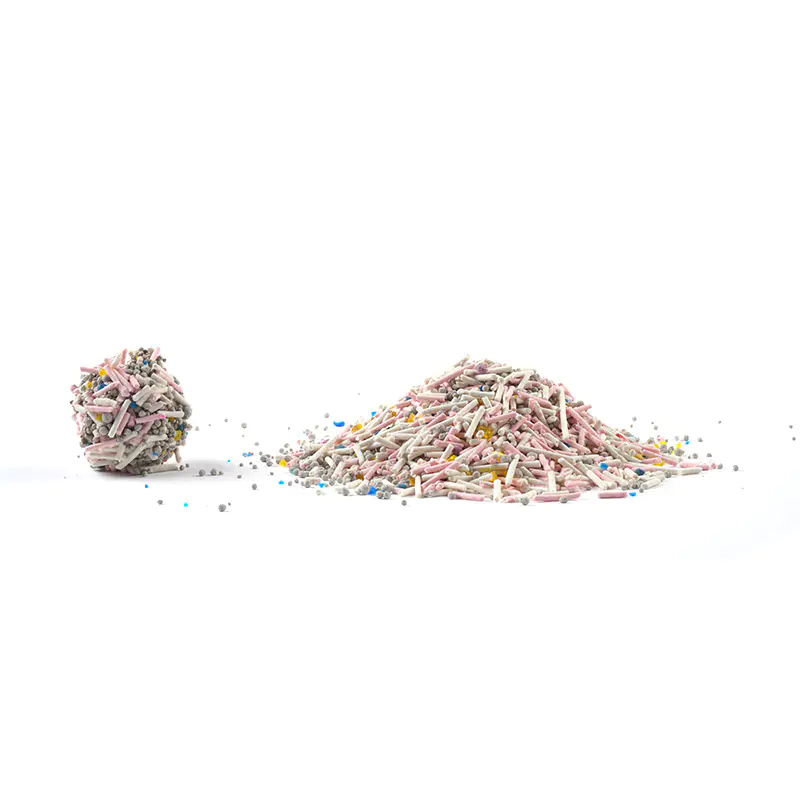
Mixed Cat Litter
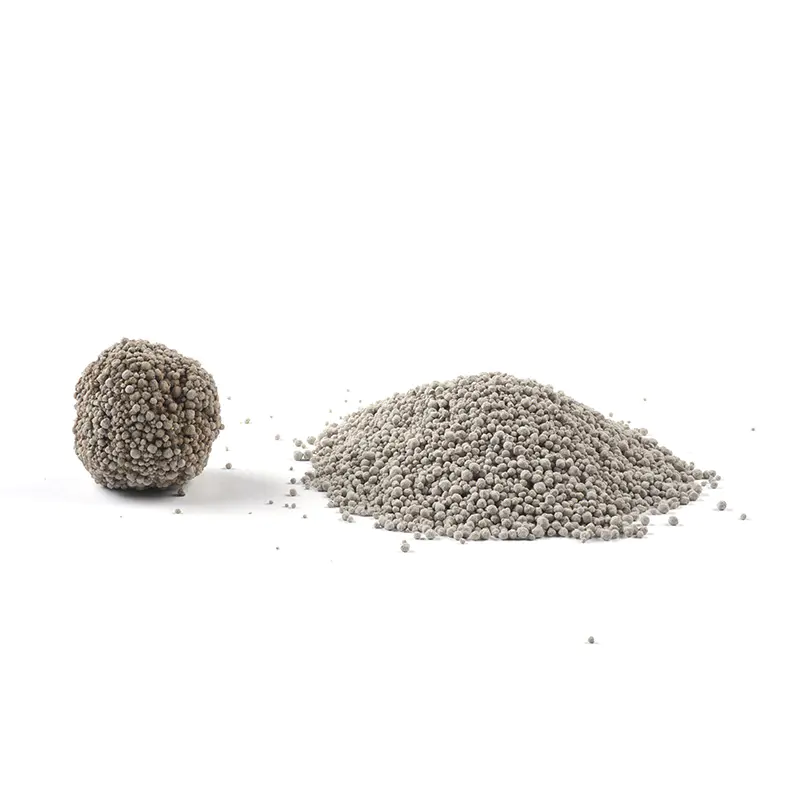
Bentonite Cat Litter


Got Questions? Call us 24/7

+8615263229311
No.88, Quandu Road, Xigang Town, Tengzhou City, Shandong, China. (Sincere Industrial Park)
OEM Cat Litter Manufacturers Bulk Cat Litter Wholesale Biodegradable Cat Litter Company



 English
 русский
 Español
 日本語
 한국어


