
Industry News
Content
A private-label buyer pours 100 ml of water into a tray of non-clumping crystal litter and waits. The liquid disappears into the granules, the surface still moves freely, and no scoopable ball forms. That test explains the category: non-clumping litter works by absorbing and holding urine inside the litter particle, not by binding it into a removable mass. For a brand owner, the difference affects bag fill, scooping instructions, odor claims, and the full-change interval printed on the pack.
Non-clumping litter absorbs urine and keeps it inside the litter bed; it does not create a hardened clump for scooping.
The mechanism is absorption and retention. In a silica gel crystal product, each granule contains a network of pores. Urine enters those pores by capillary action and is held inside the granule while the surface can feel dry. In a non-clumping clay or mineral product, the particle absorbs liquid and may soften at the base of the tray, but it lacks the swelling binder that turns clumping litter into a solid mass.
The cleaning routine follows from that behavior. Solids are removed with a scoop, but urine stays spread through the litter until a full change. That is why non-clumping products usually carry clearer full-change guidance and why bag size, tray depth, and scooping frequency matter more than the phrase "absorbs fast."
Definition: Non-clumping litter is an absorbent litter designed to take in liquid without forming a scoopable solid mass; waste removal focuses on solids and regular full litter changes.
A product that keeps the bed dry and free-moving between changes will feel very different from one that leaves a wet layer at the tray base, even if both are sold as non-clumping.
A clump forms because a swelling binder pulls wet particles together; non-clumping litter either lacks that binder or uses particles that absorb without sticking into a solid mass.
Sodium bentonite in clumping clay swells when it meets liquid and locks the surrounding particles into a firm mass. Crystal litter works in the opposite direction: liquid moves into the granule, not into a binder network around it. Non-clumping clay can absorb well, but without enough swelling clay it stays granular or turns into a soft paste rather than a liftable clump.
| Primary action | Swelling binder traps liquid into a solid mass | Porous particles absorb and retain liquid | Absorption rate and retention under pressure |
| Scoop result | Urine becomes a removable ball | No scoopable ball; solids are removed | Scoop instructions and bag claims |
| Liquid location | Concentrated in the clump | Distributed through the litter bed | Full-change interval |
| Odor risk | Lower if clumps are removed promptly | Higher if the bed stays damp | Ammonia control and drying speed |
| Typical use | Daily scooping routines | Low-dust formats, automatic boxes, full changes | Litter box type and user habit |
| Buyer check | Clump strength and dust | Absorption, dust, surface dryness | Test method and batch consistency |
In a bench test, dose the litter with a fixed volume of synthetic urine, wait, then press the wet zone with a weighted plate. A product that releases liquid under pressure will smell worse in a home than one that holds the load inside the granule.
Measure absorption, retention, dust, and surface dryness with a repeatable protocol; do not rely on the phrase "super absorbent" alone.
Use the same litter depth, the same liquid dose, and the same waiting time for every sample. Record how quickly the liquid disappears from the surface, whether the granule mass stays loose, and whether liquid can be pressed out after two minutes. Those results are far more useful for a retail listing than a generic absorption claim.
Then compare the format against the litter box it will serve. A low-dust crystal product can suit a closed box or a senior cat, while a heavier non-clumping clay may need more attention to tracking and tray weight.
A supplier who can share batch absorption data, dust values, and granule-size distribution is easier to qualify than one who only offers a performance claim with no test method.
Odor control in non-clumping litter depends on keeping the bed dry and interrupting ammonia production, because urine is spread through the litter instead of being removed in a clump.
Once urine enters the bed, bacteria can act on nitrogen compounds and release ammonia. A porous crystal granule limits free moisture, which slows that process, but it does not make the litter self-cleaning. Solids must still be removed daily, the bed should be stirred to expose damp patches, and the full change must happen on schedule.
For brands building a simple odor-control kit, a deodorizing powder can be positioned as an add-on for non-clumping formats where urine remains distributed in the bed.
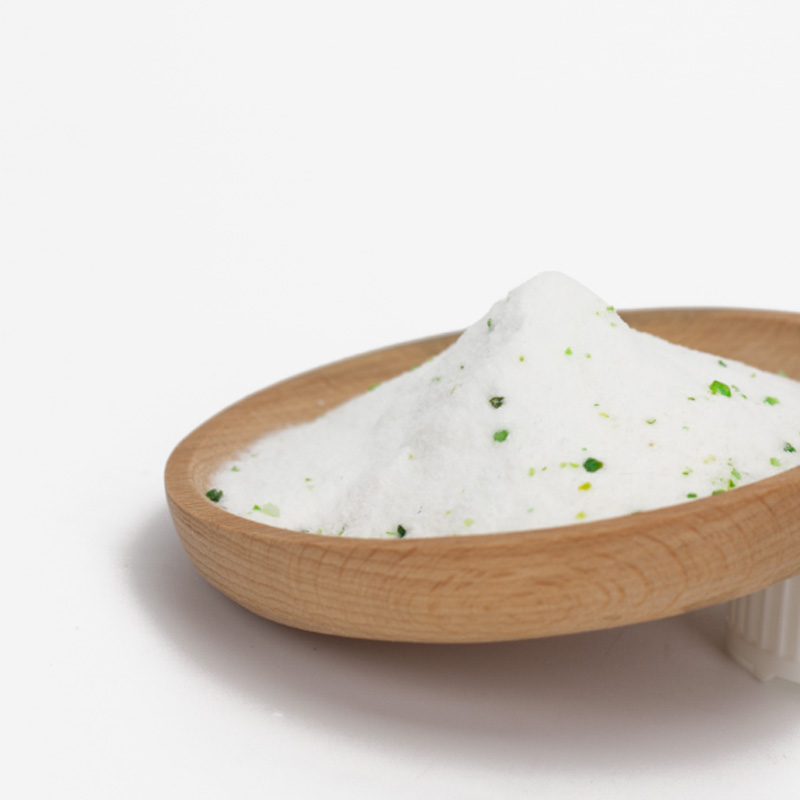 Premium Cat Litter Deodorizer Powder for Odor ControlA micro-fine baking-soda, silica, and yucca powder that supports odor control and freshness as an add-on for non-clumping litter formats.View Product →
The test is simple: a non-clumping litter that smells clean on day one but turns sharp by day five needs a shorter change interval or a stronger odor-control system, not more perfume.
Start with the use case, not the price per kilogram; the right non-clumping format for a senior cat, a multi-cat home, or an automatic box will not be the same product.
A crystal format can support low-dust and lightweight claims, but it needs clear guidance on full changes and moisture control. A non-clumping clay or mineral format may offer a lower raw-material cost, yet it can be heavier to ship and more prone to pasting in a shallow tray. Plant fiber formats need a careful story on disposal and performance because fiber can hold moisture differently from silica gel.
For a non-clumping crystal line, a high-adsorption granule with controlled dust gives the brand a clearer position in the low-moisture, low-residue segment.
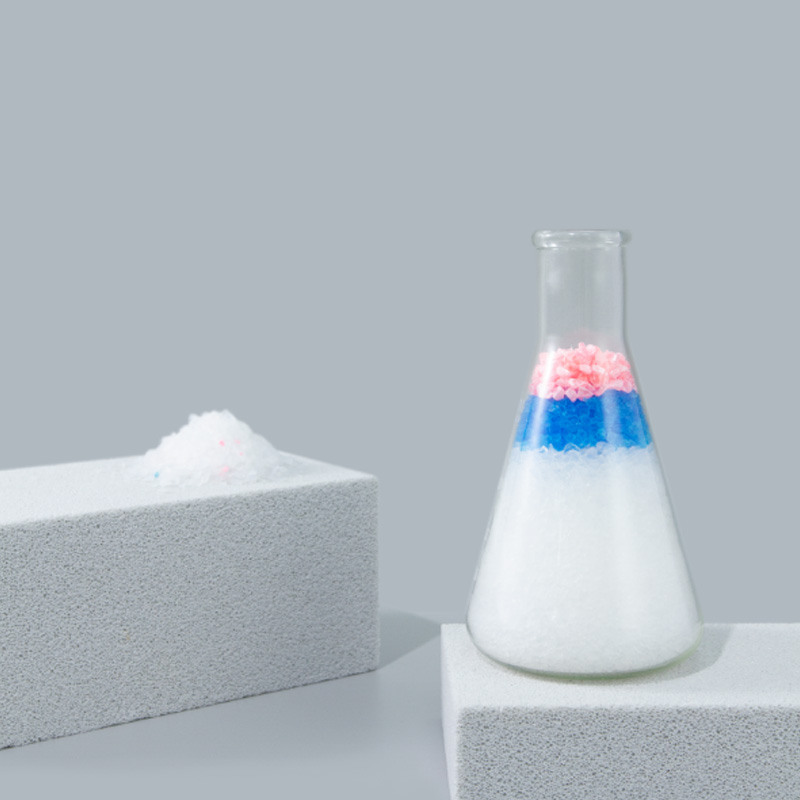 High Adsorption Silica Gel Crystal Cat LitterLarge silica granules absorb over 200% of their weight, with low dust and a non-clumping format for retail or OEM crystal litter lines.View Product →
A retail-ready non-clumping line needs three numbers on the specification sheet: absorption rate, dust level, and recommended full-change interval. Without those three, the pack copy is only a promise.
It absorbs urine into porous granules or a mineral bed and holds it there; because no swelling binder pulls the particles into a solid mass, the urine stays distributed until the litter is fully changed.
Not automatically. Odor depends on moisture, ammonia control, and change frequency. A dry crystal bed with good ventilation can control odor well, while a damp non-clumping clay bed can turn sour quickly.
Some can, but the box manufacturer's specification comes first. Crystal and fine non-clumping litters may be accepted by certain models, while heavy clay or large granules can jam raking mechanisms.
Follow the product label and the cat load. A single cat may need a full change every one to two weeks in a crystal format, while multi-cat homes or humid rooms often need a shorter interval. The tray should never be topped up over a wet, odorous base.
The best non-clumping product is the one that keeps the bed dry long enough for the stated change interval, with a granule size and dust level that fit the cat and the litter box.
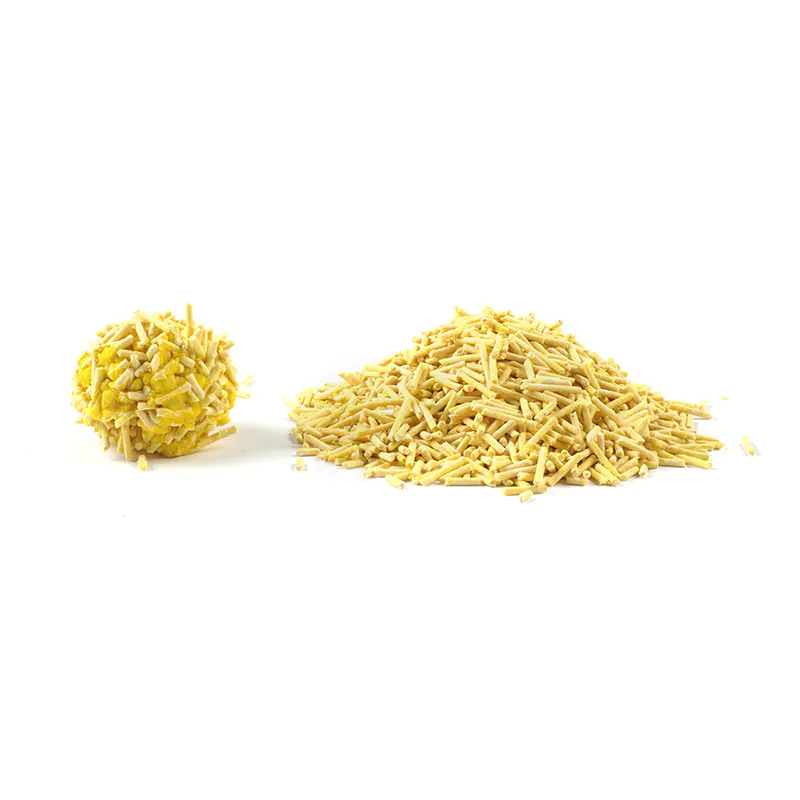
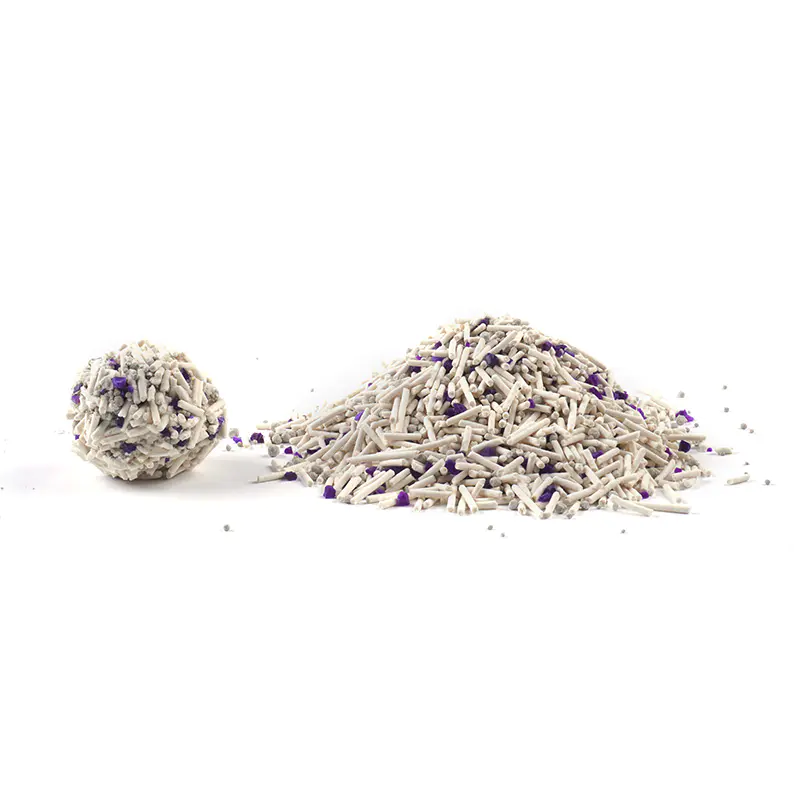
Tofu Cat Litter
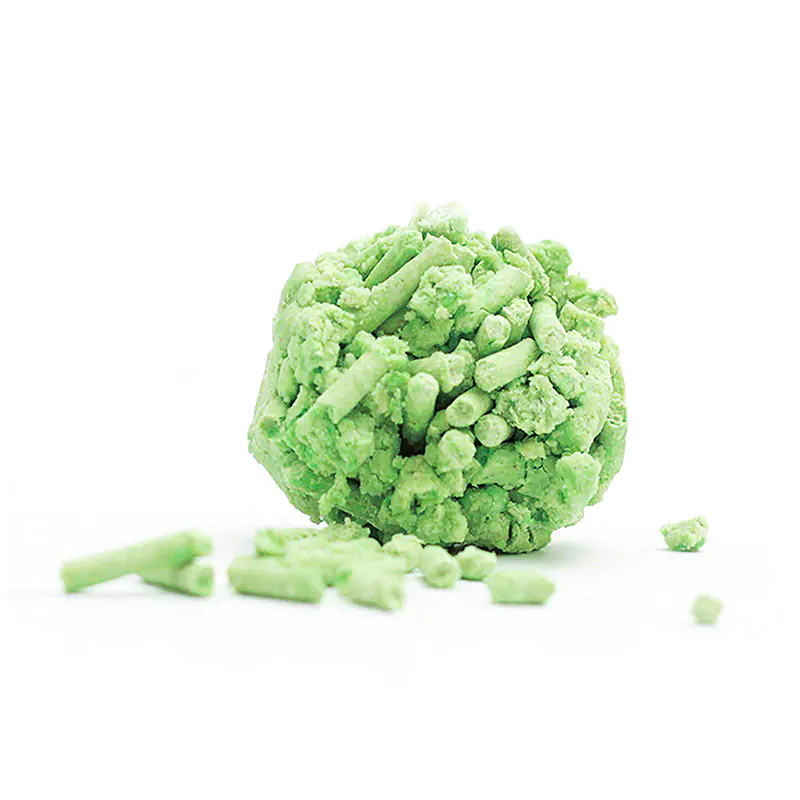
Tofu Cat Litter
Mixed Cat Litter
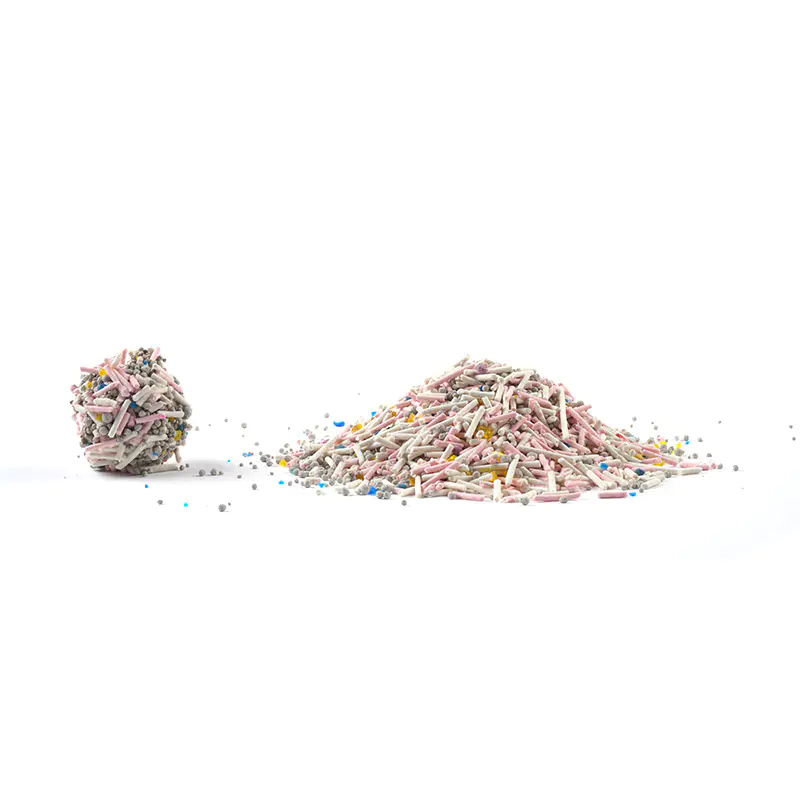
Mixed Cat Litter
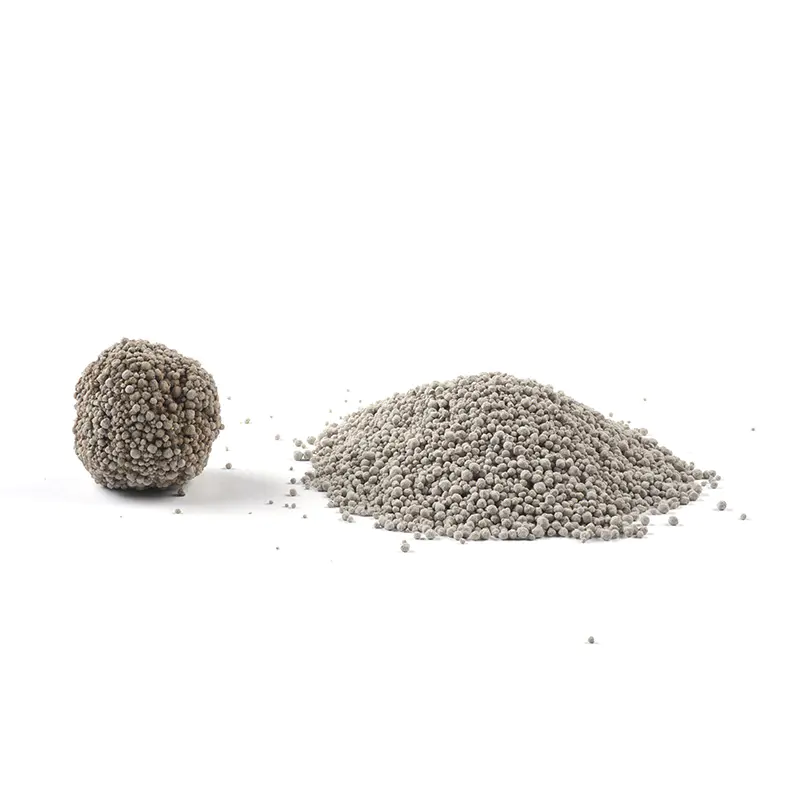
Bentonite Cat Litter


Got Questions? Call us 24/7

+8615263229311
No.88, Quandu Road, Xigang Town, Tengzhou City, Shandong, China. (Sincere Industrial Park)
OEM Cat Litter Manufacturers Bulk Cat Litter Wholesale Biodegradable Cat Litter Company



 English
 русский
 Español
 日本語
 한국어


