
Company News
Content
For many first-time cat owners, one litter box seems perfectly adequate. A cat becomes familiar with its location, develops a cleaning routine, and appears comfortable with the arrangement. However, when another cat joins the household, things can become more complicated.
Should cats share the same litter box? Is one litter box per cat enough? And could providing different types of cat litter in separate boxes make a difference?
The answer involves more than simply increasing the number of litter boxes. A well-designed litter environment should also consider feline behavior, individual substrate preferences, hygiene, and the functional characteristics of different litter materials.
At Sincere, we believe that understanding these factors is an important step toward choosing the right cat litter for every household.
Cats are territorial animals, and elimination is a particularly sensitive behavior. In a multi-cat household, competition for resources, limited access, or an uncomfortable litter environment may cause stress and inappropriate elimination.
The American Association of Feline Practitioners (AAFP) and the International Society of Feline Medicine (ISFM) recommend providing sufficient litter boxes in different locations. A widely used guideline is:
For example:
This is a practical guideline rather than an inflexible rule. The number of boxes may need to increase depending on the cats' social relationships, home layout, and individual needs.
Location is equally important. Placing several boxes next to each other does not necessarily provide the same benefits as distributing them across separate, quiet areas. Each cat should have convenient access without being blocked or intimidated by another cat.
The size and cleanliness of the litter box also matter. A box that is too small or consistently soiled may discourage normal use, regardless of the litter material inside.
Not necessarily.
One useful approach is to provide different litter substrates in separate boxes and observe which option each cat uses most frequently.
This is particularly helpful when introducing a new cat, changing litter brands, or trying to identify why a cat has become reluctant to use its litter box.
For example, an owner could initially provide:
By keeping the boxes in accessible locations and maintaining consistent cleaning routines, owners can observe differences in usage.
Useful observations include:
These observations can help owners identify individual preferences rather than assuming that all cats will accept the same product.
When conducting a litter preference test, it is best to keep the box size, location, and litter depth as similar as possible. This helps reduce other variables that might influence the results.
Introduce new litter gradually and always retain an acceptable familiar option. Cats should be allowed to choose freely rather than being forced to switch.
Importantly, changes in litter-box behavior can also indicate urinary, gastrointestinal, or other medical problems. Persistent avoidance, straining, frequent unsuccessful urination, or blood in the urine requires veterinary attention.
Different cat litter materials offer different combinations of absorption, clumping, odor management, weight, dust characteristics, and disposal considerations.
There is no single material that is ideal for every cat and every household. Understanding the differences makes it easier to select a suitable product.
Bentonite is a widely used mineral-based cat litter, valued for its ability to absorb moisture and form clumps.
Its main advantages include:
Bentonite is often a practical choice for households that prioritize traditional clumping performance and straightforward daily cleaning.
However, product quality varies. Dust generation, granule distribution, clump strength, and tracking should all be considered when selecting a product.

Tofu cat litter is generally produced using soybean by-products or other plant fibers combined with starch-based binding ingredients.
Its main advantages include:
Tofu litter is particularly attractive to owners looking for a plant-based alternative to conventional mineral products.
Sincere's tofu cat litter is developed using plant-fiber and starch-based formulations, with different granule sizes and product options designed to meet varying market requirements.
Some formulations are also designed to disperse in water. However, water-dispersibility should not automatically be interpreted as universal toilet-flushing suitability. Owners should follow the specific product instructions and local wastewater regulations.

Cassava cat litter uses cassava-derived materials, commonly combined with starch-based ingredients.
It offers several characteristics that appeal to environmentally conscious consumers:
Cassava litter can be an interesting option for owners who want to explore alternatives beyond conventional tofu litter.
At Sincere, cassava-based formulations provide another way to expand the range of plant-based cat litter choices.

Crystal cat litter is primarily made from silica gel.
Unlike conventional clumping litter, silica crystal litter works by absorbing and retaining moisture within its porous structure.
Its main characteristics include:
In crystal litter systems, solid waste is removed regularly, while the granules are stirred to distribute moisture absorption. The litter should be replaced according to the manufacturer's instructions and its condition.
For owners accustomed to clumping litter, crystal litter may require an adjustment in cleaning habits.

Mixed cat litter combines two or more materials in carefully selected proportions.
Depending on its formulation, it can balance different characteristics, such as:
Sincere develops mixed cat litter formulations using materials such as tofu, bentonite, crystal particles, and deodorizing components.
The objective is to create a balanced product that meets specific consumer expectations rather than relying on one material to deliver every performance characteristic.

Cat litter selection should not be based solely on human convenience. Scientific research and veterinary guidelines emphasize the importance of providing an environment that cats are willing to use.
The AAFP and ISFM guidelines on diagnosing and managing house-soiling behavior in cats explain that litter-box aversion can be associated with environmental stress, box accessibility, cleanliness, and substrate preference.
The guidelines also recommend offering different litter substrates in separate boxes when evaluating an individual cat's preference.
A more recent study published in the Journal of Veterinary Medical Science in 2025, titled "Litter box size and litter type preference and their associated behavioral changes in cats," investigated how cats responded to different litter box sizes and litter materials.
The researchers observed preferences for larger litter boxes and, among the materials tested, clumping clay litter. The study also found that providing a more comfortable litter environment could improve elimination behavior.
This finding is important because it reminds us that cats have individual sensory and behavioral preferences. Although one material may be preferred by a group of cats under particular experimental conditions, this does not establish that every cat will prefer the same substrate.
For owners, the practical lesson is simple: provide appropriate choices, observe behavior, and make adjustments based on the individual cat.
If you want to discover which litter your cat prefers, a gradual and controlled approach is recommended.
Step 1: Keep the familiar litter available.
Do not immediately replace all existing litter boxes. Maintain at least one box containing the cat's familiar litter.
Step 2: Introduce an alternative in a separate box.
Try a different material, such as tofu or cassava litter, without mixing it into the familiar litter at first. This makes it easier to identify which option the cat chooses.
Step 3: Keep the environment consistent.
Use similarly sized boxes, comparable litter depths, and quiet locations. Avoid placing all boxes in one crowded area.
Step 4: Observe usage over time.
Monitor which boxes are used for urination and defecation, how comfortably the cat enters and exits, and whether it displays signs of hesitation.
Step 5: Maintain regular cleaning.
Remove waste frequently and replenish or replace litter according to the product's instructions. A clean litter box is essential for meaningful preference observations.
There is no need to rush the process. A successful transition should prioritize the cat's comfort and normal elimination habits.
A good cat litter should do more than absorb moisture. It should also provide a comfortable substrate, support convenient maintenance, and suit the owner's expectations regarding odor control, dust, weight, and environmental considerations.
For some households, bentonite remains the preferred option because of its familiar clumping performance. Others may choose tofu or cassava litter for their plant-based characteristics. Crystal litter offers a different moisture-management system, while mixed litter can combine multiple functional advantages.
The best choice is ultimately the one that works for both the cat and its household.
At Sincere, we manufacture a diverse range of cat litter products, including tofu, cassava, mixed, bentonite, and crystal silica litter. With manufacturing experience dating back to 1993, our team continues to develop product formulations and OEM/ODM solutions for international distributors, retailers, and private-label brands.
We believe better pet care begins with understanding what cats actually need.
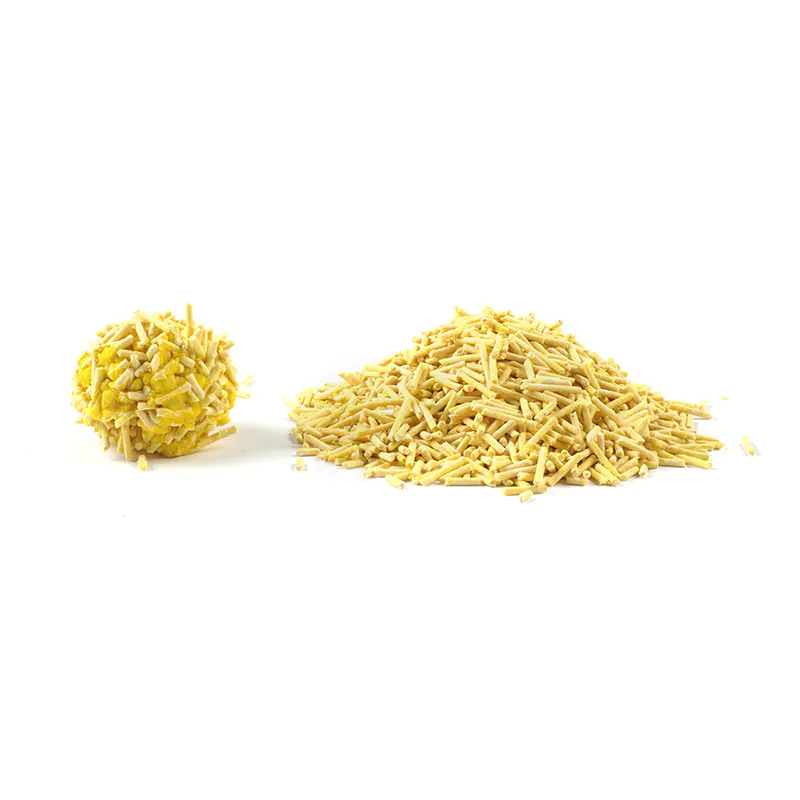
Tofu Cat Litter
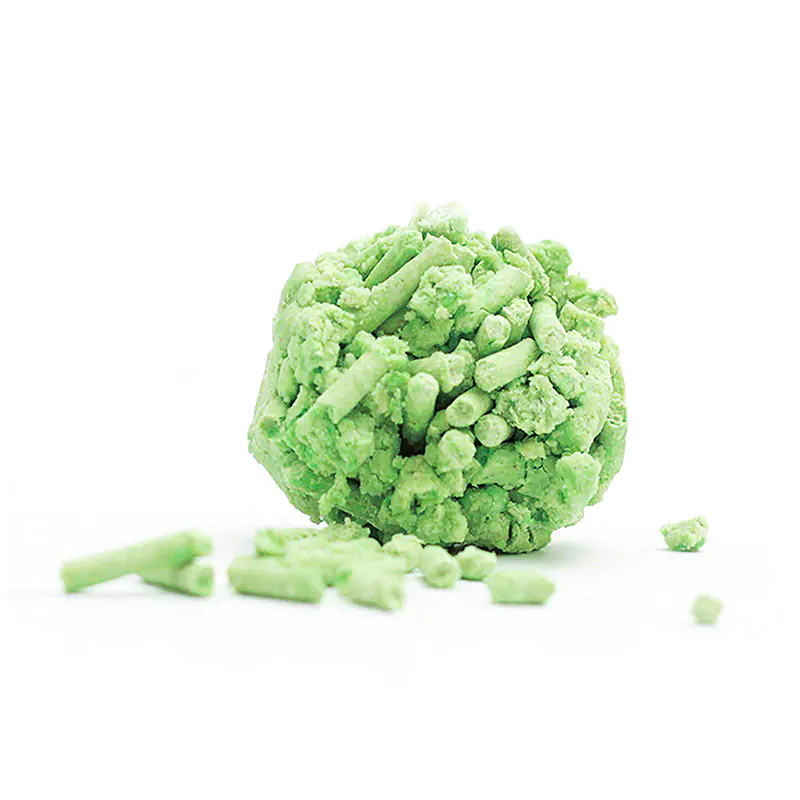
Tofu Cat Litter
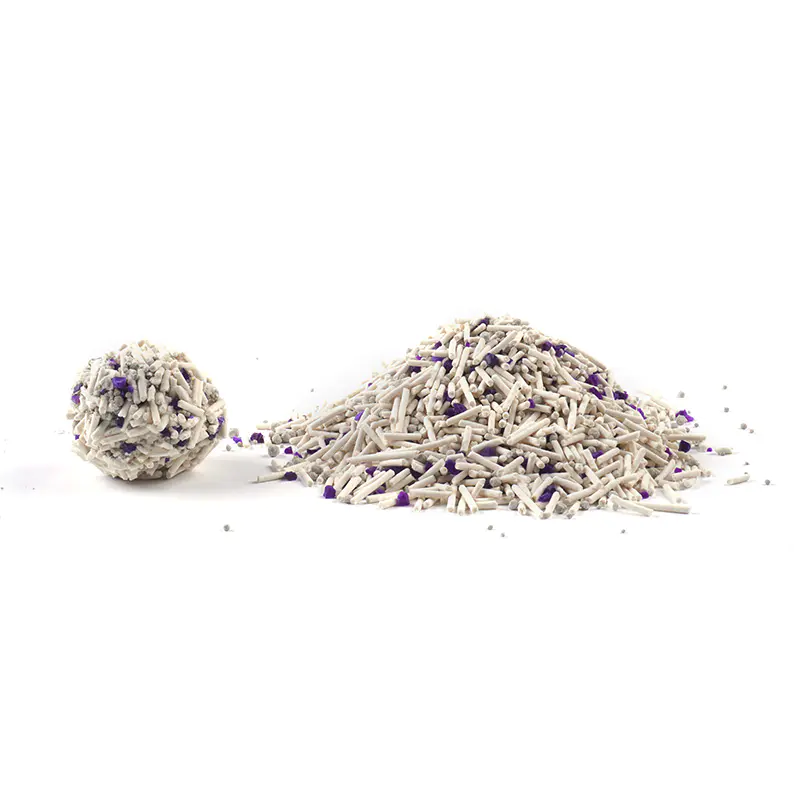
Mixed Cat Litter
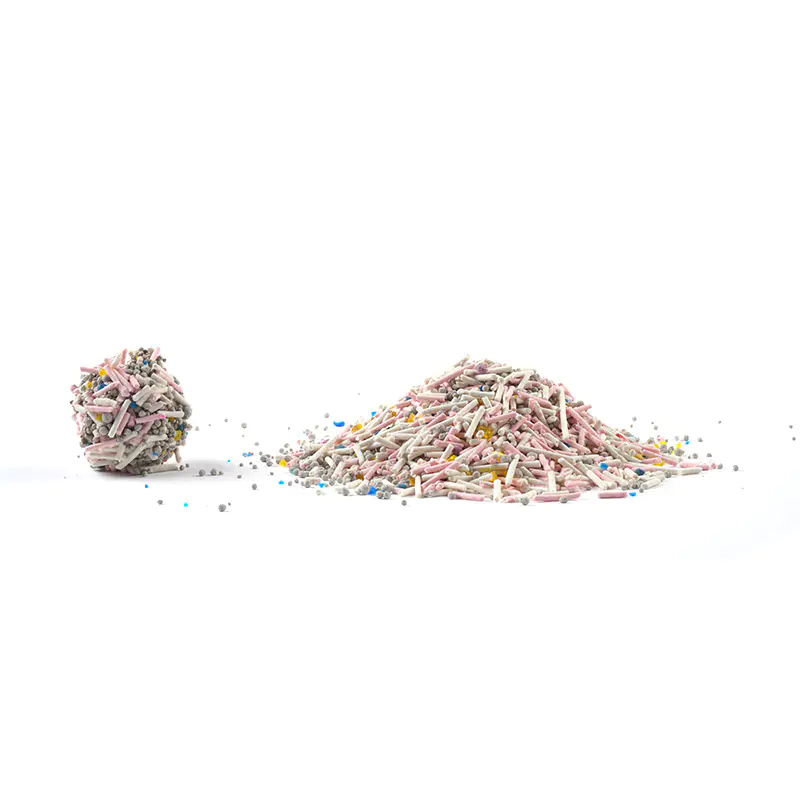
Mixed Cat Litter
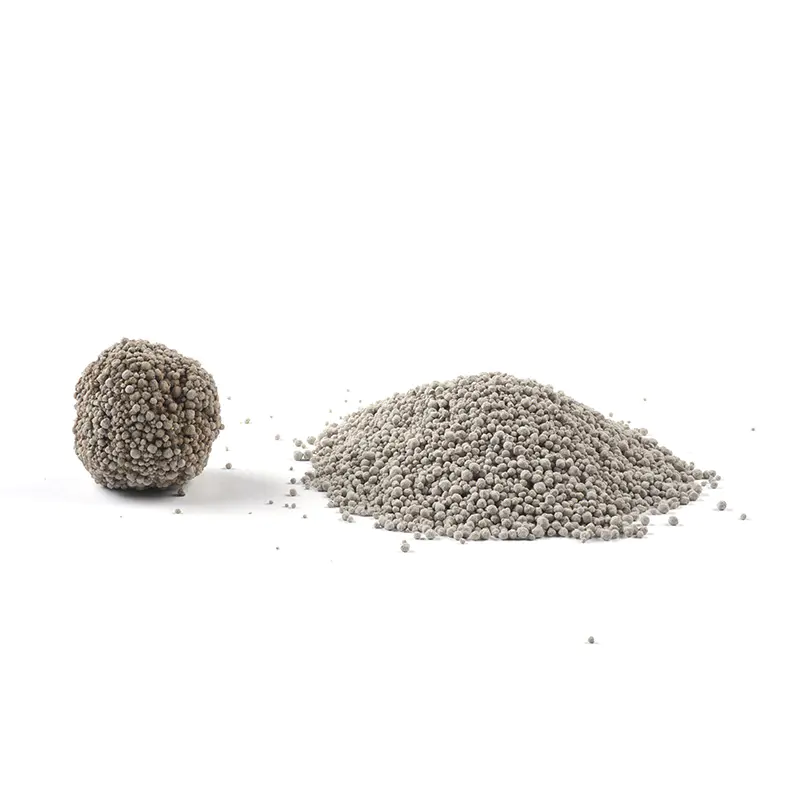
Bentonite Cat Litter


Got Questions? Call us 24/7

+8615263229311
No.88, Quandu Road, Xigang Town, Tengzhou City, Shandong, China. (Sincere Industrial Park)
OEM Cat Litter Manufacturers Bulk Cat Litter Wholesale Biodegradable Cat Litter Company



 English
 русский
 Español
 日本語
 한국어


