
Industry News
Content
A second cat does not simply double the scooping. It doubles the social pressure inside one plastic tray. Most multi-cat homes meet the problem the same way: the box is scooped daily, the litter is fresh, and yet one cat starts hovering at the rim, bolts out mid-squat, or urinates on the bath mat at five in the morning. The litter is rarely the cause. Two animals are sharing one defended resource, and one of them has decided the price is too high.
That formula answers the headline question more honestly than a plain yes or no. Cats can share a litter box physically. Whether they should comes down to space, temperament, cleaning routine, and how much risk you accept with urinary health.
Cats can share a litter box, but they should not be limited to one: the standard behavioral guideline is one box per cat plus one extra, so a two-cat home needs three boxes.
The rule is not about floor space. It is about giving each cat a choice of clean, unguarded toilets so a dispute in one corner never removes the only option in the house.
Three practical reasons sit behind that number:
If one box is genuinely the only option, treat it as a temporary arrangement and scoop at least twice a day.
A litter box is not neutral furniture to a cat; it is a monitored resource, and sharing one creates a bottleneck at the exact moment a cat is most exposed.
Cats in free-ranging conditions keep their latrines apart, and elimination is a vulnerable moment with the body low and attention split. In a single-box home, a confident cat can simply sit in the doorway, and the other cat learns to wait. Owners rarely see the waiting, because it happens at 3 a.m. or behind a couch.
Box length versus cat body length, tail excluded
Litter depth that allows a full-depth dig and clean clump
Minimum scooping rhythm for any shared box
Repeated waiting is the part owners miss. Holding urine raises stress load, and chronic stress is a recognized trigger for feline lower urinary tract disease, spraying, and house soiling near the box rather than in it.
Treat the N+1 formula as a floor rather than a target: one cat gets two boxes, two cats get three, and each additional cat adds one more.
| Household | Minimum boxes | Practical layout |
| 1 cat | 2 | One quiet room, one bathroom |
| 2 cats | 3 | Spread across at least two rooms |
| 3 cats | 4 | Two rooms minimum, one box per floor |
| 4 or more cats | 5 or more | Boxes on every floor, none in dead-end corners |
Very large cats, seniors, and kittens need bigger boxes than the count alone suggests. A senior with stiff joints prefers a low entry lip; a kitten needs a shallow depth it can climb out of without effort.
Behavior changes show up long before a box looks filthy, so watch the cats rather than the litter surface.
Multi-cat homes also hit faster odor return and heavier litter consumption, which sits on the operations side rather than the behavioral one; this breakdown of the three biggest challenges of cat litter for multi-cat households covers that part of the problem.
Sharing one box only holds up when three conditions line up at once: a box far larger than the cats, a relaxed pair with no guarding history, and a cleaning routine that never slips.
Litter material decides how long a shared box stays usable, mainly through clumping speed, dust, and how quickly odor returns.
In a multi-cat box, clump strength beats scent every time. A clump that breaks on the scoop leaves urine in the bed, and the next cat smells it immediately. Fast-drying silica gel crystal litter suits households where low dust and odor control matter more than scoopable clumps.
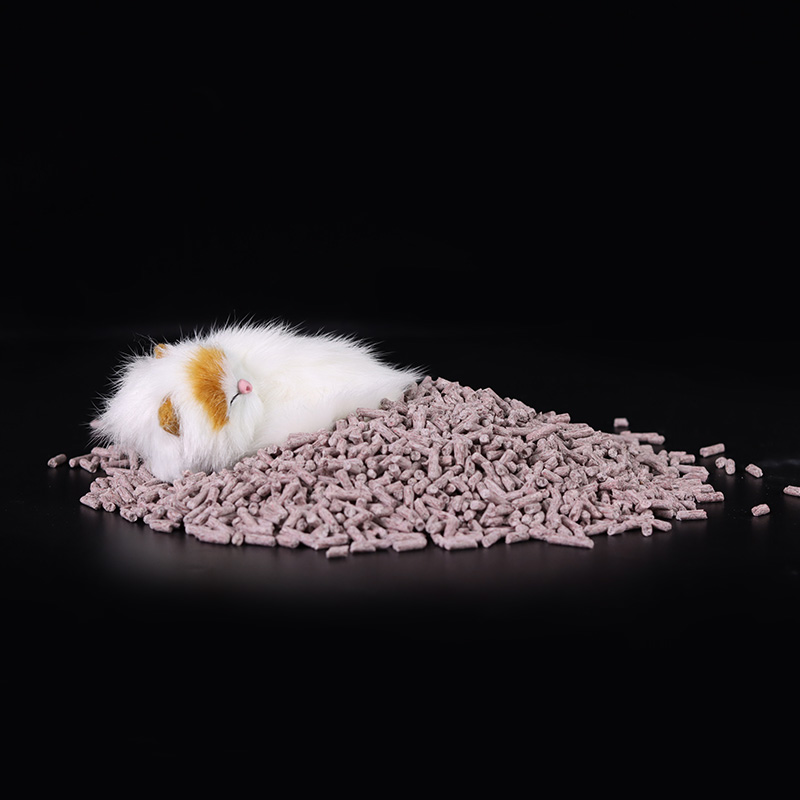 Sincere 3.0mm Tofu Cat LitterPlant-fiber tofu litter with firm 3.0mm granules for frequent scooping in multi-cat households.View Product →
Plant fiber formats handle frequent scooping well because the granules stay firm when wet, which matters when three cats use the same box before noon.
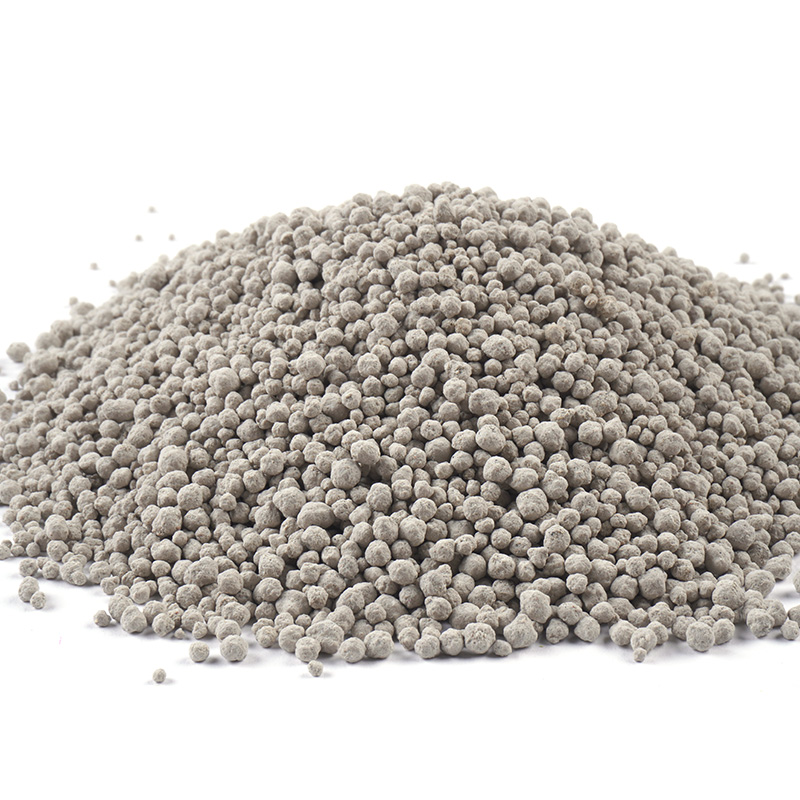 SGS-Certified Spherical Bentonite Cat LitterRounded clay granules designed for firmer clumps, less paw irritation, and mixing with plant-based litter.View Product →
Spherical clay granules reduce the sharp edges that irritate paws, and a rounded particle clumps into a firmer ball that survives a crowded household.
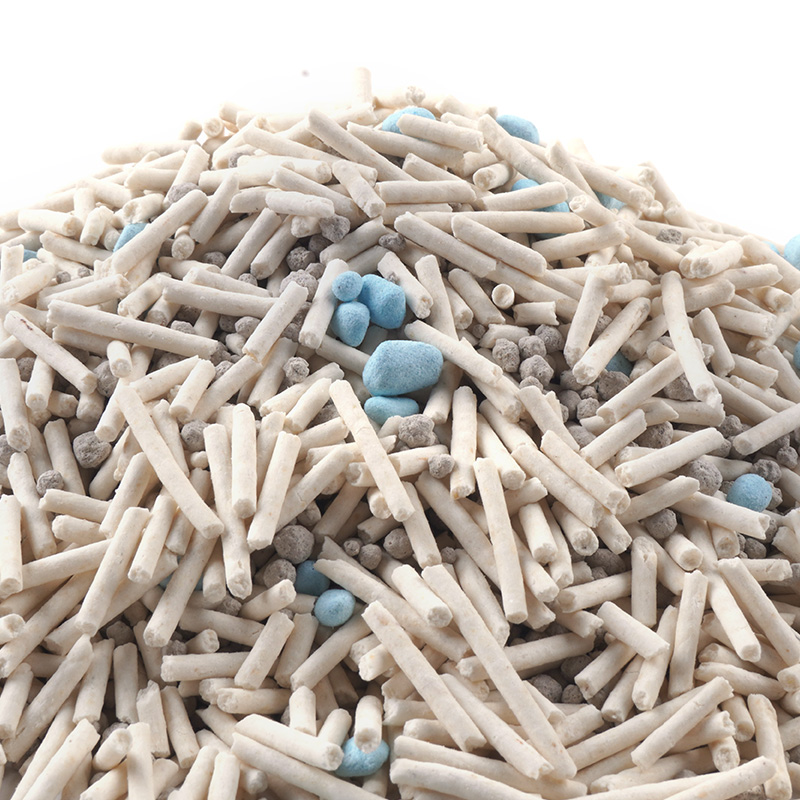 Activated Charcoal Mixed Cat LitterActivated-charcoal and bentonite mixed litter for odor control and clumping, suited to indoor and multi-cat homes.View Product →
Blended formats are usually the compromise choice for owners who want clay-level clumping with lower weight and better odor control per bag.
Build the station before the cats tell you they need it: separate rooms, open tops, and a cleaning rhythm you can keep on a bad week.
Boxes in different rooms give a harassed cat an actual escape route. Two trays touching each other are one station.
Hoods trap ammonia and leave a single exit. An open box lets a cat watch the room while it is vulnerable.
Buy for the biggest cat in the house. Smaller cats manage a large box fine, but large cats cannot compress into a small one.
Two scoops a day, a full litter change every two to four weeks, and a monthly wash with unscented soap keeps a shared station usable.
Usually yes, up to about five or six months old. Kittens are less territorial and adapt quickly, but set up the additional boxes before the first squabble so the habit is already in place when adolescence arrives.
One automatic box is still one box, and its cycle time becomes a bottleneck when two cats want the same slot. Keep at least one manual box as a backup and add a second automatic unit if the household has three or more cats.
Use the largest boxes that fit, place them on different floors or at opposite ends of the layout, and clear a closet with the door propped open. Two large, well-placed boxes beat three cramped ones lined up in a corridor.
Scoop twice daily, change clumping litter fully every two to four weeks, and wash the tray monthly with unscented soap. Skip scented cleaners, since residual perfume often drives cats to the floor instead.
The short answer stays the same: cats can share a box, but a single box is a risk, not a routine. Count the cats, add one, and give each box its own corner of the house.
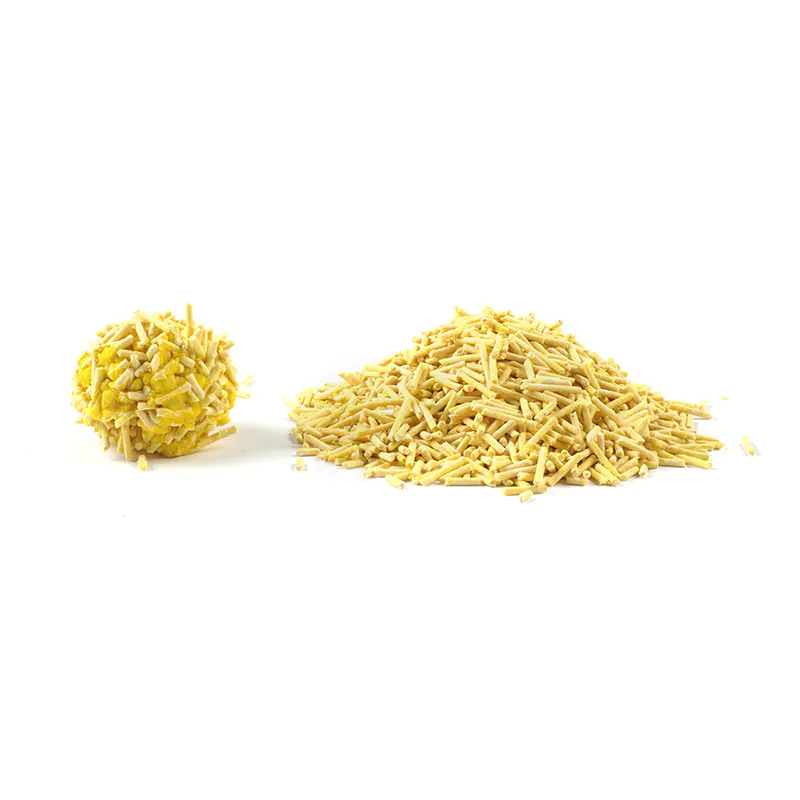
Tofu Cat Litter
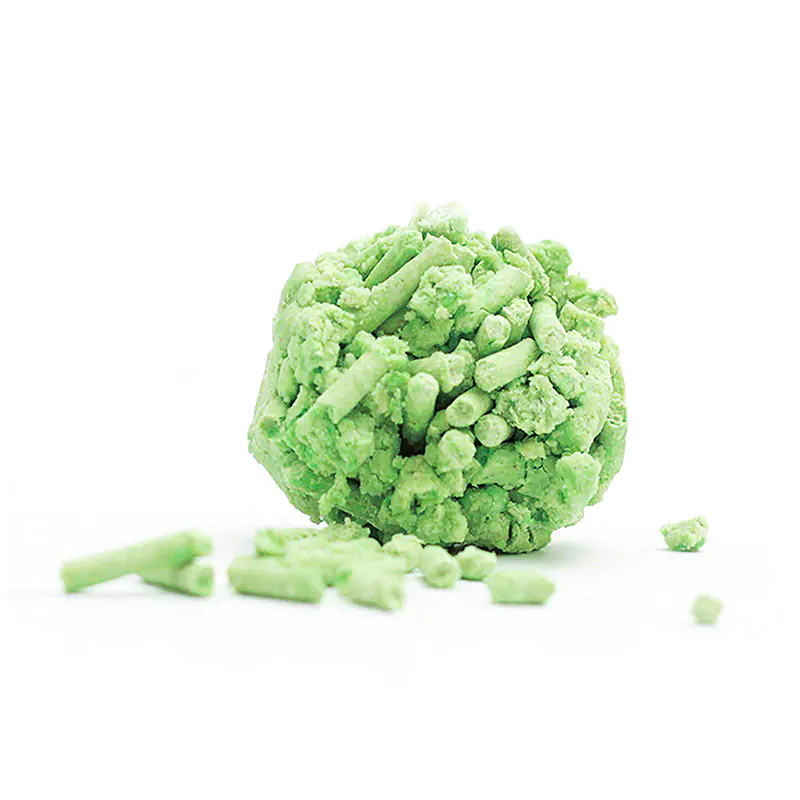
Tofu Cat Litter
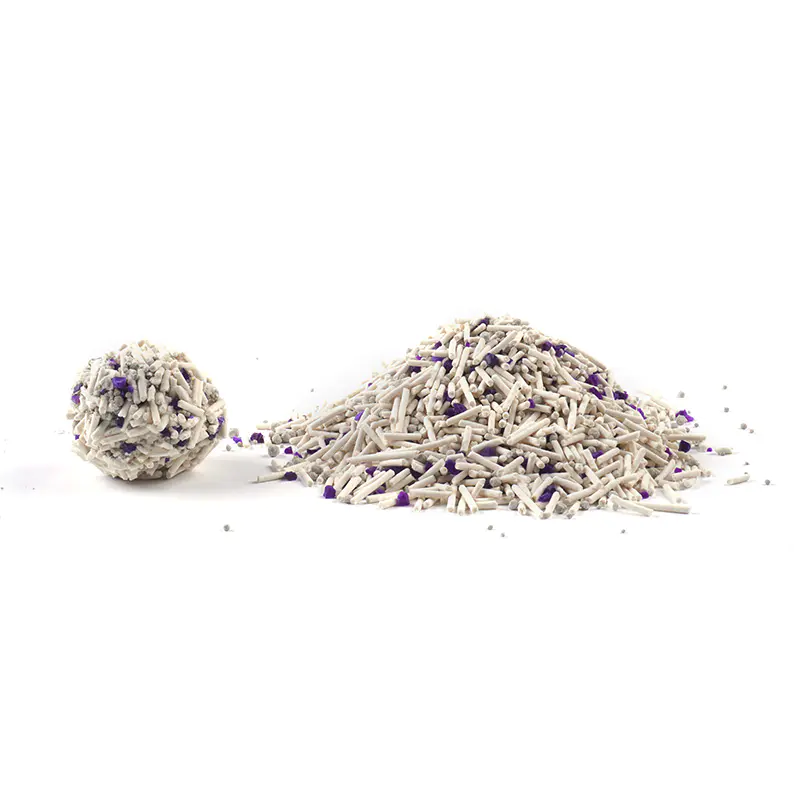
Mixed Cat Litter
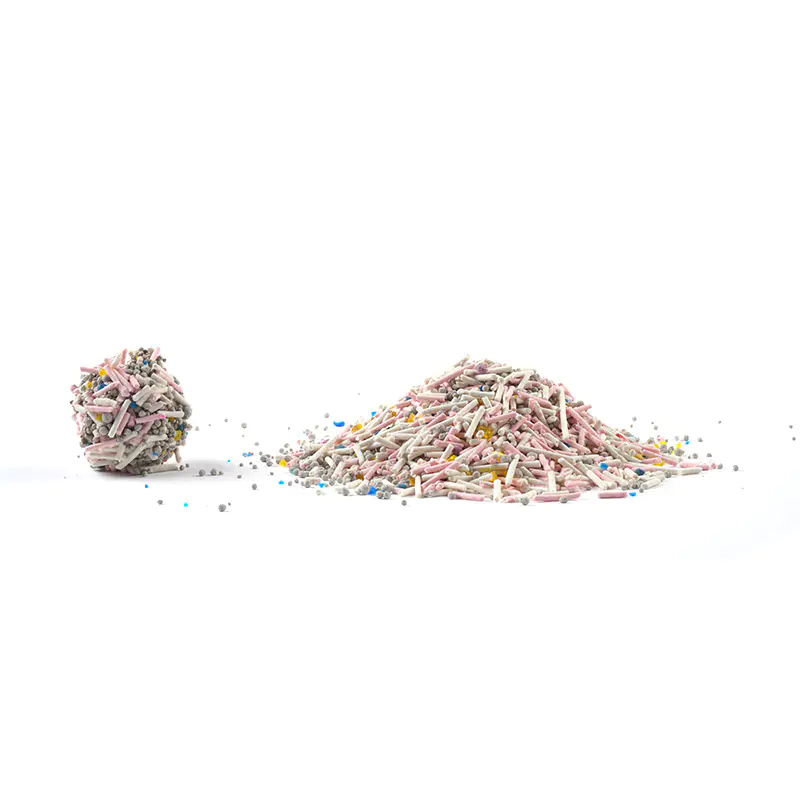
Mixed Cat Litter
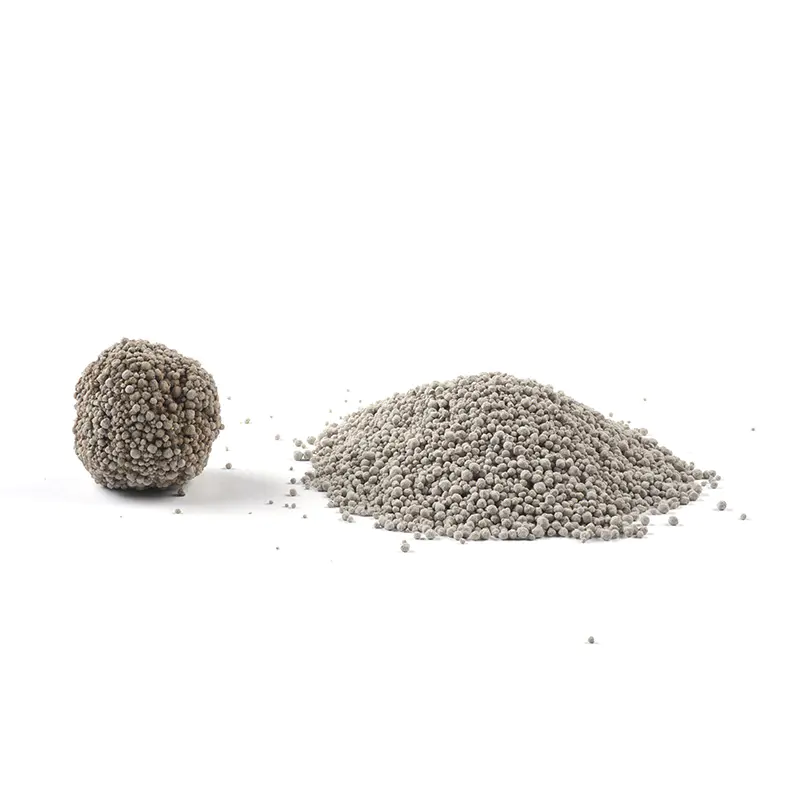
Bentonite Cat Litter


Got Questions? Call us 24/7

+8615263229311
No.88, Quandu Road, Xigang Town, Tengzhou City, Shandong, China. (Sincere Industrial Park)
OEM Cat Litter Manufacturers Bulk Cat Litter Wholesale Biodegradable Cat Litter Company



 English
 русский
 Español
 日本語
 한국어


