
Industry News
Content
Three days after a full litter change, the first clump is welded to the tray floor, the corner by the box smells faintly of ammonia, and your cat starts perching on the rim instead of digging in properly. Before you blame the brand, check the fill depth, because it is the most common setup mistake in otherwise well-kept litter boxes. The short answer: a standard litter box needs 2 to 3 inches (about 5 to 7.5 cm) of litter. That depth gives a cat enough material to dig and bury, lets clumping formulas form clean scoops before urine reaches the plastic, and holds odor down without wasting litter. Litter type, box style, and the individual cat only nudge that figure slightly up or down.
Cats are hardwired to dig, squat, and cover. Two to three inches of granules gives most cats enough material to work their paws through, bury waste completely, and stand on a surface that still feels firm underfoot. Below roughly 2 inches, a digging cat bottoms out, waste sits exposed, and many cats respond by covering less or avoiding the box altogether.
Clumping litters do their real work within seconds of contact. Urine needs to meet enough absorbent granules to form a cohesive clump before it soaks through to the bottom of the box. At the right depth the clump forms in the litter and lifts out whole; at the wrong depth the same urine hits plastic, spreads sideways, and leaves you scraping cement off the tray. Consistent depth also drives odor control, because covered waste releases far less ammonia and a properly filled box is easier to scoop on schedule.
The 2 to 3 inch default assumes a clumping plant-based or blended litter in a standard open box. Different materials absorb and clump differently, so the ideal fill moves with what you pour in:
| Litter Type | Recommended Depth | Why This Depth |
|---|---|---|
| Tofu or cassava (plant-based clumping) | 2 to 3 in (5-7.5 cm) | Absorbs fast and flushes clean; deeper layers stay damp and clumps turn heavy |
| Clumping bentonite clay | 3 to 4 in (7.5-10 cm) | Granules swell on contact and need depth to trap urine before it reaches the tray |
| Mixed litter (tofu plus mineral) | 2.5 to 3.5 in (6-9 cm) | Combines clay clump strength with plant fiber absorption |
| Crystal (silica gel) | 1 to 2 in (2.5-5 cm) | Absorbs instead of clumping, so deep fills mainly add cost and hide wet spots |
| Non-clumping mineral or paper | 1 to 2 in (2.5-5 cm) | Only needs to cover waste, since no clump has to form |
Plant-based clumping litters such as tofu and cassava sit right at the standard 2 to 3 inches. Their 2.5 to 3 mm granules absorb quickly, and a slightly shallower fill keeps each clump light enough to lift in one piece. Going much past 3 inches leaves lower layers moist for longer, which softens clumps and shortens the time between full changes.
Bentonite clay is the main exception to the default. Because its granules swell as they absorb, most bentonite brands ask for 3 to 4 inches so the litter can trap a full urination before liquid reaches the floor of the box.
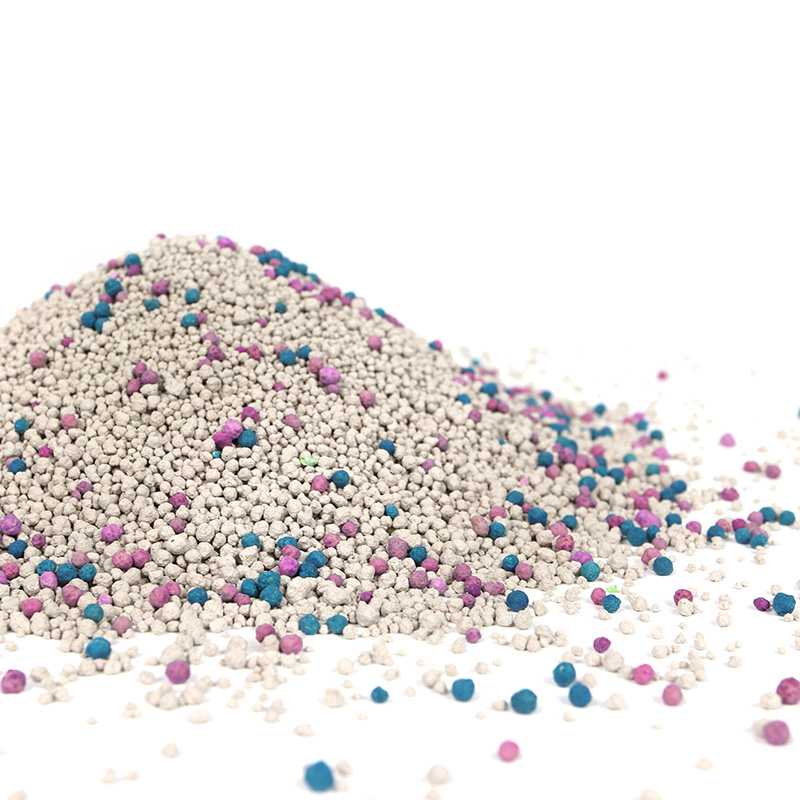 Natural Bentonite Clumping Cat Litter, 0.3-3.8mmThis bentonite litter's swelling granules and fast 3-second clumping support the recommended 3-4 inch fill depth, absorbing over 250% of its weight while staying low in dust.View Product →
Crystal litter reverses the logic entirely. Silica gel absorbs rather than clumps, so urine drains through the top layer and saturates granules along the way. Most makers specify 1.5 to 2 inches and suggest raking the crystals after each use so dry and saturated granules mix evenly. A deep crystal fill does not make the box last proportionally longer and can trap wet pockets you never stir into the dry layer.
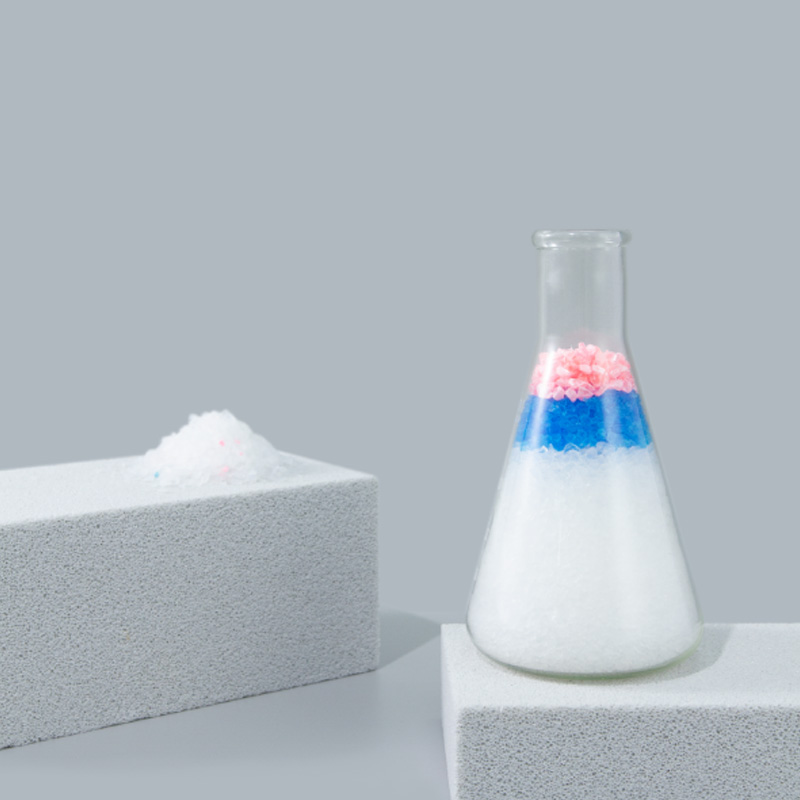 High Adsorption Silica Gel Crystal Cat LitterA non-clumping crystal litter designed for the shallow 1.5-2 inch fill described above, absorbing over 200% of its weight so saturated granules can simply be removed instead of scooping clumps.View Product →
Your cat will usually flag an underfilled box before you do. Watch for:
That last item is the expensive one. A cat that links the box with wet paws or an unpleasant visit can start looking for softer ground elsewhere, and retraining an avoidant cat takes far longer than pouring in another two inches of litter. Underfilling also means urine reaches plastic more often, which means more scrubbing and a box that holds odor even when it is clean.
More is not better either. Past about 4 inches, deep loose litter feels unstable under a cat's paws, and some cats respond by digging harder and flinging granules well past the box. You get more tracking on the floor, heavier clumps that break apart during scooping, and a fill that costs roughly a third more to maintain for no behavioral gain.
Overfilled clumping litter also fails on the maintenance side: clumps that form deep in the box smear against the walls or fragment, so clean litter gets thrown away with every scoop.
If your cat is an enthusiastic digger, the fix is a bigger box, not a deeper one. A larger footprint with high sides and the same 2 to 3 inch fill contains the excavation while keeping the surface stable.
Automatic boxes are the one case where the manufacturer's line beats any general rule. Nearly all of them mark a maximum fill, usually around 2 to 3 inches or less, and exceeding it can jam the rake, trip sensors, or void the warranty. They also require clumping litter, and granule behavior matters as much as depth; our guide to whether bentonite works in self-cleaning litter boxes covers the details.
Kittens do better with a shallow fill of 1 to 2 inches in a low-sided box they can enter without a running start. Senior cats with stiff joints appreciate the same setup: shallower litter and an easy entry, but still enough depth to cover waste. Comfort here comes from box geometry more than from the fill line.
Follow the rule of one box per cat plus one, each filled correctly. Depth never compensates for a box that is already saturated by mid-afternoon.
Filling to the right depth uses more litter than first-time owners expect. An average rectangular box of about 45 by 35 cm filled to 3 inches holds roughly 12 liters of granules, which works out to about 6 to 7 kg of plant-based litter, two to three 2.5 kg bags, or 9 to 11 kg of bentonite.
Over a month, one cat on a properly filled box with daily scooping typically consumes somewhere between 6 and 12 kg (13 to 26 lb) of litter, depending on the material and how often you dump everything. Deeper fills and frequent full changes push you toward the top of that range; skimping on depth usually costs you the difference in scrubbing time.
A simple routine keeps the depth stable:
If odor is your main concern, a deodorizing powder used per its label direction does more for a correctly filled box than an extra inch of litter ever will.
Fill depth tells the litter what to do; granule quality decides whether it can do it. Uniform granule size, low dust, and a hard, fast-setting clump are what make a 3 inch fill scoop cleanly week after week. This is where production control shows up in daily use, because a consistent 2.5 mm or 3.0 mm granule behaves the same way in every bag, which is exactly what a stable fill depth depends on.
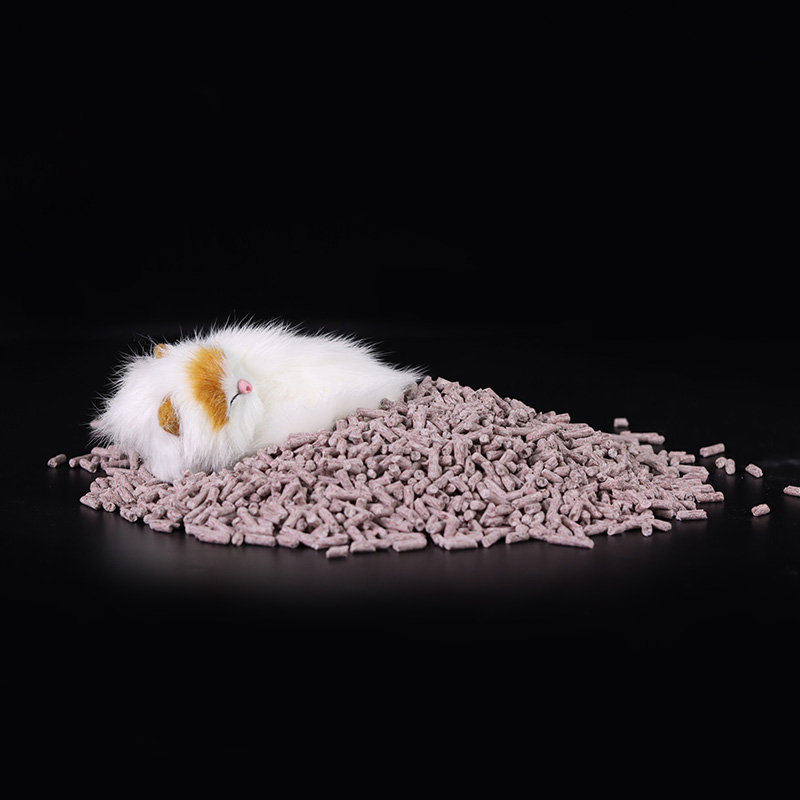 Sincere 3.0mm Tofu Clumping Cat LitterUniform 3.0mm granules, at least 300% water absorption, and a 99% dust-free formula illustrate how consistent granule quality lets a standard 5-8 cm fill clump firmly and flush cleanly.View Product →
We look at the same question from the factory side at Sincere Pet Products. Plant-based litters are engineered so that a standard 2 to 3 inch fill absorbs quickly, clumps tightly, and flushes away cleanly, and for the brands and retailers we supply, granule size, density, scent, and packaging can all be specified through our custom cat litter OEM services.
Keep the setup simple: 2 to 3 inches in a standard box, a little deeper for bentonite, a little shallower for crystals, shallower still for kittens and senior cats, and always respect the fill line on an automatic box. Then let your cat audit the result. Waste that is covered, clumps that lift out whole, and a cat that digs in without hesitation mean the depth is right.
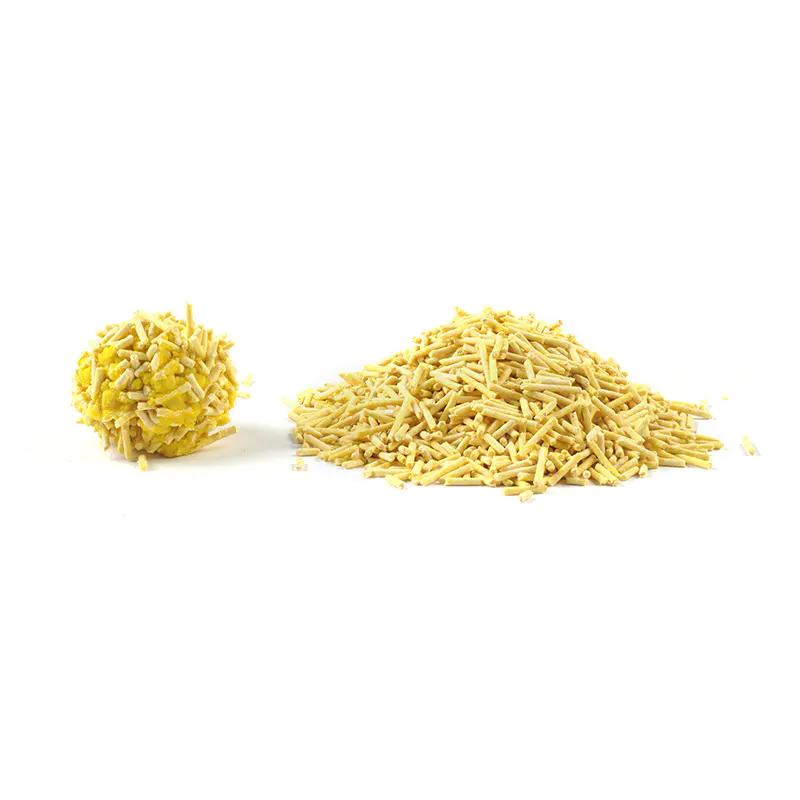
Tofu Cat Litter
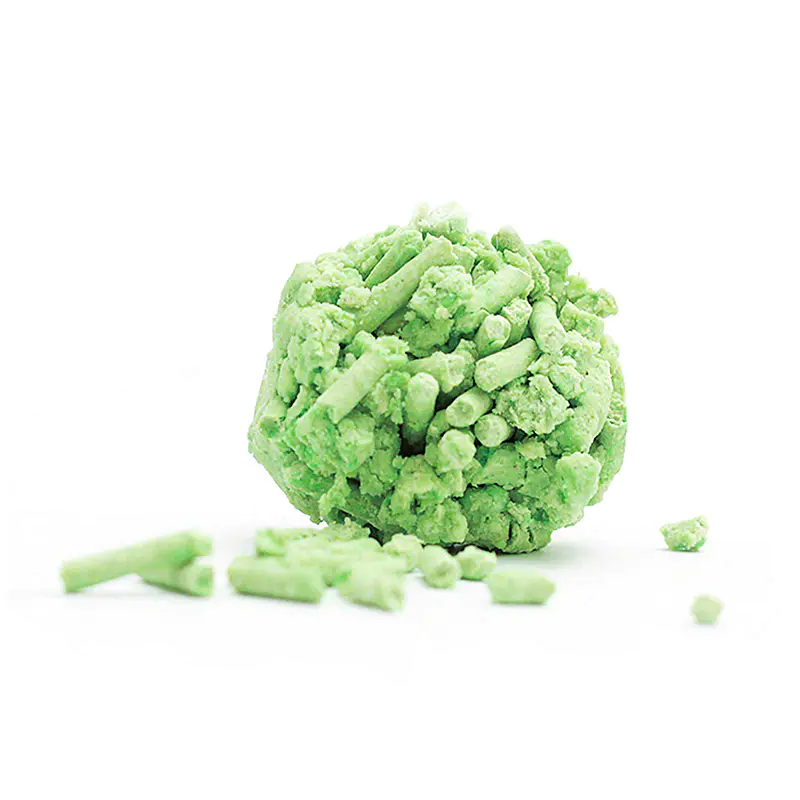
Tofu Cat Litter
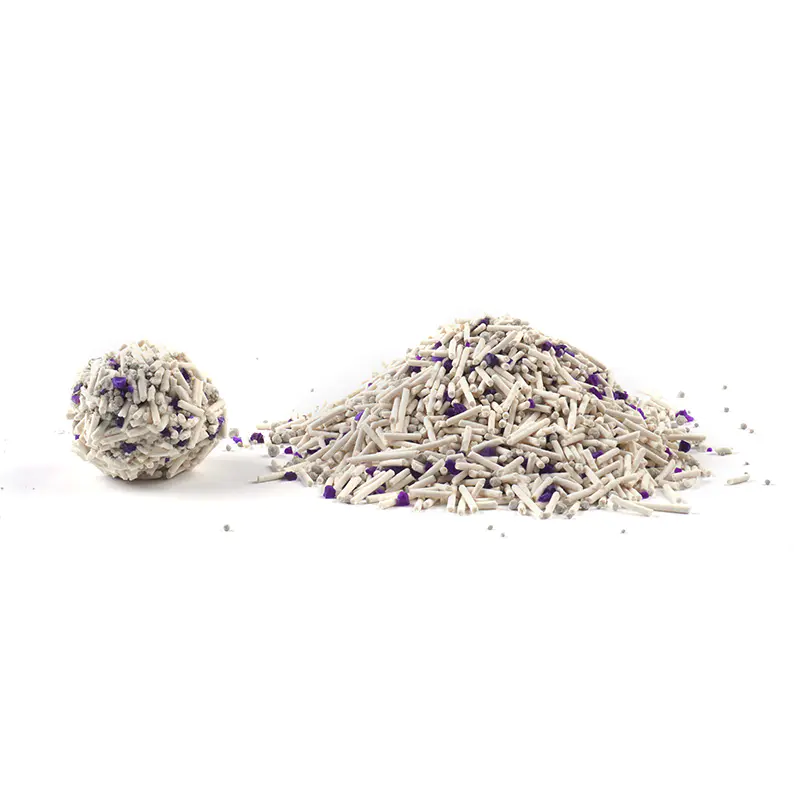
Mixed Cat Litter
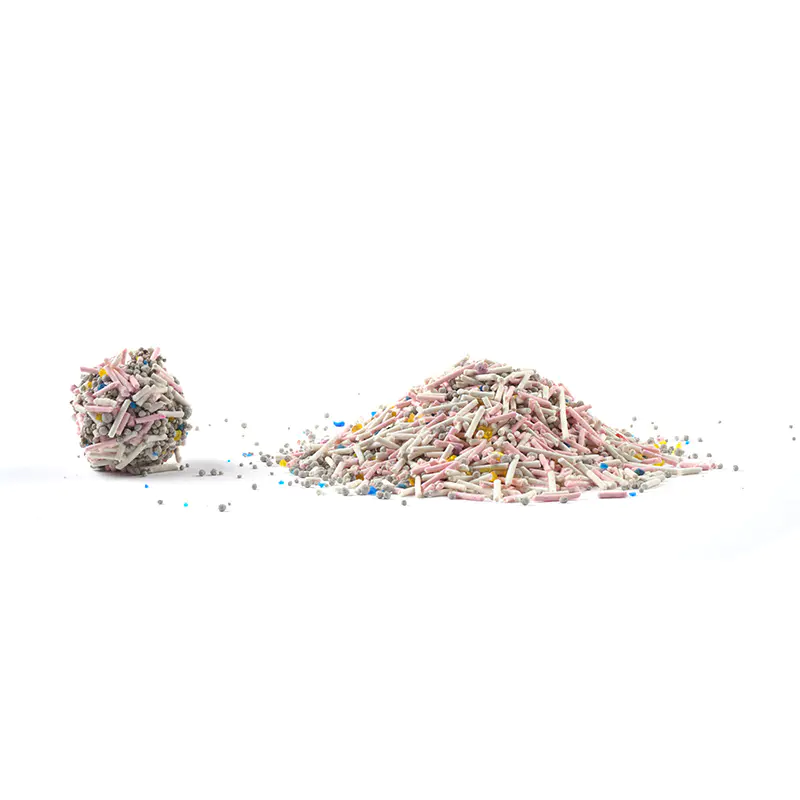
Mixed Cat Litter
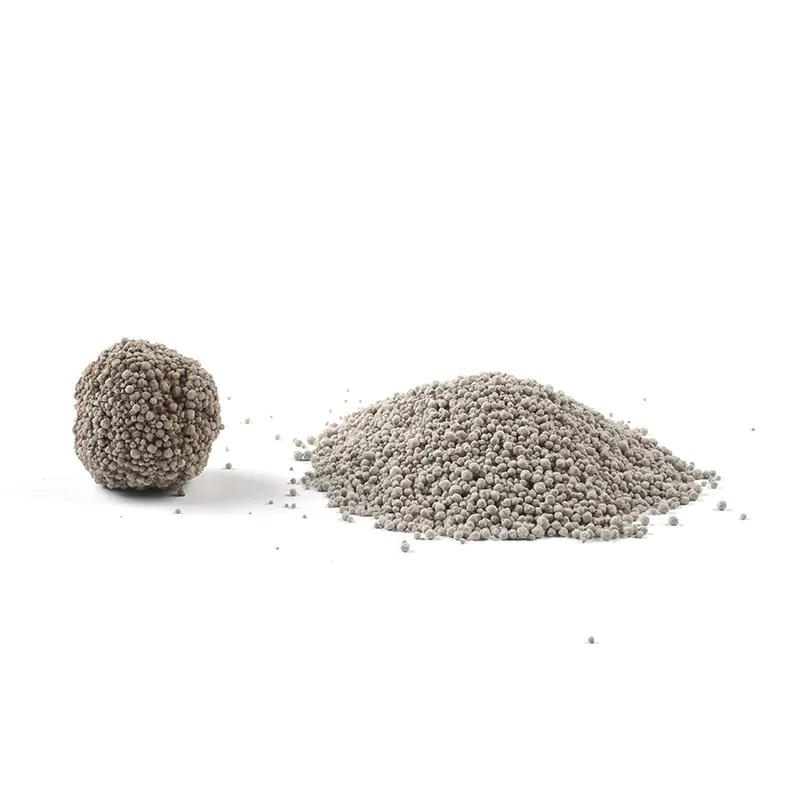
Bentonite Cat Litter


Got Questions? Call us 24/7

+8615263229311
No.88, Quandu Road, Xigang Town, Tengzhou City, Shandong, China. (Sincere Industrial Park)

OEM Cat Litter Manufacturers Bulk Cat Litter Wholesale Biodegradable Cat Litter Company



 English
 русский
 Español
 日本語
日本語 한국어
한국어


