
Industry News
Content
Walnut shell litter is one of the few cat litters whose raw material arrives at the plant already processed by another industry: the shells left after walnut kernels are cracked for food. That single fact explains most of what owners notice in the box, from the lighter granules and the softer feel under a cat's paw to clumps that hold but rarely set like cement, and tracking that sends some households back to clay within a month.
The weight gap is why walnut litter divides opinion. A scoop of walnut granules sits far closer to paper pellets than to bentonite on a kitchen scale, and cats that dig deep seem to like the softer texture. The same lightness is why granules cling to long fur and travel out of the box on a cat's paws.
Walnut shell cat litter is a clumping litter made from crushed, heat-treated walnut shells, screened to roughly 3 to 6 millimetres and sold as a biodegradable, plant-based alternative to clay.
The material is a by-product, not a purpose-grown crop, which is why supply follows the nut harvest rather than litter demand.
What it does not contain matters just as much. Unscented walnut litter has no added perfume, no sodium bentonite and no silica gel beads, which is the main reason households with dust-sensitive cats try it at all.
In everyday use walnut shell litter clumps reliably for urine, keeps odour acceptable in single-cat homes and pours with visibly less dust than clay, but it tracks further and its clumps can break apart during scooping.
| Factor | Walnut shell | Bentonite clay | Tofu or plant fibre | Crystal (silica) |
| Clump strength | Firm, holds shape | Very hard | Firm, softer core | No true clump |
| Dust when pouring | Low | Moderate to high | Low | Very low |
| Tracking | High | Moderate | Moderate | Low |
| Odour control | Good, natural | Good | Good with carbon or additives | Strong until saturation |
| Flushable | Rarely | No | Usually yes | No |
| Weight per litre | Light | Heavy | Medium | Very light |
| Best fit | Low-dust households | Tight budgets | Flushable routines | Low-maintenance boxes |
Scooping technique matters more with walnut than with clay. Wait ten minutes after urination so the binder can set, lift each clump from underneath rather than from the side, and keep depth at 6 to 8 cm so the clump forms above the box floor instead of bonding to it.
Walnut shell litter is safe for cats when the shell is food-grade and heat-treated; the safety questions that circulate online usually concern black walnut hulls, fine dust or kittens tasting a new litter, not ordinary walnut shells.
Juglone, the compound that makes black walnut a difficult plant to grow under, is concentrated in hulls, roots and leaves. Commercial litter is made from the shell, not the hull, and kiln drying lowers the risk further. Buyers should still ask which species the mill uses and whether the shell is food grade.
Walnut litter is lower dust than clay, not dust free. Pour slowly from a low height, keep the box away from draughty walkways, and give kittens a shallow layer so they are not tempted to taste a deep bed of granules.
Walnut shell litter tracks further than clay simply because each granule is lighter, so the practical fix is mechanical: a textured mat, a box with a low entry lip and a consistent fill depth.
Where it wins
Where it costs you
Walnut shell is a seasonal by-product line, so buyers who order it the way they order commodity clay often get lot-to-lot colour and granule variation; shell grade, granule distribution and dust limits must be written into the specification.
A workable purchase spec covers shell species and grade, heat treatment and a moisture ceiling, a granule band with tolerance, a dust value, clump strength measured after a fixed setting time, and bag format with pallet count.
Plant-based lines also let a retailer cover the walnut price tier without repeating the same story on shelf. Cassava and tofu granules use a comparable clumping logic with a lighter bag weight, which keeps shelf talk consistent across the range.
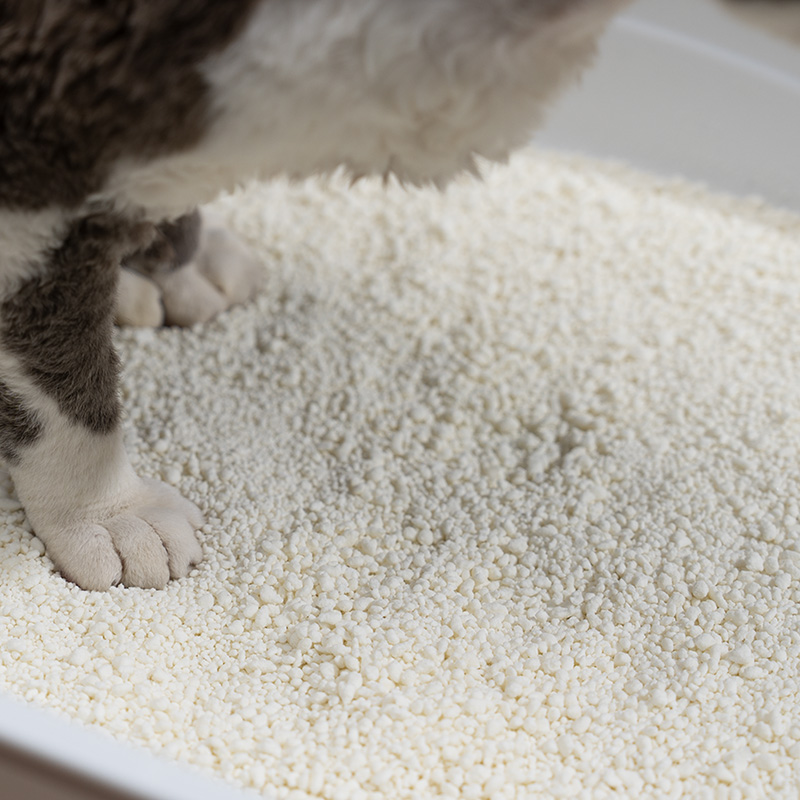 Cassava Plant-Based Cat Litter for Lightweight ClumpingCassava-starch litter offers rapid absorption, firm clumps and a lighter bag weight for plant-based shelf ranges; OEM sizing and packaging are available.View Product →
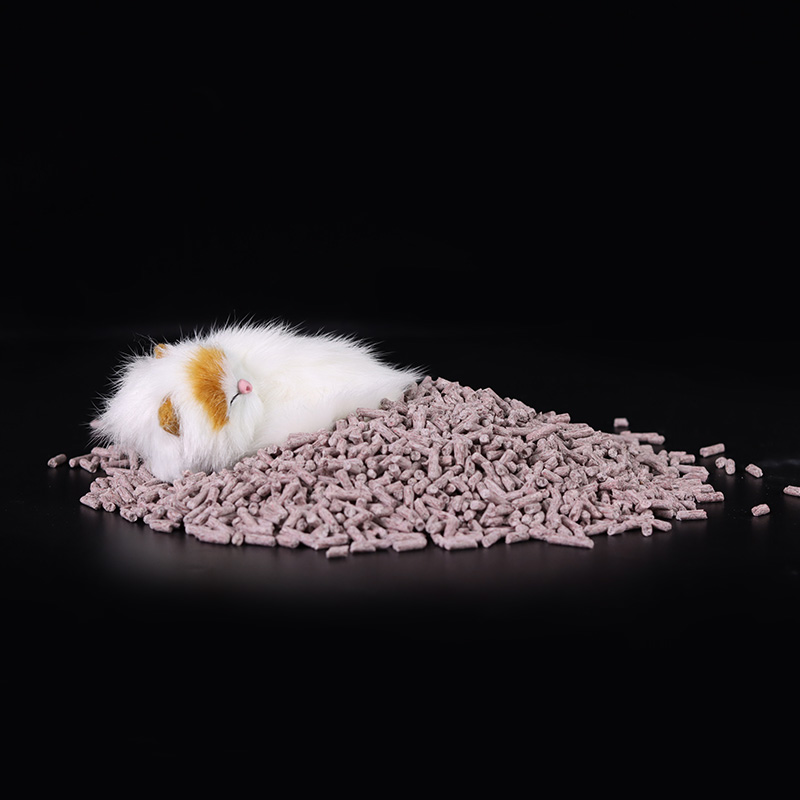 3.0mm Tofu Cat Litter for Low-Dust ClumpingPea-fibre and corn-starch tofu litter with 3.0mm granules, strong clumps and low dust; suits retail, wholesale and private-label programmes.View Product →
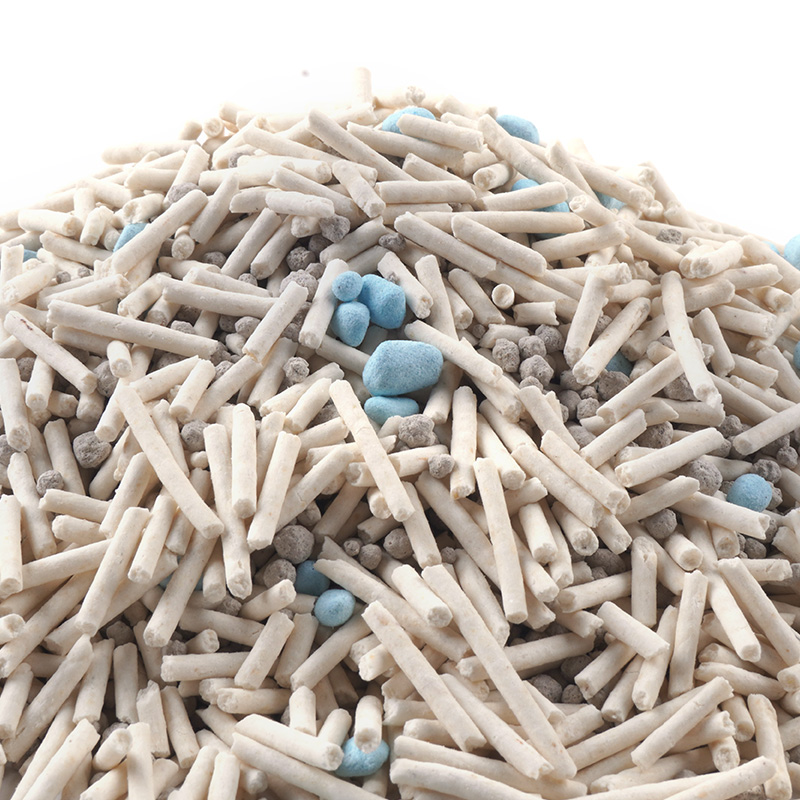 Activated Charcoal Mixed Cat Litter for Odor ControlA 3-in-1 blend with activated charcoal and bentonite targets litter-box odors and moisture, with OEM options for indoor and multi-cat households.View Product →
For a wider view of material options, the plant fibre cat litter buying guide walks through fibre sources, clumping behaviour and shelf positioning. Our OEM cat litter services cover granule sizing, scent and packaging for private label programmes.
Most cats accept walnut shell litter within seven to ten days when the new litter is mixed in at about one part to three and the box stays in the same place.
A small amount of food-grade walnut shell passes through, but a cat that regularly eats litter should see a vet, because the behaviour usually points to anaemia, diet problems or stress rather than the litter itself.
No. Clumps hold well for a plant-based litter, but they are softer than bentonite, so scoop from underneath and give the clump ten minutes to set.
Rarely. Most brands do not recommend flushing, and even compostable litters can clog older plumbing, so bag and bin it unless the label explicitly allows flushing.
It can work, but multi-cat boxes need firmer clumps and faster odour control; a mixed or tofu litter with added carbon often holds up better at the same price point.
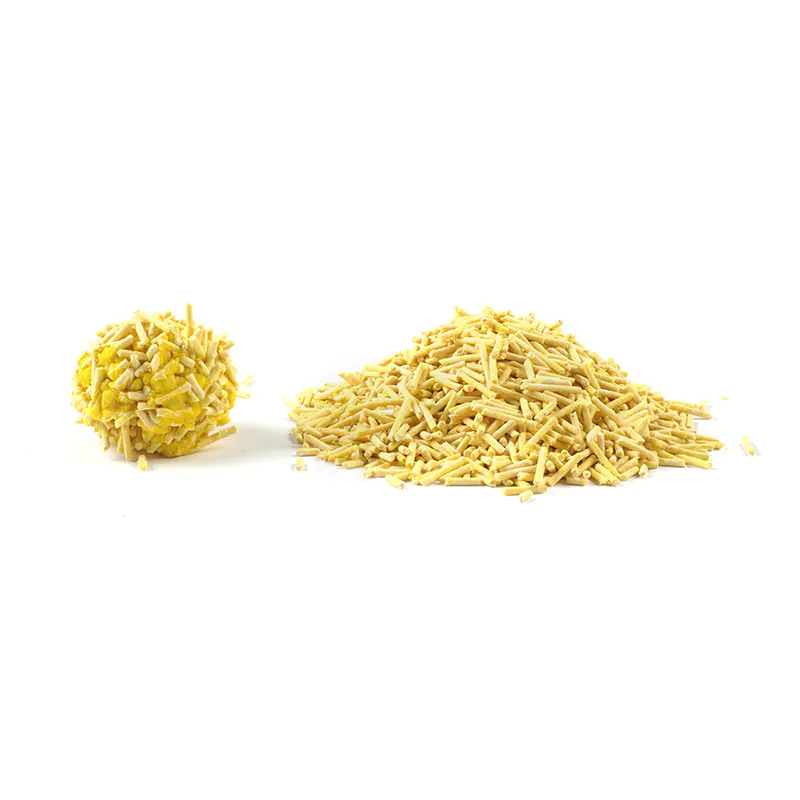
Tofu Cat Litter
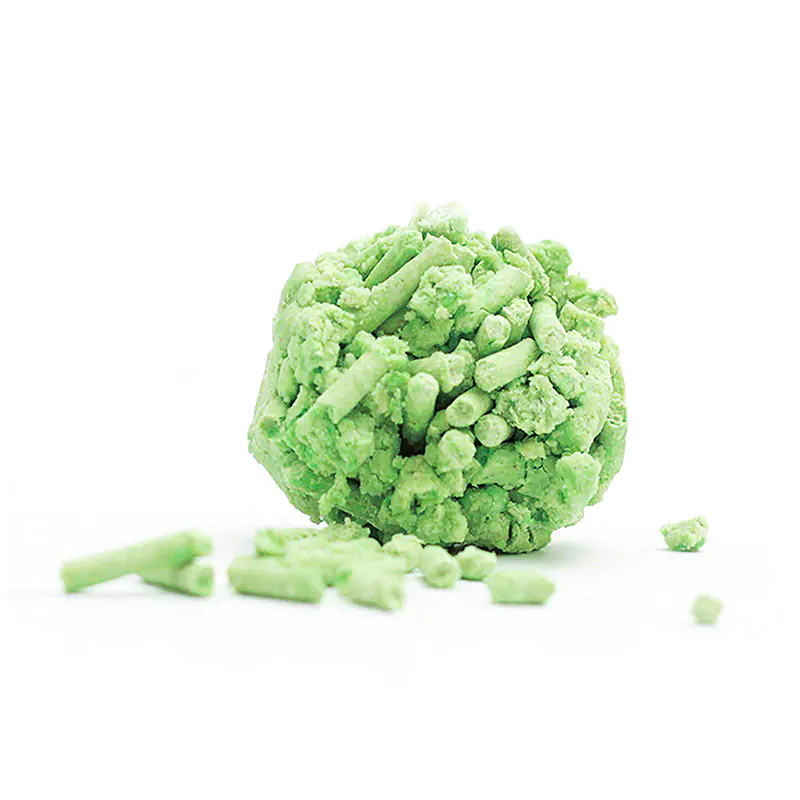
Tofu Cat Litter
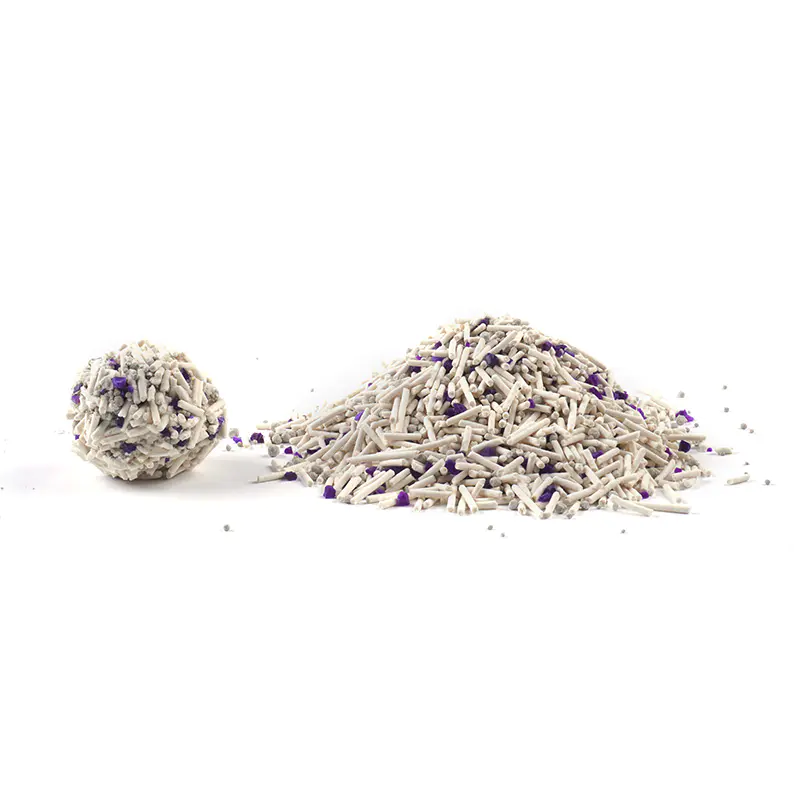
Mixed Cat Litter
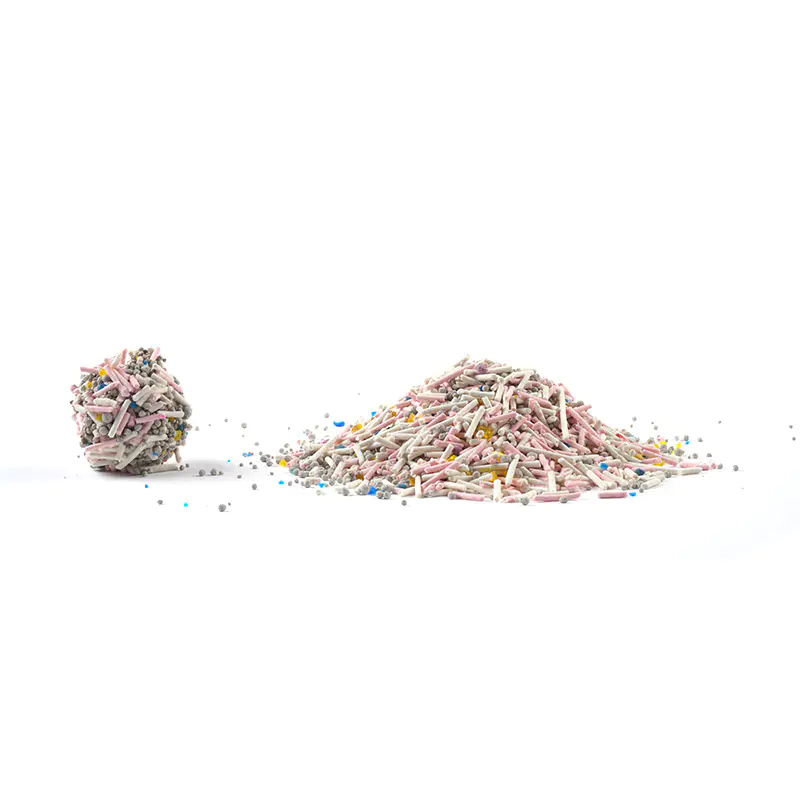
Mixed Cat Litter
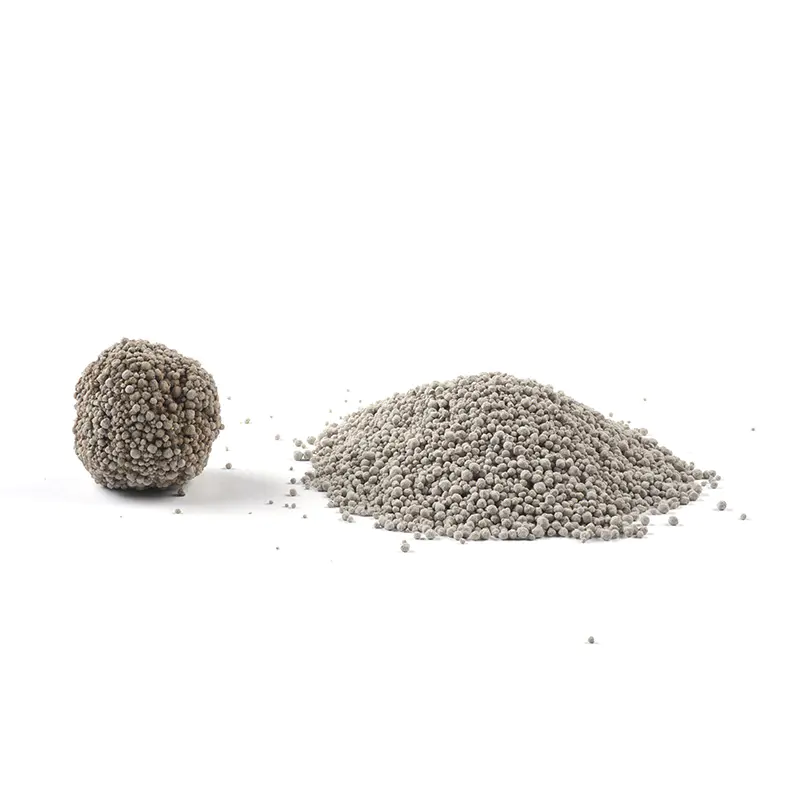
Bentonite Cat Litter


Got Questions? Call us 24/7

+8615263229311
No.88, Quandu Road, Xigang Town, Tengzhou City, Shandong, China. (Sincere Industrial Park)
OEM Cat Litter Manufacturers Bulk Cat Litter Wholesale Biodegradable Cat Litter Company



 English
 русский
 Español
 日本語
 한국어


