
Industry News
Content
Every cat owner knows the feeling: you walk into a room and immediately know the litter box needs attention. Odor control is the single most important performance metric for cat litter, yet most conventional options rely on synthetic fragrances to mask the problem rather than solve it. Cassava cat litter takes a fundamentally different approach — one that starts deep in the root of a tropical plant and ends with genuinely fresher air in your home.
Cassava (Manihot esculenta) is a starchy root crop cultivated across Africa, Asia, and South America. It is one of the world's most widely grown food crops, valued for its high starch content and resilience in poor soils. When cassava starch is processed into cat litter, those same starch-dense properties that make it a dietary staple become the foundation of exceptional moisture management.
The granules produced from dried cassava starch are highly porous at a microscopic level. Each granule acts like a tiny sponge, drawing liquid inward on contact rather than allowing it to pool on the surface. This physical structure is what sets cassava apart from clay, which absorbs more slowly, and from silica gel, which traps moisture without clumping. The result is a litter that begins neutralizing odor from the moment it contacts waste — before bacteria have a chance to multiply and produce the volatile compounds responsible for that characteristic "litter box smell."
Sincere's cassava cat litter is formulated with cassava starch as the primary ingredient, complemented by plant fiber and guar gum to reinforce clump integrity, plus targeted deodorizing additives including activated carbon and green tea powder. Every component has a functional role in the odor-control chain.
To appreciate why cassava litter controls odor so effectively, it helps to understand what causes litter box odor in the first place. Cat urine contains urea, which begins breaking down into ammonia within minutes of being deposited. That sharp, pungent ammonia smell intensifies as urine spreads and sits. Solid waste produces a separate category of odor compounds — hydrogen sulfide, indole, and other volatile organic compounds (VOCs) generated by bacterial activity.
Cassava litter addresses both sources through two complementary mechanisms:
For a deeper look at how cassava compares across other performance dimensions, see our guide to cassava cat litter benefits, how it works, and why cats love it.
The base cassava formula already delivers strong odor control, but the addition of targeted natural additives extends performance further — particularly for solid waste odors that starch alone may not fully address.
Activated carbon is one of the most effective odor-adsorbing materials known. Its highly porous surface area — thousands of square meters per gram at the microscopic level — traps hydrogen sulfide, indole, and other malodorous VOCs through adsorption, binding them to its surface before they can disperse into the air. Unlike synthetic deodorizers, activated carbon produces no smell of its own and does not irritate feline nasal passages.
Green tea powder contributes polyphenol compounds with demonstrated antibacterial properties, slowing the microbial activity that generates fecal odor. It also provides a faint, natural freshness that complements rather than overpowers the scent-neutral character of the litter — an important distinction for cats, whose sense of smell is estimated to be roughly 14 times more sensitive than a human's.
Together, these additives create a layered odor-defense system: the cassava starch handles urine ammonia through absorption and neutralization, while activated carbon and green tea address bacterial VOCs. The net effect is odor control that functions continuously without masking agents.
Understanding how cassava performs relative to the alternatives helps set realistic expectations and clarifies where it delivers the greatest advantage.
| Litter Type | Odor Mechanism | Clumping | Dust Level | Biodegradable |
|---|---|---|---|---|
| Cassava | Absorption + natural starch neutralization + additives | Very fast (5–10 sec) | Very low | Yes |
| Clay (clumping) | Absorption + synthetic perfume masking | Moderate | High | No |
| Silica Gel | Moisture absorption into crystal matrix | None | Low | No |
| Tofu / Soy | Plant fiber absorption + clumping | Good | Very low | Yes |
| Corn / Wheat | Starch absorption + clumping | Good | Low | Yes |
Clay litter remains the most widely used option globally, but its reliance on heavy fragrances creates a secondary problem: many cats find artificial perfumes aversive and begin avoiding the litter box, which ironically worsens household odor. Cassava's fragrance-free character respects feline olfactory sensitivity while still neutralizing the compounds that human noses find unpleasant.
Silica gel crystals absorb moisture efficiently but do not clump, which means waste remains in the box until a full litter change. As the crystals saturate, odor can release back into the air. Cassava's clumping mechanism allows continuous removal of the odor source with every scoop. For households wanting to combine the benefits of different natural litters, our mixed cat litter range offers blended formulas that pair cassava-type performance with complementary ingredients.
Even the most effective litter performs better with consistent maintenance. The following practices maximize the odor-relief that cassava litter delivers:
Cassava cat litter delivers its strongest advantages in specific situations. Multi-cat households benefit most: with higher waste volumes, the fast clumping speed and high liquid absorption capacity prevent the odor accumulation that slower litters struggle to contain. Apartment dwellers with limited ventilation will also notice a meaningful difference versus clay litters that rely on perfume masking.
For cat owners who have switched away from conventional litters due to dust-related respiratory irritation — in themselves or their cats — cassava offers a near-dust-free alternative that doesn't compromise on odor performance. Its neutral, starch-only scent is also well-tolerated by cats that have rejected fragranced litters in the past, reducing the risk of litter box avoidance.
On the environmental side, the contrast with clay is stark. The United States alone generates an estimated 8 billion pounds of used clay litter per year, virtually all of which goes to landfill where it persists indefinitely. Cassava litter is fully biodegradable, breaking down naturally through composting or general disposal, with a production footprint that does not involve strip-mining or peat destruction.
If you are evaluating natural plant-based litters more broadly, our overview of plant fiber cat litter types and buying considerations provides a useful framework for comparing materials and identifying the right fit for your cat's preferences and your household's priorities.
From root to relief, cassava cat litter earns its reputation through a combination of natural chemistry, intelligent formulation, and an odor-control mechanism that eliminates rather than disguises. For cat owners ready to move beyond perfumed masking agents, it represents one of the most substantive upgrades available in the modern litter category.
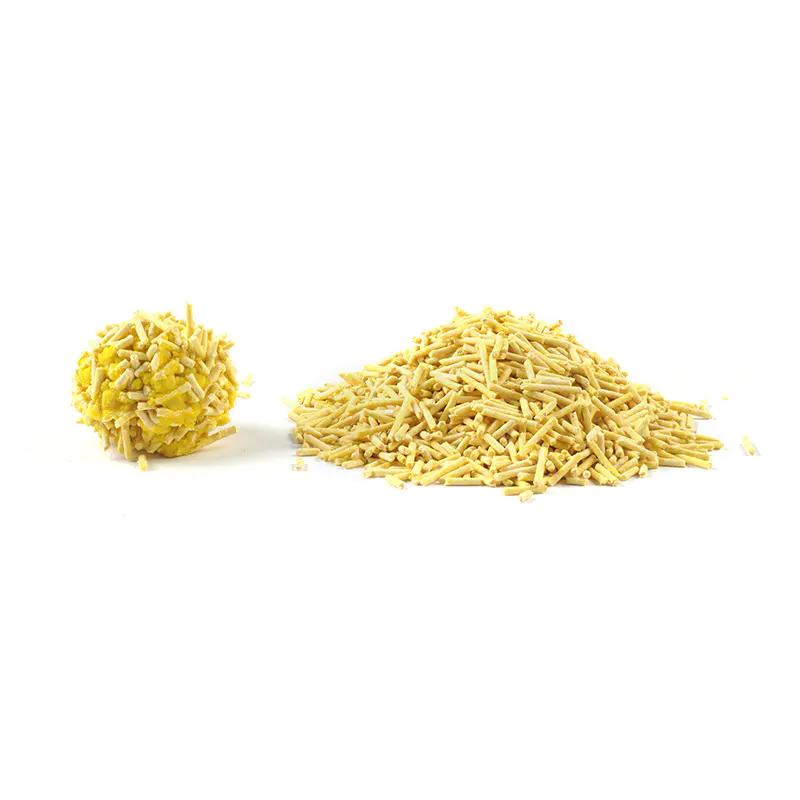
Tofu Cat Litter
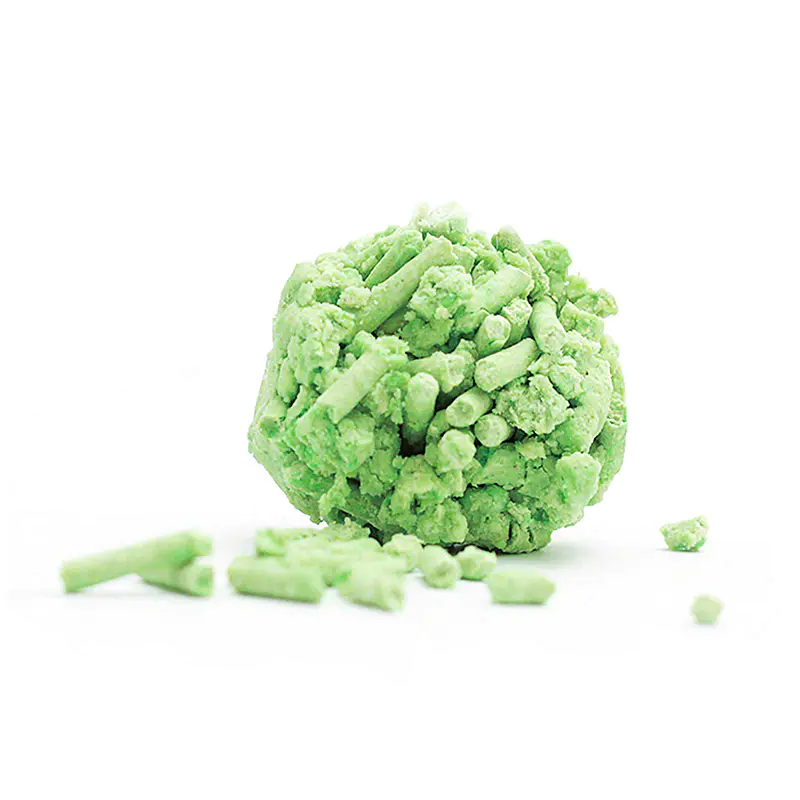
Tofu Cat Litter
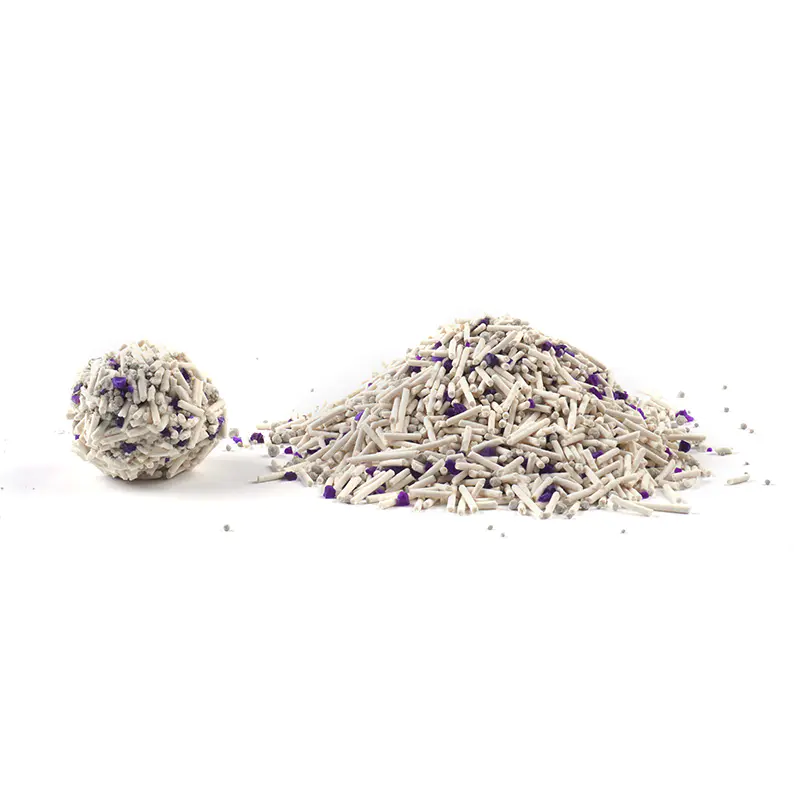
Mixed Cat Litter
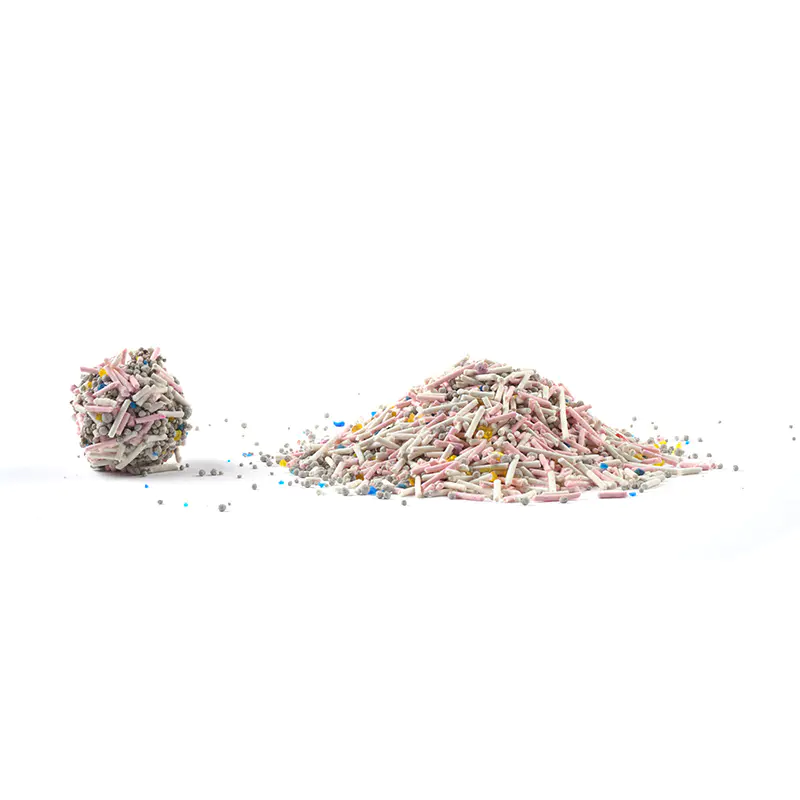
Mixed Cat Litter
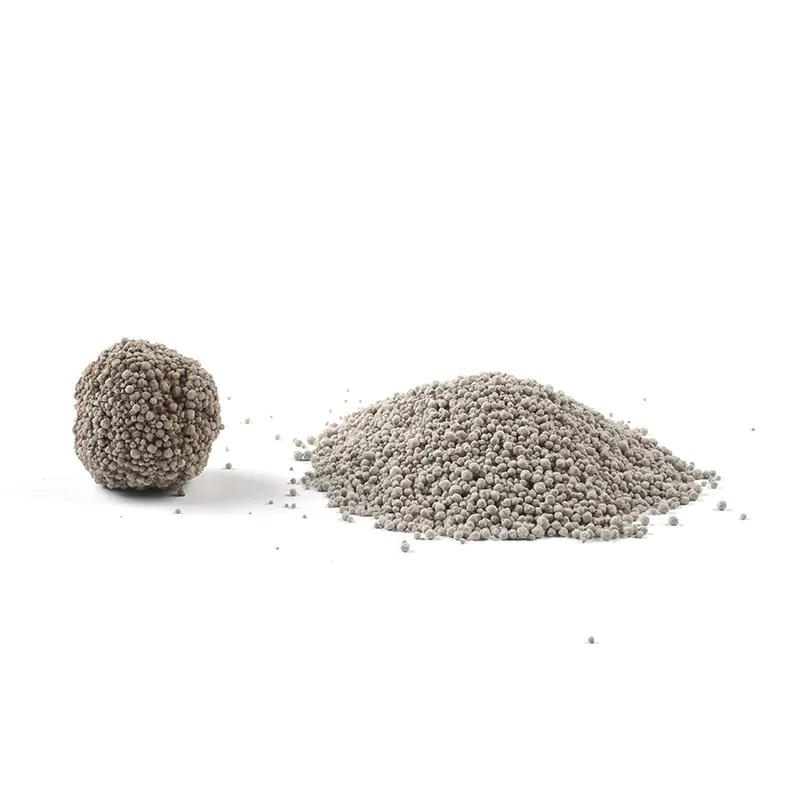
Bentonite Cat Litter


Got Questions? Call us 24/7

+8615263229311
No.88, Quandu Road, Xigang Town, Tengzhou City, Shandong, China. (Sincere Industrial Park)
OEM Cat Litter Manufacturers Bulk Cat Litter Wholesale Biodegradable Cat Litter Company



 English
 русский
 Español
 日本語
日本語 한국어
한국어


