
Industry News
Content
Plant fiber cat litter is made from renewable botanical materials — such as corn cobs, wheat straw, wood pulp, sugarcane bagasse, and tofu (soy) residue — rather than mined clay or silica gel. The raw fibers are processed into granules, pellets, or clumping crumbles that absorb moisture, suppress odors, and break down naturally after use. Because the feedstocks are agricultural byproducts, production consumes far fewer resources than extracting and kiln-drying bentonite clay, and the finished product can often be composted or flushed in small quantities.
Global demand for eco-friendly pet products has grown steadily, and plant-based litter now accounts for a growing share of the overall cat litter market, driven by pet owners seeking sustainable alternatives without sacrificing performance.
Not all plant fiber litters perform identically. The source material shapes absorbency, clumping strength, dust level, and biodegradability in distinct ways.
| Material | Clumping | Odor Control | Biodegradable | Flushable |
|---|---|---|---|---|
| Tofu / Soy Fiber | Strong | Good | Yes | Yes(small amounts) |
| Corn / Wheat | Moderate–Strong | Very Good | Yes | Yes (check local rules) |
| Wood Pulp / Pine | Low–Moderate | Excellent (natural pine scent) | Yes | No |
| Sugarcane Bagasse | Moderate | Good | Yes | Yes (small amounts) |
Tofu litter stands out for combining strong clumping with easy disposal. Wood-based pellets excel at odor absorption due to natural lignin compounds but tend to crumble rather than clump, which suits owners who prefer a non-clumping, low-tracking setup.
Clay litter, particularly sodium bentonite, dominates retail shelves because of its low unit cost and reliable clumping. Yet plant fiber litter offers several measurable performance benefits that justify the price premium for many households:
Silica gel litter absorbs well but does not biodegrade and carries a higher per-unit cost. For households prioritizing sustainability and safety, plant fiber litter typically scores higher across environmental and health metrics while still meeting daily usability standards.
The production of sodium bentonite clay requires open-pit mining — a process associated with habitat disruption and high transport emissions due to the material's weight. By contrast, most plant fiber feedstocks are agricultural co-products that would otherwise be incinerated or landfilled. Redirecting sugarcane bagasse or soy processing residue into cat litter reduces overall waste and captures value from materials already in the supply chain.
End-of-life disposal also differs sharply. Used clay litter goes to landfill, where it remains inert for centuries. Certified compostable plant fiber litters — particularly those made from tofu residue or untreated wood — can complete a biological cycle in municipal composting facilities within 30 to 90 days, depending on conditions. Some formulations meet ASTM D6400 or EN 13432 compostability standards, providing verifiable third-party confirmation.
That said, "natural" does not automatically mean carbon-neutral. Processing, pelletizing, and shipping still generate emissions. Buyers looking for a full environmental picture should request lifecycle assessment (LCA) data from suppliers when sourcing in bulk.
Cats are creatures of habit. A sudden switch from a familiar clay product to a new texture and scent can cause litter box avoidance. A gradual transition strategy works reliably for most cats:
If a cat consistently avoids the box despite a slow transition, try a different fiber material. Some cats are sensitive to corn or wheat scents; switching to an unscented wood-pellet option often resolves this. Filling the box to the standard depth of 7–10 cm also matters — too shallow a layer reduces clumping effectiveness and odor control.
For retailers, distributors, or multi-cat households purchasing plant fiber litter in volume, several specifications are worth verifying before committing to a supplier:
Requesting product samples before placing a full order remains the most reliable way to evaluate real-world performance across absorbency, odor control, and clump durability.
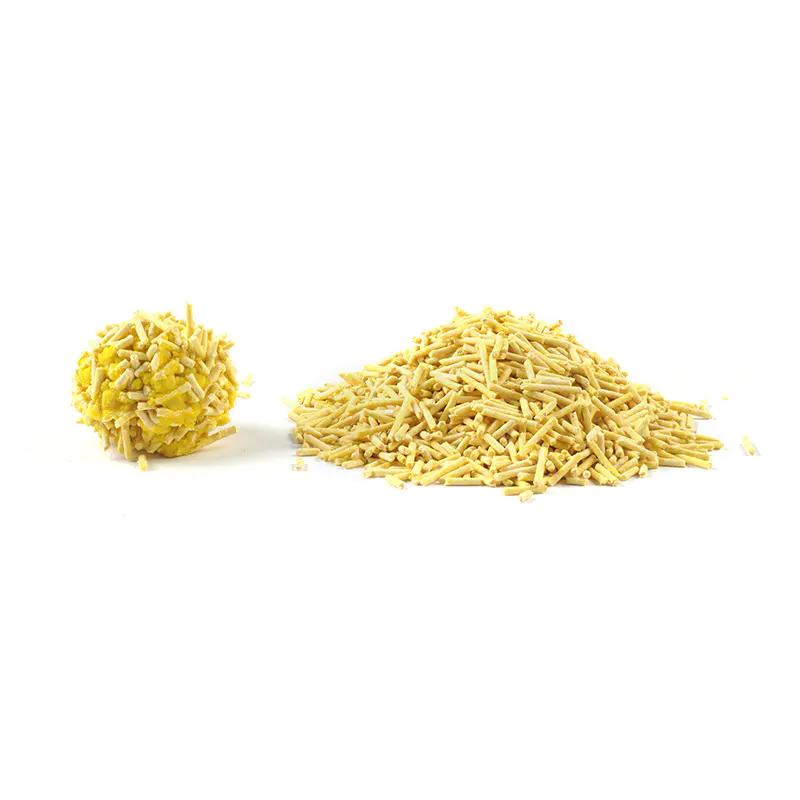
Tofu Cat Litter
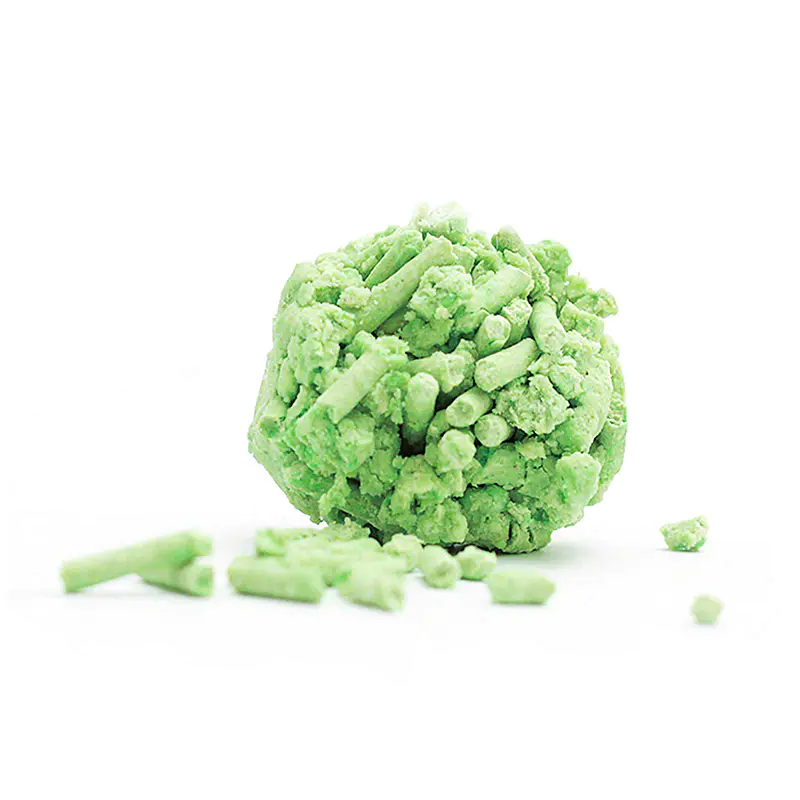
Tofu Cat Litter
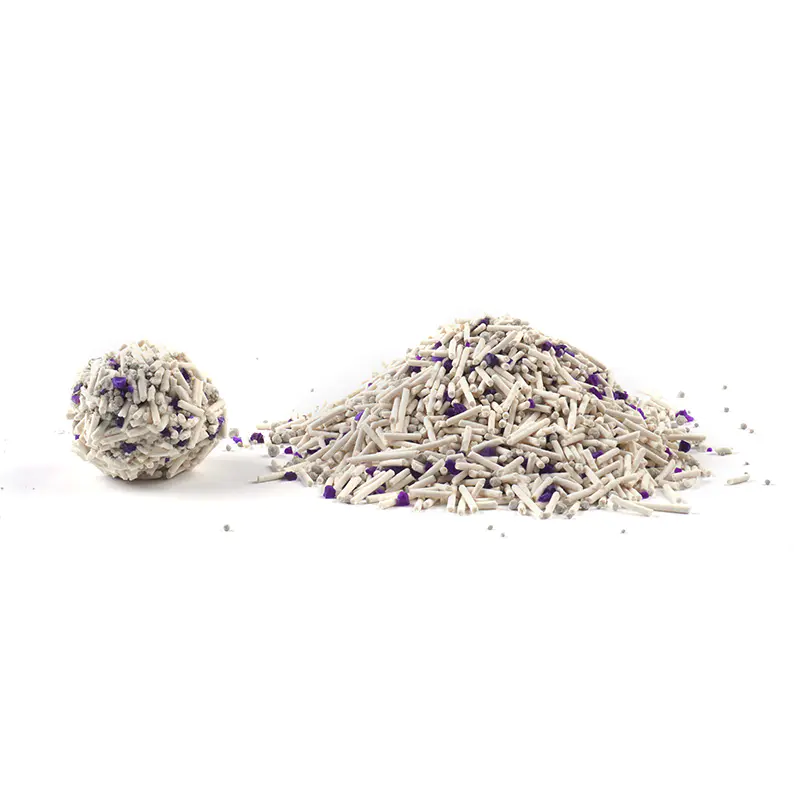
Mixed Cat Litter
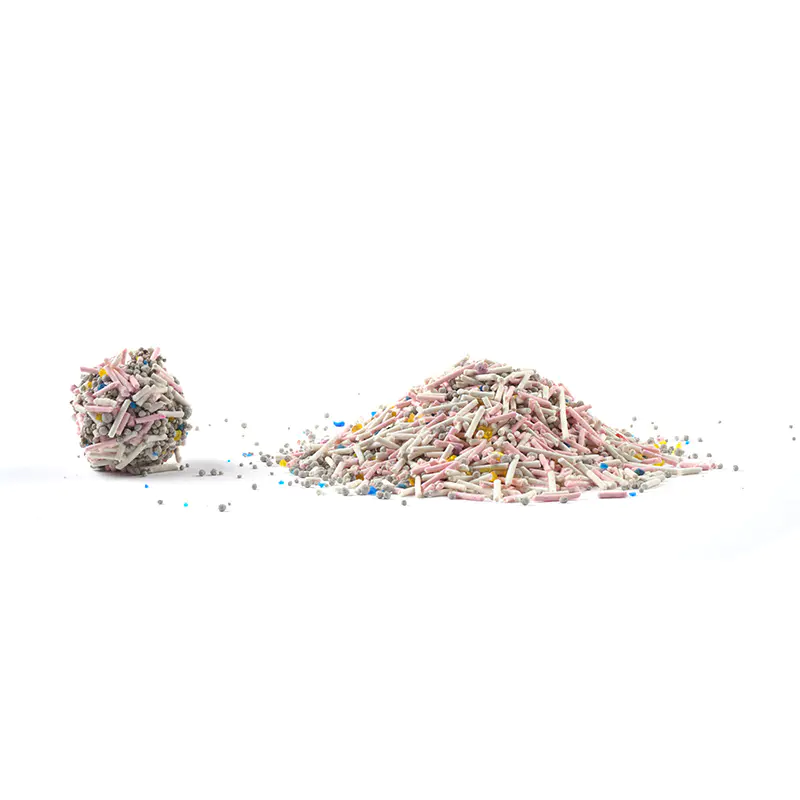
Mixed Cat Litter
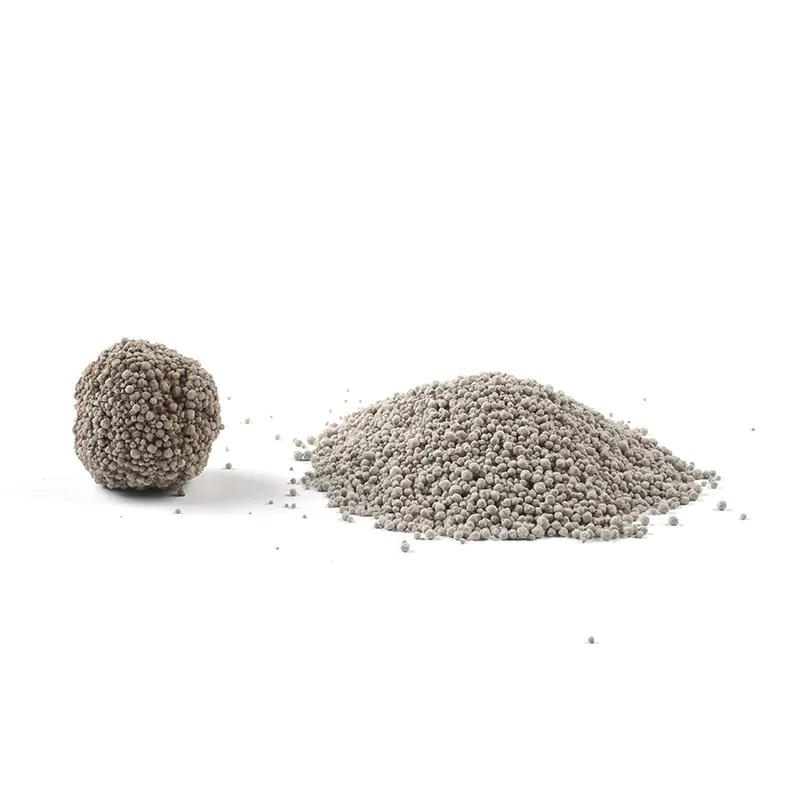
Bentonite Cat Litter


Got Questions? Call us 24/7

+8615263229311
No.88, Quandu Road, Xigang Town, Tengzhou City, Shandong, China. (Sincere Industrial Park)
OEM Cat Litter Manufacturers Bulk Cat Litter Wholesale Biodegradable Cat Litter Company



 English
 русский
 Español
 日本語
日本語 한국어
한국어


