
Industry News
Content
Cassava cat litter is made from the starch-rich root of the cassava plant (Manihot esculenta), a tropical crop widely grown across Africa, Asia, and South America. Unlike clay-based litters that are strip-mined from the earth, or silica gels derived from sand, cassava is a fast-growing, annually renewable crop. The litter is typically formed by processing dried cassava starch into granules or pellets that absorb moisture and bind on contact.
The result is a product that clumps firmly within seconds, produces minimal airborne dust, and carries no synthetic fragrances or added chemicals — making it a genuinely natural alternative to conventional options. Its neutral beige color also makes it easy to spot health indicators such as blood in urine, which standard colored litters may obscure.
Pet owners switching to cassava litter consistently report improvements across the three metrics that matter most: odor control, ease of scooping, and household cleanliness.
| Feature | Cassava Litter | Clumping Clay | Silica Gel |
|---|---|---|---|
| Clumping Speed | Very fast (5–10 sec) | Moderate | Does not clump |
| Dust Level | Very low | High | Low |
| Biodegradable | Yes | No | No |
| Flushable | Yes (small amounts) | No | No |
| Safe if Ingested | Generally yes | Risk of blockage | Potentially harmful |
One particularly underappreciated advantage is ingestion safety. Cats groom their paws after using the litter box, meaning trace litter is regularly consumed. Cassava starch is a food-grade ingredient, so minor ingestion carries no known toxicity risk — a meaningful reassurance for households with kittens who tend to mouth everything.
Many conventional litters suppress odor through synthetic perfumes, which can irritate cats' sensitive nasal passages and deter them from using the box consistently. Cassava litter takes a different approach. The starch matrix traps ammonia molecules — the primary source of urine odor — through physical absorption rather than chemical masking.
Some manufacturers enhance this with activated charcoal or green tea extract blended into the cassava base. These additives target hydrogen sulfide and indole, the compounds responsible for fecal odor, without introducing any fragrance perceptible to cats. Independent tests conducted by pet product reviewers have found that cassava-based litters outperform scented clay litters in sustained 24-hour odor control, particularly in enclosed spaces like apartment bathrooms.
The global cat litter market generates an estimated 8 billion pounds of used clay litter annually in the United States alone, the vast majority of which ends up in landfill. Clay and silica litters are not biodegradable — once buried, they persist indefinitely. Cassava litter presents a credible alternative on both the production and disposal ends.
On the supply side, cassava cultivation does not require peat bog destruction or open-pit mining. The crop grows in marginal soils, requires relatively low water input, and sequesters carbon during its growth cycle. On the disposal side, used cassava litter can be:
It is worth noting that flushing cat waste carries a Toxoplasma gondii risk in coastal areas, where marine mammals can be exposed through wastewater. Many local authorities advise against flushing even biodegradable litter — always check regional guidelines before doing so.
Not all cassava litters are formulated identically. Key variables to evaluate when selecting a product include:
Finer granules mimic the texture of sand, which most cats prefer instinctively. However, fine granules track more easily onto floors. Coarser pellets track less but may be rejected by cats accustomed to soft substrates. If you are transitioning from a fine clay litter, choose a cassava product with a comparable granule size to ease the switch.
Clump integrity directly affects how much litter is wasted per scoop. A clump that crumbles during removal means more litter displaced back into the box, higher consumption rates, and increased odor. Look for products that describe their clumps as "hard" or "firm" and check user reviews specifically for clump durability after the full 24-hour window, not just immediately after use.
High-quality cassava litters absorb up to 200% of their own weight in liquid. For multi-cat households or cats that produce high urine volumes (common in older cats or those on wet food diets), this capacity is critical. A litter that saturates quickly will degrade odor control rapidly and require more frequent full box changes.
Cats are creatures of habit, and an abrupt litter change can trigger avoidance behavior — including eliminating outside the box. A gradual transition over 7–14 days is strongly recommended:
During the transition, maintain the box in the same location and keep scooping on the usual schedule. If your cat shows hesitation at any stage, slow the ratio shift rather than reversing it entirely. Most cats accept cassava litter readily — its natural, unscented character is closer to what cats would choose in the wild than heavily fragranced alternatives.
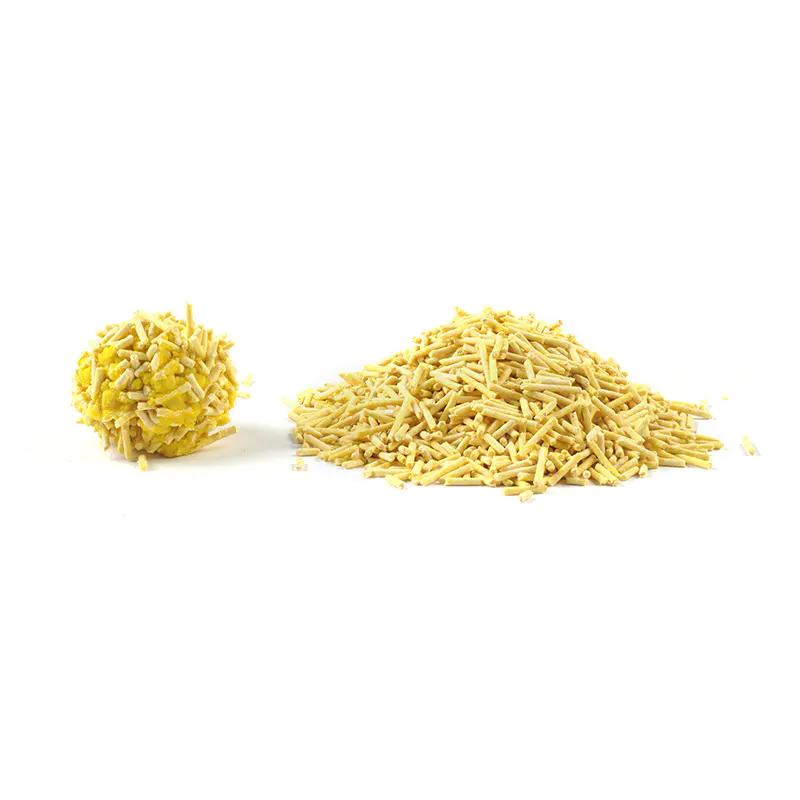
Tofu Cat Litter
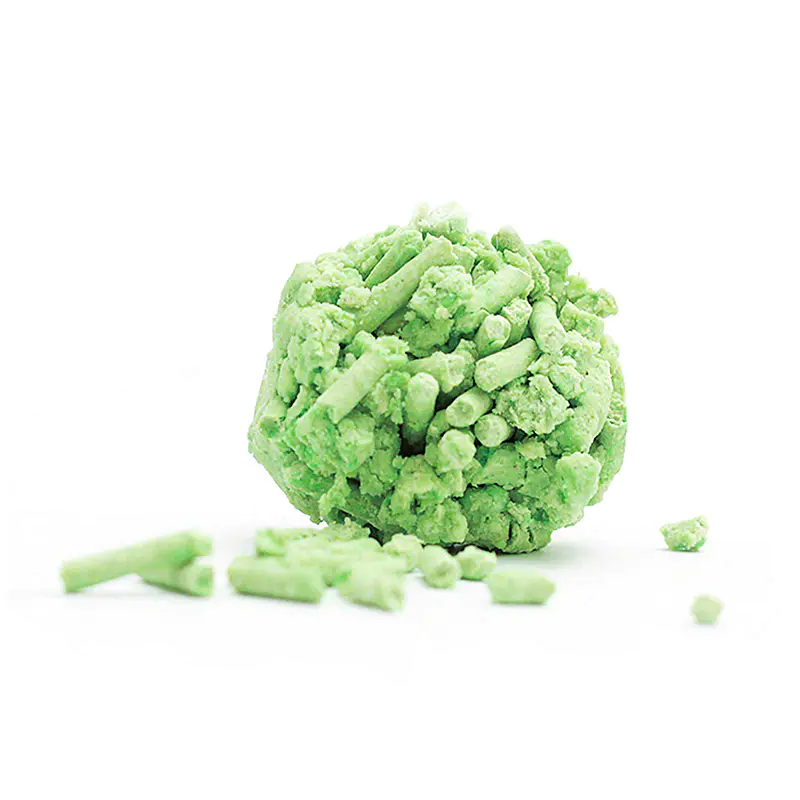
Tofu Cat Litter
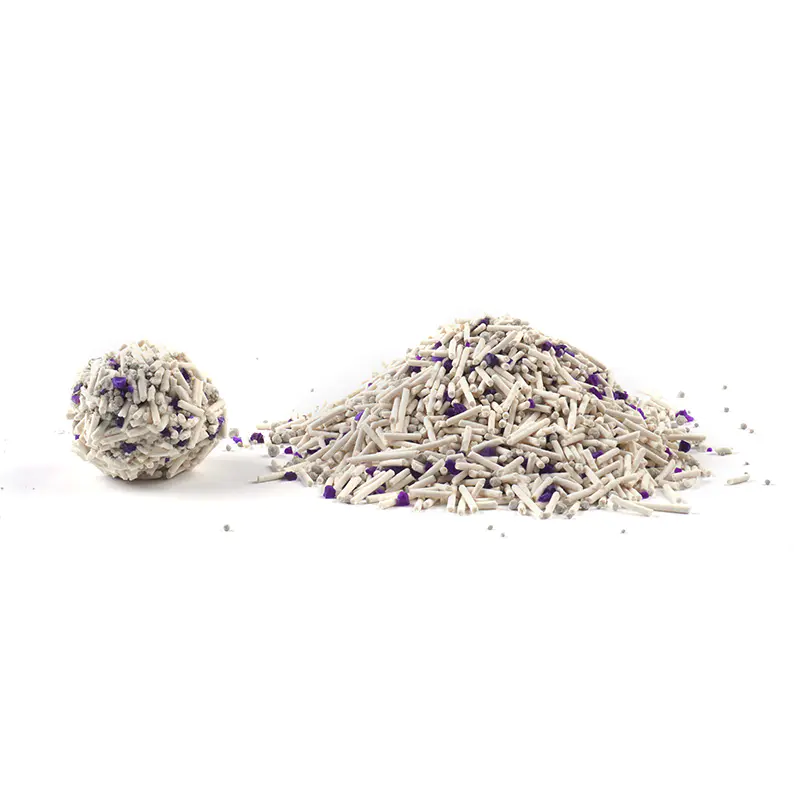
Mixed Cat Litter
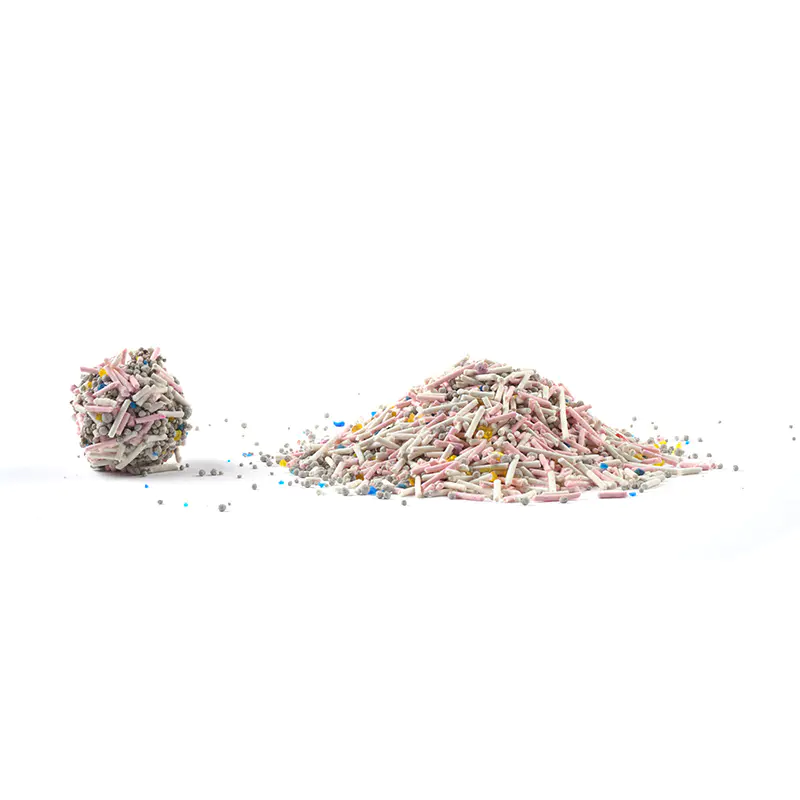
Mixed Cat Litter
Bentonite Cat Litter


Got Questions? Call us 24/7

+8615263229311
No.88, Quandu Road, Xigang Town, Tengzhou City, Shandong, China. (Sincere Industrial Park)
OEM Cat Litter Manufacturers Bulk Cat Litter Wholesale Biodegradable Cat Litter Company



 English
 русский
 Español
 日本語
日本語 한국어
한국어


