
Industry News
Content
Crystal cat litter has become a staple in millions of households worldwide — and for good reason. While the sustainability conversation around cat litter often focuses on plant-based alternatives, crystal cat litter offers a set of genuine eco-friendly advantages that are frequently overlooked. When evaluated on actual waste reduction, packaging consumption, and resource efficiency, crystal cat litter stands out as a surprisingly responsible choice for environmentally conscious pet owners.
Crystal cat litter is made from silica gel — a porous, granular material composed of silicon dioxide, oxygen, and water. Each tiny bead is filled with microscopic pores that rapidly absorb liquid and trap odor molecules, allowing moisture to evaporate from the surface over time. This is the same material found in those small desiccant packets used to protect electronics, vitamins, and camera equipment from humidity.
Unlike bentonite clay litter, which clumps when wet and must be scooped frequently, crystal litter works through absorption and evaporation. You scoop solid waste daily, stir the crystals to distribute moisture evenly, and replace the entire tray approximately once a month for a single cat. This fundamental difference in how the product performs is at the heart of its environmental case.
One of the most significant eco-friendly benefits of crystal cat litter is its exceptional longevity. A single tray of crystal litter can last 30 to 40 days for one cat — whereas traditional clay litter typically requires complete replacement every 1 to 2 weeks, and sometimes sooner.
What does this mean in practice? Over the course of a year, a cat owner using clay litter may discard 20 to 30 full trays of used litter. The same owner using crystal litter might dispose of as few as 10 to 12. That is a reduction of roughly 50% in total litter volume sent to the landfill — simply by switching litter type. For multi-cat households, this gap becomes even more meaningful.
The key driver here is silica gel's extraordinary absorption capacity. Each crystal can absorb up to 40 times its own weight in liquid. This means a small volume of crystal litter can manage a far greater amount of waste than an equivalent weight of clay, resulting in less material consumed overall.
The environmental footprint of a product does not end with the product itself — packaging plays a major role. Because crystal cat litter lasts significantly longer per use cycle, cat owners purchase it far less frequently than conventional alternatives. Fewer purchases mean fewer bags, fewer boxes, and less plastic or cardboard ending up in waste streams.
Consider this: a cat owner using clay litter may go through 24 or more bags per year. A crystal litter user might purchase only 10 to 12. That translates to roughly half the packaging waste annually, without any change in behavior beyond the litter choice itself.
Additionally, crystal litter is exceptionally lightweight relative to its performance. A small 4–5 lb bag of silica gel crystals can outperform a 20 lb bag of clay litter in terms of actual use duration. This lightweight profile also has downstream benefits for logistics: lighter shipments require less fuel to transport, which contributes to a lower carbon footprint per unit of effective use.
Traditional clay cat litter — particularly bentonite-based varieties — is notorious for producing fine dust particles when poured or disturbed. These particles can linger in the air and settle on surfaces throughout the home. Beyond the health concerns they raise for cats and their owners, airborne dust particles contribute to indoor air pollution and require more frequent cleaning of surrounding areas.
Crystal cat litter is virtually dust-free by comparison. Many crystal litter formulas are rated 99% dust-free, significantly reducing particulate matter in the home environment. This benefit extends beyond personal health: less airborne dust means less need for household cleaning products, air purifiers, and filter replacements — all of which have their own manufacturing and disposal footprints.
For households where respiratory sensitivity is a concern — either for pets or their owners — this attribute makes crystal litter not just a health-conscious choice, but an environmentally thoughtful one as well.
Crystal cat litter offers two additional sustainability benefits that often go unnoticed: its low weight and minimal tracking behavior.
Because silica gel is a porous, lightweight material, a bag of crystal litter weighs considerably less than an equivalent-performing volume of clay. This has real implications for carbon emissions in the supply chain. Lighter products require less energy to ship at every stage — from the manufacturer to the distributor, from the retailer to the home. At scale, across millions of households globally, this weight advantage contributes meaningfully to reduced transportation-related emissions.
Low tracking is the second dimension. Many heavier, granular clay litters are notorious for sticking to cats' paws and being scattered across floors, rugs, and furniture. Crystal litter, particularly formulations with larger bead sizes, tends to stay in the litter box. Less tracked litter means less wasted product, less cleanup, and reduced reliance on vacuum cleaners or cleaning chemicals — all of which carry their own environmental costs.
| Factor | Crystal Cat Litter | Clay (Bentonite) Litter |
|---|---|---|
| Average replacement cycle | 30–40 days (1 cat) | 7–14 days (1 cat) |
| Annual bags purchased (est.) | ~10–12 bags | ~24–30 bags |
| Dust level | Very low (up to 99% dust-free) | High (can contain respirable silica dust) |
| Product weight per use cycle | Lightweight (4–5 lb lasts ~1 month) | Heavy (20+ lb lasts 1–2 weeks) |
| Litter tracking | Minimal | Significant |
While crystal cat litter is not biodegradable and should not be composted or flushed, responsible disposal is straightforward and manageable. Used silica gel litter should be sealed in a bag before placing it in general household waste to prevent residual dust or odor during collection.
Some municipalities accept silica-based materials in specific waste streams — it is worth checking local guidelines. Cat waste itself should always be disposed of separately, as feline fecal matter can contain pathogens that are harmful to water systems if improperly discarded.
The key environmental trade-off with crystal litter is that, unlike plant-based alternatives such as tofu or wood litters, it does not break down in a landfill. However, its dramatically reduced volume of waste per year means the total landfill contribution is often comparable — and in many cases lower — than that of clay litters used over the same period.
Crystal cat litter may not be the most biodegradable option on the market, but its sustainability case is stronger than it is often given credit for. Its long lifespan reduces total waste volume, its lightweight design cuts packaging and shipping impact, its near-zero dust levels improve indoor air quality, and its low tracking reduces cleaning-related resource consumption. Together, these factors make it a genuinely competitive choice for pet owners seeking to reduce their environmental footprint.
For households looking to balance effective odor control and hygiene with a reduced ecological impact, crystal litter offers a compelling middle ground. If you are also exploring plant-based alternatives, our tofu cat litter and mixed cat litter options combine biodegradable materials with strong performance — giving you flexibility to choose the solution that best fits your values and your cat's preferences.
The most sustainable litter is ultimately the one that gets used correctly and consistently. Crystal cat litter, when properly maintained and responsibly disposed of, represents a practical, lower-waste approach to everyday cat care.
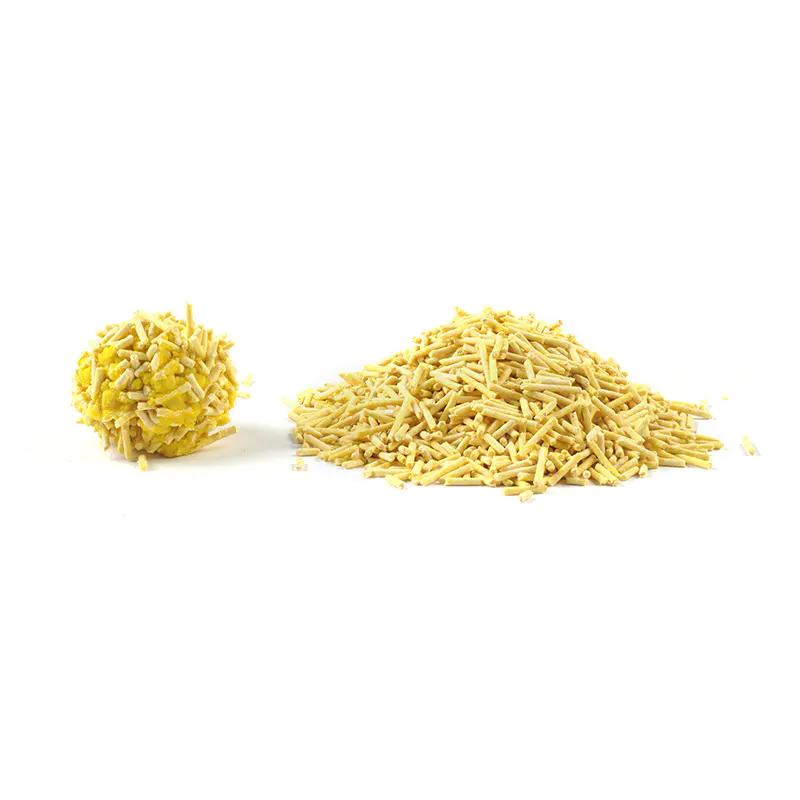
Tofu Cat Litter
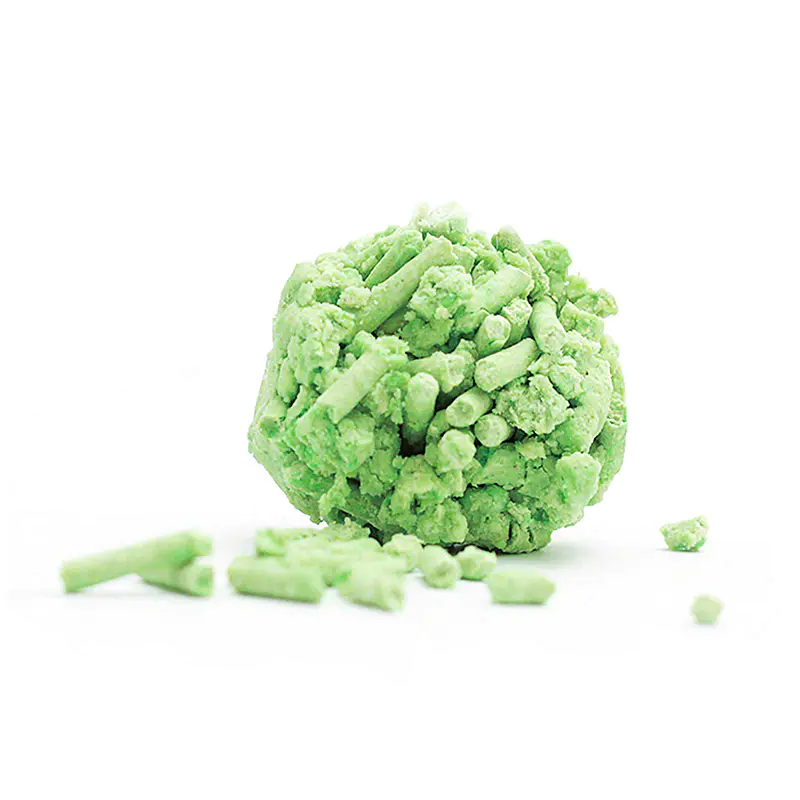
Tofu Cat Litter
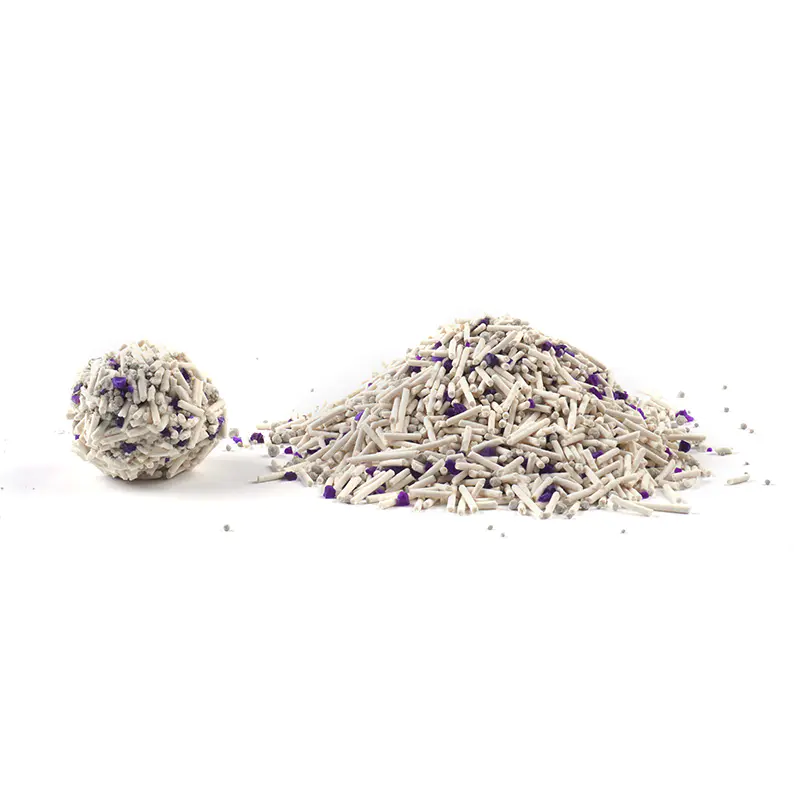
Mixed Cat Litter
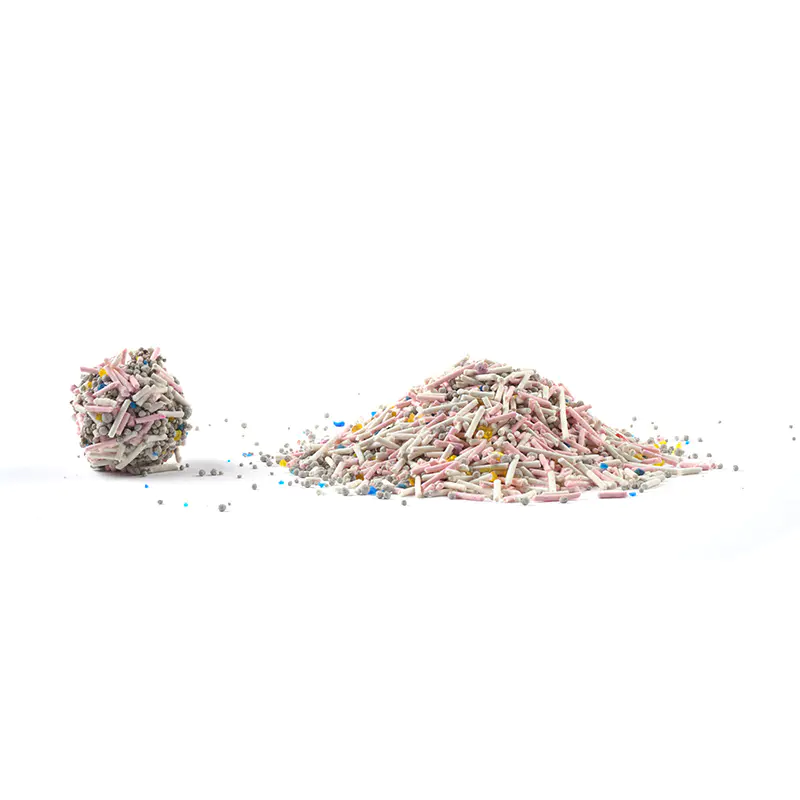
Mixed Cat Litter
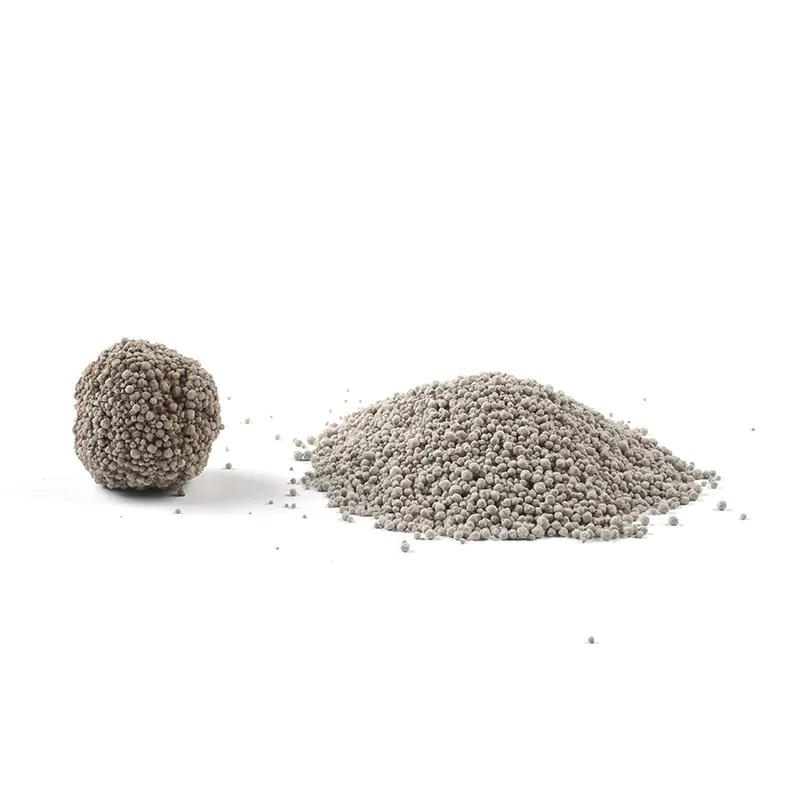
Bentonite Cat Litter


Got Questions? Call us 24/7

+8615263229311
No.88, Quandu Road, Xigang Town, Tengzhou City, Shandong, China. (Sincere Industrial Park)
OEM Cat Litter Manufacturers Bulk Cat Litter Wholesale Biodegradable Cat Litter Company



 English
 русский
 Español
 日本語
日本語 한국어
한국어


