
Industry News
Content
Most cat owners change their litter every few days. With silica gel cat litter, that becomes a once-a-month task. That single fact explains why crystal cat litter has grown from a niche product into a mainstream choice across North America, Europe, Japan, and beyond. But there's more to the story — including a safety question that trips up a lot of buyers.
Crystal cat litter is made from amorphous silica gel — the same highly porous material found in those small "Do Not Eat" desiccant packets. The key word is amorphous. Unlike crystalline silica (found in some clay litters and linked to respiratory problems), amorphous silica gel is chemically inert and non-toxic to cats and humans alike.
Each silica gel granule is riddled with microscopic pores. When your cat urinates in the box, liquid is drawn into this internal network almost instantly — within about one second — and locked in. The water then slowly evaporates, while odor-causing compounds remain trapped inside the crystal. The result is odor control that actually works at the source rather than masking it with fragrance.
Silica cat litter is a non-clumping litter. Solid waste sits on top and should be scooped daily. The crystals themselves only need full replacement roughly every 3 to 4 weeks for a single-cat household — sometimes longer with low-moisture diets.
The benefits aren't just about convenience. Here's what actually matters:
For multi-cat homes or owners who travel frequently, blended litter formulas that combine silica crystals with natural materials can offer a balance of absorption power and clumping convenience.
This is the question that comes up most, and the answer requires a bit of precision. Amorphous silica gel is safe. It has been assessed as non-toxic for cats and humans under normal use conditions. If a cat accidentally ingests a small amount, it passes through the digestive system without being absorbed.
Two situations warrant closer attention. First, kittens under four months old may nibble at litter out of curiosity. While silica gel itself isn't toxic, a large ingested quantity could cause digestive upset or, rarely, a blockage. Supervise young kittens around crystal litter until they understand what it's for. Second, cats with an established habit of eating litter should be evaluated by a vet before switching to any non-clumping litter type.
The confusion between "crystalline silica" (a known carcinogen when inhaled as fine dust) and "silica gel" (amorphous, processed, safe) trips up many buyers. They are chemically different. Good-quality silica cat litter does not contain crystalline silica — and if you're purchasing from a manufacturer with safety certifications, this is verified in production.
Using silica gel litter correctly makes a significant difference in how long it lasts and how well it controls odor. Follow these steps:
For a more detailed walkthrough, see the complete guide on using crystal cat litter step by step.
Not all silica gel litters are identical. Three variables make a real difference in day-to-day use:
Granule size. Larger granules track less and feel firmer underfoot; finer, sand-like granules are softer on paws but tend to stick to fur more easily. Cats with sensitive paws — especially post-surgery or senior cats — generally do better with finer-grain formulations.
Scented vs. unscented. Most cats prefer unscented litter. Added fragrances are there for the owner, not the cat, and some cats will avoid a scented box entirely. If odor is a concern, the absorption mechanism itself handles it — fragrance is largely unnecessary with a quality product.
Antibacterial additives. Some crystal litters include formulations designed to actively inhibit bacterial growth beyond what silica gel achieves on its own. This can extend freshness in warmer climates or multi-cat households.
If you're exploring the full range of silica gel cat litter options — including eco-friendly, antibacterial, and OEM formats — granule size and intended use case should drive the decision more than price alone.
Crystal cat litter has a genuine weakness: it is not biodegradable. Silica is a mined mineral that cannot be composted or flushed, and it breaks down very slowly in landfill. For owners who prioritize environmental footprint above all else, plant-based litters made from tofu, cassava, or wood fiber are worth considering. For everyone else — particularly households managing allergies, respiratory conditions, or simply wanting a lower-maintenance routine — silica gel cat litter remains one of the most practical options available.
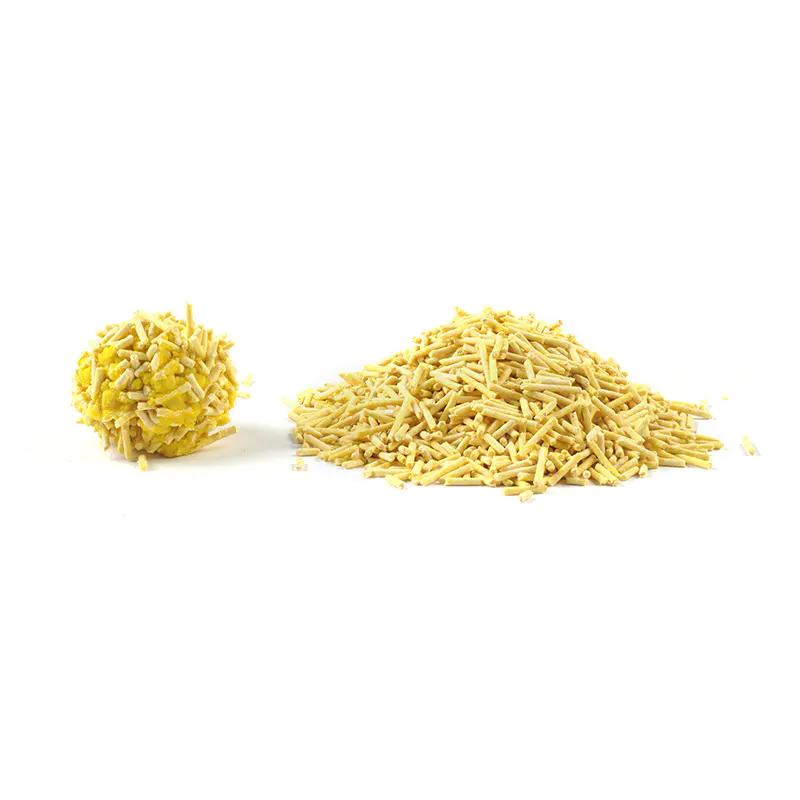
Tofu Cat Litter
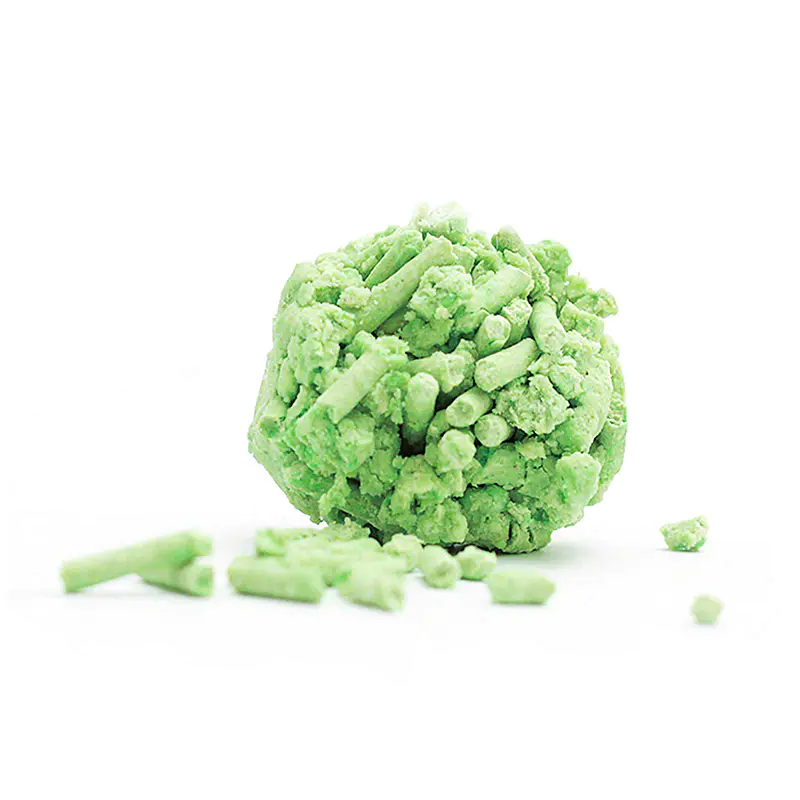
Tofu Cat Litter
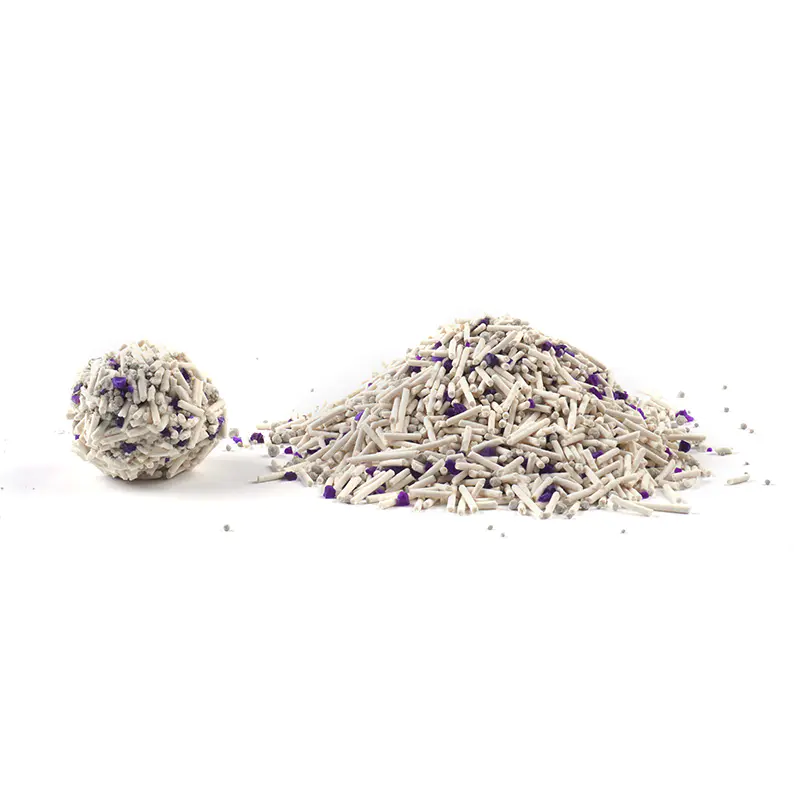
Mixed Cat Litter
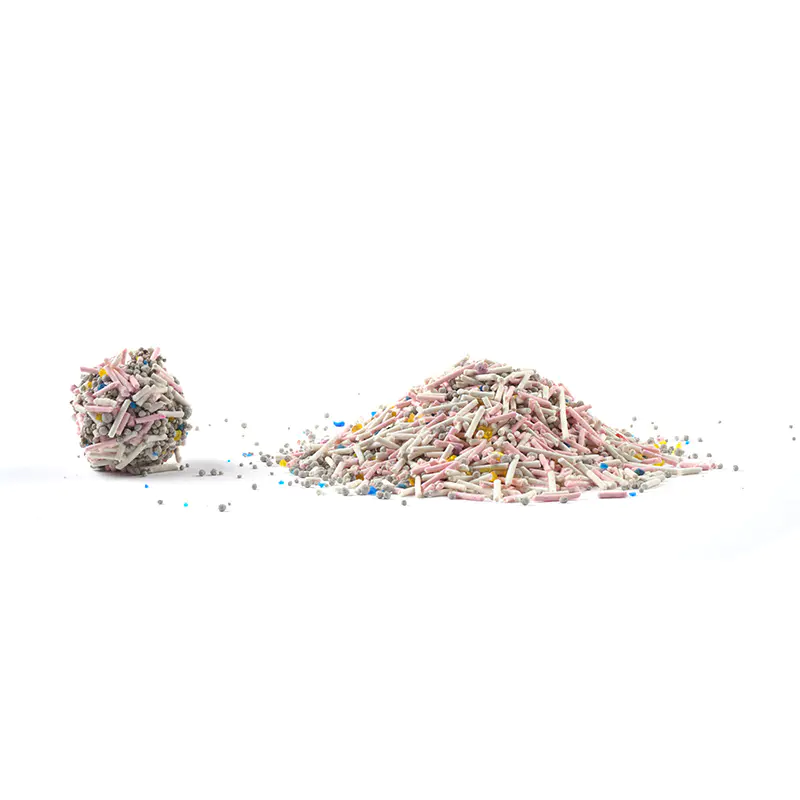
Mixed Cat Litter
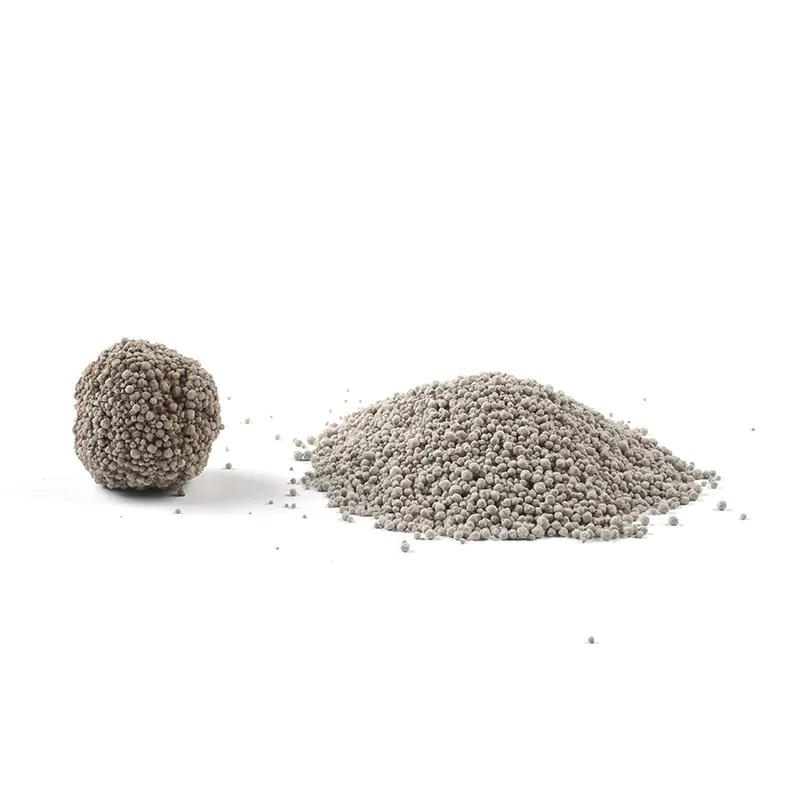
Bentonite Cat Litter


Got Questions? Call us 24/7

+8615263229311
No.88, Quandu Road, Xigang Town, Tengzhou City, Shandong, China. (Sincere Industrial Park)
OEM Cat Litter Manufacturers Bulk Cat Litter Wholesale Biodegradable Cat Litter Company



 English
 русский
 Español
 日本語
日本語 한국어
한국어


