Industry News
Content
In 2026, one in eight natural cat litter buyers now chooses cassava—a penetration rate that has doubled in just two years. This growth isn’t a passing fad. It’s a direct result of performance characteristics that clay, silica, and even many plant-based alternatives simply can’t match. For cat owners tired of dust clouds, poor clumping, and litter that clings to paws, cassava has quietly become the functional upgrade they didn’t know they needed.
Cats are notoriously sensitive to their litter substrate. A texture that feels wrong underfoot can trigger box avoidance, while weak odor control strains the human-animal bond. Cassava solves both ends of the problem with a material science approach that starts with a single ingredient: pure cassava root starch. The rest is engineering.
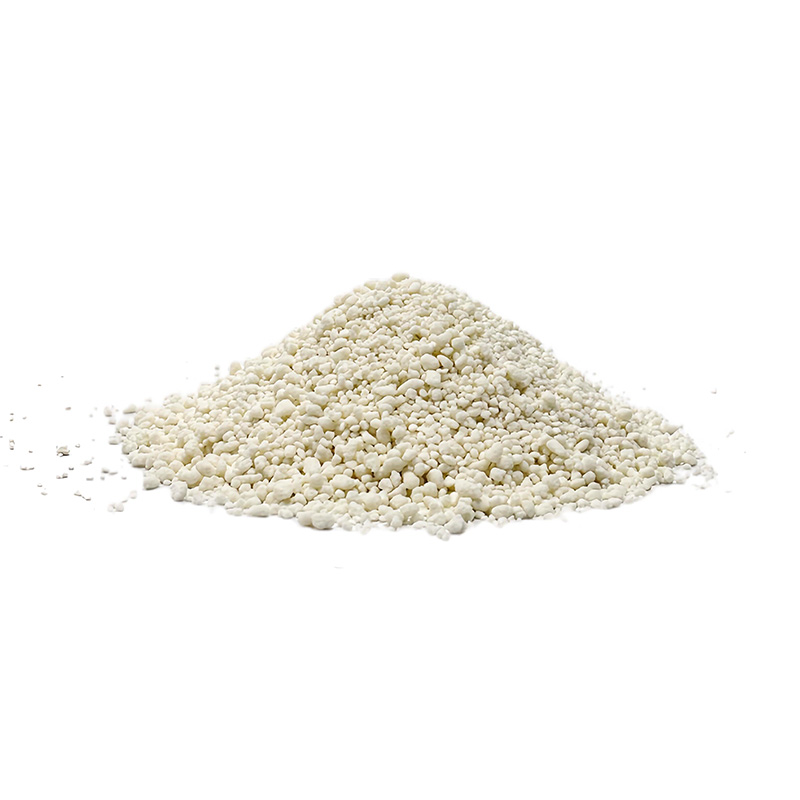
Cassava cat litter is made from the dried, ground starch of the cassava tuber—the same plant that gives us tapioca. This starch is shaped into small, lightweight granules that become highly absorbent when wet. Unlike clay litters that rely on strip-mined sodium bentonite, cassava granules are biodegradable, annually renewable, and free of crystalline silica dust. They contain no synthetic binders, chemical fragrances, or artificial clumping agents. The only thing holding them together is the natural gelling property of starch itself.
Explore our cassava cat litter collection to see how different formulations tailor granule size and scent profiles to specific cat preferences. The core technology, however, stays consistent: instant moisture absorption followed by rapid gel formation that forms a solid, scoopable mass.
When liquid hits a cassava granule, the starch swells and creates a tight gel lattice within seconds. This lattice encapsulates the moisture and any dissolved urine solids, locking them into a firm clump. There’s no crumbling at the edges, no wet spots that smear against the box. In timed tests against premium clumping clay, top-tier cassava litters form cohesive clumps in under 10 seconds—often faster than the cat can cover its business.
Because clumps are dense and self-contained, you remove only the soiled portion. The surrounding litter stays clean and usable. This efficiency translates directly into cost savings over time. A typical 10-pound bag can last a single-cat household up to five weeks, whereas an equivalent volume of clay litter may need a full change-out in three. Less waste, fewer refills, and less scrubbing of the box itself.
Most conventional litters rely on a double layer of strategy: absorb the liquid, then blanket the smell with heavy perfumes. Cassava works differently. The starch matrix physically traps ammonia molecules inside the gel clump, preventing them from off-gassing into the room. Ammonia encapsulation begins within seconds of contact, which is critical in multi-cat homes where odor can escalate quickly.
Even without added fragrances, many users report that a cassava box smells neutral or faintly of fresh starch. For cats with respiratory sensitivity, this lack of synthetic scent is a major advantage. If you do prefer a light scent, options exist—such as green tea or lavender blends—but the base material does the heavy lifting on its own.
Cassava litter dissolves when saturated, breaking apart into fine, biodegradable particles. In municipal sewer systems with adequate water volume, it can be flushed in small scoops without risk of clogging. That said, three rules apply: never flush large clumps at once, check local regulations regarding cat waste disposal, and avoid flushing if you’re on a septic system unless the manufacturer explicitly certifies septic compatibility. Pinkstar Cassava Cat Litter, for example, includes clear flushability guidelines right on the packaging.
Clay litter is mined, used once, and then entombed in plastic bags for centuries in a landfill. Cassava litter, when not flushed, will decompose in a compost environment (where local rules permit). Because it’s plant-based, the material returns to soil as organic matter. The packaging is often recyclable or compostable as well, closing the loop on a product that leaves almost no permanent trace.
Dust from silica-based crystal litters and clay litters is a known respiratory irritant for both cats and humans. Cassava granules are manufactured through a steam-extrusion process that eliminates nearly all fine particles. Independent lab tests typically show over 99% dust-free ratings, which means you can pour a fresh bag without a visible cloud—and your cat won’t inhale microparticles every time it digs.
The lightweight nature adds another practical benefit. A bag of cassava litter weighs roughly half what the same volume of clay litter weighs. That makes it easier to carry, pour, and store, especially for owners in apartments or those with limited mobility.
Cats are creatures of habit. A sudden change in litter texture can lead to protest peeing if not handled carefully. Use this gradual method to introduce cassava without stress:
If your cat seems reluctant at any stage, pause at that ratio for an extra two days before increasing cassava percentage. The lightweight texture can feel unusual to paws accustomed to gritty clay, but most cats adapt within three to five days.
| Feature | Cassava | Clumping Clay | Crystal (Silica) | Tofu |
|---|---|---|---|---|
| Clumping Speed | Instant (3–10 sec) | Fast (10–20 sec) | Does not clump | Fast (10–15 sec) |
| Odor Control | Encapsulates ammonia | Absorbs, needs scent | Absorbs urine, dries solids | Good, some scented |
| Dust Level | 99% dust-free | Moderate to high | Low to moderate | Very low |
| Flushable | Yes (small amounts) | No | No | Yes |
| Biodegradable | Yes | No | No | Yes |
| Weight per volume | Light (~7 lb/gal) | Heavy (~14 lb/gal) | Light (~8 lb/gal) | Medium (~9 lb/gal) |
Cassava’s strongest edge appears in the converging demands for rapid clumping and total biodegradability. Only tofu litter comes close, but cassava often wins on clump hardness and neutral scent profile—attributes that matter most during daily scooping.
No litter works for every cat. The ultra-lightweight granules of cassava can sometimes scatter beyond the mat if your cat is an enthusiastic digger. A high-sided box or top-entry model usually solves this. Cost per bag is also higher than budget clay—though the lower consumption rate narrows the gap significantly. Finally, a very small minority of cats reject the soft, starch-based texture and prefer the gritty feel of sand or fine clay. If that happens, a gradual transition over 10 days almost always resolves the issue.
Cassava cat litter succeeds because it fixes the three biggest pain points in litter box maintenance: inconsistent clumping, residual dust, and environmental guilt. It’s not a niche green product that forces you to compromise on performance. In fact, it outperforms traditional litters on the very metrics that matter most—clump integrity, ammonia lock-down speed, and lack of respiratory irritants. For the 12% of cat owners who’ve already made the switch, there’s no going back. For everyone else, the question is no longer whether cassava works, but why they’ve waited this long to try it.
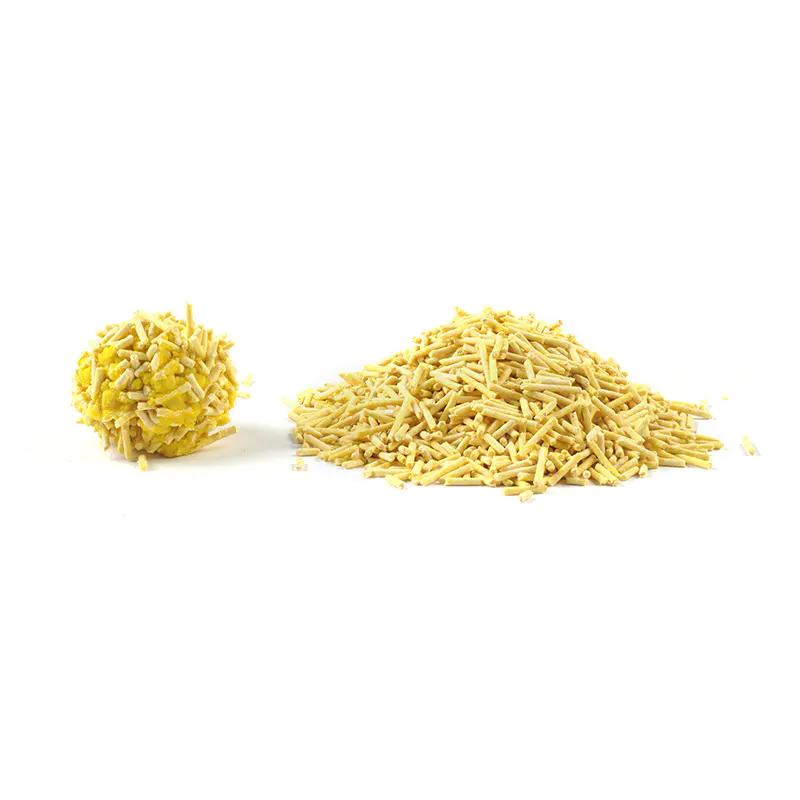
Tofu Cat Litter
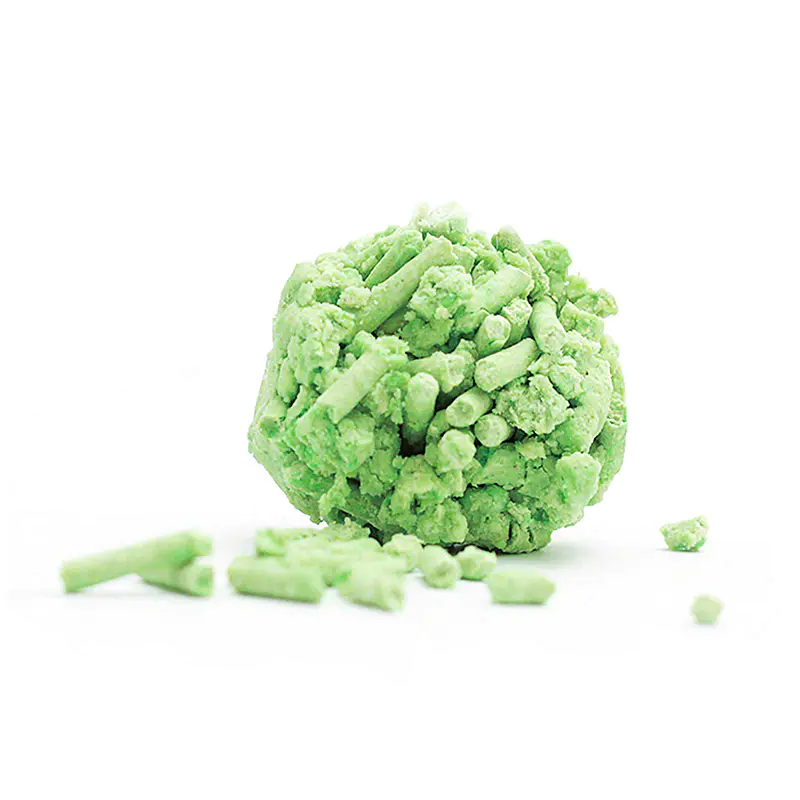
Tofu Cat Litter
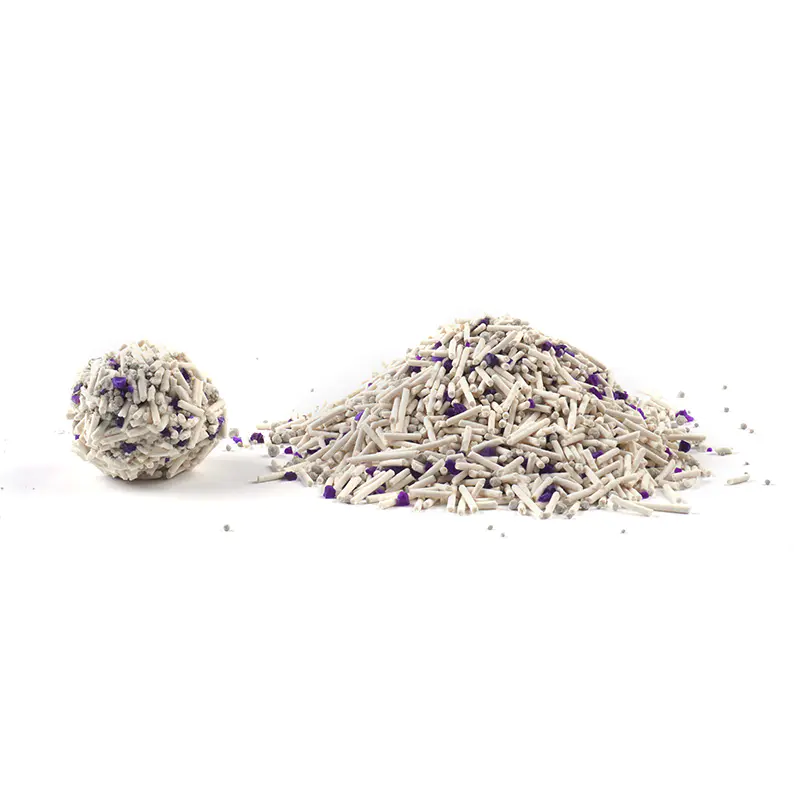
Mixed Cat Litter
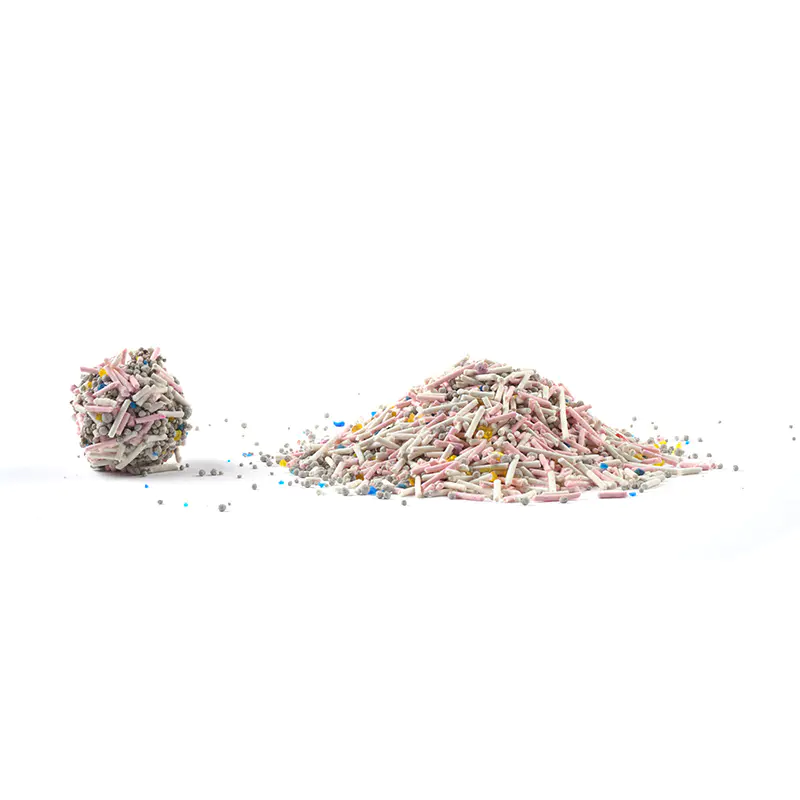
Mixed Cat Litter
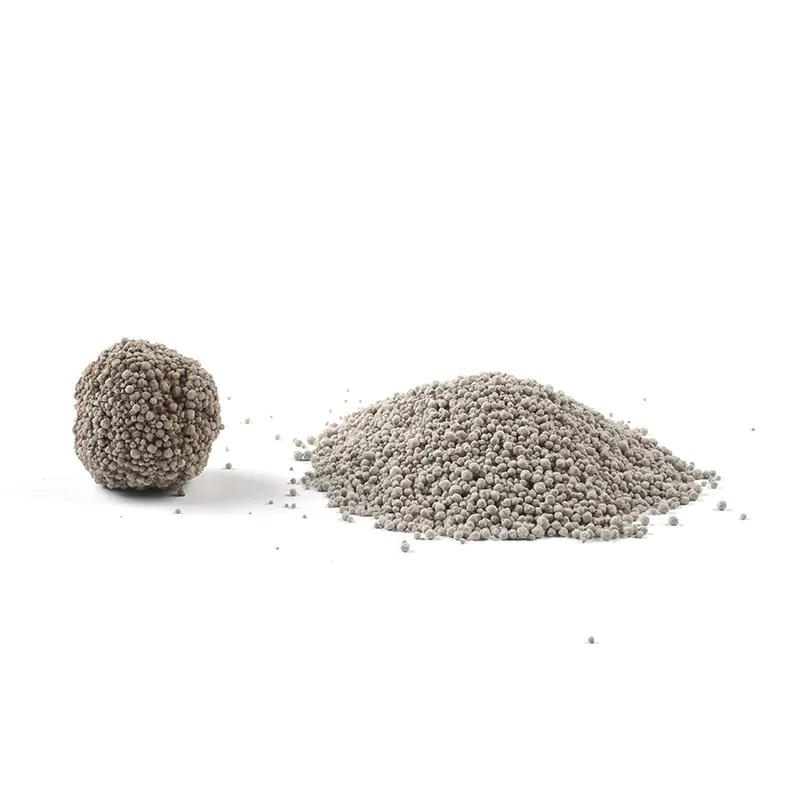
Bentonite Cat Litter


Got Questions? Call us 24/7

+8615263229311
No.88, Quandu Road, Xigang Town, Tengzhou City, Shandong, China. (Sincere Industrial Park)
OEM Cat Litter Manufacturers Bulk Cat Litter Wholesale Biodegradable Cat Litter Company



 English
 русский
 Español
 日本語
日本語 한국어
한국어