
Industry News
Content
Crystal cat litter, made from silica gel beads, offers superior odor control for up to 30 days and requires less frequent changing than traditional clay litter. These non-clumping crystals absorb moisture instantly while trapping odors inside their porous structure, making them ideal for busy cat owners who want a low-maintenance, dust-free solution.
Silica gel crystals function through a sophisticated absorption mechanism that differs fundamentally from traditional clay-based litters. Each crystal contains millions of microscopic pores that trap liquid and odor molecules on contact.
The absorption process occurs in three stages:
Unlike clumping litter, crystal litter doesn't form solid masses. Instead, you simply remove solid waste daily and stir the crystals to distribute moisture evenly, extending the litter's effective life to 3-4 weeks for a single cat.
Crystal litter provides measurably better odor suppression than clay alternatives. Independent testing shows that silica gel absorbs up to 40 times its weight in moisture, while bentonite clay absorbs only 10-15 times its weight.
The dehydration mechanism actively removes the moisture that bacteria need to produce ammonia odors. Users report that homes with crystal litter remain odor-free for 5-7 days longer than homes using clay litter under identical conditions.
Silica crystals produce virtually no dust during pouring or when cats dig, making them ideal for households with asthma or allergies. Clay litter can release fine particulates that become airborne and settle on furniture.
The larger crystal size (typically 2-5mm diameter) also minimizes tracking compared to fine-grain clay. However, some lightweight crystals may still stick to paw pads, though at significantly reduced rates compared to traditional litter.
Daily maintenance involves only scooping solid waste—a task that takes 30-60 seconds. There's no need for daily clump removal or constant litter replacement. Simply stir the crystals once daily to promote even moisture distribution.
Complete litter changes occur monthly for single-cat households, compared to weekly changes with clay litter. This translates to 75% less time spent on litter box maintenance annually.
While crystal litter costs more upfront, the extended lifespan delivers substantial savings over time. A typical cost comparison demonstrates the financial benefits:
| Litter Type | Price per Bag | Lifespan (1 Cat) | Monthly Cost | Annual Cost |
|---|---|---|---|---|
| Crystal (8 lbs) | $18-24 | 30 days | $18-24 | $216-288 |
| Clay Clumping (20 lbs) | $12-16 | 14 days | $24-32 | $288-384 |
| Natural/Wood (20 lbs) | $15-20 | 10 days | $45-60 | $540-720 |
Crystal litter saves $72-96 annually compared to clay and significantly more versus natural alternatives. Multi-cat households see proportionally greater savings, though litter replacement frequency increases to every 2-3 weeks.
Additional cost benefits include reduced trash bag usage (monthly versus weekly disposal) and lower environmental impact from decreased landfill volume.
Pour crystals to a depth of 1.5-2 inches in the litter box. Unlike clay litter, which requires 3-4 inches, crystal litter works effectively at shallower depths due to superior absorption capacity.
For cats transitioning from clay litter, mix 25% crystal litter with 75% current litter for the first week, gradually increasing the crystal proportion over 3-4 weeks. Abrupt changes may cause litter box avoidance in some cats.
Replace all litter when you notice these signs:
Crystal litter uses amorphous silica gel, which is non-toxic and chemically inert. This differs from crystalline silica (found in some clays), which poses respiratory risks. The EPA classifies amorphous silica as safe for consumer use.
If a cat ingests small amounts while grooming, the crystals pass through the digestive system without causing harm. However, consuming large quantities could cause gastrointestinal discomfort. Monitor kittens under 6 months, as they're more likely to eat litter during exploration.
Some cats with sensitive paw pads find the hard crystal texture uncomfortable. Approximately 10-15% of cats reject crystal litter initially due to texture preferences developed with softer clay litter.
Solutions for sensitive cats include:
Silica gel is not biodegradable, but its concentrated performance reduces overall waste volume by 65-70% compared to clay litter. One month of crystal litter produces approximately 8 pounds of waste versus 40-50 pounds of clay litter for equivalent odor control.
Crystal litter cannot be flushed or composted. Disposal requires sealed plastic bags placed in regular trash. Some manufacturers now offer recycling programs where used crystals are processed into construction aggregates.
Leading crystal litter manufacturers differentiate their products through specific performance enhancements:
PetSafe ScoopFree Premium Crystal Litter features color-changing technology and guarantees 99.9% dust-free performance. Each bag contains 4.5 pounds and lasts up to 30 days for one cat. The crystals are specifically sized for automated litter boxes.
Fresh Step Crystals incorporates activated charcoal for enhanced odor absorption, claiming 30% better ammonia control than standard silica gel. The formula resists bacterial growth without added fragrances.
Ultra Pet Better Way Crystal Cat Litter provides basic silica gel performance at $15-18 per 10-pound bag. While it lacks color indicators, users report comparable absorption and 3-week effectiveness for single cats.
Store brands from Walmart, Target, and Petco typically cost 20-30% less than premium options while delivering adequate performance for multi-cat households willing to change litter more frequently.
Crystal litter functions effectively in multi-cat environments with proper adjustments to maintenance schedules and litter depth.
Calculate litter lifespan using this formula: 30 days ÷ number of cats = replacement frequency. Three cats require complete changes every 10 days, while two cats extend use to 15 days.
Increase litter depth to 2.5-3 inches for households with three or more cats. This provides sufficient absorption capacity between changes and prevents premature saturation.
Follow the veterinary recommendation of one box per cat plus one extra. Crystal litter's superior odor control makes this especially important, as cats won't avoid boxes due to smell, but may still prefer separate elimination spaces.
Distribute boxes across different floors and rooms to prevent territorial disputes. Even with crystal litter's extended freshness, multiple cats benefit from having options.
While less prone to tracking than clay, lightweight crystals occasionally stick to paws. Reduce tracking by:
If odor persists with recently changed litter, the issue likely stems from the litter box itself rather than the crystals. Plastic boxes absorb urine over time, creating permanent odor even with fresh litter.
Solution: Replace plastic litter boxes every 12-18 months or switch to stainless steel boxes that resist odor absorption. Clean boxes with enzymatic cleaners monthly to break down absorbed organic compounds.
Approximately 15-20% of cats reject crystal litter during initial introduction. This typically indicates texture aversion rather than safety concerns.
Implement a gradual transition over 3-4 weeks, increasing crystal percentage by 25% weekly. Maintain one box with familiar litter during transition to prevent inappropriate elimination. If rejection continues after one month, respect the cat's preference and return to accepted substrate types.
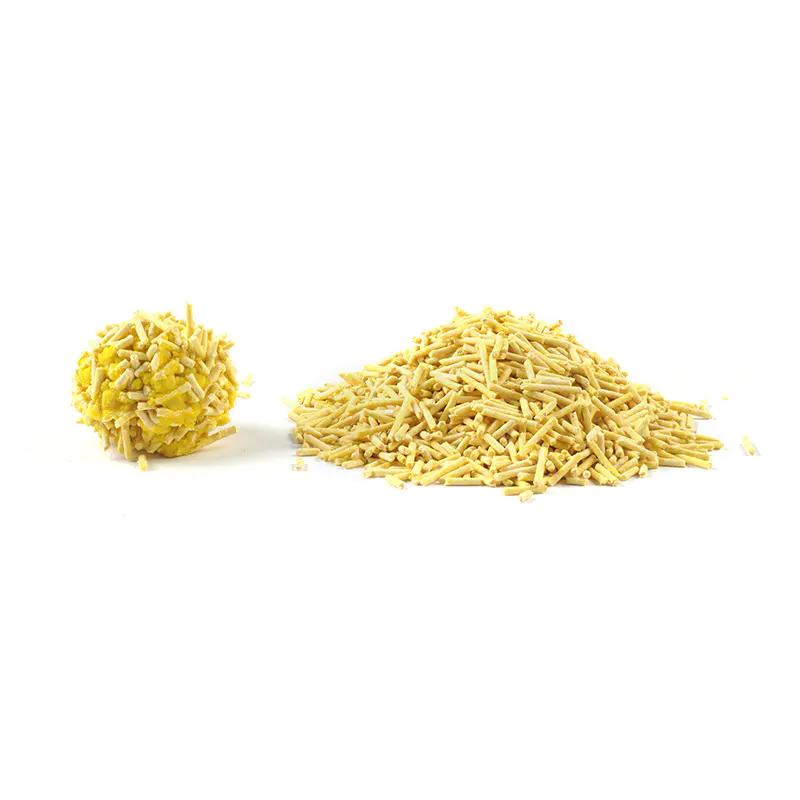
Tofu Cat Litter
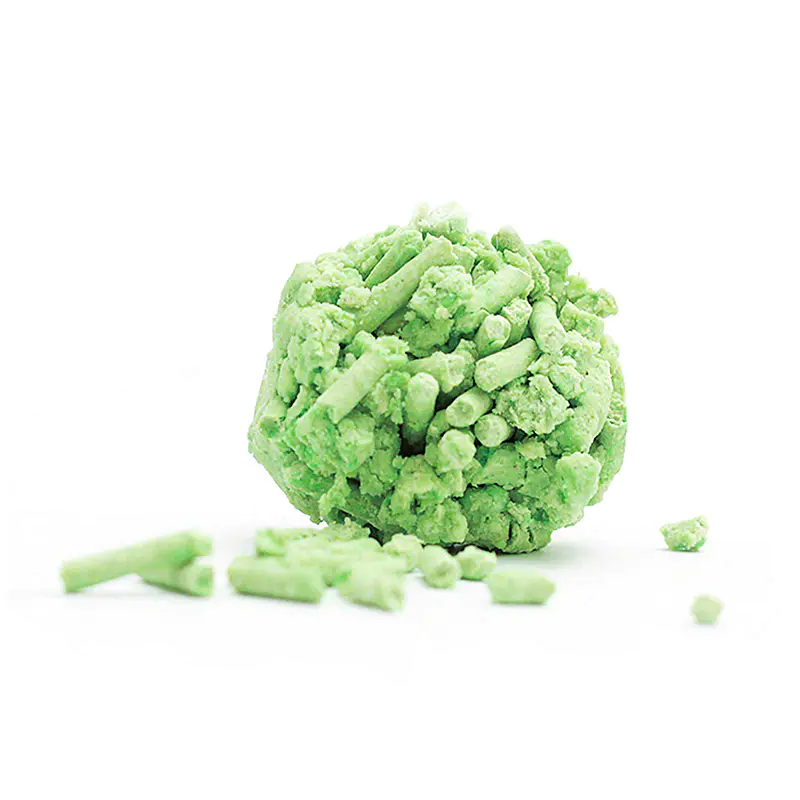
Tofu Cat Litter
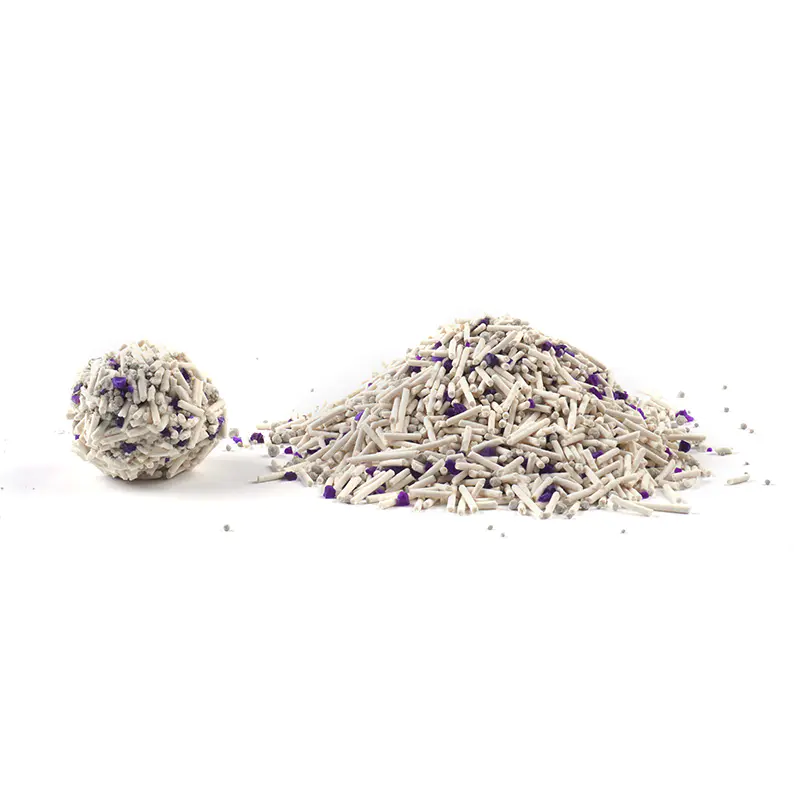
Mixed Cat Litter
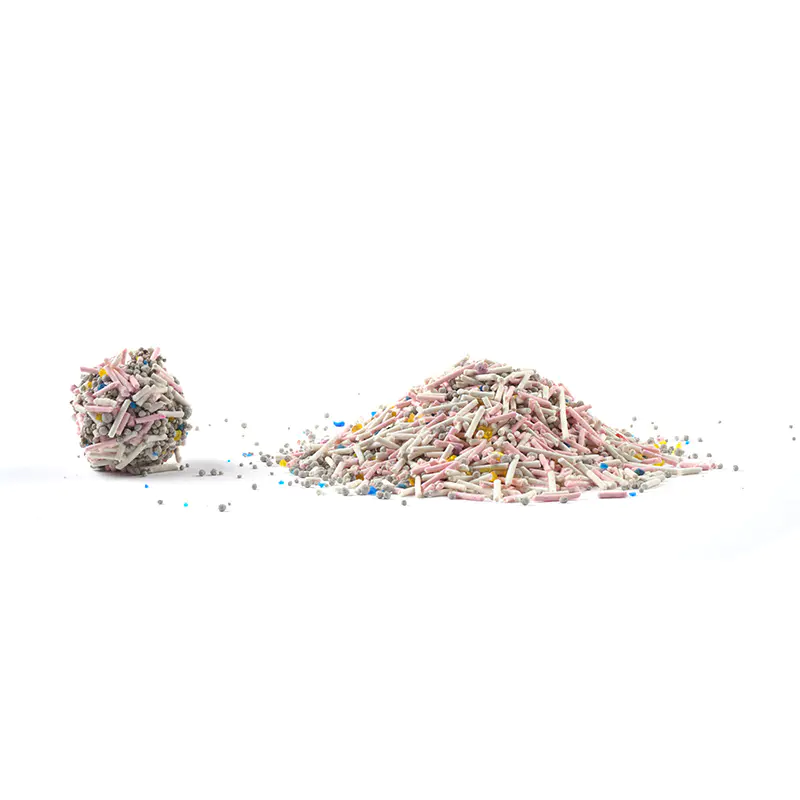
Mixed Cat Litter
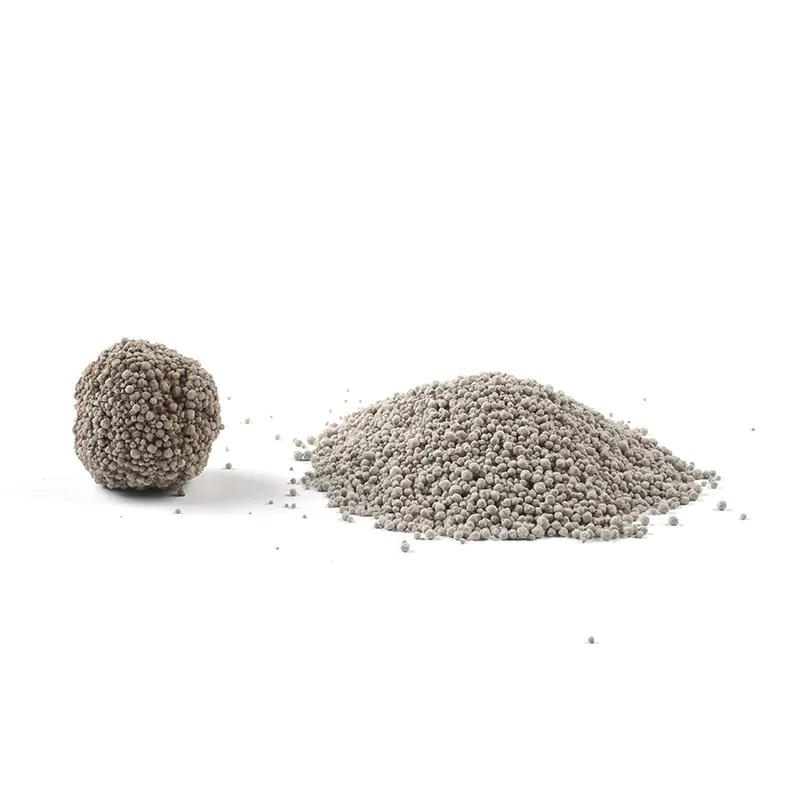
Bentonite Cat Litter


Got Questions? Call us 24/7

+8615263229311
No.88, Quandu Road, Xigang Town, Tengzhou City, Shandong, China. (Sincere Industrial Park)
OEM Cat Litter Manufacturers Bulk Cat Litter Wholesale Biodegradable Cat Litter Company



 English
 русский
 Español
 日本語
日本語 한국어
한국어


