
Industry News
Content
Crystal cat litter works through silica gel beads that absorb liquid on contact and trap odor molecules within their porous structure. These tiny crystals contain millions of microscopic channels that pull moisture away from the surface through capillary action, leaving the top layer dry while storing urine internally. Unlike clumping clay litter, crystal litter doesn't form solid masses—instead, it absorbs up to 40 times its weight in moisture while maintaining a dry texture.
The silica gel material is the same desiccant found in those "do not eat" packets that come with electronics and shoes. When used in cat litter, food-grade silica gel is processed into larger, dust-free beads specifically designed for pet waste management. As cats use the litter box, the crystals gradually change color from white or clear to yellow, providing a visual indicator of saturation levels.
The odor control mechanism in crystal litter operates on two levels. First, the rapid absorption of liquid prevents ammonia formation by immediately isolating urine from air exposure. Second, the porous structure of silica gel physically traps odor molecules within its channels, preventing them from escaping into your home.
Research shows that silica gel can reduce ammonia odors by up to 99% when properly maintained. The crystals work continuously without requiring daily scooping of urine-soaked areas, though solid waste should still be removed daily. This passive odor control system remains effective for approximately 3-4 weeks for a single cat, depending on the litter box size and crystal quantity used.
Understanding the absorption timeline helps explain why crystal litter performs differently than traditional options:
This process explains why stirring or raking crystal litter daily helps maximize its lifespan—it exposes saturated crystals to air and redistributes fresh crystals to high-traffic areas.
| Feature | Crystal Litter | Clay Clumping Litter |
|---|---|---|
| Absorption Capacity | 40x its weight | 2-3x its weight |
| Replacement Frequency | Every 3-4 weeks | Daily scooping, full change weekly |
| Dust Production | Nearly dust-free | Moderate to high |
| Tracking Rate | Low (larger beads) | Moderate to high |
| Weight (4-pound bag) | Lasts 1 month | Lasts 1 week |
Crystal litter uses amorphous silica gel, which is non-toxic and chemically inert. This differs from crystalline silica (found in some construction materials), which poses respiratory risks. The FDA classifies amorphous silica gel as GRAS (Generally Recognized As Safe), and it's commonly used in food processing and pharmaceuticals.
While ingesting large quantities of any litter isn't recommended, silica gel passes through the digestive system without being absorbed. If a cat accidentally eats a few crystals during grooming, they'll typically be eliminated naturally. However, cats with pica (compulsive eating of non-food items) should be monitored, as consuming significant amounts could cause gastrointestinal blockages—though this risk exists with all litter types.
One of crystal litter's primary advantages is its 99.9% dust-free composition. The manufacturing process creates smooth, rounded beads that don't crumble or create airborne particles. This benefits both cats and humans with respiratory sensitivities, allergies, or asthma. In a 2023 study of 500 cat owners who switched from clay to crystal litter, 78% reported reduced respiratory irritation within the first month.
To get the most from crystal litter's absorption capabilities, proper maintenance makes a significant difference:
The color-changing indicator in crystal litter works through pH-sensitive compounds embedded in the silica gel. Cat urine typically has a pH of 6.0-7.0, and when it contacts the crystals, the indicator reacts by shifting from clear/white to yellow or orange. The saturation timeline varies based on several factors:
Some premium crystal litters use multiple indicator colors to show different saturation stages. For example, crystals might progress from white to light blue (50% saturated) to dark blue (75% saturated) to purple (replace immediately), providing more precise replacement timing.
Silica gel crystal litter is manufactured from sodium silicate, a compound derived from sand—one of Earth's most abundant materials. The production process is energy-intensive but doesn't involve strip mining like bentonite clay extraction. From a usage perspective, crystal litter generates significantly less waste: a typical household uses 75% less litter by weight annually compared to traditional clay options.
However, crystal litter is not biodegradable or compostable. Used crystals should be disposed of in regular trash, not flushed or composted. The silica gel will remain stable in landfills for decades without breaking down, though it's chemically inert and doesn't leach harmful substances. Some manufacturers have begun developing recycling programs, but these remain limited as of 2025.
When evaluating overall environmental impact, consider that crystal litter's longer lifespan and lighter weight reduce transportation emissions. A single 8-pound bag of crystal litter lasting one month creates less carbon footprint than four 20-pound bags of clay litter transported and disposed of over the same period. For households prioritizing sustainability, this trade-off between biodegradability and resource efficiency requires individual assessment based on local waste management capabilities.
Crystal litter excels in specific situations where its unique properties provide clear advantages:
Conversely, crystal litter may not be optimal for kittens under 4 months (who might try eating it out of curiosity), cats who prefer soft textures for digging, or households seeking compostable or flushable options. Some cats also dislike the sound crystals make when scratched, though most adapt within a few days of gradual introduction.
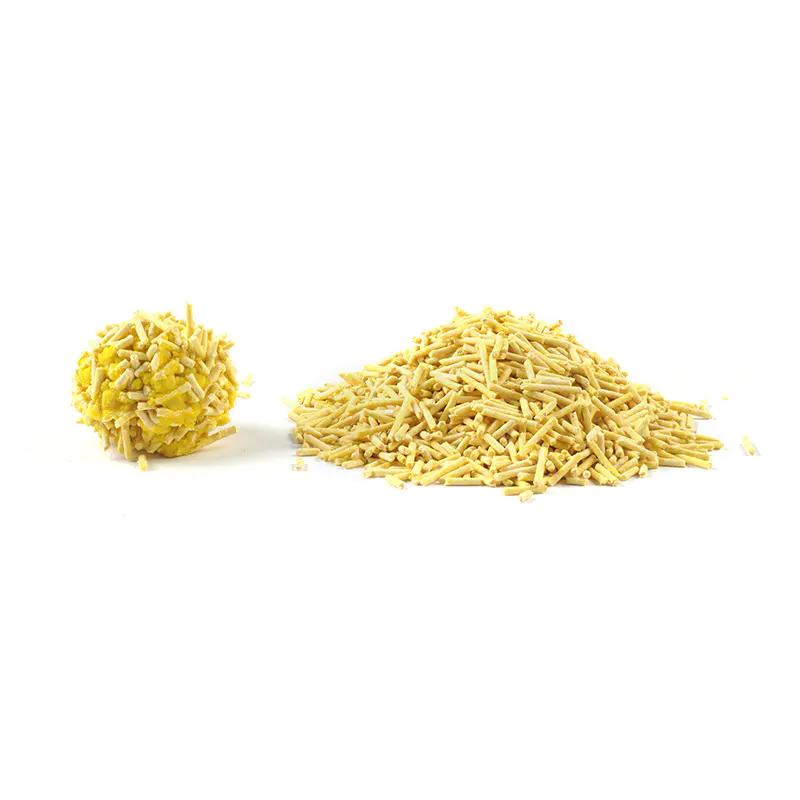
Tofu Cat Litter
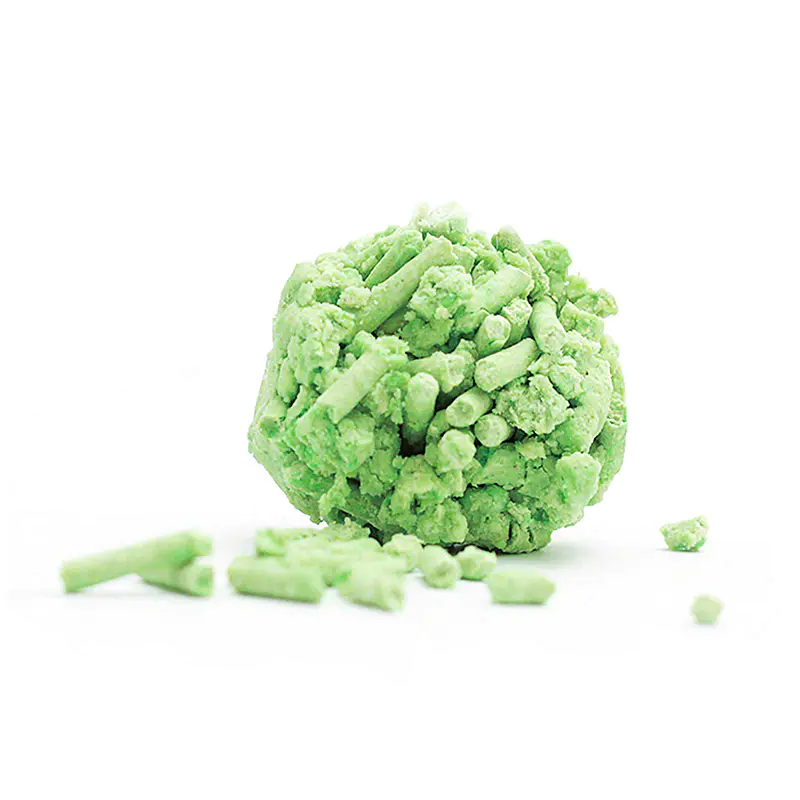
Tofu Cat Litter
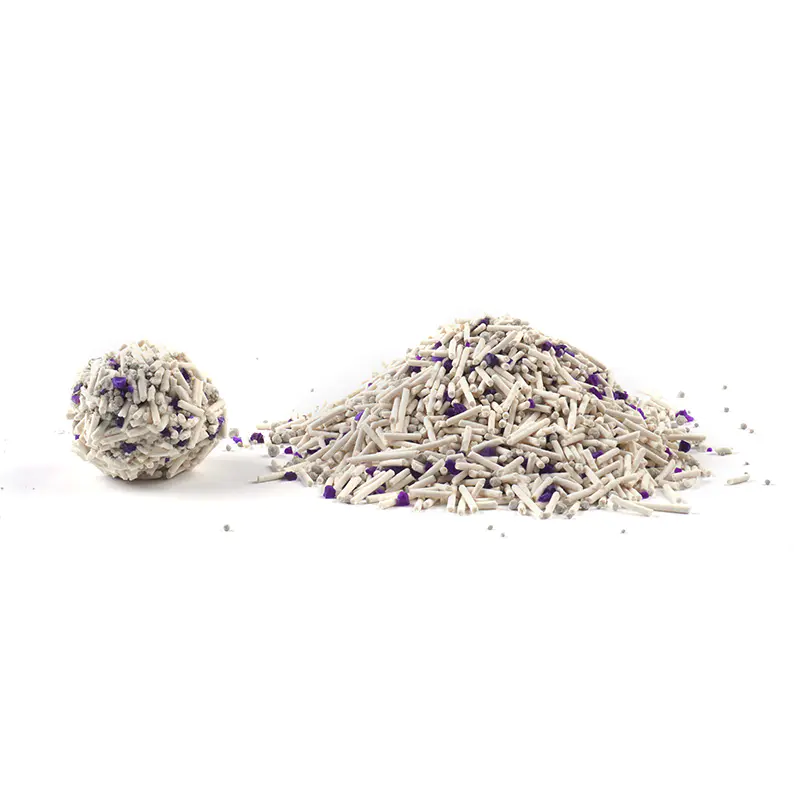
Mixed Cat Litter
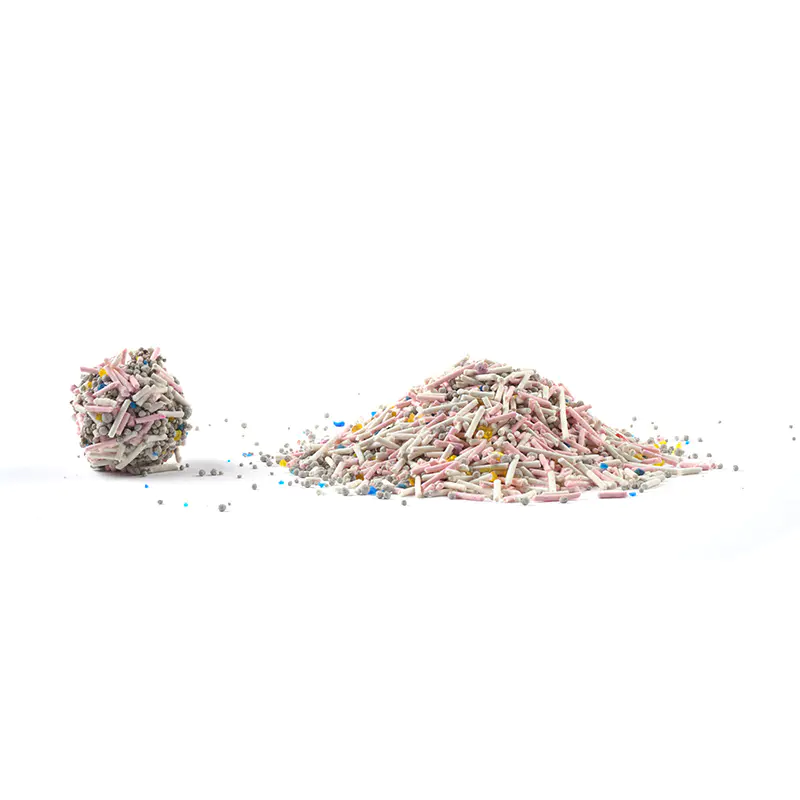
Mixed Cat Litter
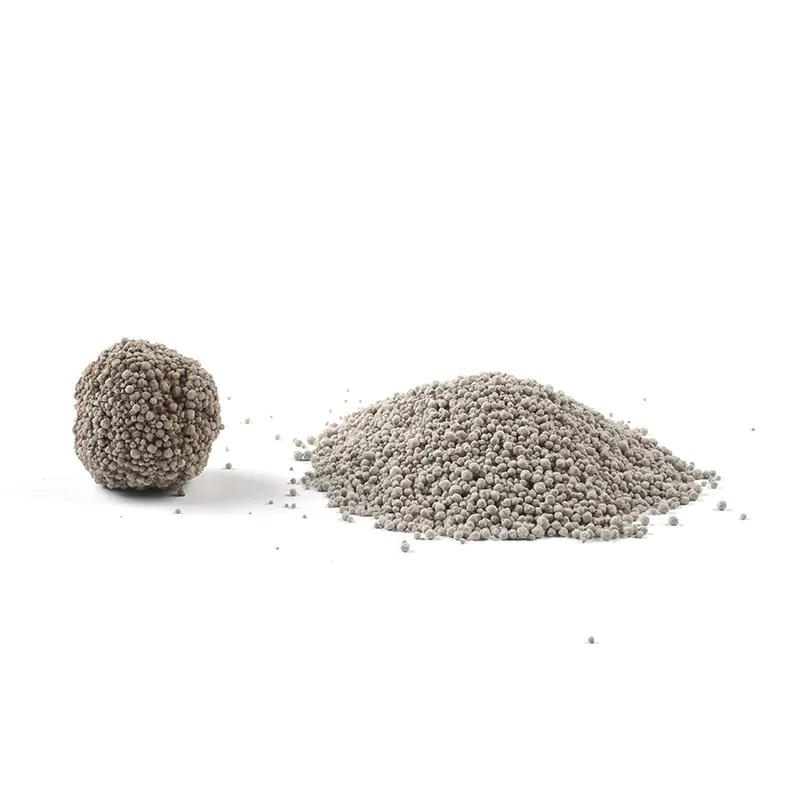
Bentonite Cat Litter


Got Questions? Call us 24/7

+8615263229311
No.88, Quandu Road, Xigang Town, Tengzhou City, Shandong, China. (Sincere Industrial Park)
OEM Cat Litter Manufacturers Bulk Cat Litter Wholesale Biodegradable Cat Litter Company



 English
 русский
 Español
 日本語
日本語 한국어
한국어


