
Industry News
Content
Cassava cat litter is a biodegradable, plant-based alternative made from cassava root starch, offering superior clumping ability and odor control without the dust and chemicals found in traditional clay litters. This sustainable option typically costs $15-25 per 10-pound bag and breaks down completely in 60-90 days, making it both environmentally friendly and septic-safe.
As pet owners increasingly seek eco-conscious products, cassava litter has emerged as a compelling choice that doesn't compromise on performance. The material's natural properties create tight clumps upon contact with moisture, while its porous structure traps ammonia odors effectively.
Understanding how cassava stacks up against conventional options helps cat owners make informed decisions based on their priorities and household needs.
| Litter Type | Clumping Speed | Dust Level | Biodegradable | Monthly Cost |
|---|---|---|---|---|
| Cassava | 5-10 seconds | Minimal | Yes (60-90 days) | $30-50 |
| Clay (Clumping) | 15-30 seconds | High | No | $15-25 |
| Corn/Wheat | 10-20 seconds | Low | Yes (45-60 days) | $25-40 |
| Wood Pellets | Non-clumping | Very Low | Yes (90-120 days) | $20-35 |
The data shows cassava excels in clumping speed and produces 99% less dust than bentonite clay, making it ideal for cats with respiratory sensitivities or owners with allergies. However, the premium price point reflects the specialized manufacturing process required to convert cassava starch into litter granules.
The environmental credentials of cassava litter extend beyond simple biodegradability, addressing several critical concerns in pet product manufacturing.
Cassava cultivation requires 30-40% less water than corn or wheat crops commonly used in alternative litters. The plant thrives in poor soil conditions without intensive fertilization, reducing agricultural runoff. Manufacturing cassava litter generates approximately 2.1 kg of CO2 per 10-pound bag, compared to 5.8 kg for bentonite clay mining and processing.
A typical cat household using cassava litter diverts approximately 240 pounds of non-biodegradable waste from landfills annually compared to clay litter users.
The hypoallergenic nature of cassava litter addresses common health concerns associated with traditional litter materials.
Veterinary studies indicate that 12-15% of cats experience respiratory irritation from clay litter dust. Cassava's virtually dust-free composition eliminates this trigger while remaining gentle on paw pads. The absence of silica dust makes it particularly suitable for:
Cassava litter contains no crystalline silica, sodium bentonite, or synthetic fragrances—common allergens in conventional products. Households with pregnant women particularly benefit, as toxoplasmosis-contaminated litter can be handled more safely due to the natural antimicrobial properties of cassava starch, though standard precautions still apply.
While initial purchase prices run higher, cassava litter's efficiency can offset the premium through reduced consumption and health-related savings.
The superior clumping ability means less product wasted during scooping. Field testing shows that 10 pounds of cassava litter lasts 18-22 days for a single cat, compared to 14-16 days for equivalent clay litter. This translates to approximately 16-17 bags annually versus 22-26 bags of clay.
| Factor | Cassava | Clay | Savings |
|---|---|---|---|
| Annual Litter Cost | $340-425 | $330-550 | Variable |
| Reduced Vet Visits (respiratory) | $0-150 | $75-300 | $75-150 |
| Air Purifier Use | Minimal | $60-120 | $60-120 |
| Cleaning Products | $30-50 | $50-80 | $20-30 |
When factoring in health benefits and reduced ancillary costs, cassava litter can achieve cost parity or savings of $100-200 annually for households with dust-sensitive cats or family members.
Switching to cassava litter requires gradual introduction to prevent litter box aversion, particularly with cats sensitive to texture changes.
Maintain a 3-4 inch depth in the litter box for optimal clumping. Cassava granules are lighter than clay, so this depth uses approximately 20% less product by weight while providing equivalent coverage.
Understanding typical challenges helps users maximize their experience with cassava litter products.
Cassava granules are 30% lighter than clay, which can increase tracking in vigorous diggers. Solutions include using deeper litter mats with raised edges, choosing covered litter boxes, or selecting larger granule formulations specifically designed to reduce tracking by up to 60%.
While single-cat households report excellent odor control lasting 5-7 days between changes, multi-cat environments may require more frequent maintenance. Adding a thin layer of baking soda beneath the cassava litter or choosing formulations with activated charcoal enhances ammonia neutralization by an additional 40-50%.
Cassava litter remains less widely stocked than clay alternatives, though online availability has improved significantly since 2023. Major brands differ in granule size (2-4mm standard, 4-6mm low-tracking), additives (plain, charcoal-enhanced, or light scenting), and cassava purity (80-100% cassava content). Pure cassava formulations clump faster but cost 15-20% more than blended versions.
Certain household profiles gain maximum advantage from cassava litter's unique properties, making the premium price more justifiable.
Budget-conscious multi-cat households (4+ cats) may find consumption rates financially challenging. Automatic litter boxes with weight sensors may require recalibration, as cassava's lighter density can affect cycle timing. Rural areas with limited delivery infrastructure might face availability issues or high shipping costs that negate environmental benefits.
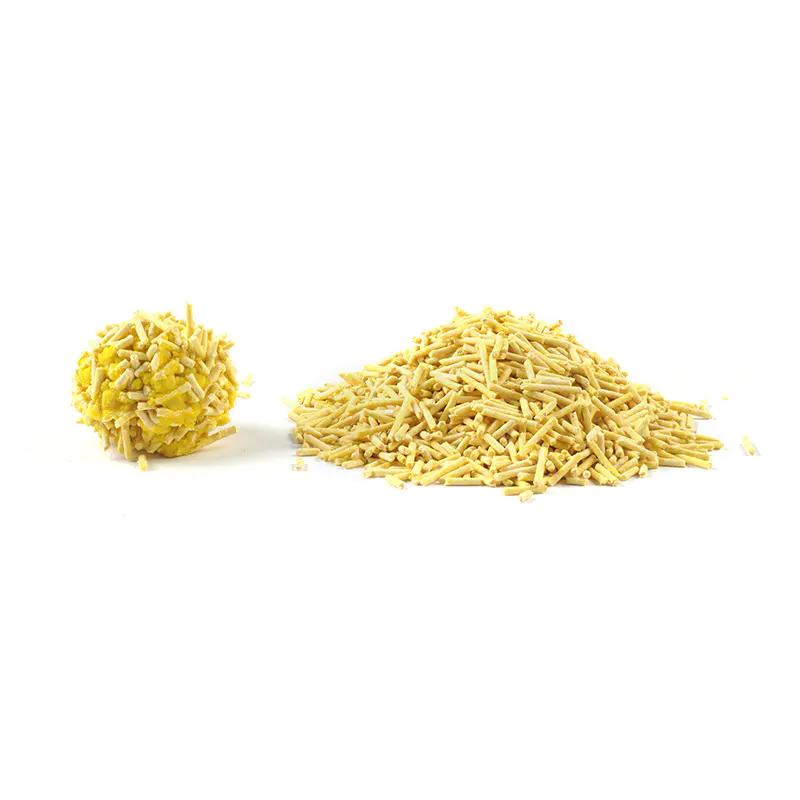
Tofu Cat Litter
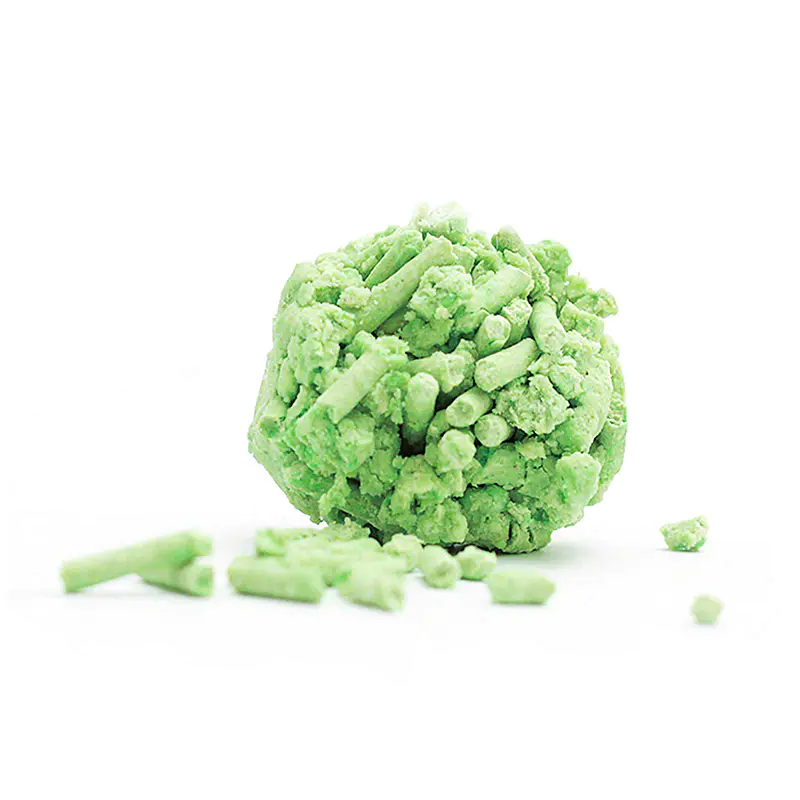
Tofu Cat Litter
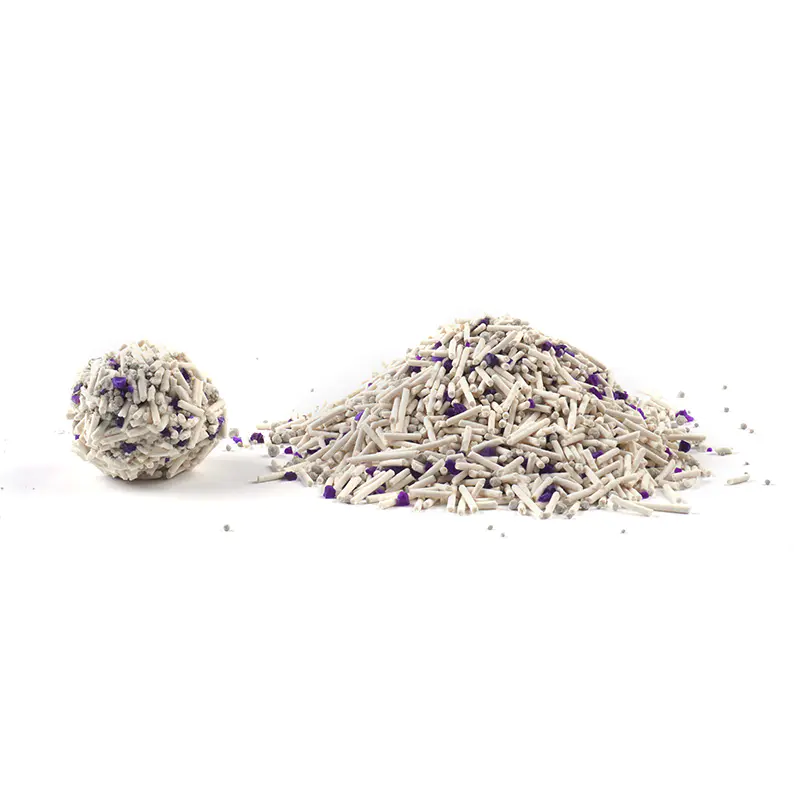
Mixed Cat Litter
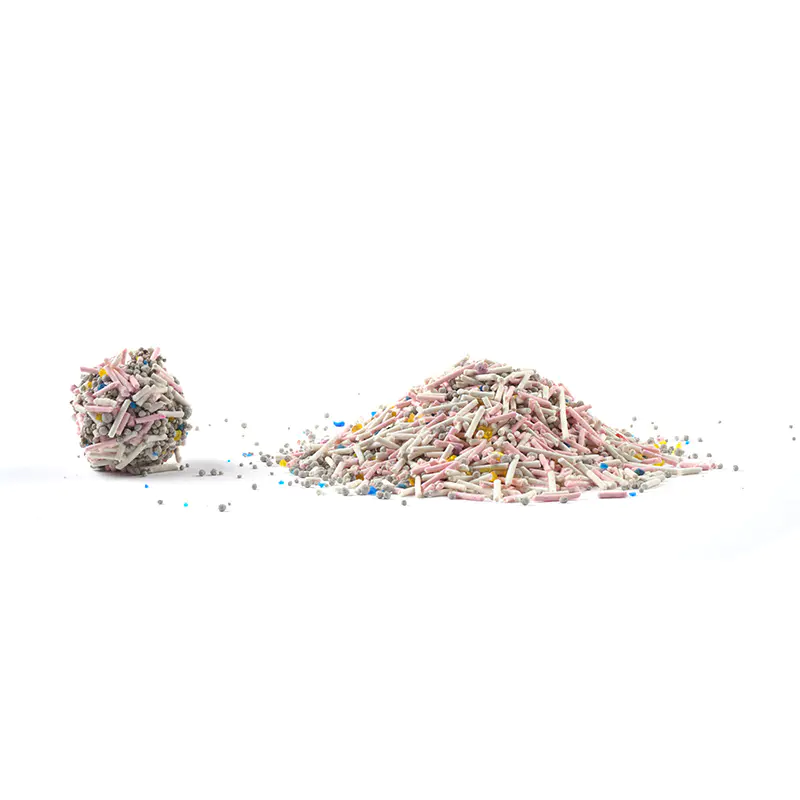
Mixed Cat Litter
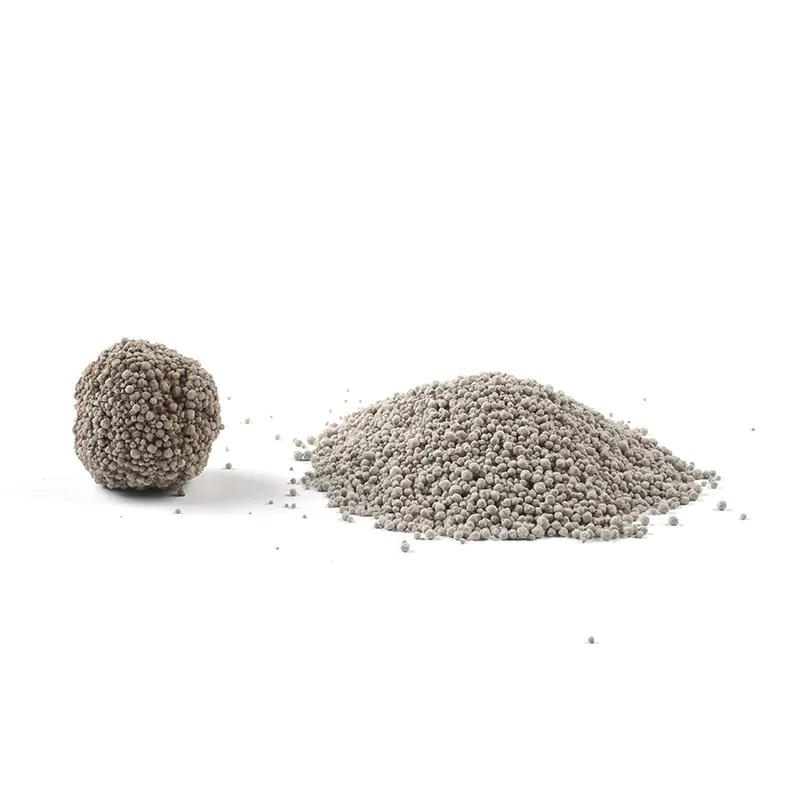
Bentonite Cat Litter


Got Questions? Call us 24/7

+8615263229311
No.88, Quandu Road, Xigang Town, Tengzhou City, Shandong, China. (Sincere Industrial Park)
OEM Cat Litter Manufacturers Bulk Cat Litter Wholesale Biodegradable Cat Litter Company



 English
 русский
 Español
 日本語
日本語 한국어
한국어


