
Industry News
Content
You scoop the box, and a cloud of dust rises before you can blink. Your cat sniffs, circles the tray, and walks away. If that scene sounds familiar, you have probably considered switching to a plant-based litter. Cassava cat litter is one of the fastest-growing options in this category, yet many owners still ask the same questions: Is it safe? Does it clump as well as clay? Can you really flush it? The short answer is yes, when the product is made from properly processed cassava starch and manufactured to consistent quality standards. This guide explains what cassava litter is, where the safety concerns come from, how it performs in real use, and what to check before you buy.
Cassava cat litter is made from starch extracted from the cassava root, the same plant that produces tapioca. After harvesting, the root is washed, peeled, and processed into starch, which is then formed into uniform granules. Because the raw material is a renewable agricultural crop, the finished litter is biodegradable and significantly lighter than clay-based litter.
Unlike bentonite litter, which forms clumps through the swelling action of sodium bentonite clay, cassava litter relies on natural starch bonding. When liquid contacts the granules, they absorb moisture and bind into a solid clump that holds together during scooping. This is the same principle behind tofu litter, which places cassava firmly in the plant-fiber category rather than the mineral category.
For a closer look at how this works at a material level, the science behind cassava cat litter clumping explains why starch-based granules behave differently from clay or silica.
The most common safety concern about cassava litter involves cyanide. It is true that raw cassava roots contain cyanogenic glycosides, compounds that can release hydrogen cyanide if the root is eaten raw or processed incorrectly. This is a food-processing consideration, not a reason to avoid manufactured litter. Commercial cassava starch intended for pet products goes through washing, heating, and drying steps that reduce these compounds to levels below the limits set for food-grade cassava starch. Reputable manufacturers test both raw materials and finished batches to confirm this.
The second concern is dust. Low-cost cassava litters sometimes produce noticeable dust when poured, which can irritate sensitive noses. Dust level depends on granule quality and production controls. A well-made litter with screened granules and a carefully managed moisture balance stays nearly dust-free, and this is one of the first quality differences you notice when opening a bag.
The third concern is behavioral. Because cassava has a mild starchy smell, some cats try to taste the granules. The processed starch is not toxic, but eating a large amount can cause digestive upset. Most cats stop after one taste, and keeping the bag sealed between refills reduces the temptation.
Performance is where cassava litter either wins or loses against clay. Cassava clumps form quickly, usually within seconds of liquid contact, and firm up over the next few minutes. Scooping is easiest when you wait two to three minutes after the cat leaves the box, which is similar to clay. The clump stays intact because the starch granules swell and lock together, removing the wet material cleanly without leaving sticky residue on the box floor.
Odor control follows from the same mechanism. When urine is locked inside a firm clump, ammonia has less surface area to escape from. In multi-cat households, this makes a noticeable difference over a full week. Many cassava formulas add natural odor-control ingredients such as green tea extract or activated carbon, which further reduces ammonia and fecal odor.
Good cassava litter should feel dense and slightly textured, not powdery. When you pour it into the box, the air should stay clear. This matters for cats with asthma or respiratory sensitivity, and it also keeps the area around the box cleaner.
If you are comparing materials, the difference between cassava and silica gel cat litter is worth reviewing before you settle on a product.
One of the main reasons people choose cassava litter is flushability. Because the starch breaks down in water, flushable-grade cassava litter can be disposed of through the toilet. The word flushable applies to clumps, not the entire box contents. Remove feces before flushing and never flush more than one or two clumps at a time. Septic systems generally handle cassava litter well because it disperses quickly, but check local regulations and your plumbing conditions before relying on flushing as the primary disposal method.
If you prefer not to flush, cassava litter can go into a home compost bin or the organic waste stream in many areas, depending on local rules. In a landfill, it will break down much faster than clay or silica.
Every litter type makes trade-offs between cost, convenience, and environmental impact. The table below summarizes what you can expect from the four main categories in everyday use.
| Property | Cassava | Clay / Bentonite | Tofu | Silica Gel |
|---|---|---|---|---|
| Clump speed | Fast | Very fast | Fast | Does not clump |
| Dust level | Low when quality-controlled | Often high | Low | Very low |
| Odor control | Good | Good | Good | Excellent |
| Biodegradable | Yes | No | Yes | No |
| Flushable | Yes, if labeled | No | Yes, if labeled | No |
| Weight | Light | Heavy | Light | Light |
The most significant difference is environmental. Clay litter requires strip mining and does not decompose in landfills. Cassava comes from a renewable crop and returns to the soil naturally. For owners who want strong clumping without the ecological cost of clay, cassava is the closest plant-based alternative.
Cats are sensitive to change, so make the switch gradual. Start with a mix of 25 percent cassava and 75 percent of the old litter, then increase the ratio every two or three days. Most cats adapt within one to two weeks. If your cat shows resistance, extend the transition period rather than forcing the change.
Use a deeper layer than you might with clay. A depth of five to seven centimeters gives the granules enough material to form proper clumps. Shallower litter means weaker clumps and more frequent full changes. Place a mat outside the box to catch granules that stick to your cat's paws, because starch-based granules are light and can travel farther than clay.
Watch your cat's reaction during the first week. A brief period of extra sniffing is normal. Persistent avoidance, refusal to enter the box, or eliminating outside the tray usually means the transition is too fast.
Quality in cassava litter is not determined by the raw material alone. Clump strength, dust control, granule uniformity, and moisture content all depend on the production line. A manufacturer with established processing controls will produce a more consistent product than one that simply repackages imported starch.
Sincere Pet Products is a China-based manufacturer specializing in plant-based and silica cat litter, with a stated annual capacity of 200,000 tons and ISO certification. For brands evaluating private-label supply, the standard cassava cat litter is a reliable base product with consistent granule size and clumping behavior.
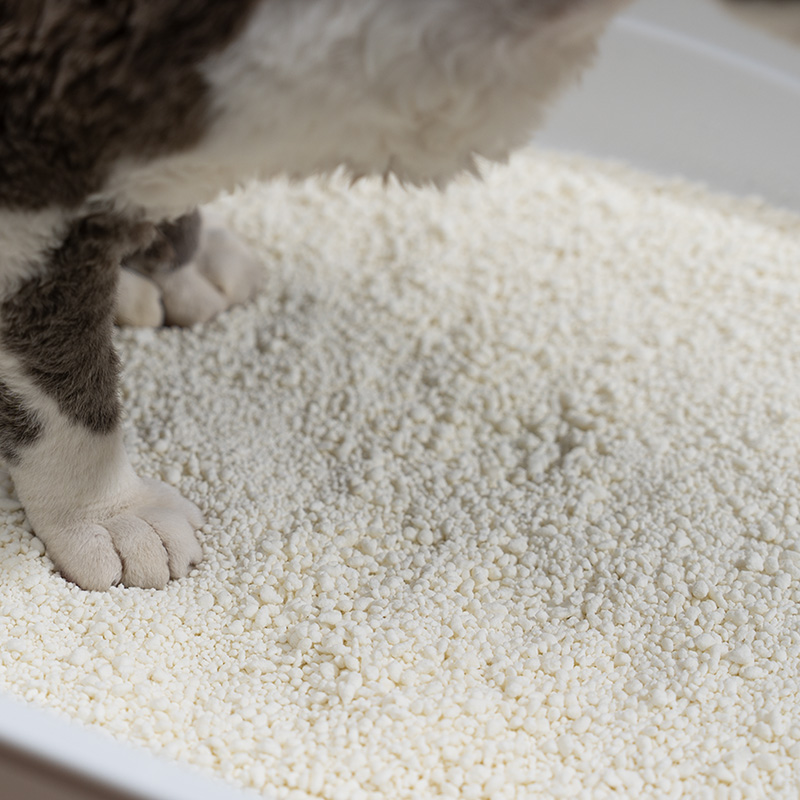 Cassava Cat Litter Suppliers, Company - Sincere Pet Products Co., Ltd.Sincere: China Wholesale Cassava Cat Litter Suppliers and Company, Custom Cassava Cat Litter for sale, Product introductionSincere's cass...View Product →
Retailers looking for a more distinctive shelf position can consider the Pinkstar cassava cat litter, which pairs the same plant-based material with a differentiated format and visual identity. Both options are biodegradable, low-dust, and produced under ISO-certified processes.
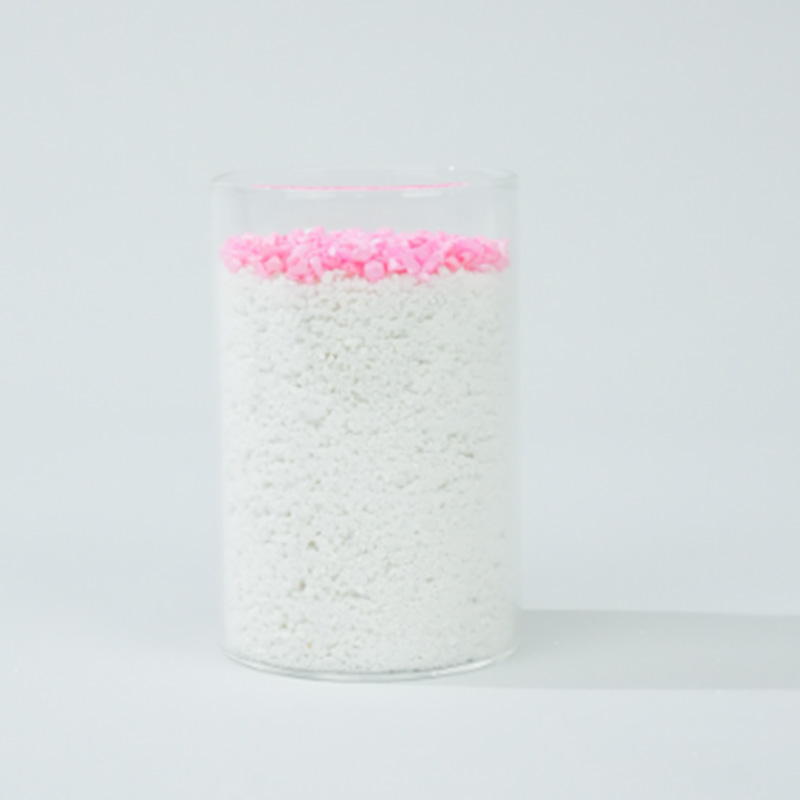 Pink-Star Cassava Cat Litter Suppliers, Company - Sincere Pet Products Co., Ltd.Sincere: China Wholesale Pink-Star Cassava Cat Litter Suppliers and Company, Custom Pink-Star Cassava Cat Litter for sale, ·Natural Cassa...View Product →
Before committing to any supplier, request a production sample and test it under real conditions:
These four tests reveal more about a production line than any brochure, and they apply whether you are buying one bag or planning a private-label launch.
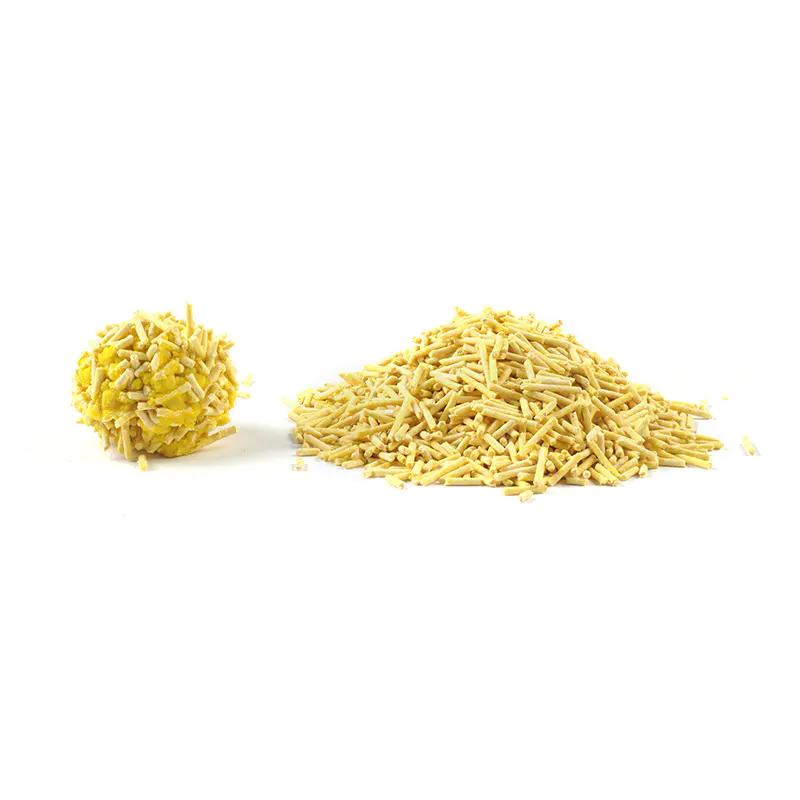
Tofu Cat Litter
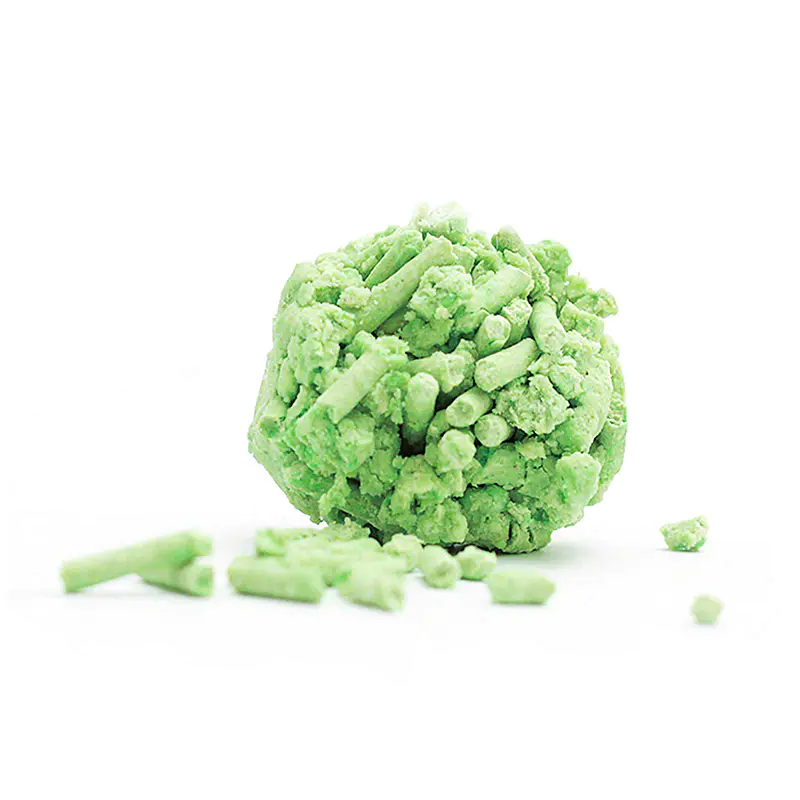
Tofu Cat Litter
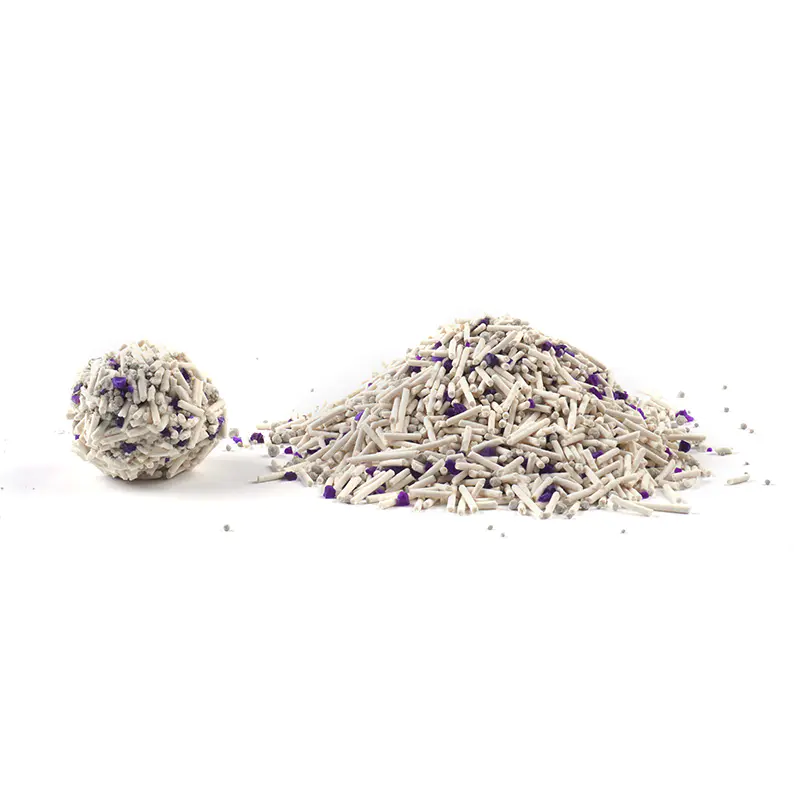
Mixed Cat Litter
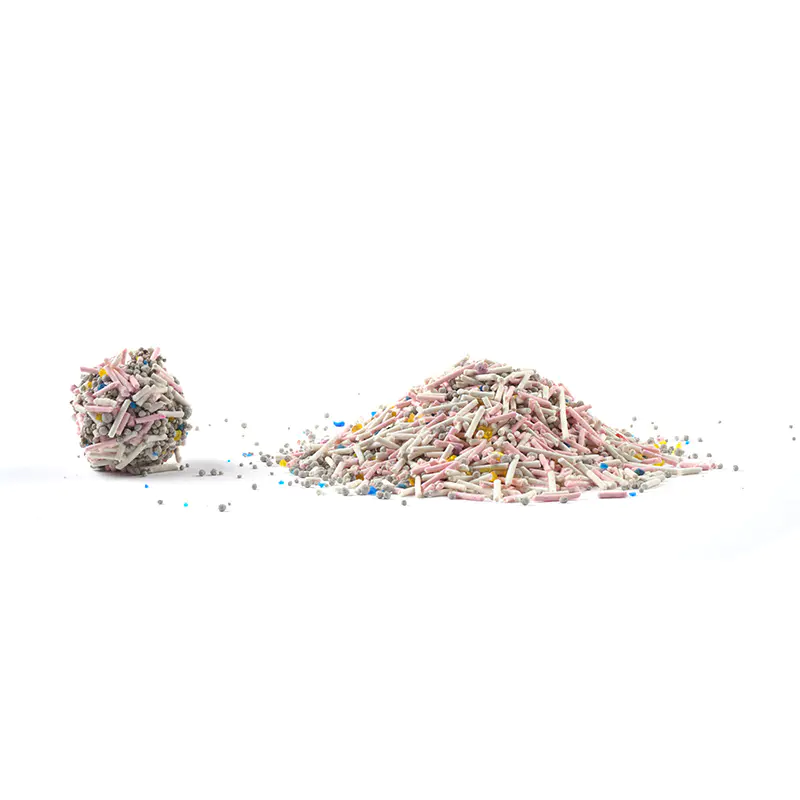
Mixed Cat Litter
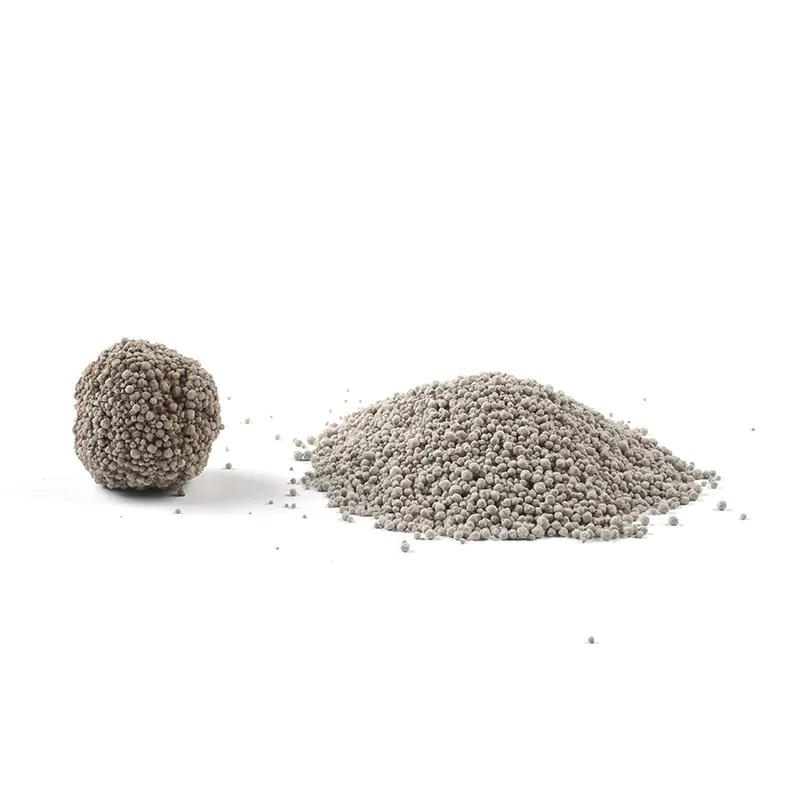
Bentonite Cat Litter


Got Questions? Call us 24/7

+8615263229311
No.88, Quandu Road, Xigang Town, Tengzhou City, Shandong, China. (Sincere Industrial Park)
OEM Cat Litter Manufacturers Bulk Cat Litter Wholesale Biodegradable Cat Litter Company



 English
 русский
 Español
 日本語
日本語 한국어
한국어


