
Industry News
Content
When a single cat voids roughly 10–15 ml of urine at a time, the litter substrate must wick that moisture away before bacteria convert urea into ammonia. Crystal cat litter does this through adsorption—not absorption. Each irregular silica gel granule acts as a rigid sponge with microscopic pores that pull liquid into its internal structure. The result is near-instant dewatering of the urine, leaving the top of the granules dry within seconds.
Because the liquid becomes trapped inside the silica, it cannot pool or ferment. Odor-causing bacteria need free water to grow, so the box stays neutral for far longer than with organic or clay litters. A single 4 lb (1.8 kg) bag typically controls odor for 20–30 days with one cat, and multi-cat homes often see 2–3 weeks of usable life before the granules reach their saturation limit and must be replaced.
Owners who switch to silica gel litter usually cite three immediate differences: the box stays dry, dust drops to near zero, and the weight of the litter they carry home is cut by half or more. These advantages come from the chemistry and shape of the granules themselves.
Low-respirable-dust formulations keep airborne particles below 0.3%, a critical factor for cats with asthma and for owners who want to avoid dust clouds during pouring. Because crystal litter does not rely on a swelling reaction, it never turns into a heavy, soggy mass. A full pan weighs 40–50% less than the same volume of clumping clay, making it easier to clean and less destructive to litter box liners.
Tracking depends on particle shape. Bead-based silica gel with smooth, rounded edges scatters less than traditional jagged crystals, so buyers should check the description for “bead” or “pearl” form when low tracking is a priority.
| Feature | Crystal Cat Litter | Clumping Clay Litter |
|---|---|---|
| Moisture action | Adsorption into internal pores | Absorption that swells and forms clumps |
| Dust level | Very low; premium grades under 0.2% respirable dust | Variable; often produces visible dust |
| Weight (same volume) | Roughly 8–10 lb per 2-inch fill in a standard box | 15–22 lb for the same depth |
| Odor control method | Traps ammonia inside the silica structure | Relies on clumping to seal; ammonia can build in stale clumps |
| Typical lifespan per fill | 3–4 weeks for one cat | 7–10 days before full change recommended |
| Tracking | Lower with smooth beads; sharp crystals may scatter | Fine granules often stick to paws and scatter |
Granule diameter directly affects both comfort and performance. Particles in the 0.5–2.5 mm range balance quick adsorption with low dust. Fine powders absorb faster but increase tracking; large chunks last longer but may feel uncomfortable for cats. Look for a manufacturer that publishes its dust fraction—anything consistently below 0.3% qualifies as low-dust.
Many crystal litters include pH-sensitive dyes that turn from blue to a faded white or yellow when the silica nears saturation. This visual cue removes the guesswork from full-box changes. Fragrance-free options are preferred for sensitive cats, as added perfumes can mask but not eliminate ammonia. If a mild scent is desired, a light, non-phthalate fragrance is sufficient.
Crystal litter requires a different rhythm than clay. Solids should be scooped daily just as with any litter, but instead of digging out urine clumps, you stir the granules lightly. This redistributes moisture-loaded silica and exposes dry granules to the center of the box, extending lifespan by several days.
When the litter loses its bright color, develops a persistent yellow tint across the whole tray, or the indicator dye signals exhaustion, do a full dump. Wash the box with mild soap, dry it completely, and refill to a depth of 2–3 inches. For a single cat, a 3-inch fill typically lasts 4 weeks. In multi-cat households, plan a full change every 2–3 weeks.
Crystal cat litter is made from amorphous silica gel—the same chemically inert material found in food-grade desiccant packets. It contains no crystalline silica dust of the type linked to silicosis, making it far safer to handle than many clay litters that release respirable quartz. Because it does not clump, it cannot form the hard concretions that some cats might ingest during grooming.
Ingestion of large amounts, however, can cause mild gastrointestinal upset, so kittens who mouth everything should be supervised. The litter cannot be flushed; instead, dispose of spent granules in the trash. An inert, low-dust silica bed remains one of the lowest-risk dry litter choices for indoor cats.
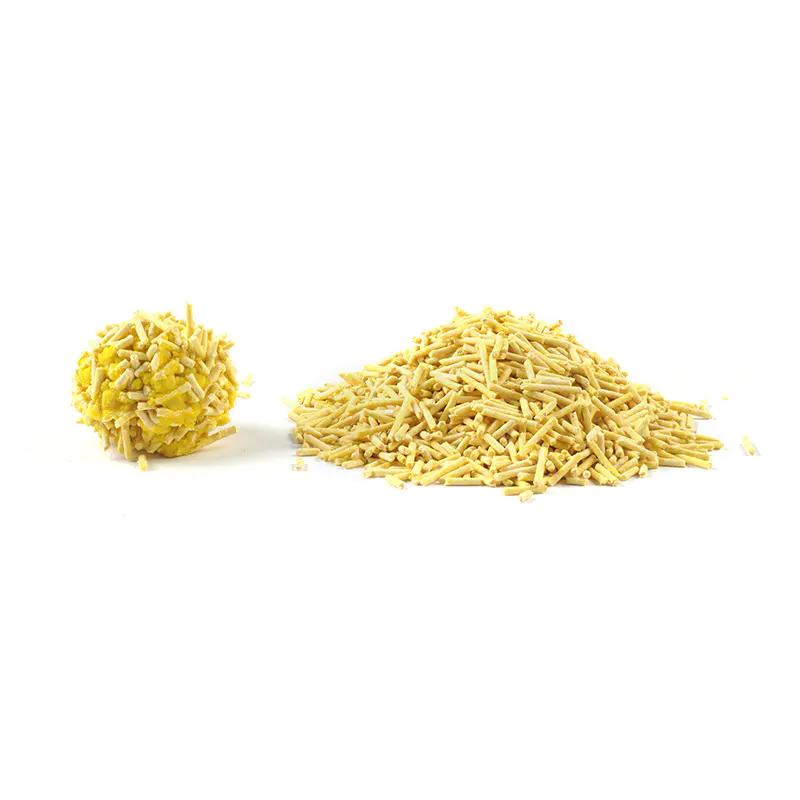
Tofu Cat Litter
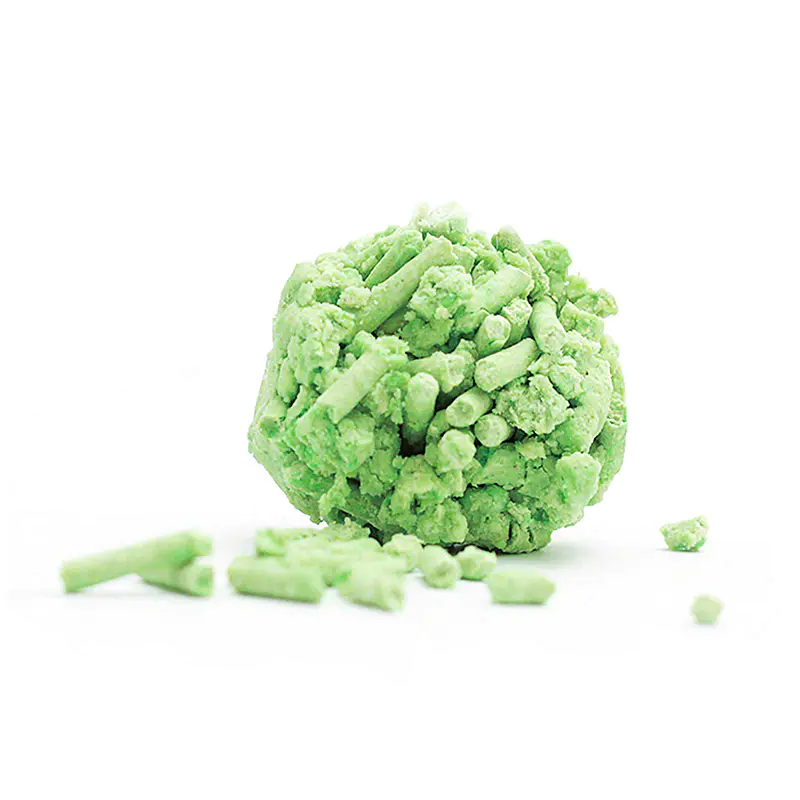
Tofu Cat Litter
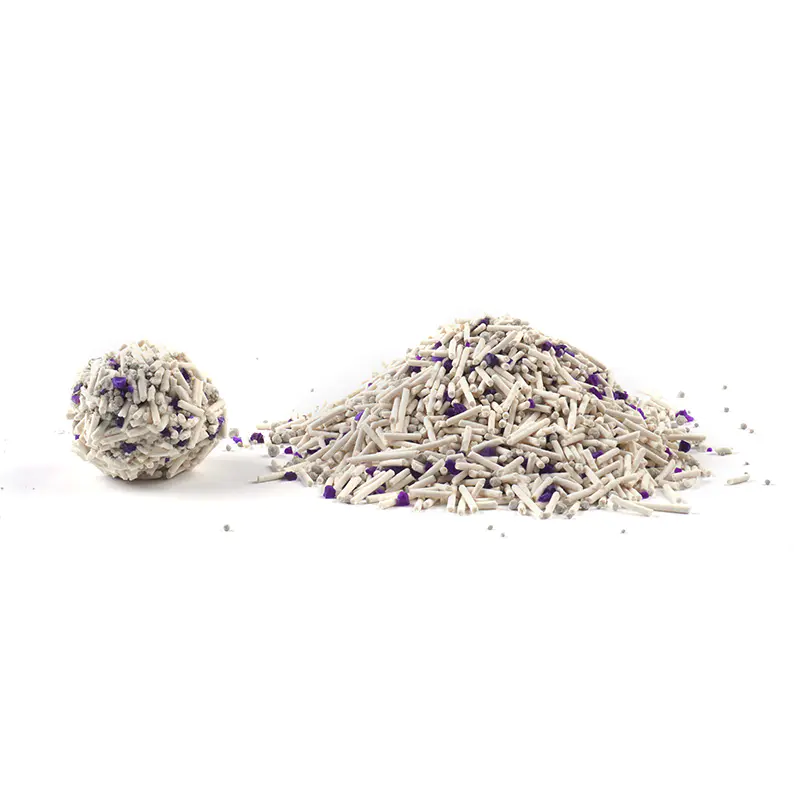
Mixed Cat Litter
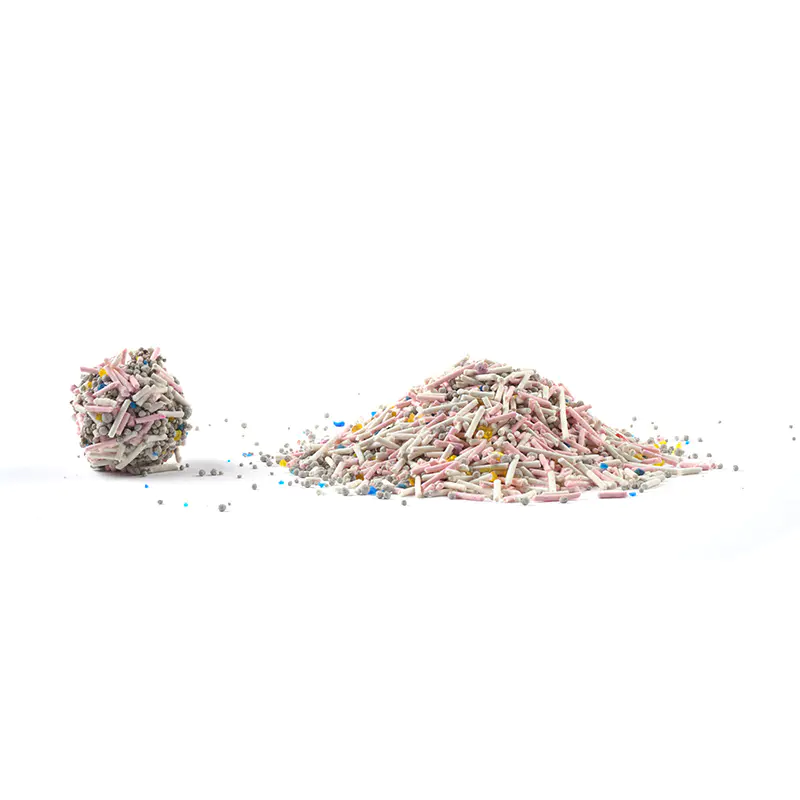
Mixed Cat Litter
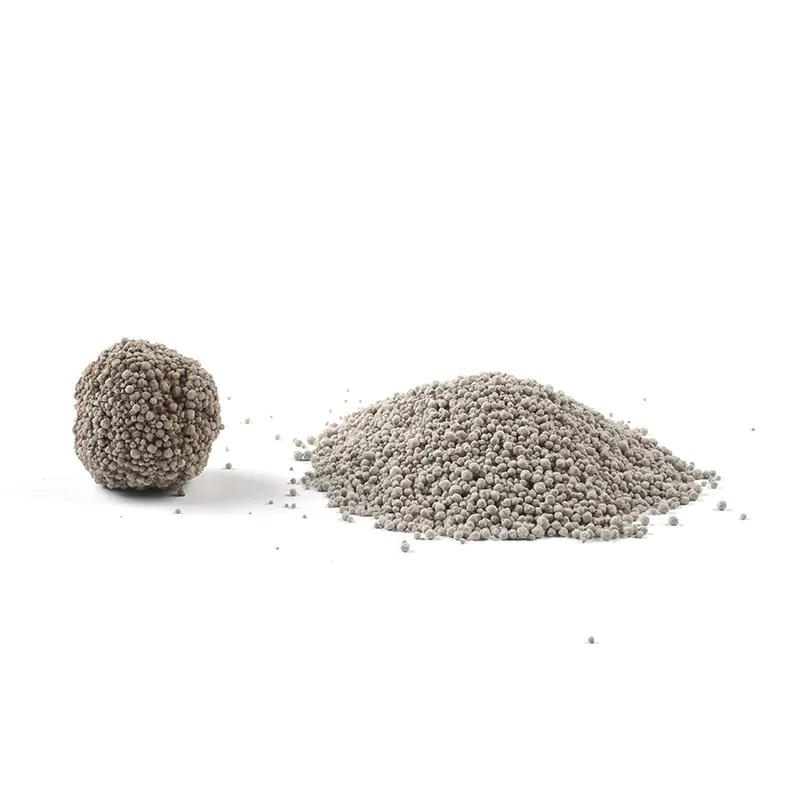
Bentonite Cat Litter


Got Questions? Call us 24/7

+8615263229311
No.88, Quandu Road, Xigang Town, Tengzhou City, Shandong, China. (Sincere Industrial Park)

OEM Cat Litter Manufacturers Bulk Cat Litter Wholesale Biodegradable Cat Litter Company



 English
 русский
 Español
 日本語
日本語 한국어
한국어


