
Company News
Content
As pet owners become more conscious of the materials used in everyday pet products, plant-based cat litter is attracting increasing attention in the global pet care market. Made from renewable plant-derived ingredients, these products offer an alternative to conventional mineral-based litter while creating new opportunities for product innovation.
Among the available options, tofu cat litter has become one of the most recognized plant-based choices. Cassava cat litter is also gaining interest, particularly for its starch-based formulation and clumping performance. Beyond these individual products, combining tofu and cassava materials opens up further possibilities for developing cat litter that balances absorption, clumping strength, texture and overall user experience.
At Sincere, we see plant-based litter not simply as an alternative material, but as an evolving product category that can be adapted to different market needs.
Traditional cat litter is commonly made from mineral materials, while plant-based formulas use ingredients derived from sources such as soybean fiber, cassava starch, corn starch and other plant fibers.
The choice of raw material influences the product's physical properties, including particle structure, moisture absorption, clumping behavior, weight and disposal characteristics.
Plant-based litter is often selected by consumers looking for:
However, performance varies significantly depending on the formulation and manufacturing process. The term "plant-based" alone does not guarantee a particular level of absorption, odor control, dust reduction or biodegradability. These properties should be evaluated through product-specific testing.
Tofu cat litter is generally produced using plant fibers derived from soybean processing, together with starches and binding ingredients. Its lightweight structure and clumping characteristics have helped it gain popularity among consumers and distributors.
One of its main advantages is its ability to absorb liquid and form removable clumps. A well-developed formula can create compact clumps that are easier to scoop, helping users maintain a cleaner litter box.
Other product characteristics may include:
Convenient daily cleaning: Clumping allows users to remove wet and soiled portions without replacing the entire contents of the litter box every time.
Lightweight handling: Compared with many mineral-based litters, plant-fiber formulas can offer a more manageable product weight, depending on density and packaging specifications.
Different particle options: Tofu litter can be developed in different granule sizes and shapes to meet varied market preferences.
Formula flexibility: Starch, plant fibers and selected functional additives can be adjusted to achieve different clumping, absorption and odor-control targets.
Veterinary guidance also emphasizes that litter texture and individual cat preference matter. The 2022 AAFP/ISFM Cat Friendly Veterinary Environment Guidelines note that unscented clumping litter is generally preferred by cats, while also recommending that each cat's individual preferences be considered.
This is an important reminder: a litter product should not only meet the expectations of the owner, but also provide a comfortable and acceptable experience for the cat.
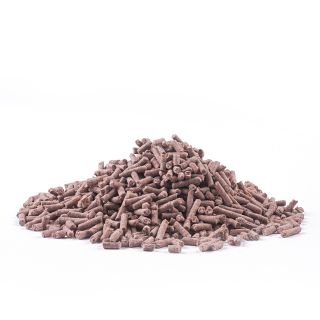 Plant Based
Cassava is another promising raw material for plant-based cat litter. Its starch properties make it suitable for developing formulas focused on liquid absorption and clump formation.
Sincere's cassava cat litter is primarily made from cassava starch, with plant fiber, guar gum and deodorizing ingredients used as supplementary materials.
Compared with tofu-based formulas, cassava-based litter offers a different material structure and provides manufacturers with additional flexibility when developing product performance.
Key characteristics can include:
Fast liquid absorption: Cassava starch-based formulations can be designed to absorb urine quickly and reduce liquid penetration toward the bottom of the litter tray.
Compact clumping: With an appropriate binder system and production process, cassava litter can form firm clumps that are easier to remove.
Fine particle options: Particle size and shape can be adjusted to create different textures and user experiences.
Plant-derived formulation: Cassava-based litter provides another option for brands seeking to expand their plant-based product range.
As with tofu litter, the final performance depends on the specific formulation, raw material quality and production controls. Absorption rate, clump strength, dust level and odor-control performance should be verified through testing rather than assumed from the ingredient list.
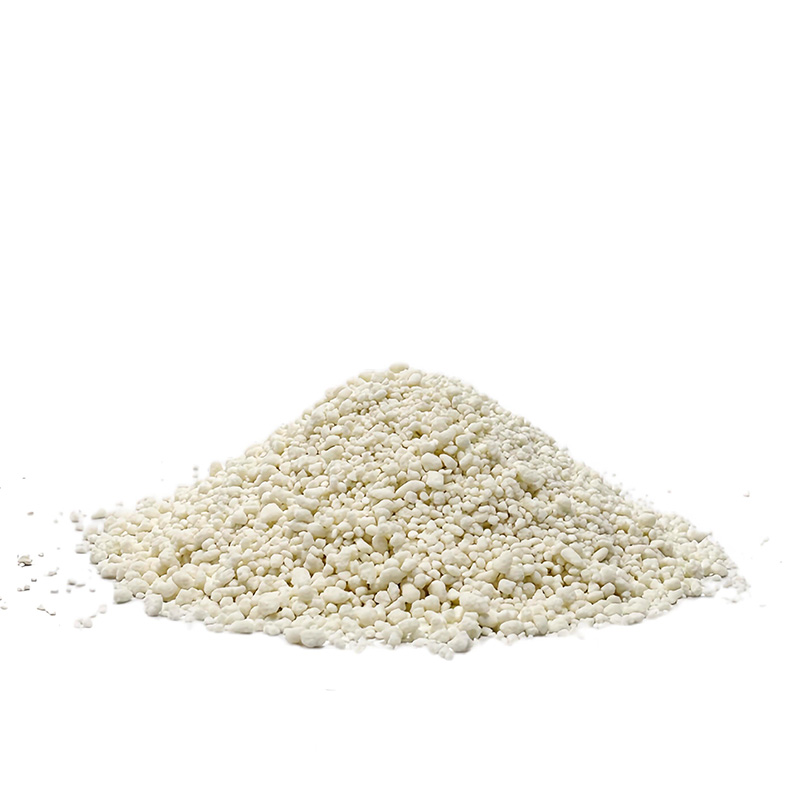 Plant Based
The development of plant-based cat litter does not have to stop at single-material products. Combining tofu and cassava components can create opportunities to balance the characteristics of each material.
For example, a blended formula may be developed to explore:
These are formulation opportunities, not guaranteed outcomes. The ideal ratio must be established through laboratory evaluation and practical litter-box trials. A blend should be assessed for absorption, clump integrity, dust, tracking, moisture stability and odor performance before commercial production.
For brands and distributors, this flexibility can be especially valuable. Instead of offering only one standard product, manufacturers can work with buyers to develop formulas that address specific market requirements.
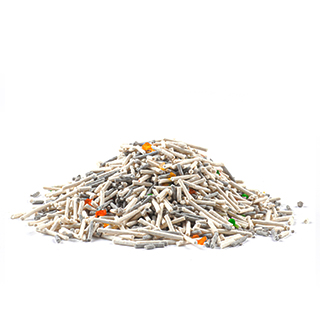 Mixed Blend
Environmental considerations are important, but the cat's behavior and comfort should remain central to product development.
The 2022 AAFP/ISFM Cat Friendly Veterinary Environment Guidelines state that unscented clumping litters are generally preferred by cats. The guidelines also stress that individual preferences should be considered, since cats may respond differently to litter texture, scent and other environmental factors.
A 2025 study published in the Journal of Veterinary Medical Science by Iwabuchi-Inoue and colleagues examined litter-box size and litter-type preferences in cats. Under the conditions of that study, the cats showed a preference for clumping clay litter over the other tested materials. The findings highlight an important point for plant-based litter manufacturers: alternative materials need to deliver a texture and functional experience that cats are willing to use.
For this reason, product development should consider both technical performance and animal acceptance. Gradual transitions can also help when introducing a new litter to a cat that is accustomed to another type.
Plant-derived ingredients can offer biodegradability advantages, but the environmental impact of a finished cat litter product depends on more than its main raw material.
The complete formulation, manufacturing process, transportation, packaging and end-of-life disposal method all influence its environmental profile. Biodegradation time can also vary according to temperature, moisture, microbial activity and the disposal environment.
It is therefore important to distinguish between a product containing plant-based materials and a product that has been tested and certified for a specific composting or disposal claim.
Flushability should also be treated as a product-specific feature. Even when a formula is designed to disperse in water, users should follow the manufacturer's instructions and local plumbing and wastewater regulations. Large quantities should never be flushed at once.
Clear, verifiable product information helps brands communicate environmental benefits responsibly and build long-term consumer trust.
As a cat litter manufacturer based in Shandong, China, Sincere provides tofu cat litter, cassava cat litter and customized mixed-litter solutions for international buyers.
Our product development approach focuses on matching material selection and formulation with the performance requirements of different markets.
We work with customers on:
Whether a brand is looking for a conventional tofu litter, a starch-based cassava formula or a customized plant-based blend, the right formulation begins with understanding the target market and the product performance it requires.
Plant-based cat litter is not a single formula or a one-size-fits-all solution. It is a growing field of material innovation, where thoughtful formulation and reliable manufacturing can create more choices for both cats and their owners.
Sincere — Developing practical cat litter solutions for global pet care brands.
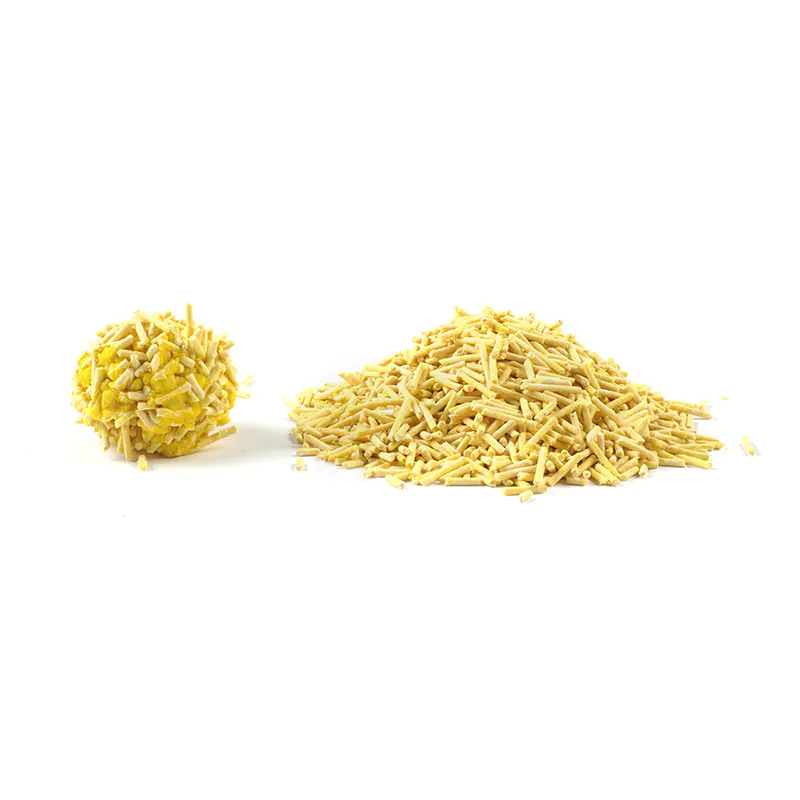
Tofu Cat Litter
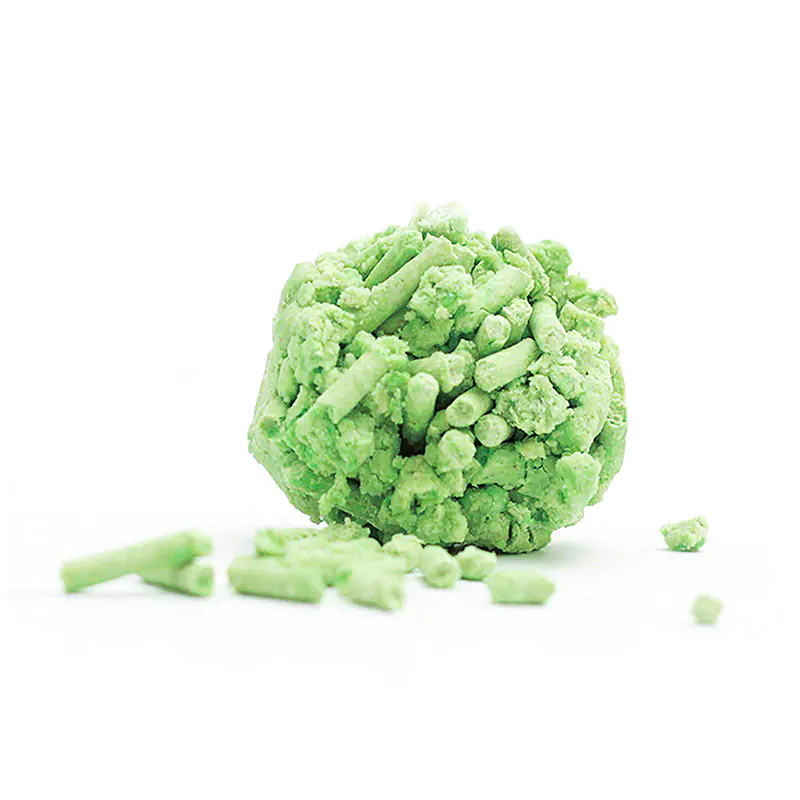
Tofu Cat Litter
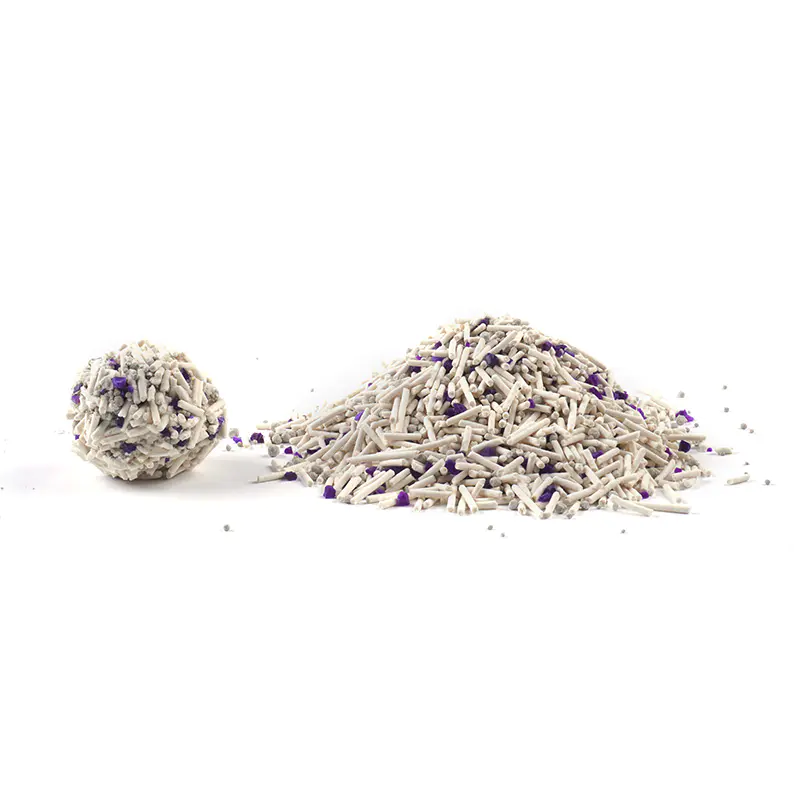
Mixed Cat Litter
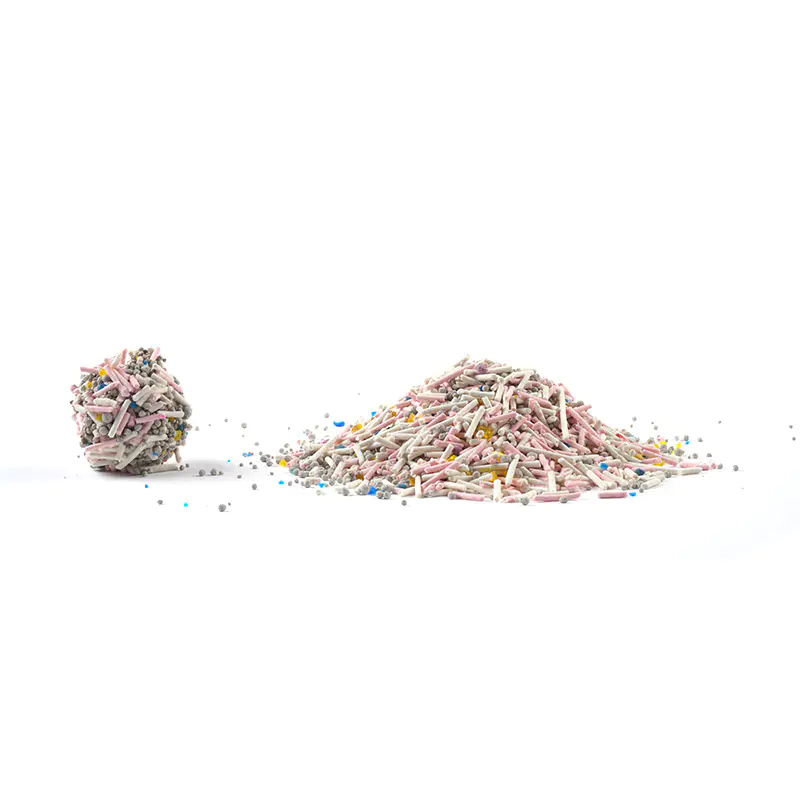
Mixed Cat Litter
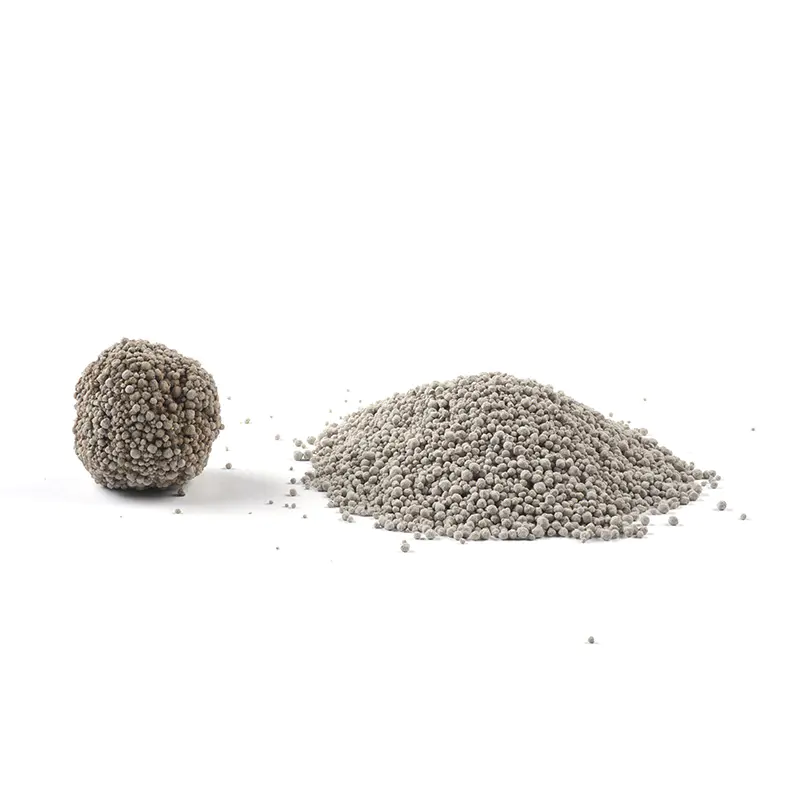
Bentonite Cat Litter


Got Questions? Call us 24/7

+8615263229311
No.88, Quandu Road, Xigang Town, Tengzhou City, Shandong, China. (Sincere Industrial Park)
OEM Cat Litter Manufacturers Bulk Cat Litter Wholesale Biodegradable Cat Litter Company



 English
 русский
 Español
 日本語
 한국어


