
Industry News
Content
Cat litter is an absorbent material placed in a litter box that allows cats to urinate and defecate in a clean, controlled area. It mimics the loose soil or sand cats naturally seek out in the wild, making it easier for them to bury waste. For indoor cats, litter is essential for hygiene, odor control, and protecting household surfaces from messes.
Modern cat litter goes beyond simple absorption. Many products are designed to clump, neutralize odors, reduce tracking, and even monitor a cat’s health through color changes. Choosing the right litter improves both your cat’s comfort and your home’s cleanliness.
Cat litter functions by absorbing liquid waste and trapping odors within its particles. Some varieties form solid clumps when exposed to moisture, allowing for easy daily scooping. Others absorb liquids gradually and require full box changes on a schedule.
Odor control is achieved through materials like activated charcoal, baking soda, silica crystals, or natural plant fibers. These elements bind odor-causing bacteria and ammonia, keeping the litter box fresher for longer periods.
Made from bentonite clay, clumping cat litter forms firm clumps when wet. This makes it easy to scoop waste daily while keeping the rest of the litter clean. It’s one of the most popular and affordable options for multi-cat households.
This traditional litter absorbs liquid without forming clumps. It usually requires full replacement more frequently but is often cheaper and low in dust.
Silica crystal litter absorbs moisture rapidly and traps odor extremely well. It lasts longer between changes and produces less dust, though it tends to cost more than clay options.
Made from materials like corn, wheat, paper, walnut shells, or pine, biodegradable cat litter is eco-friendly and often flushable. These options are great for environmentally conscious pet owners and cats with sensitivities.
| Litter Type | Odor Control | Ease of Cleaning | Eco-Friendly |
| Clumping Clay | High | Very Easy | Low |
| Non-Clumping Clay | Medium | Moderate | Low |
| Crystal | Very High | Easy | Low |
| Biodegradable | Medium–High | Easy | High |
Every cat has different preferences and sensitivities. Some prefer fine-grain litter similar to sand, while others like larger pellets. Observing your cat’s comfort and box habits is key to finding the right product.
Even the best cat litter requires good habits to stay effective. Scooping daily prevents odor buildup and keeps cats more willing to use the box. A full litter change should happen every one to four weeks depending on litter type.
Strong odors usually mean the box needs more frequent scooping or a better odor-control formula. Tracking litter outside the box can be reduced with litter mats and low-tracking blends. If your cat avoids the box, try a softer texture or unscented option.
Switching litter types should be done gradually over several days by mixing old and new products. This helps cats adjust without stress or accidents.
High-quality cat litter reduces bacteria, keeps paws dry, and limits respiratory irritation from dust. A clean litter box also lowers stress for cats, encouraging consistent bathroom habits that prevent urinary issues.
By understanding what cat litter is, how it works, and which type fits your lifestyle, you can create a cleaner home and a healthier environment for your cat with minimal effort.
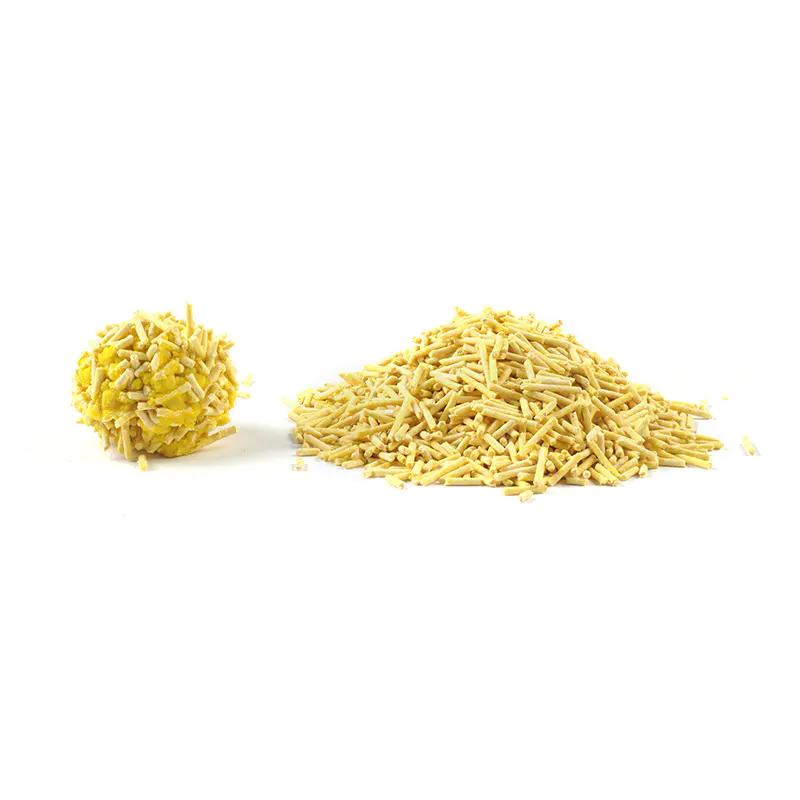
Tofu Cat Litter
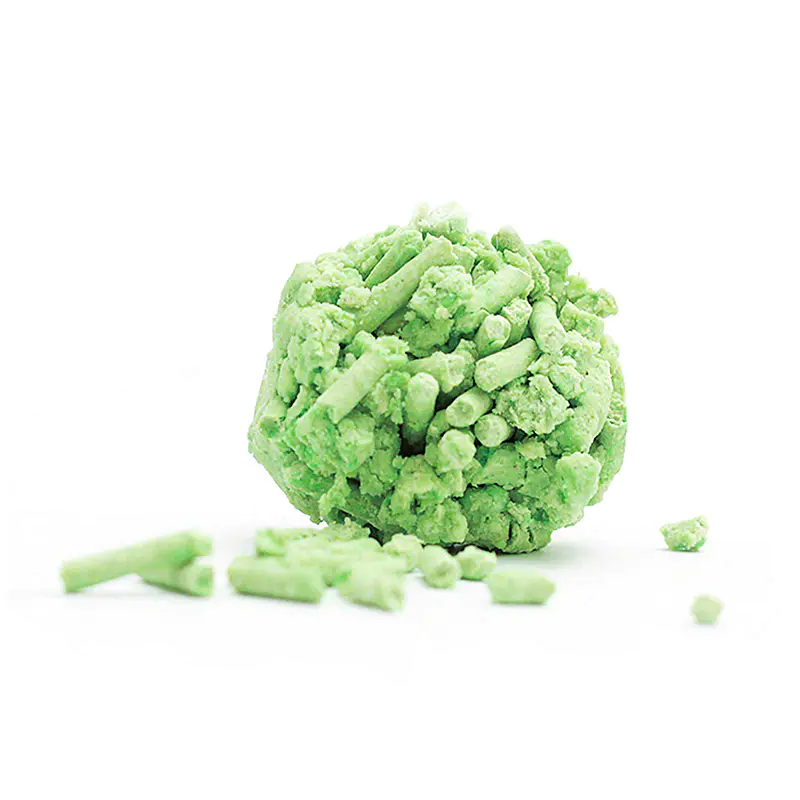
Tofu Cat Litter
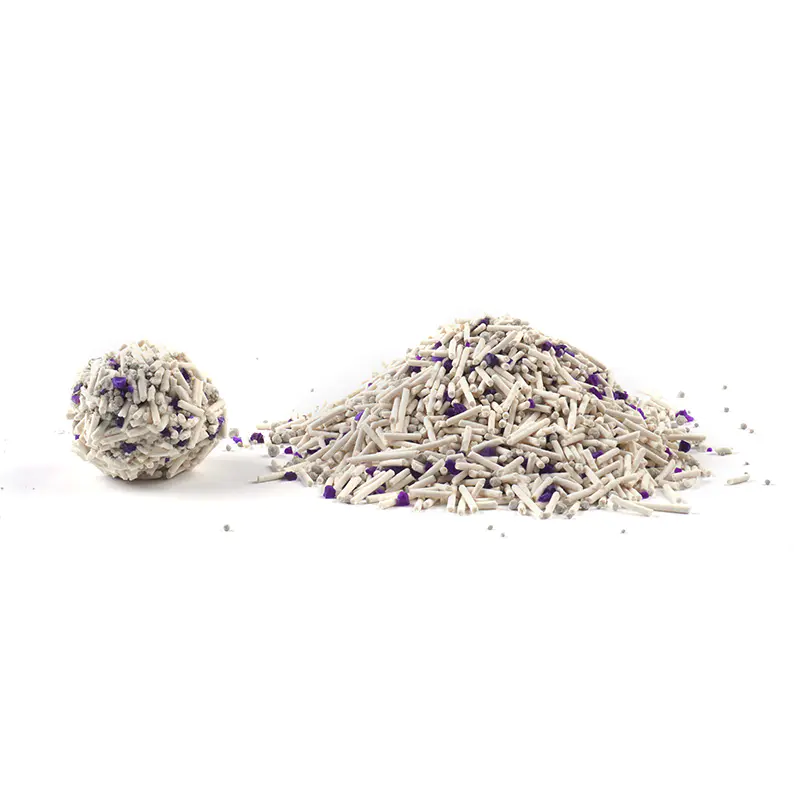
Mixed Cat Litter
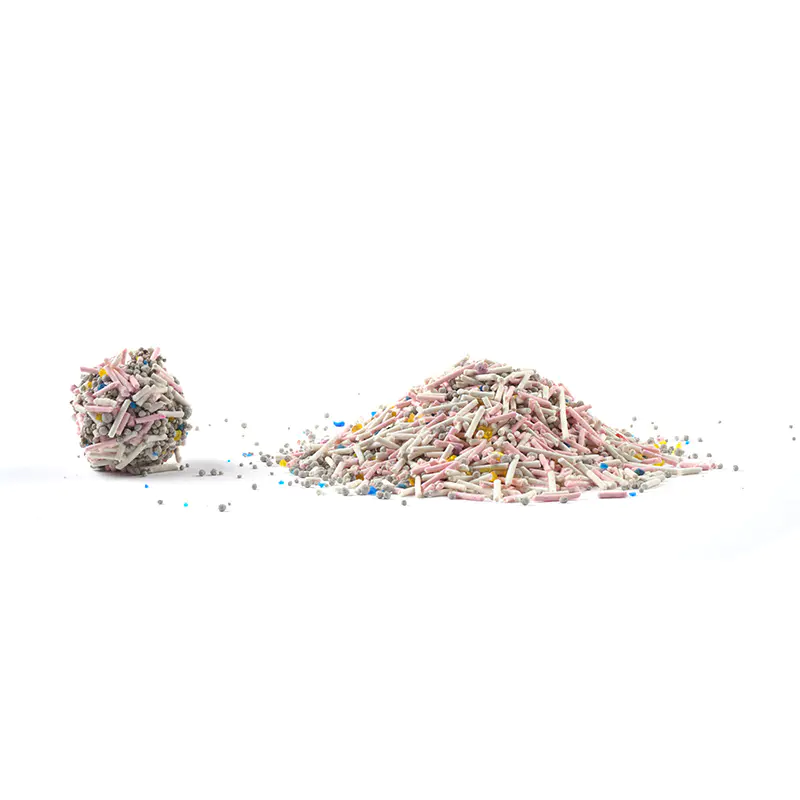
Mixed Cat Litter
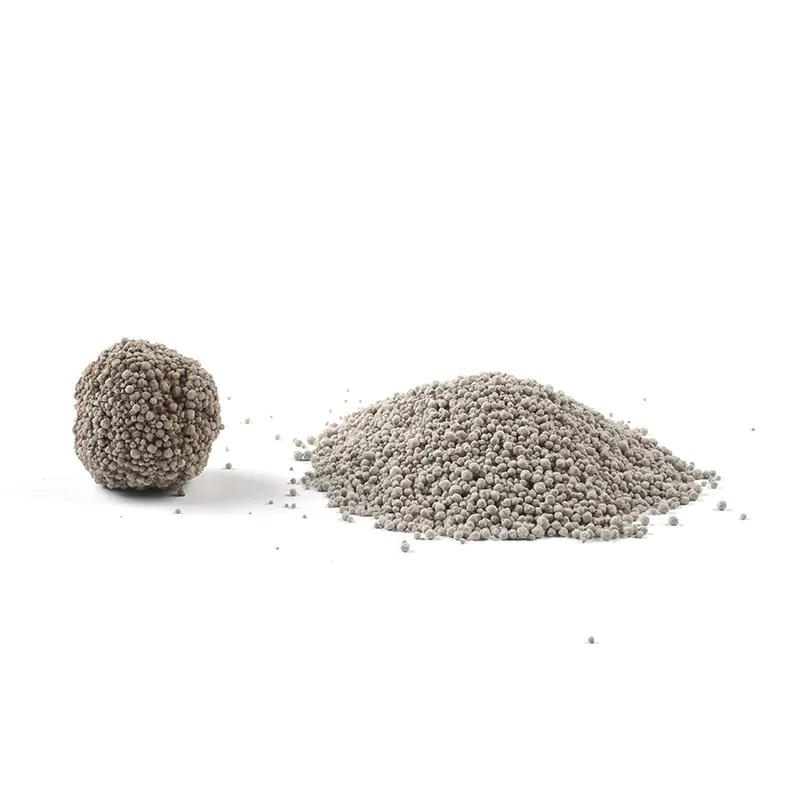
Bentonite Cat Litter


Got Questions? Call us 24/7

+8615263229311
No.88, Quandu Road, Xigang Town, Tengzhou City, Shandong, China. (Sincere Industrial Park)
OEM Cat Litter Manufacturers Bulk Cat Litter Wholesale Biodegradable Cat Litter Company



 English
 русский
 Español
 日本語
日本語 한국어
한국어


