
Industry News
Content
A translucent crystal granule looks simple in the litter tray. Its job is not to swell into a heavy clay clump, but to hold urine inside a network of tiny pores and let moisture move back into the air. That difference explains why silica cat litter, often sold as crystal litter, has a production route closer to desiccant manufacturing than to clay mining.
The short answer: silica cat litter is made from silica gel, a porous form of silicon dioxide. The gel is formed, washed, dried, sized, screened, and tested for absorption, dust, and granule strength before it is packed.
For buyers, the process matters because two bags of crystal litter can share the same label and behave very differently in a tray. Granule strength, pore structure, and dust control are made on the line, not added at the end.
Silica cat litter is made from silica gel, usually a synthetic amorphous silica produced from sodium silicate and an acid, then processed into porous granules. It is not bentonite clay, tofu fiber, or pine. The familiar crystal look comes from the transparency of the dried gel, not from a mineral crystal mined from the ground.
Silica gel is a rigid, porous network of silicon dioxide. In crystal litter, the pore structure stores liquid while the granule surface stays relatively dry, which is why the litter is usually changed less often than clumping clay.
Plants can start from purchased silica gel or from sodium silicate. The second route gives more control over pore size and purity, but it also adds washing and wastewater handling. Color-changing versions use a small share of indicator granules; the base material is still silica gel.
For a deeper look at the absorption mechanism, see this explanation of the science behind silica cat litter.
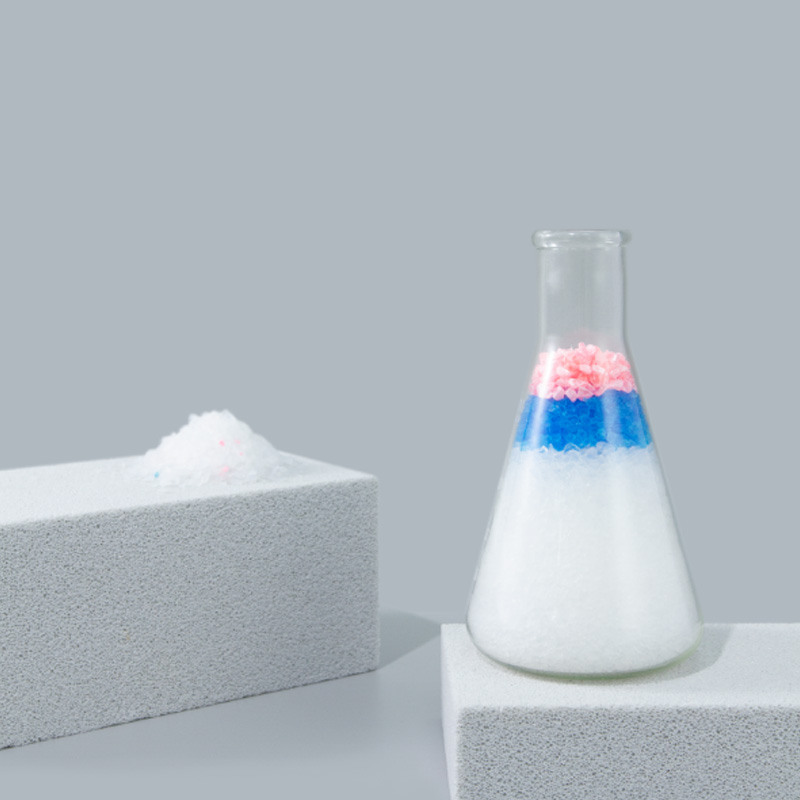 Wholesale Silica Gel Crystal Cat LitterThis wholesale silica gel crystal litter page lists customizable granule sizes, colors, scents, absorbency, and OEM supply details.View Product →
Commercial silica cat litter is made in six controlled stages: feedstock preparation, gel formation, aging and washing, drying, sizing, and final quality checks. The exact equipment varies by plant, but the sequence is consistent because each stage changes the pore structure that does the work.
Drying is where many cheap and premium crystal litters separate. Under-dried granules can feel damp and pack down in the bag; over-dried granules release fines into the tray. Buyers should ask for moisture and dust data, not just a sample photo.
The output is a non-clumping litter in most cases. It stores liquid inside the granule and relies on evaporation and regular solids removal to keep the tray usable.
Washing and drying determine how much liquid a crystal granule can hold and how cleanly it performs over time. A granule with a well-cleaned, open pore network absorbs quickly and releases moisture at a steady rate. A granule with residual salts or collapsed pores may wet slowly, hold odor, or break down into dust.
Crystal litter does not clump by swelling like bentonite. It captures urine inside pores, while solid waste is removed with a scoop. That is why tray depth and regular stirring matter more than a hard clump.
Washing is easy to skip on a cost sheet and hard to hide in a tray. Residual sodium salts can raise pH and interfere with odor control. A buyer reviewing a new supplier should request wash-water data, final pH, and absorption results from more than one lot.
A reliable silica cat litter specification should cover absorption capacity, granule size distribution, dust level, moisture content, pH, and crush strength. These checks map directly to the process stages above, so they reveal whether a supplier controls the line or only inspects the finished bag.
| Stage | What it controls | Practical check |
| Feedstock | Pore structure and purity | Supplier certificate and lot consistency |
| Washing | Residual salts and pH | pH and conductivity results |
| Drying | Moisture and pore activation | Loss on drying and absorption test |
| Screening | Granule uniformity | Sieve analysis and fines content |
| Finishing | Dust and package integrity | Dust test and bag seal check |
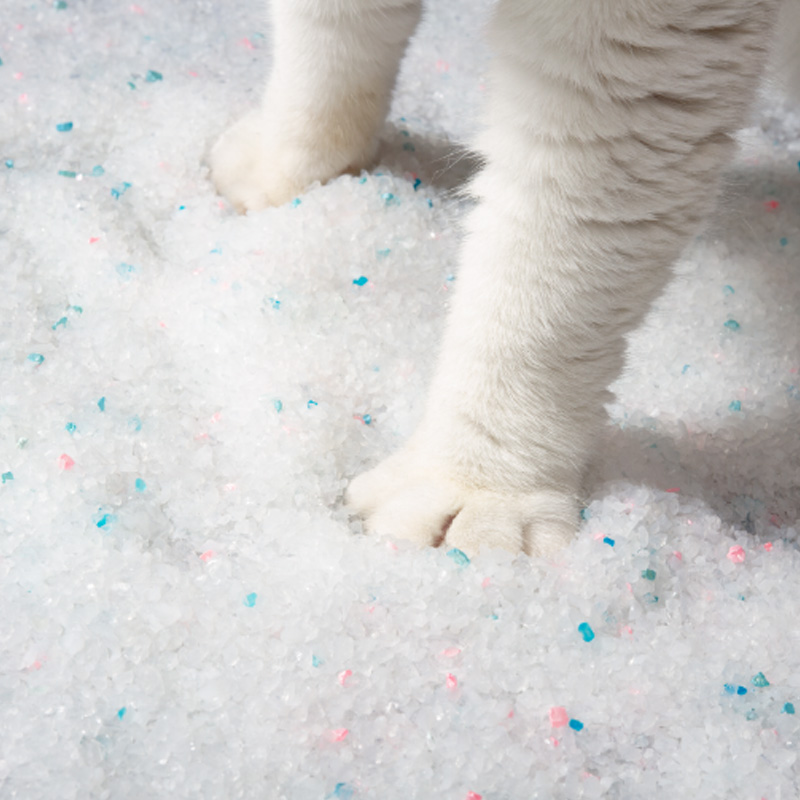 Fine Sand Crystal Cat Litter for Tender PawsUse this page to compare fine-sand granule size, absorbency, paw comfort, and customizable scent or color against supplier specification checks.View Product →
Ask for three production lots, not one. A single sample can be hand-selected; three lots show whether the granule size, dust, and moisture stay inside the agreed range.
For fine-granule products, dust control deserves extra attention. Smaller granules increase surface area and can feel softer under paw, but they also create more fines if screening and bag handling are weak.
For private-label buyers, the manufacturing question becomes a specification question: which silica gel grade, granule size, dust limit, and packaging format will be repeated at scale? A production line can make excellent crystal litter and still fail a retail program if the specification is vague.
Sincere Pet Products produces crystal cat litter within a wider cat litter matrix and supports OEM programs for brand owners and retailers. The useful discussion is not whether a product is crystal litter, but which crystal litter - granule band, absorption target, scent, color indicator, bag size, and pallet pattern. The company's OEM service page outlines the customization route.
 OEM Silica Gel Crystal Cat LitterThis OEM crystal litter page outlines granule sizes, absorbency, customizable colors and logo, and supply options for brand owners comparing usable-tray cost.View Product →
A low price per kilogram can hide high fines, excess moisture, or weak bag seals. Calculate cost per usable tray, not cost per bag, and include a dust limit in the purchase order.
The main production variables are silica gel quality, washing, drying, and granule sizing. These are the questions buyers and cat owners ask most often about how silica cat litter is made.
Use the process as a buying checklist: if a supplier cannot explain washing, drying, and screening, the finished sample is not enough evidence.
No. Silica cat litter is made from silica gel, a porous silicon dioxide material. Bentonite clay litter is a different product made from montmorillonite clay and relies on swelling and clumping.
Most conventional silica crystal litters do not form hard clumps. They absorb urine into the granule and rely on evaporation, stirring, and regular removal of solids. Some blended products add clumping agents, so check the label.
Dust usually comes from over-drying, weak granules, or poor fines removal after screening. It can also increase when bags are handled roughly in transit. A dust specification and lot testing are more useful than a visual check alone.
Silica gel is widely used in cat litter, but quality and dust control matter. Choose products with clear use instructions, keep the tray away from food and water, and introduce the litter gradually if a cat is used to clay or plant fiber.
Tofu Cat Litter
Tofu Cat Litter
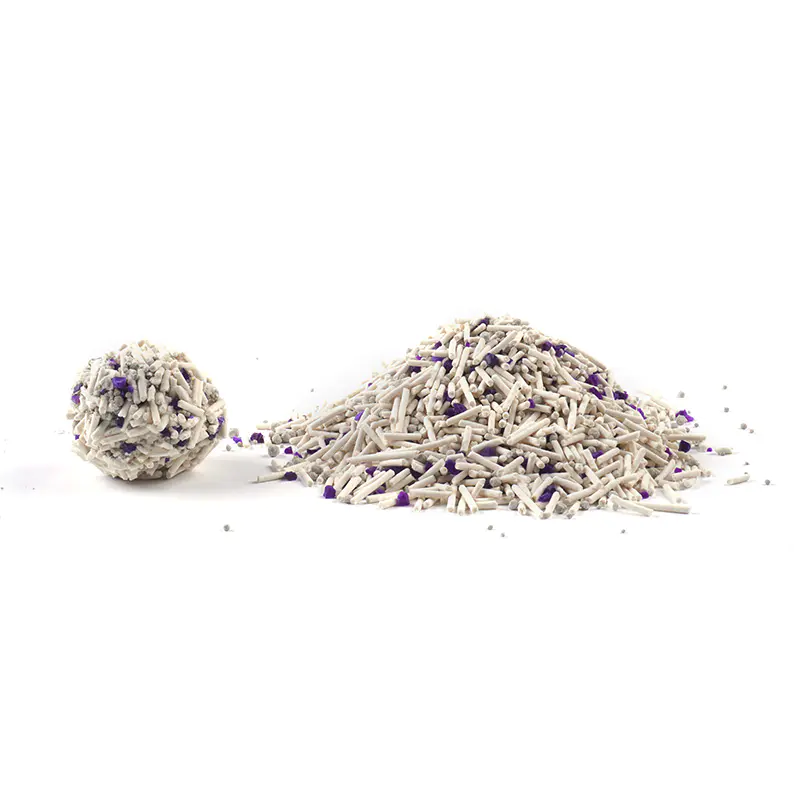
Mixed Cat Litter
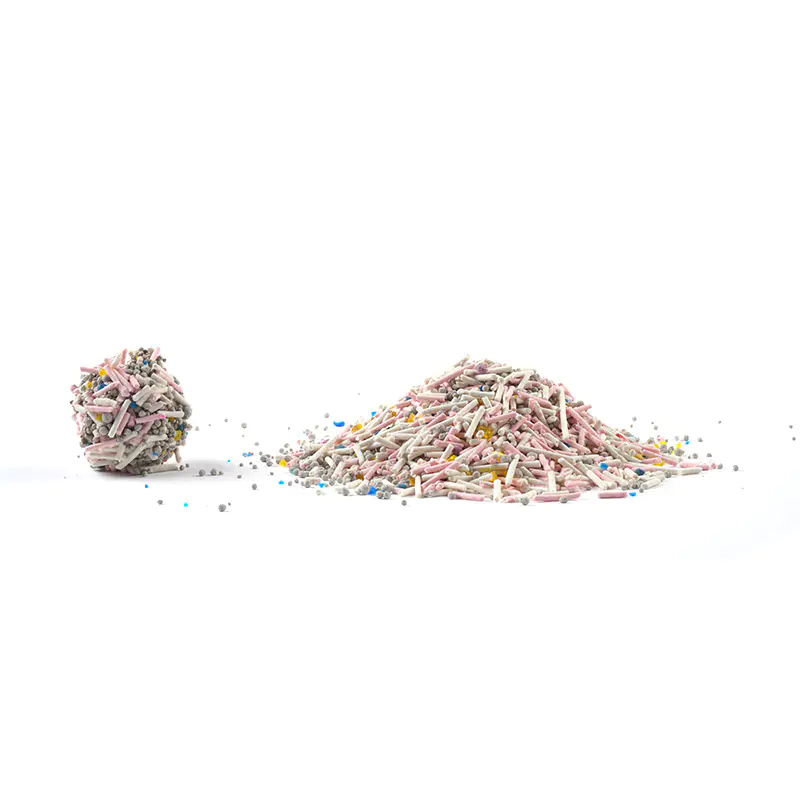
Mixed Cat Litter
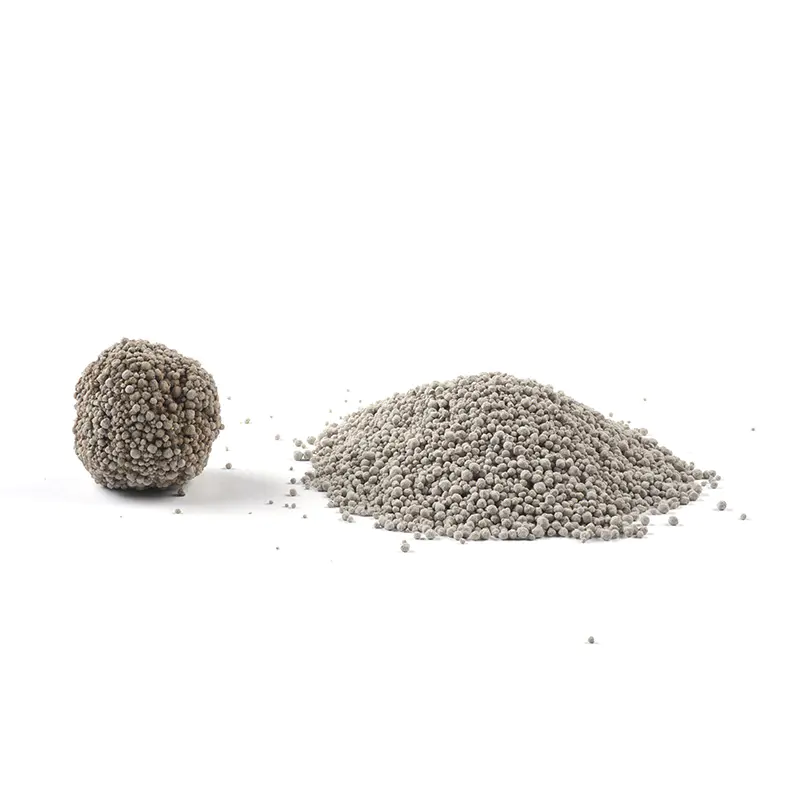
Bentonite Cat Litter


Got Questions? Call us 24/7

+8615263229311
No.88, Quandu Road, Xigang Town, Tengzhou City, Shandong, China. (Sincere Industrial Park)
OEM Cat Litter Manufacturers Bulk Cat Litter Wholesale Biodegradable Cat Litter Company



 English
 русский
 Español
 日本語
 한국어


