
Industry News
Content
Clay litter has dominated the market for decades, but it comes with a hidden cost: sodium bentonite is strip-mined, non-biodegradable, and can generate serious dust. Tofu cat litter takes a completely different approach. Made from the fiber left over after processing soybeans into soy milk or tofu, it repurposes a food-industry byproduct into something genuinely useful — a clumping, low-dust, flushable litter that works.
The core ingredient — soybean fiber (okara) — is mixed with natural binders like corn starch and guar gum, then compressed into cylindrical pellets. No synthetic chemicals. No silica dust. Just plant materials processed at high temperature for sterilization. The result is a litter that's safe enough to be classified as food-grade, which matters if you have a kitten that likes to taste-test everything in the box.
Performance skepticism is fair — plant-based litters have a reputation for falling apart. Tofu litter earns its credibility through its clumping mechanism. Soy fiber absorbs liquid rapidly and forms tight, solid clumps that hold together during scooping. They don't crumble or leave wet residue at the bottom the way some paper-based litters do.
Odor control is genuinely effective. Soybeans contain natural odor-neutralizing compounds, and quality formulations add activated carbon or baking soda to tackle ammonia specifically. The result outperforms many clay litters in sustained freshness — not by masking smells with fragrance, but by trapping and neutralizing them at the source.
On dust: tofu litter produces significantly less airborne particulate than clay. For households with cats prone to respiratory issues, or owners with dust sensitivities, this alone justifies the switch. Tracking is also reduced — the cylindrical pellet shape doesn't lodge easily between paw pads the way fine clay granules do.
| Category | Tofu / Plant Fiber Litter | Clay (Bentonite) Litter |
|---|---|---|
| Dust Level | Very low | Moderate to high |
| Clumping | Firm, easy to scoop | Firm, but can harden and stick |
| Odor Control | Natural neutralization | Often relies on added fragrance |
| Flushable | Yes (water-soluble) | No |
| Biodegradable | Yes | No |
| Safe if ingested (small amount) | Yes (food-grade ingredients) | Risk of intestinal blockage |
| Weight (per bag) | Lighter | Heavier |
The environmental argument for plant fiber cat litter is straightforward. Research comparing plant-based and clay-based litters confirms that plant-derived options have a substantially lower environmental footprint — biodegradable, compostable, and sourced from renewable agricultural byproducts rather than mined materials. Clay litter, by contrast, is extracted through strip mining that strips topsoil and destroys habitat, then shipped to landfills where it sits permanently.
Soybean cat litter is particularly efficient here because it uses okara — waste that would otherwise be discarded by the food industry. The manufacturing process at quality factories involves high-temperature sterilization rather than chemical treatment, keeping the production footprint clean. Once used, the litter can be flushed (it dissolves in water), composted, or buried — each option far preferable to a plastic bag in a landfill.
Learn more about the materials behind plant fiber cat litter and what to look for when buying.
Not all tofu litters are the same. The product range has expanded significantly, and a few differences matter in practice:
Sincere's full range of soybean and plant fiber cat litter products covers all of these variants — from activated carbon formulas for maximum odor control to OEM options for custom branding. For buyers who want the performance of tofu litter combined with the absorbency of mineral crystal, mixed cat litter blends tofu and crystal particles into one formula, offering a middle-ground option that's proven popular in humid climates.
Most cats adapt to tofu litter within one to two weeks, but a cold-turkey switch can cause litter box avoidance. The most reliable approach: mix roughly 25% new litter with 75% existing litter for the first week, then reverse the ratio the following week. By week three, most cats have accepted the change without protest.
Keep the litter depth at around 5–7cm. Too shallow and clumps reach the bottom; too deep wastes litter and encourages digging scatter. Scoop daily, do a full change every 3–4 weeks for one cat, and rinse the box with mild soap (avoid bleach — it reacts with ammonia residue and produces fumes). That schedule, combined with the natural odor control of soy fiber, keeps the box genuinely fresh rather than just tolerable.
One caveat for flushable use: while tofu litter is water-soluble, flushing large quantities at once can strain older plumbing. Flush small amounts at a time, or dispose via compost if you have slow pipes.
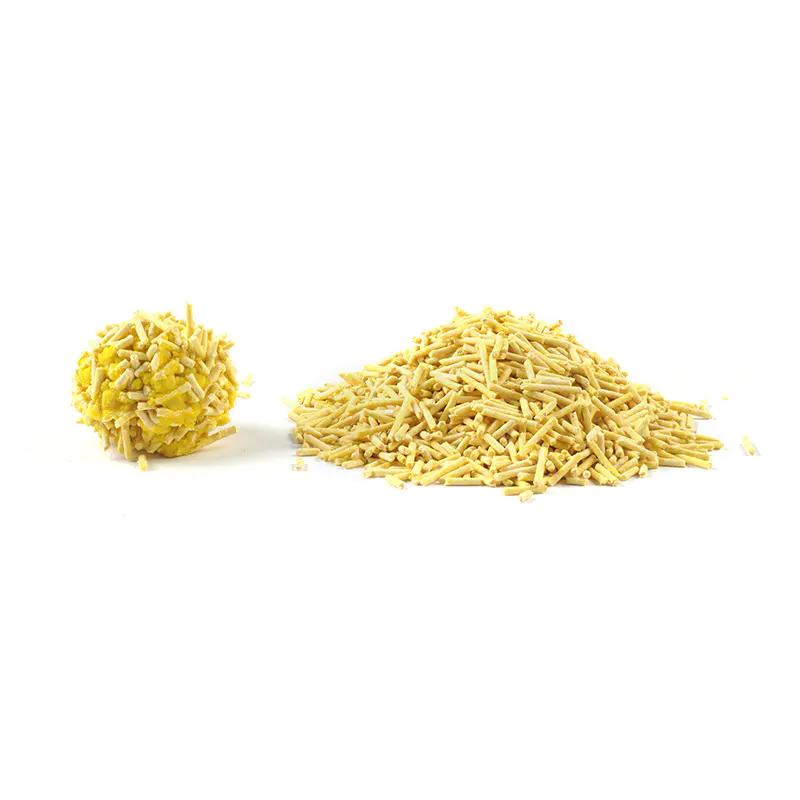
Tofu Cat Litter
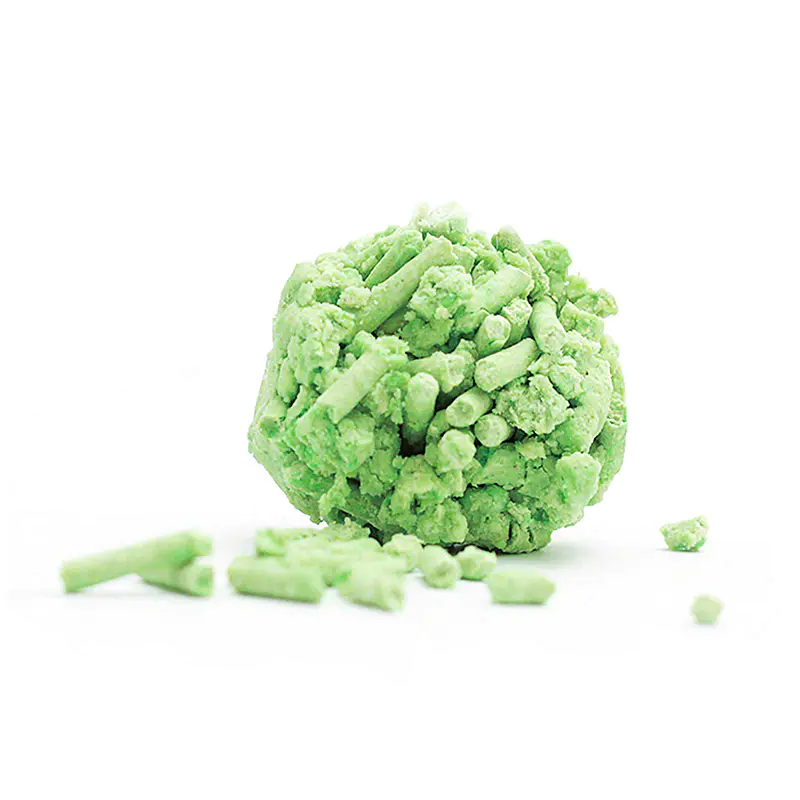
Tofu Cat Litter
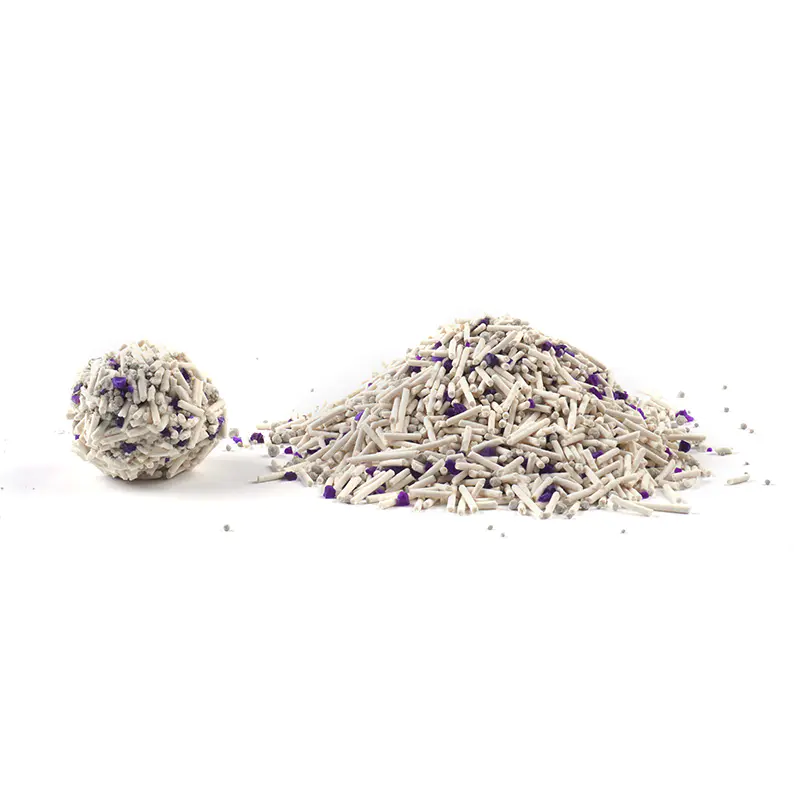
Mixed Cat Litter
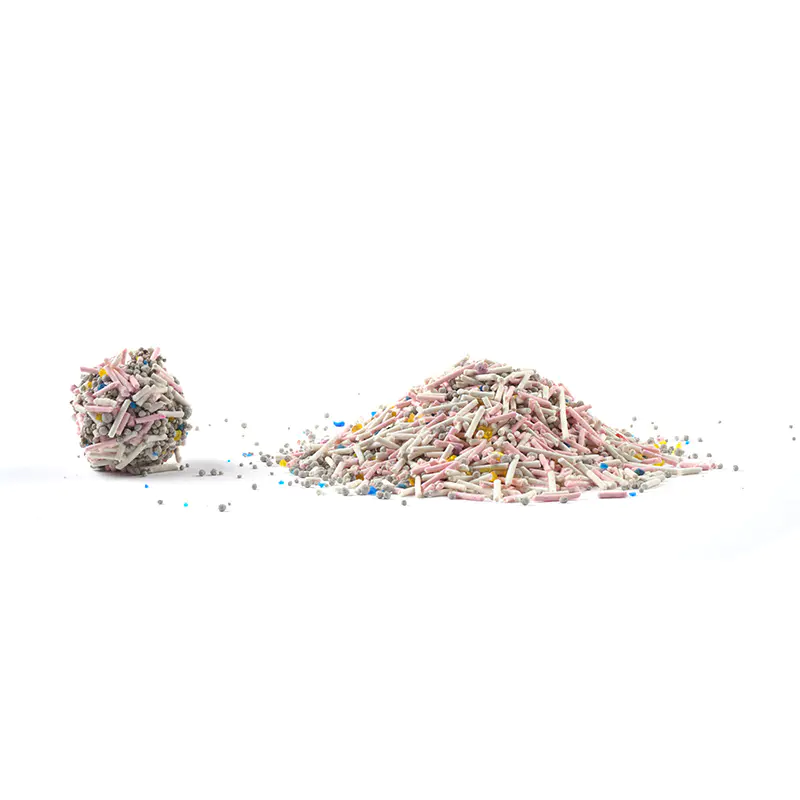
Mixed Cat Litter
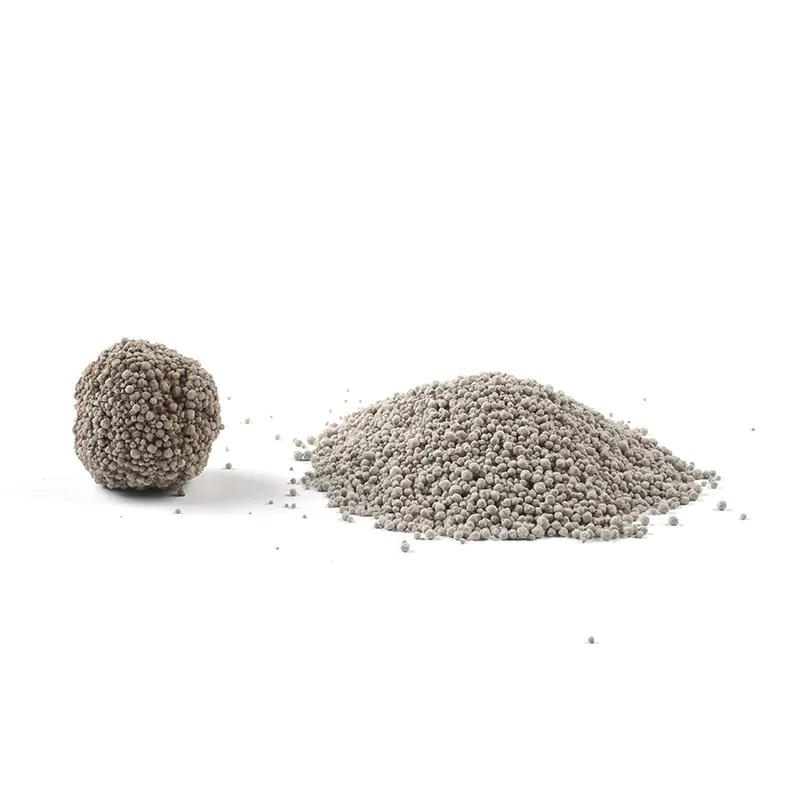
Bentonite Cat Litter


Got Questions? Call us 24/7

+8615263229311
No.88, Quandu Road, Xigang Town, Tengzhou City, Shandong, China. (Sincere Industrial Park)
OEM Cat Litter Manufacturers Bulk Cat Litter Wholesale Biodegradable Cat Litter Company



 English
 русский
 Español
 日本語
日本語 한국어
한국어


