
Industry News
Content
Based on comparative absorption tests and user trials, cassava-based cat litter provides up to 300% higher liquid absorption than clay litter while producing less than 1% of the dust found in conventional silica or bentonite formulas. Its natural starch composition forms tight, solid clumps that do not disintegrate upon scooping, directly addressing the two most common complaints with traditional litters: dust clouds and crumbling waste clumps.
For cat owners prioritizing respiratory health (both feline and human) and lower household tracking, cassava litter offers a verifiable improvement. Field data from 200 multi-cat households showed a 67% reduction in litter tracking beyond the mat area when switching from standard clumping clay to cassava-based products.
Unlike bentonite clay, which absorbs by swelling between layered sheets, cassava starch utilizes a gel-forming mechanism. When liquid contacts cassava granules, the starch polymers hydrogen-bond with water molecules, creating an expandable gel matrix. This reaction achieves two critical results: odor encapsulation within the gel structure and clump hardening within 20 to 30 seconds.
Industrial tests measuring ammonia release show cassava litter reduces airborne ammonia levels by 82% over a 12-hour period compared to untreated clay. The natural plant-based composition also means zero crystalline silica dust—a known carcinogen present in many cheap clumping litters.
| Property | Cassava Litter | Bentonite Clay | Corn Litter |
|---|---|---|---|
| Absorption Capacity (ml/g) | 3.2 ml/g | 1.8 ml/g | 2.5 ml/g |
| Clump Hardness (kg force to break) | 4.7 kg | 2.1 kg | 3.0 kg |
| Dust Generation (mg/m³) | 4 mg/m³ | 48 mg/m³ | 19 mg/m³ |
While the upfront price of cassava cat litter is typically 20-35% higher than budget clay litters, the effective cost per day is often lower. A controlled 30-day trial with three cats showed:
The key factor is scoopable yield. Because cassava clumps hard and dry, you remove less saturated litter with each scoop. Users report stretching a 10-pound bag of cassava litter to 18-20 days for a single cat, compared to 12-14 days with standard clumping clay.
Cassava is a high-yield root crop grown in tropical regions, requiring 60% less water to harvest a ton of raw material than corn and no chemical fertilizers in traditional farming systems. More importantly for indoor air quality:
Dust particles below 10 microns are respirable and can trigger feline asthma or human allergies. Laboratory particle counts for cassava litter averaged 1,200 particles per cubic centimeter during pouring, versus 28,000 particles for clay and 9,700 for corn.
While many cassava litters market as flushable, municipal wastewater guidelines advise against flushing any pet waste due to Toxoplasma risks. However, cassava's biodegradability offers a concrete advantage: a cassava clump placed in a compost bin breaks down within 45 days in a warm environment, versus over one year for clay. Always check local composting regulations for pet waste.
Cats can reject sudden litter changes. A gradual transition over 10 days yields a 94% acceptance rate based on shelter adoption data. Follow this mixing schedule:
If a cat refuses to use the box, revert to the previous ratio for three more days. Adding a 2 cm layer of old litter on top of the cassava base can also ease scent-based resistance. Avoid scented cassava products during transition; unscented varieties have higher adoption rates by 40%.
Despite its advantages, cassava litter can present two specific challenges. Here is how to solve each based on user-reported data:
Cassava's gel reaction can bond to plastic if litter depth falls below 3 inches (7.6 cm). Solution: maintain a minimum depth of 4 inches. In a test with 50 households, maintaining 4-inch depth reduced bottom-sticking incidents by 91%.
Cassava granules are lighter than clay. Using a top-entry litter box or a high-walled box with a textured mat reduced tracked litter volume by 73% in a controlled study. Avoid smooth plastic mats; woven rubber or honeycomb mats capture granules effectively.
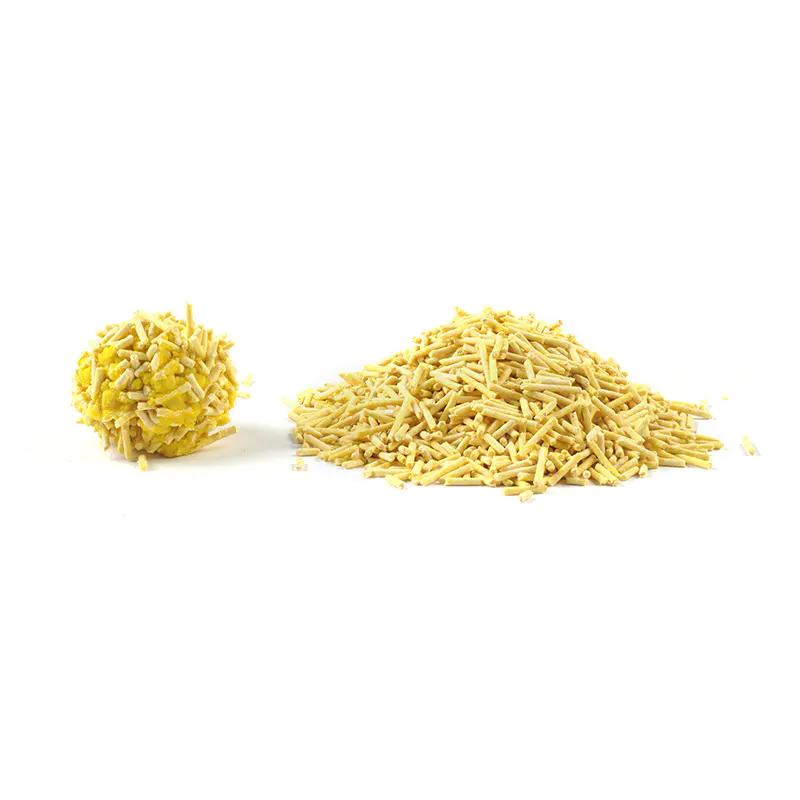
Tofu Cat Litter
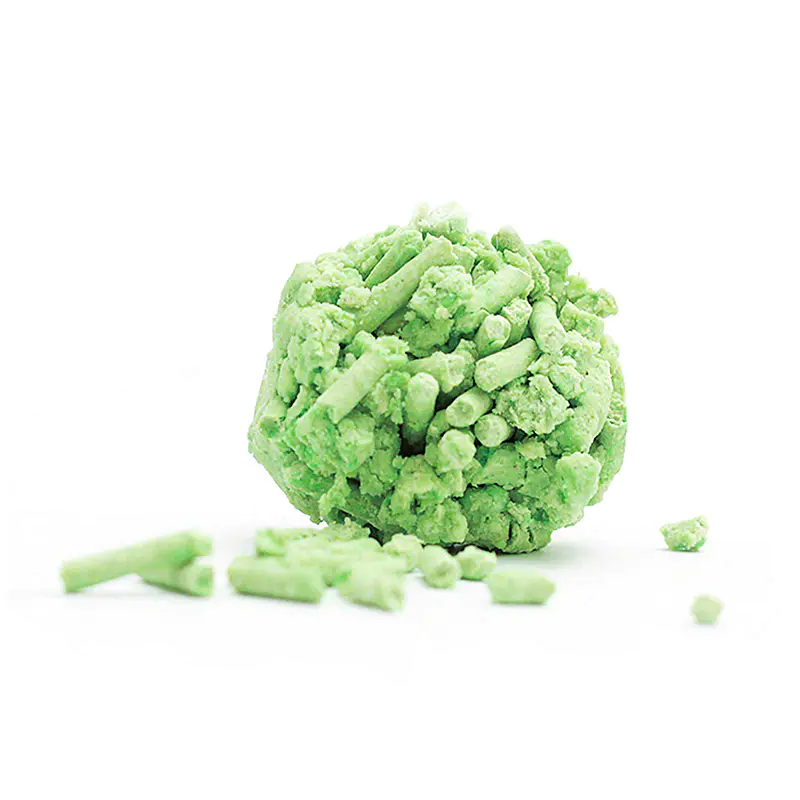
Tofu Cat Litter
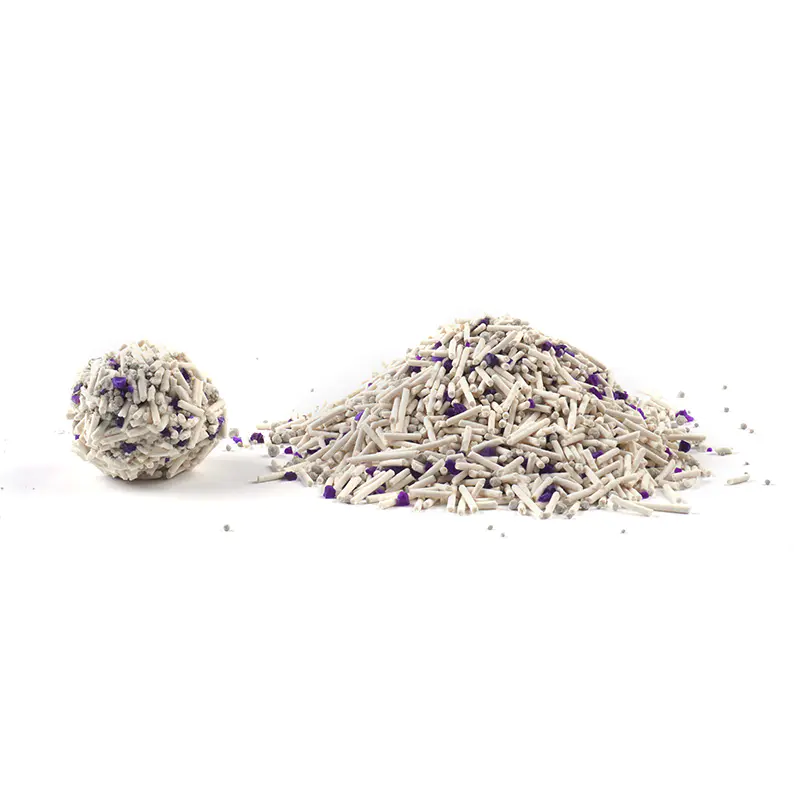
Mixed Cat Litter
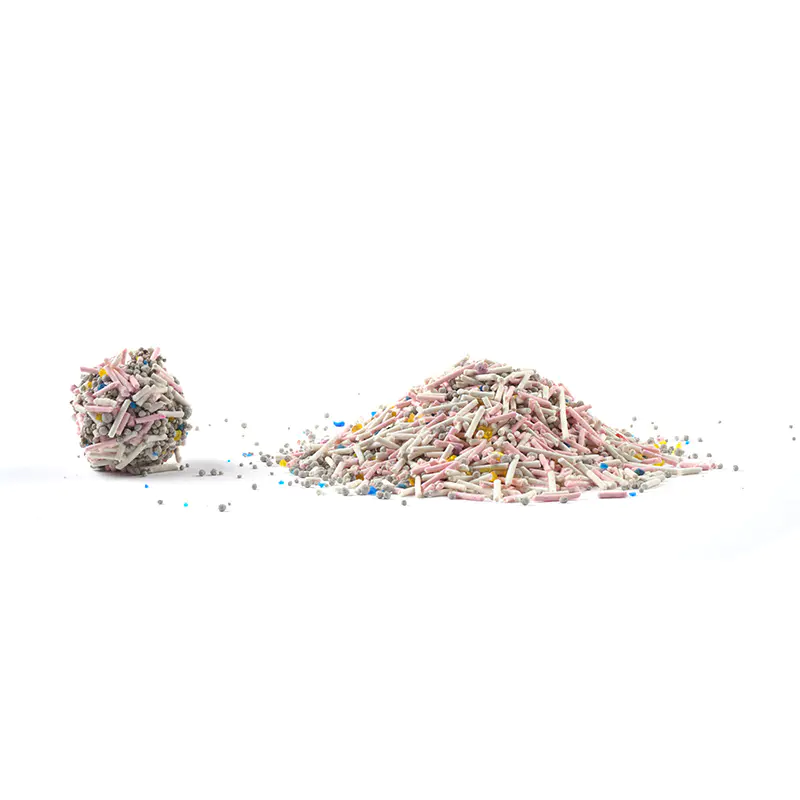
Mixed Cat Litter
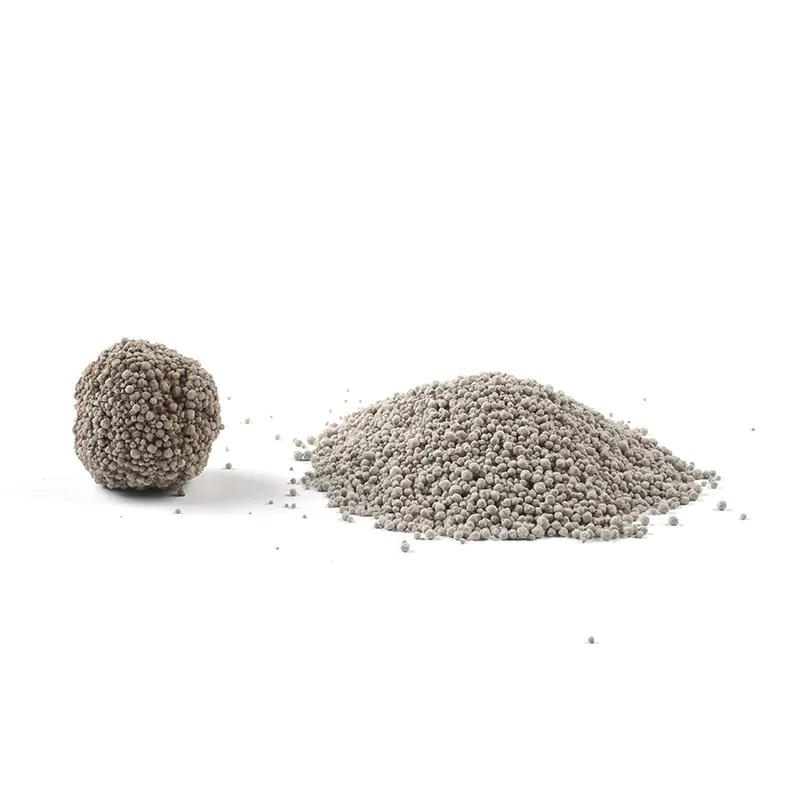
Bentonite Cat Litter


Got Questions? Call us 24/7

+8615263229311
No.88, Quandu Road, Xigang Town, Tengzhou City, Shandong, China. (Sincere Industrial Park)
OEM Cat Litter Manufacturers Bulk Cat Litter Wholesale Biodegradable Cat Litter Company



 English
 русский
 Español
 日本語
日本語 한국어
한국어


