
Industry News
Content
Cassava cat litter is a plant-based, biodegradable litter made from the starch-rich root of the cassava plant. It clumps firmly on contact with moisture, controls odor naturally, and breaks down completely in compost or water, making it one of the most practical and eco-friendly alternatives to conventional clay litters available today.
Cat owners who have made the switch frequently cite three core reasons: it is flushable in most standard plumbing systems, it produces minimal dust, and it is free from synthetic chemicals or fragrances. For households with cats that have respiratory sensitivities, these qualities matter enormously.
The manufacturing process begins with cassava root, a starchy tuber grown widely across South America, Africa, and Southeast Asia. The root is dried, processed into granules or pellets, and sometimes blended with other natural binders such as corn starch to improve clumping performance.
Unlike sodium bentonite clay, which is strip-mined and does not decompose, cassava-based granules are entirely organic. The starch content in cassava absorbs liquid at roughly 3 to 4 times its own weight, creating tight, scoopable clumps that do not crumble easily when lifted.
Some formulations include added green tea extract or activated charcoal as natural odor neutralizers, though the cassava starch itself has mild odor-absorbing properties due to its porous cellular structure.
Understanding how cassava litter compares to other popular options helps cat owners make a better decision for their specific needs and environment.
| Litter Type | Clumping | Flushable | Dust Level | Biodegradable | Avg. Cost per Month |
|---|---|---|---|---|---|
| Cassava | Strong | Yes | Very Low | Yes | $18 - $30 |
| Clay (Bentonite) | Very Strong | No | High | No | $10 - $18 |
| Corn | Moderate | Yes | Low | Yes | $20 - $32 |
| Pine | Weak | Sometimes | Low | Yes | $15 - $25 |
| Silica Gel | None | No | Very Low | No | $20 - $35 |
Cassava litter holds a competitive position across nearly every metric. Its main drawback compared to clay is a slightly higher price point, though many cat owners find the reduced dust and disposal convenience justifies the difference.
The natural starches in cassava bind urine into compact, solid clumps within seconds. Most cassava litters form clumps firm enough to lift cleanly after just 30 to 60 seconds, leaving dry litter surrounding the clump intact. This reduces waste and extends the usable life of each bag. Cat owners using a 10-pound bag typically report it lasts one cat approximately 3 to 4 weeks with daily scooping.
Traditional clay litters release fine silica particles when poured or disturbed. These particles have been linked to respiratory irritation in both cats and humans with prolonged exposure. Cassava granules are larger and denser, producing dust levels measured at less than 0.1% in standardized testing for several commercial formulations. For cats with asthma or brachycephalic breeds prone to breathing difficulties, this difference is clinically significant.
Cats routinely groom their paws after using the litter box, meaning trace amounts of litter are inevitably ingested. Cassava is a food-grade crop, the same plant used to make tapioca. Unlike clay, which can cause gastrointestinal blockages if swallowed in quantity, or silica crystals, which are classified as potentially hazardous, cassava granules pass through a cat's digestive system without harm. This is especially reassuring for kittens, who tend to investigate everything with their mouths.
One of the most appreciated practical features of cassava litter is its flushability. Because it dissolves in water rather than swelling and hardening like clay, small quantities can be flushed down most standard toilets without causing blockages. However, flushing should always be done in small amounts, one or two scoops at a time, to prevent overloading pipes. It is also worth noting that cat feces should not be flushed in areas where water systems are sensitive to the Toxoplasma gondii parasite, as some municipal water treatment plants cannot fully eliminate it.
For composting, used cassava litter (urine clumps only, not feces) can be added to a dedicated outdoor compost pile. It fully breaks down within 4 to 8 weeks in active compost conditions.
Many conventional litters mask odors with heavy artificial perfumes that can be off-putting or irritating to cats, whose sense of smell is roughly 14 times more acute than a human's. Cassava litter controls odor through absorption rather than masking. The starch granules trap ammonia molecules within their structure, neutralizing the primary source of litter box smell. In independent odor tests comparing cassava to scented clay over a 48-hour period, cassava consistently scored equally well or better on odor containment without any added fragrance.
Cassava litter is an excellent product for most households, but it is not without limitations. Being aware of these helps set realistic expectations.
Cats are creatures of habit and can reject a new litter if the change is too abrupt. A gradual approach significantly increases acceptance rates. The following method works well for most cats.
If your cat shows avoidance at any stage, pause the transition and hold that ratio for an additional week before continuing. Placing the new litter box beside the old one during the transition can also encourage exploration without forcing a choice.
For cassava litter to clump effectively, a fill depth of at least 3 to 4 inches is recommended. Too shallow a layer means urine reaches the bottom of the box before clumping fully, creating a sticky layer that sticks to the box surface and is difficult to remove.
Scoop at least once daily. Since cassava clumps hold their shape well, daily removal prevents odor buildup and keeps the remaining litter fresh for longer. For households with multiple cats, twice-daily scooping is advisable.
Even with regular scooping, a full litter change should be done every 3 to 4 weeks for a single-cat household. During this time, clean the litter box itself with mild soap and water, allow it to dry fully, then refill. Avoid using strongly scented cleaning products, as cats may refuse to use a box that smells of bleach or citrus.
The environmental case for cassava litter is substantial. Approximately 8 billion pounds of clay cat litter end up in landfills across the United States every year, where it remains essentially unchanged for centuries. Cassava litter, by contrast, degrades within weeks under composting conditions or months in a standard landfill environment.
Cassava itself is one of the most resource-efficient crops in the world. It grows in poor soils with minimal irrigation, requires few pesticides, and produces high yields per hectare. The agricultural footprint of cassava litter production is significantly smaller than the strip-mining operations required for bentonite clay extraction, which permanently destroys ecosystems and topsoil at mining sites.
For cat owners committed to reducing their household environmental impact, cassava litter is one of the more meaningful switches they can make. A household with two cats produces roughly 15 to 20 pounds of used litter per month; switching to cassava eliminates that entire volume from the landfill waste stream.
Cassava litter is an excellent fit for the following situations:
It may not be the ideal choice for owners on a very tight budget who prioritize raw cost over all other factors, or for cats with extremely strong preferences for the texture and weight of clay litter who resist any change despite a gradual transition process.
For most households, the combination of strong clumping, low dust, natural safety, and environmental responsibility makes cassava cat litter one of the most well-rounded options available today. The slightly higher cost is a genuine consideration, but for the majority of cat owners, the practical and health-related benefits easily justify the investment.
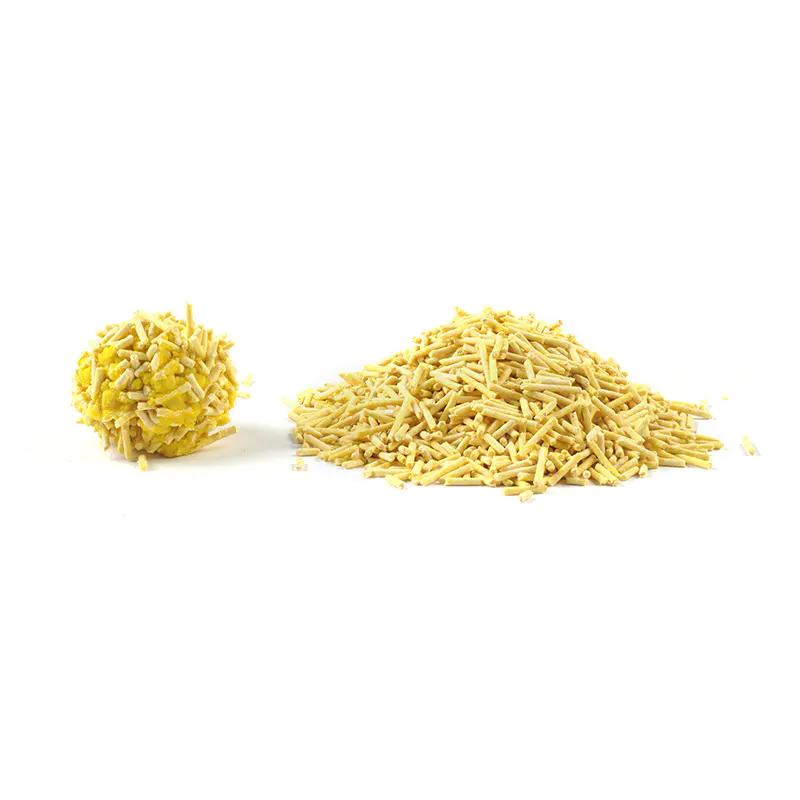
Tofu Cat Litter
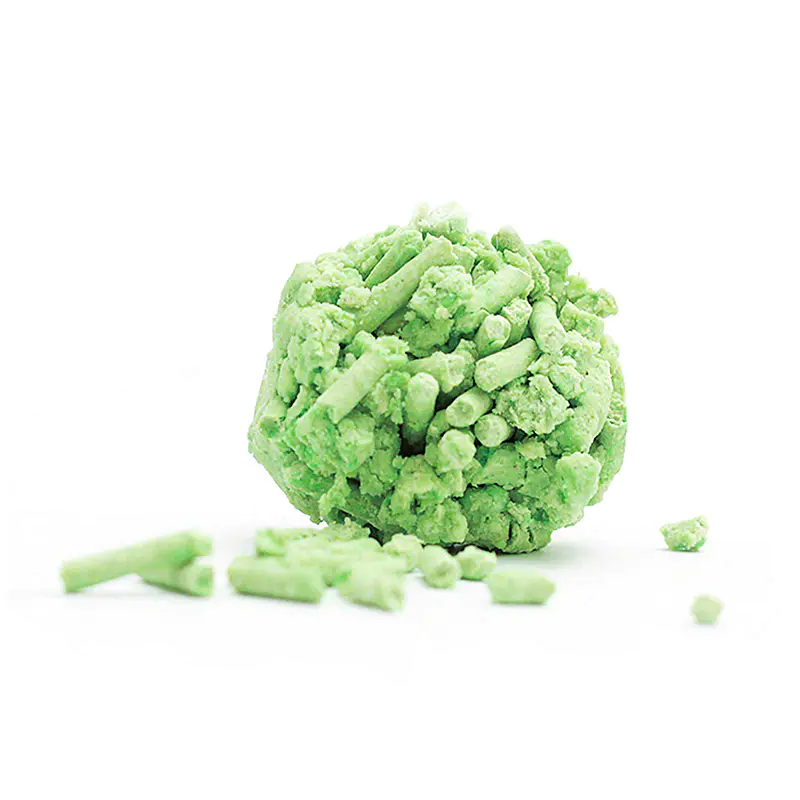
Tofu Cat Litter
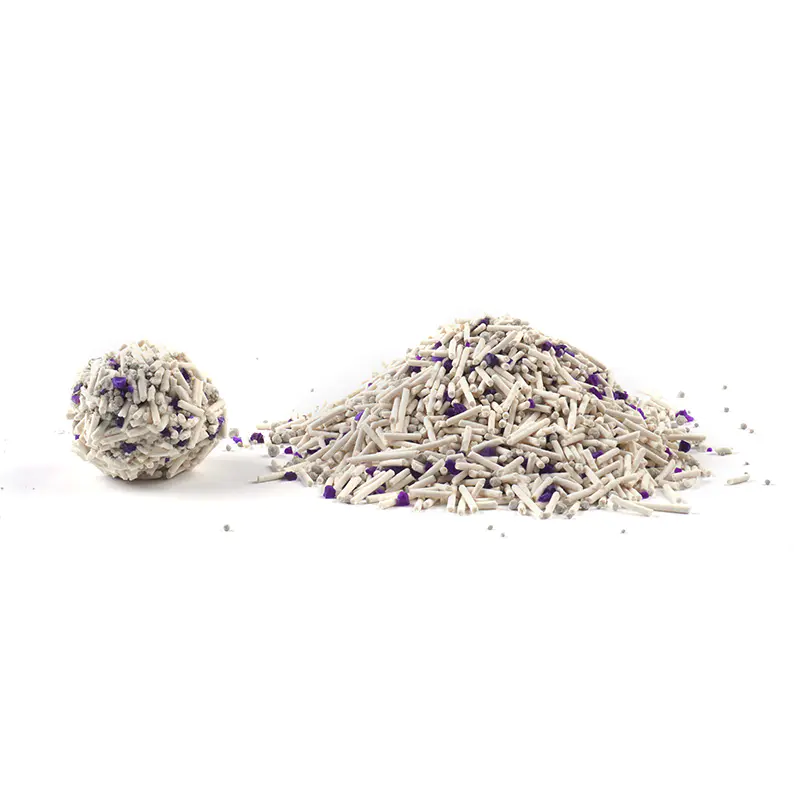
Mixed Cat Litter
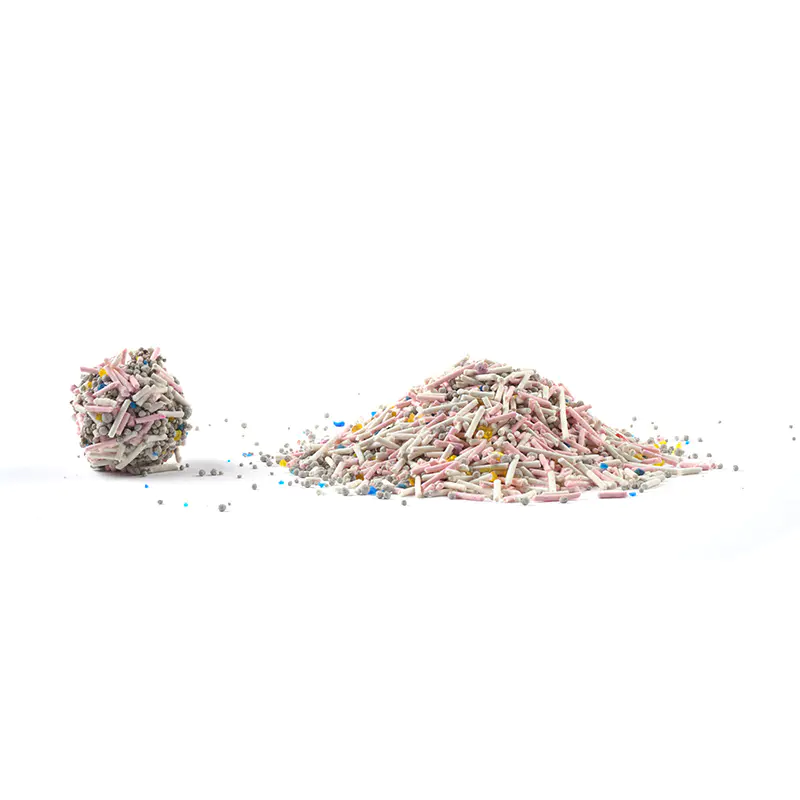
Mixed Cat Litter
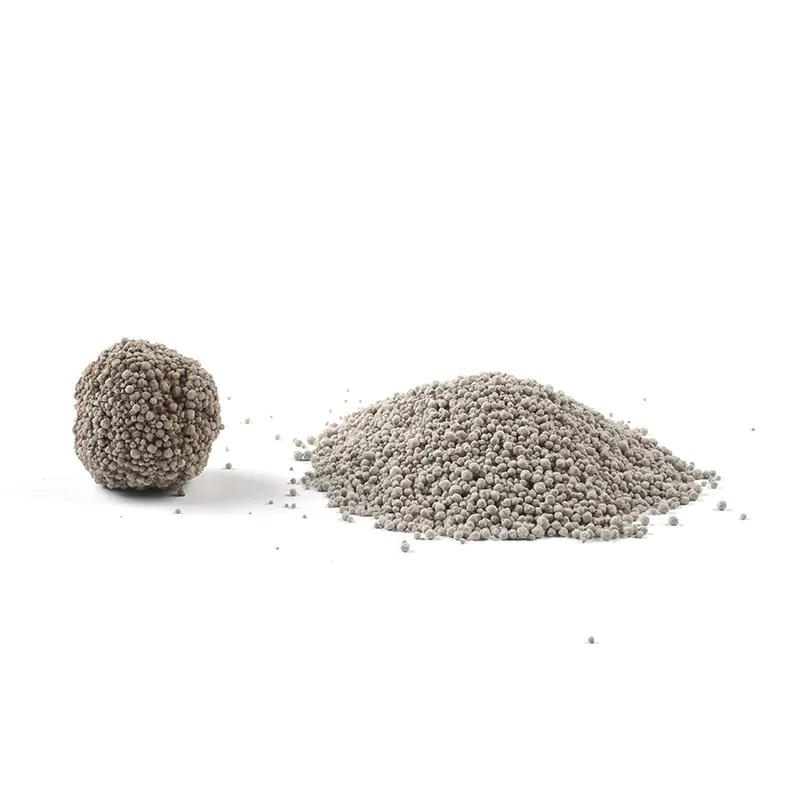
Bentonite Cat Litter


Got Questions? Call us 24/7

+8615263229311
No.88, Quandu Road, Xigang Town, Tengzhou City, Shandong, China. (Sincere Industrial Park)
OEM Cat Litter Manufacturers Bulk Cat Litter Wholesale Biodegradable Cat Litter Company



 English
 русский
 Español
 日本語
日本語 한국어
한국어


