
Industry News
Content
Cassava cat litter is a plant‑based litter made from the cassava root (also known as tapioca). Unlike traditional clay or silica litters, cassava litter leverages a renewable agricultural resource, offering pet owners an environmentally responsible alternative. It’s increasingly popular due to its biodegradability, low dust, and strong odor control. In this section, you’ll learn the fundamental differences between cassava litter and conventional litters, and why many cat guardians are switching.
Cassava cat litter is fully biodegradable, meaning it breaks down naturally when composted or discarded properly. Unlike nonrenewable clay, which is strip‑mined and contributes to habitat destruction, cassava litter supports sustainable agriculture. If reducing your environmental footprint is a priority, this is one of the strongest benefits.
Many cat litters produce fine dust that can irritate both human and feline respiratory systems. Cassava cat litter typically generates very little dust during use, reducing the risk of asthma triggers and keeping your home cleaner. This is especially important in homes with multiple cats or with individuals who have allergies.
Cassava fibers have natural absorbent properties that draw moisture away from the surface of waste. This means clumps form quickly and odors are trapped more effectively than with some lightweight litters. For households with strong odor concerns, cassava litter delivers reliable performance without harsh chemical fragrances.
Switching to cassava litter may require small adjustments to your routine. Follow these practical steps to ensure your cat adapts comfortably and you get maximum performance.
Some cats may be sensitive to changes in litter texture or scent. To ease the transition:
| Feature | Cassava Cat Litter | Clay Cat Litter | Silica Gel Litter |
| Biodegradable | Yes | No | Partial |
| Dust Level | Low | High | Low |
| Odor Control | Strong | Moderate | Strong |
| Clumping | Good | Varies | Excellent |
Cassava is non‑toxic and generally safe for cats. However, if your cat has specific health conditions, such as respiratory issues, consult your veterinarian before making significant changes. Always monitor your pet’s behavior and stool quality after switching litters.
The low dust nature of cassava litter helps reduce airborne particles. Still, regular cleaning and handwashing after handling litter are recommended. If you or a family member have allergies, keep the litter box in a well‑ventilated area.
Cassava cat litter may cost slightly more than basic clay litters because of its sustainable sourcing and production process. However, many owners find the benefits justify the price. You can typically find cassava litter online, in eco‑friendly pet stores, or specialty pet sections at larger retailers. Buying in bulk often reduces the per‑bag cost. Always compare prices and read customer reviews to ensure quality and value.
Even though cassava litter is biodegradable, most municipal systems do not advise flushing cat litter due to risks of clogging and pathogen transmission. Composting in a dedicated system (not for food gardens) is a safer option.
A full litter change every 2–4 weeks is typical, depending on the number of cats, box usage, and odor levels. Frequent scooping keeps the litter fresh and extends its usable life.
Yes. Cassava litter is generally safe for kittens, but during the earliest weeks, it may be best to choose a non‑clumping option until they are older and less likely to ingest litter.
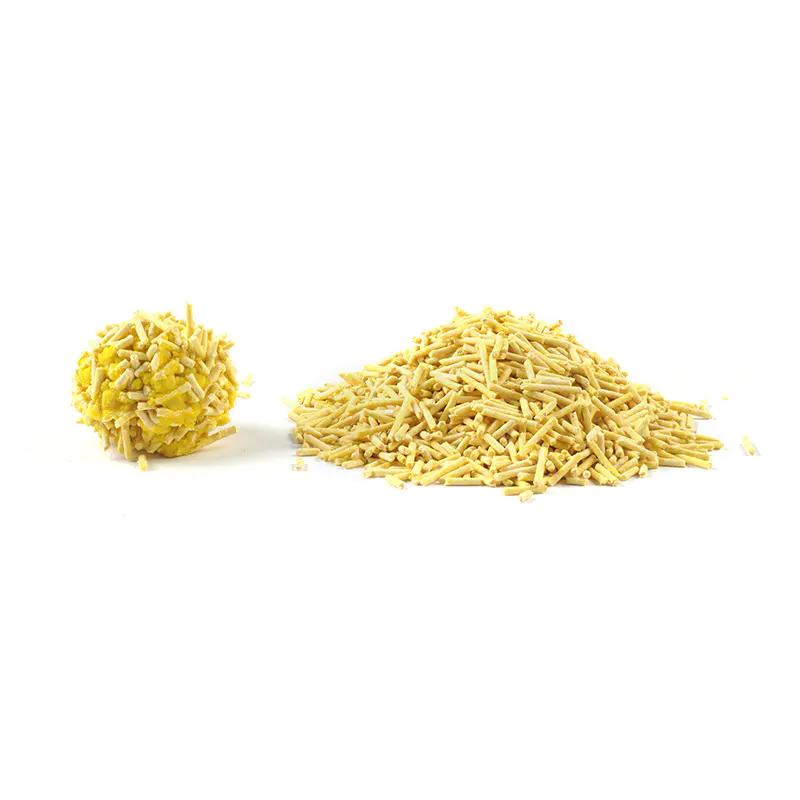
Tofu Cat Litter
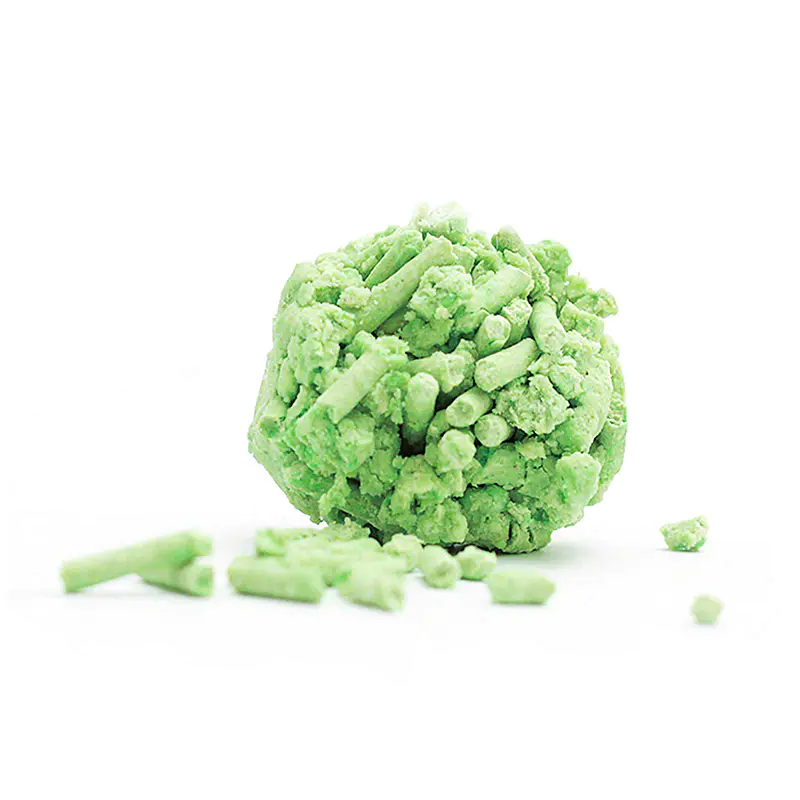
Tofu Cat Litter
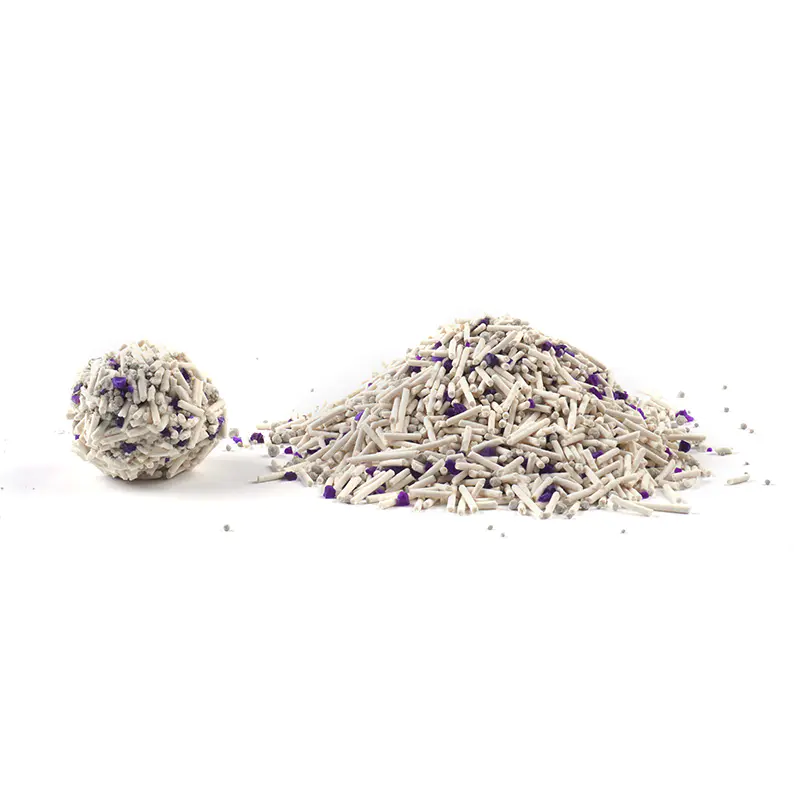
Mixed Cat Litter
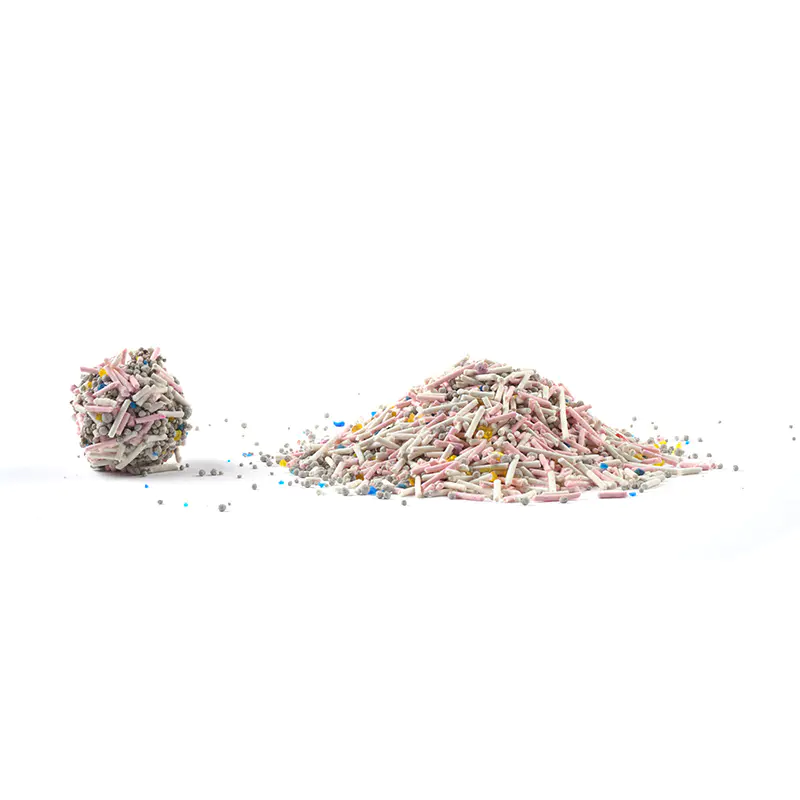
Mixed Cat Litter
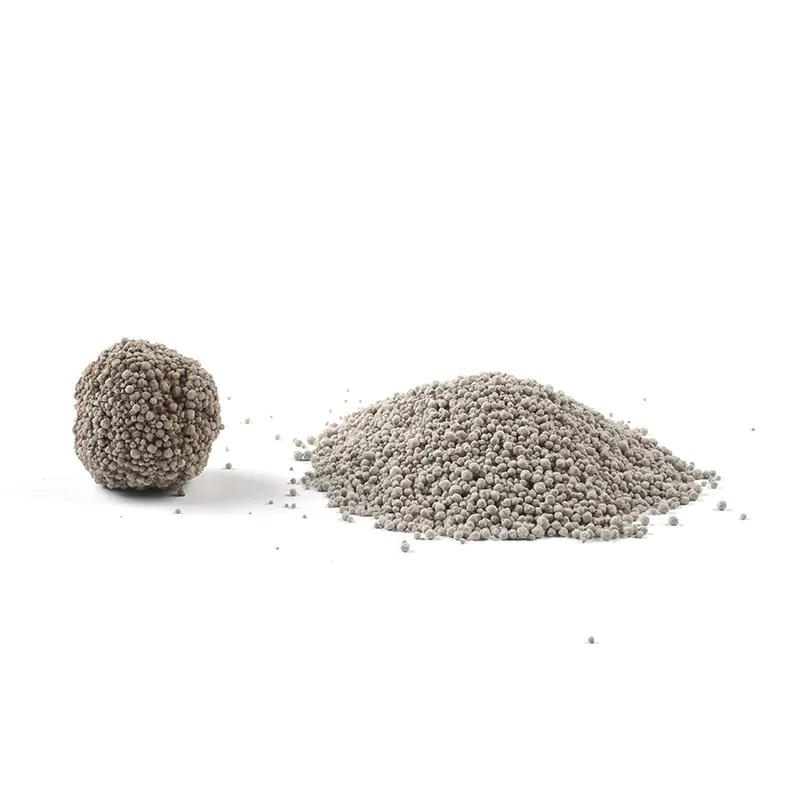
Bentonite Cat Litter


Got Questions? Call us 24/7

+8615263229311
No.88, Quandu Road, Xigang Town, Tengzhou City, Shandong, China. (Sincere Industrial Park)
OEM Cat Litter Manufacturers Bulk Cat Litter Wholesale Biodegradable Cat Litter Company



 English
 русский
 Español
 日本語
日本語 한국어
한국어


