
Industry News
Content
Most people buy cat litter for one obvious reason — their cat. But a surprisingly common follow-up question we hear from both pet owners and bulk buyers is whether cat litter can be used to absorb oil. The short answer is: yes, certain types of cat litter do absorb oil effectively — but the performance varies significantly depending on what the litter is made of.
As a manufacturer with over 30 years of experience producing various types of cat litter, we've looked closely at the absorbency properties of each formulation. This article breaks down how different cat litter types interact with oil, which ones work best for oil spills, and what practical limitations you should be aware of before reaching for that bag in the garage.
Cat litter absorbs liquids through two main mechanisms: physical absorption (liquid is drawn into pores within the granule) and surface adsorption (liquid adheres to the outer surface of the material). Oil behaves differently from water-based liquids — it is hydrophobic, less surface-active, and tends to sit on top of porous materials rather than wicking in as quickly.
This means that not all cat litters perform equally when used on oil spills. Materials with high internal porosity and a large specific surface area tend to work best. The type of oil also matters — light motor oil, cooking oil, and hydraulic fluid all have different viscosities and will be absorbed at different rates.
Here's how the most common cat litter materials compare when it comes to absorbing oil:
Bentonite cat litter is probably the most well-known option for oil absorption outside of pet care use. It is made from montmorillonite clay, which has a naturally porous, layered structure. A standard bag of clay cat litter can absorb roughly 1.5 to 2 times its own weight in oil, depending on the granule size and processing. This is why clay-based litter is a widely recommended first-aid material for garage floor spills and workshop use.
The clumping variety (sodium bentonite) forms a solid mass when it contacts liquid. For oil spills, non-clumping bentonite litter performs better because it stays loose longer and continues to absorb. Clumping litter seals the outer layer quickly, reducing total absorption capacity.
Silica gel cat litter is made from silicon dioxide and is famous for its extremely high porosity. Silica gel has a surface area of approximately 750–800 m² per gram, which gives it outstanding capacity to adsorb both water-based and oil-based substances. In controlled tests, silica gel materials have demonstrated oil uptake of up to 3 times their weight under optimal conditions.
However, crystal cat litter is significantly more expensive than clay or plant-based options, which limits its practicality for large spill cleanup. It is best suited for light oil contamination in smaller areas.
Plant-based litters — including tofu cat litter, cassava cat litter, and similar biodegradable formulations — are made from organic materials like soy fiber, starch, or wood pulp. These are excellent at absorbing water-based liquids, but their oil absorption is noticeably lower compared to mineral-based options. Plant fibers are hydrophilic by nature and do not interact with oil in the same way that highly porous inorganic minerals do.
That said, plant-based litters can still pick up light surface oil to some extent. For small incidental spills — such as cooking oil drips on a kitchen floor — a tofu or cassava-based litter may be a convenient, eco-friendly first step before proper cleaning.
Mixed cat litter combines mineral and plant-based materials to balance clumping ability, odor control, and absorbency. Its oil absorption performance is moderate — better than pure plant-based litter but generally not as strong as straight bentonite. If you're evaluating mixed litter for occasional oil cleanup use, performance will depend on the specific mineral-to-fiber ratio in the formulation.
| Litter Type | Oil Absorption Capacity | Best Use Case | Cost Efficiency |
|---|---|---|---|
| Non-clumping Bentonite | High (~1.5–2× weight) | Garage floors, workshop spills | High |
| Crystal (Silica Gel) | Very High (up to 3× weight) | Small, precise spills | Low (high cost per kg) |
| Mixed Cat Litter | Moderate | Light, incidental spills | Medium |
| Tofu / Plant-Based | Low to Moderate | Kitchen surface oil, light drips | Medium |
If you're dealing with a fresh oil spill and cat litter is on hand, here's the most effective way to use it:
For larger industrial or commercial spills, cat litter is a temporary measure. Dedicated oil absorbent pads or granules rated for specific volumes are more appropriate.
Cat litter is a useful emergency tool for oil absorption, but it has real limitations:
For retailers, distributors, and brand owners sourcing cat litter at volume, understanding absorbency properties goes beyond marketing language. Buyers in certain markets — particularly in regions where DIY garage maintenance culture is strong — actually look for high-absorbency clay litter specifically because they use it for dual purposes: pet care and spill management. Stocking a non-clumping bentonite option alongside premium plant-based lines can broaden your addressable market.
At Sincere, we supply a full range of cat litter types at scale, including bentonite cat litter and crystal cat litter — the two types with the strongest oil absorption profiles. We also offer tofu cat litter, cassava cat litter, and mixed cat litter for buyers focused on the natural and biodegradable segment. If you're looking to explore our full product lineup, visit our cat litter products page for an overview of what we manufacture and supply.
Cat litter absolutely can absorb oil — but the degree to which it does depends heavily on the material it's made from. Non-clumping clay (bentonite) and silica gel crystal litter are the top performers for oil spills, while plant-based litters are better suited to their primary purpose of managing pet waste. For anyone sourcing cat litter professionally or using it in large quantities, knowing this distinction helps you make smarter purchasing decisions and better serve your end customers.
If you have questions about absorbency specifications, raw material sourcing, or OEM production for specific formulations, feel free to get in touch with our team directly.
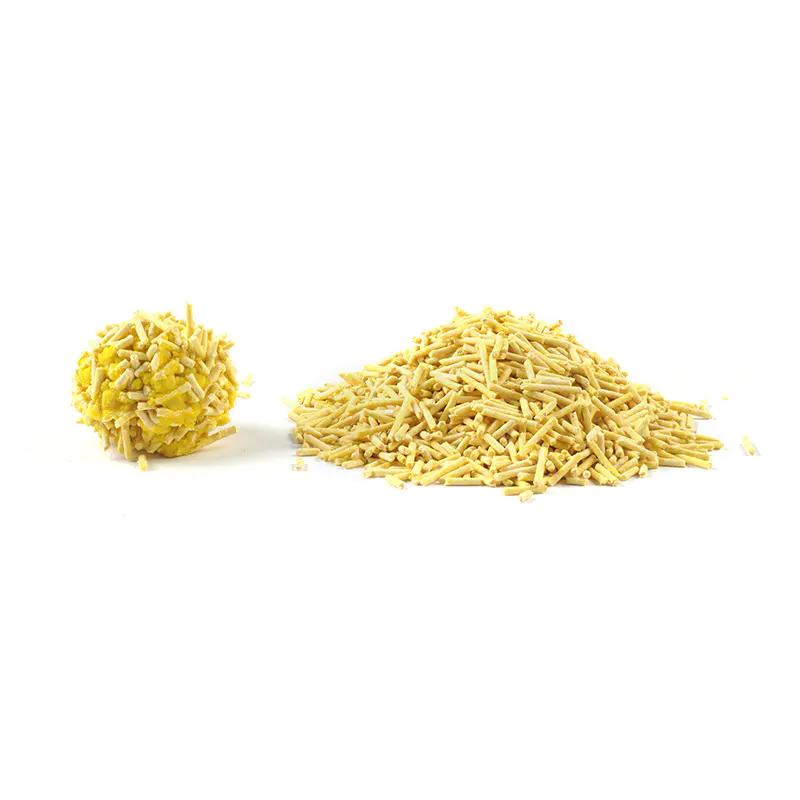
Tofu Cat Litter
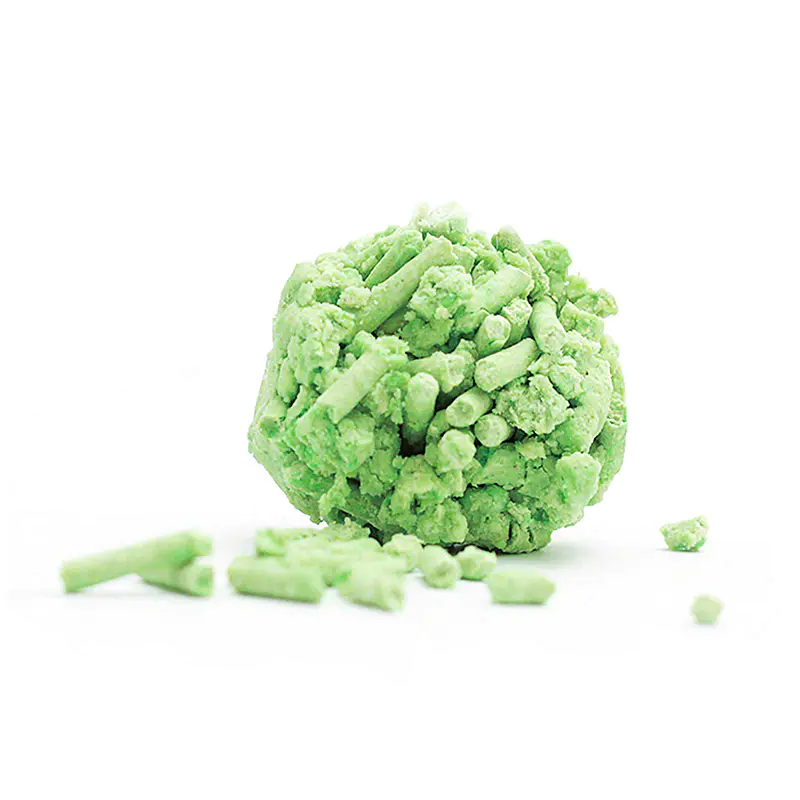
Tofu Cat Litter
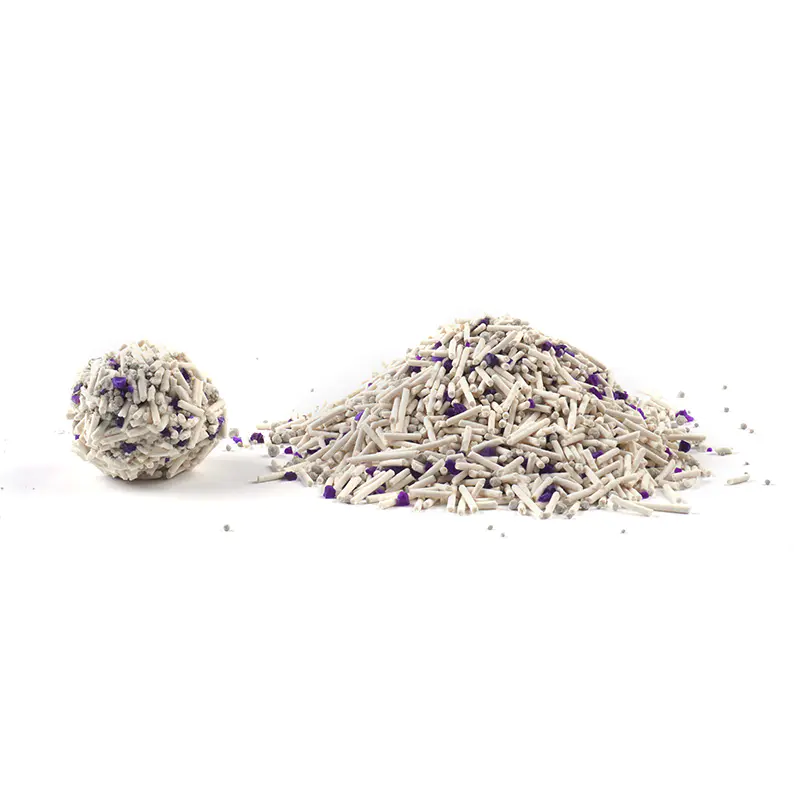
Mixed Cat Litter
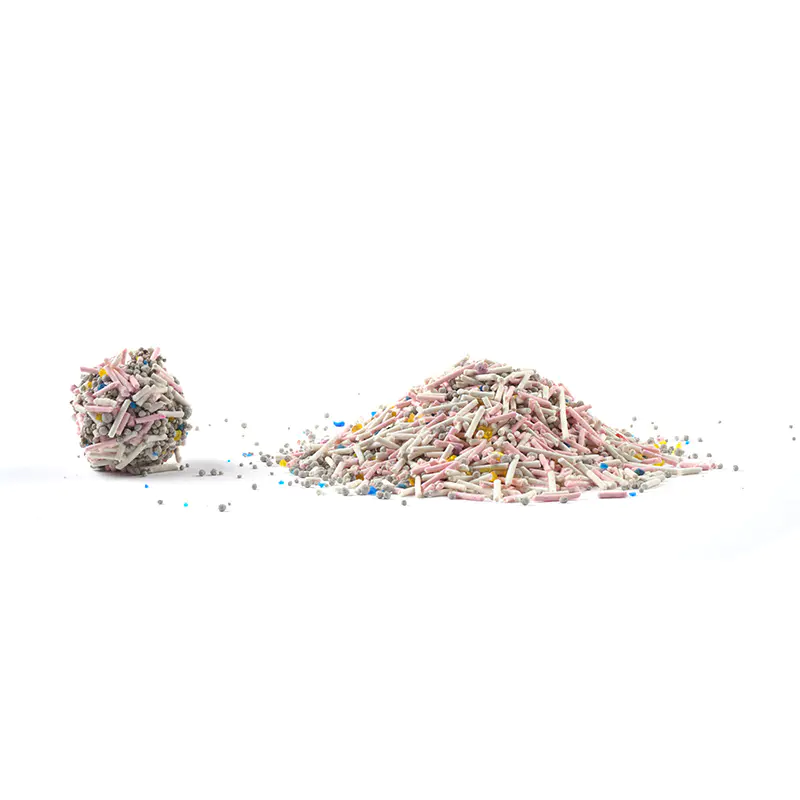
Mixed Cat Litter
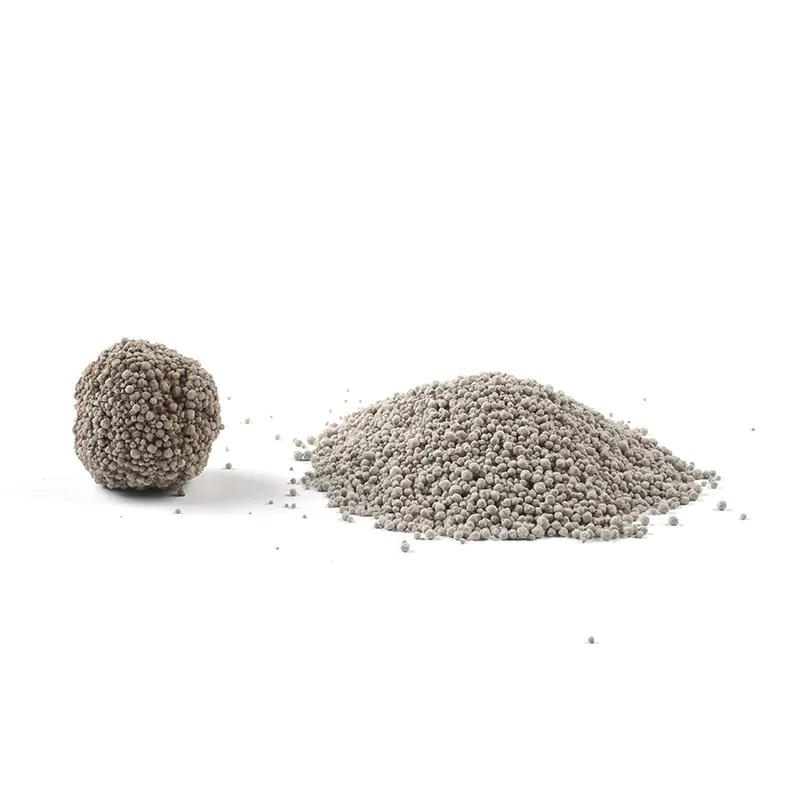
Bentonite Cat Litter


Got Questions? Call us 24/7

+8615263229311
No.88, Quandu Road, Xigang Town, Tengzhou City, Shandong, China. (Sincere Industrial Park)
OEM Cat Litter Manufacturers Bulk Cat Litter Wholesale Biodegradable Cat Litter Company



 English
 русский
 Español
 日本語
日本語 한국어
한국어


