
Industry News
Content
Tofu cat litter is primarily made from soybean byproducts, often using soy pulp left over from tofu or soy milk production. This material is dried, pressed, and formed into small pellets. Because it is plant-based, it differs significantly from traditional clay or mineral litters in both texture and environmental impact. Many products also include starch or natural binders to improve clumping, along with food-grade deodorizing agents.
The manufacturing process focuses on reusing agricultural waste, which reduces reliance on strip-mined bentonite clay. This makes tofu cat litter appealing to households that prioritize sustainability while still wanting a functional litter option.
One of the main concerns for cat owners is whether tofu cat litter clumps well enough for daily scooping. In practice, it forms quick, firm clumps when exposed to moisture. The pellets absorb liquid rapidly and bind together, making it easier to remove waste without breaking apart.
Compared with clay litter, tofu litter often requires a gentler scooping technique. Using a wide-slotted scoop helps preserve intact clumps and reduces unnecessary litter loss.
Odor control is another practical factor. Tofu cat litter relies on natural absorption rather than heavy fragrances. The soybean fibers trap ammonia smells effectively when waste is removed regularly. Because the material is low-dust and lightly scented or unscented, it is often more comfortable for cats with sensitive noses.
However, odor control depends heavily on maintenance. If clumps are left too long, plant-based materials can retain moisture and allow smells to develop. Consistent cleaning is key to keeping the litter box fresh.
Tofu cat litter pellets are generally lightweight and smooth, which reduces dust compared with clay litter. This can benefit both cats and owners who are sensitive to airborne particles. Dust levels remain low even when pouring or scooping.
Tracking can still occur, especially with active cats. Pellets may stick briefly to paws, but they tend to fall off near the litter box rather than spreading throughout the home. Using a litter mat can further limit tracking.
One of the strongest advantages of tofu cat litter is its disposal flexibility. Many brands are biodegradable and can be composted where local regulations allow. Small amounts may also be flushable, though this should always be checked against plumbing guidelines to avoid blockages.
Compared with clay litter, which often ends up in landfills, tofu litter breaks down more naturally. This can significantly reduce household waste over time.
| Feature | Tofu Litter | Clay Litter | Wood Pellets |
| Clumping | Strong | Strong | Weak |
| Dust Level | Low | Medium–High | Low |
| Environmental Impact | Biodegradable | High Mining Impact | Renewable |
Switching to tofu cat litter should be done gradually, especially for cats accustomed to clay. Mixing increasing amounts of tofu litter with the old litter over one to two weeks helps cats adjust to the new texture and scent.
Observing your cat’s behavior during this period is important. Hesitation or accidents may indicate the transition is too fast. Slowing the process usually resolves resistance.
Tofu cat litter suits households looking for a balance between performance and environmental responsibility. It offers reliable clumping, low dust, and simpler disposal while requiring consistent maintenance. It may cost slightly more than basic clay options, but many owners find the practical benefits worthwhile.
By understanding how it works and maintaining it properly, tofu cat litter can be a dependable, user-friendly option that supports both your cat’s comfort and your daily routine.
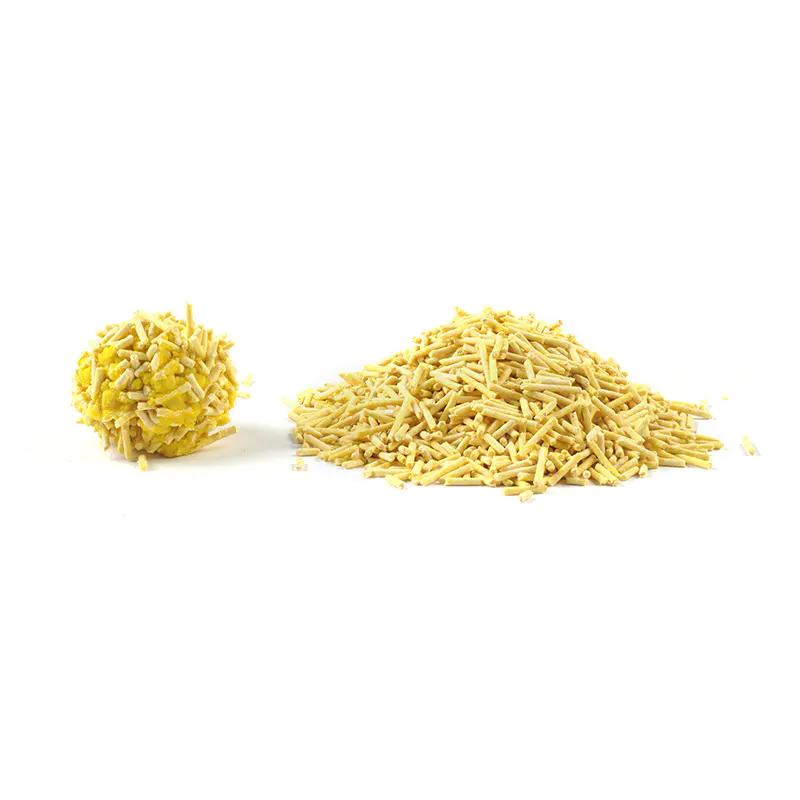
Tofu Cat Litter
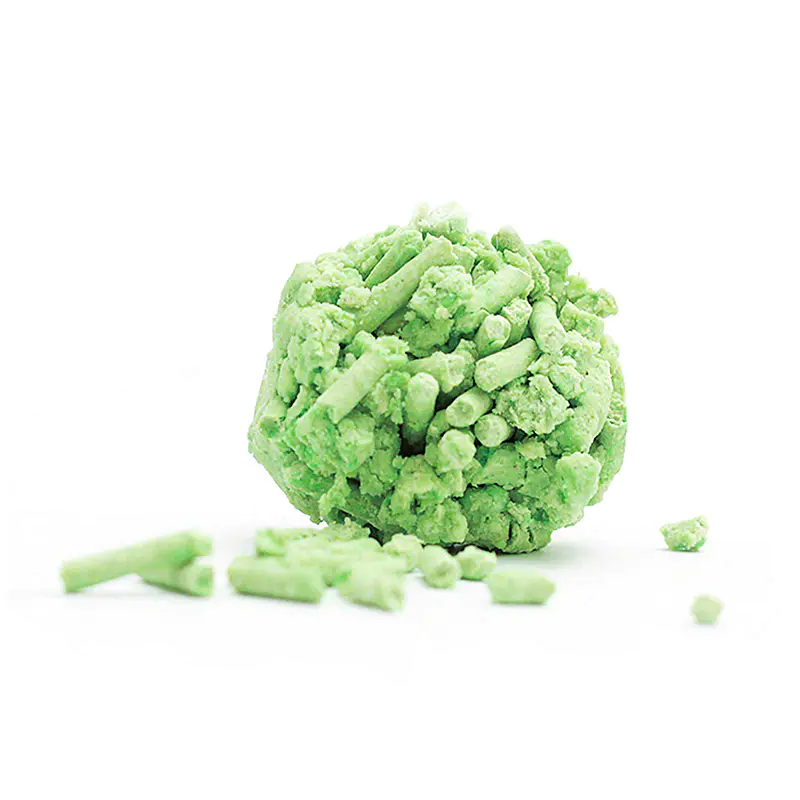
Tofu Cat Litter
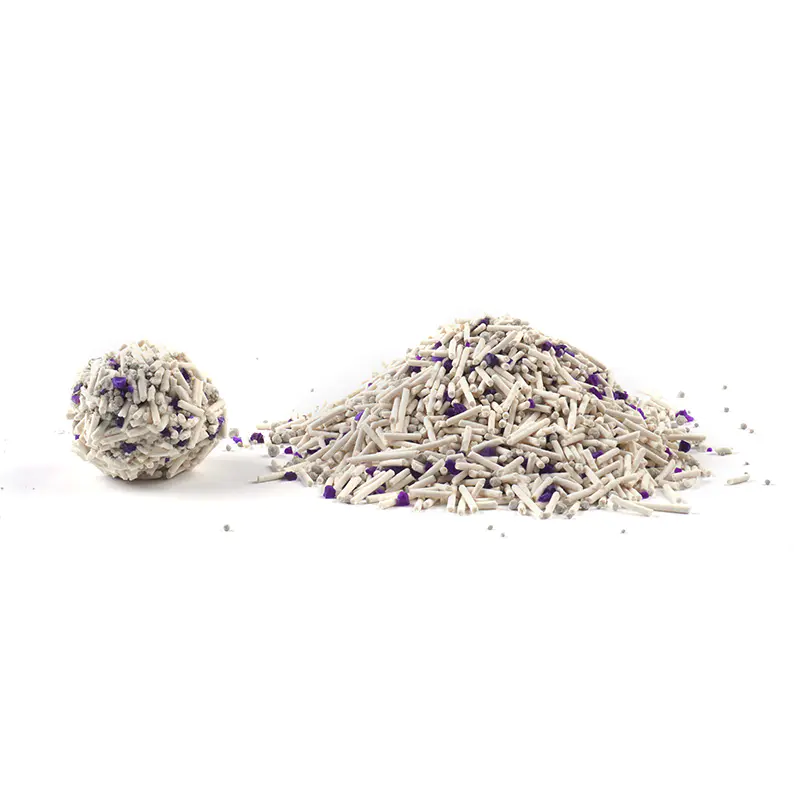
Mixed Cat Litter
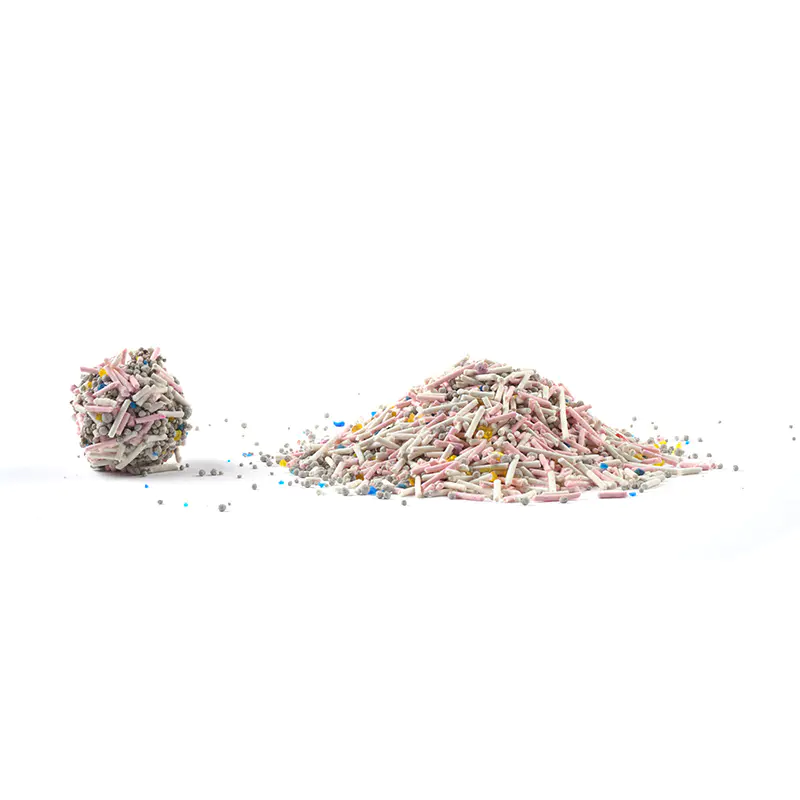
Mixed Cat Litter
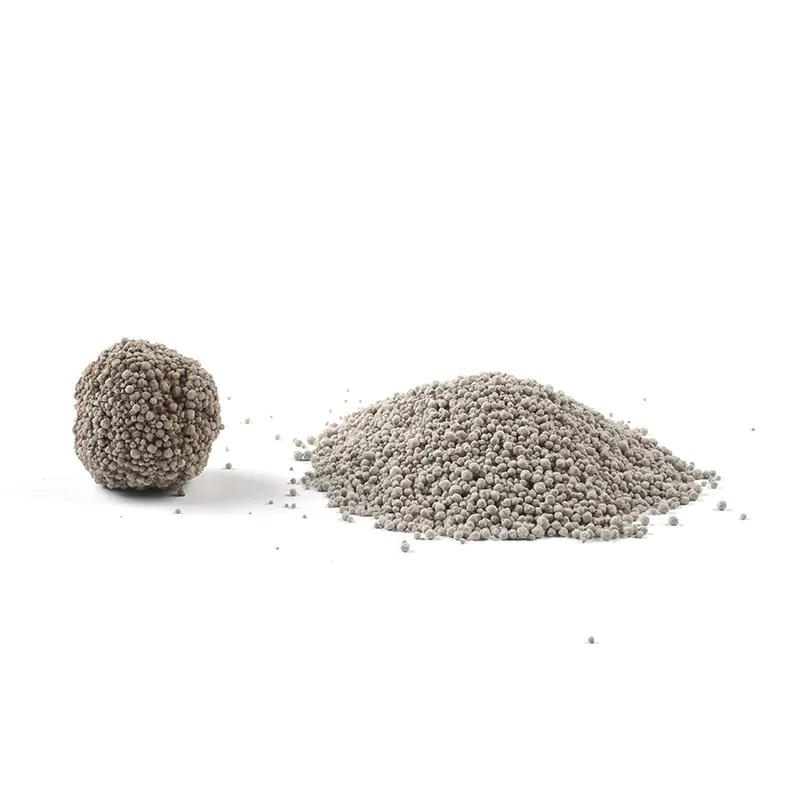
Bentonite Cat Litter


Got Questions? Call us 24/7

+8615263229311
No.88, Quandu Road, Xigang Town, Tengzhou City, Shandong, China. (Sincere Industrial Park)
OEM Cat Litter Manufacturers Bulk Cat Litter Wholesale Biodegradable Cat Litter Company



 English
 русский
 Español
 日本語
日本語 한국어
한국어


