
Industry News
Content
For cat owners, maintaining a fresh-smelling home is a constant challenge. At the heart of this battle is ammonia, a pungent gas produced as urine breaks down. The smell is not just unpleasant; in concentrated amounts, it can irritate eyes, noses, and lungs for both humans and pets. In the quest for a solution, many turn to cat litter deodorizing powder. These products line store shelves with promises of neutralizing odors, but a critical question remains: are they genuinely effective against the particularly stubborn and sharp odor of ammonia?
To understand if deodorizing powder works, we first need to understand what it’s up against. Cat urine contains urea, uric acid, and other compounds. When urine is deposited, bacteria begin to break down the urea, converting it into ammonia. This process is rapid, especially in warm, moist environments.
Ammonia (NH₃) is a volatile alkaline gas. Its molecules are small and easily become airborne, which is why the smell seems to permeate a room quickly. Its alkaline nature is key—it’s the opposite of acidic odors like vinegar. This means neutralizing it requires an opposite chemical approach. Simply covering it up with perfumes often results in the dreaded “flowery litter box mixed with urine” smell, which is arguably worse.
Deodorizing powders are not all created equal, but most fall into one or more of the following categories:
Absorption: Many powders use highly absorbent materials like baking soda (sodium bicarbonate), diatomaceous earth, or specialized mineral blends. Their primary job is to absorb moisture. By keeping the litter drier, they slow down the bacterial breakdown of urea into ammonia. Less moisture means slower ammonia production. Baking soda also has mild neutralizing properties against acidic odors, but its effect on alkaline ammonia is more limited.
Neutralization: This is the most important mechanism for tackling ammonia. Some advanced powders contain odor neutralizers designed to chemically react with ammonia molecules. Common agents include:
Masking: Some powders rely heavily on fragrances and perfumes to cover up odors. While these may provide a temporary sensory relief, they do not address the source of the ammonia. For many cats and sensitive humans, these scents can be overwhelming and irritating.
So, will cat litter deodorizing powder help with ammonia odors? The answer is a qualified yes. A high-quality deodorizing powder that utilizes neutralization and adsorption (zeolites, activated carbon) can significantly reduce, and in some cases, nearly eliminate, ammonia odors.
However, its effectiveness is not absolute and is heavily dependent on several factors:
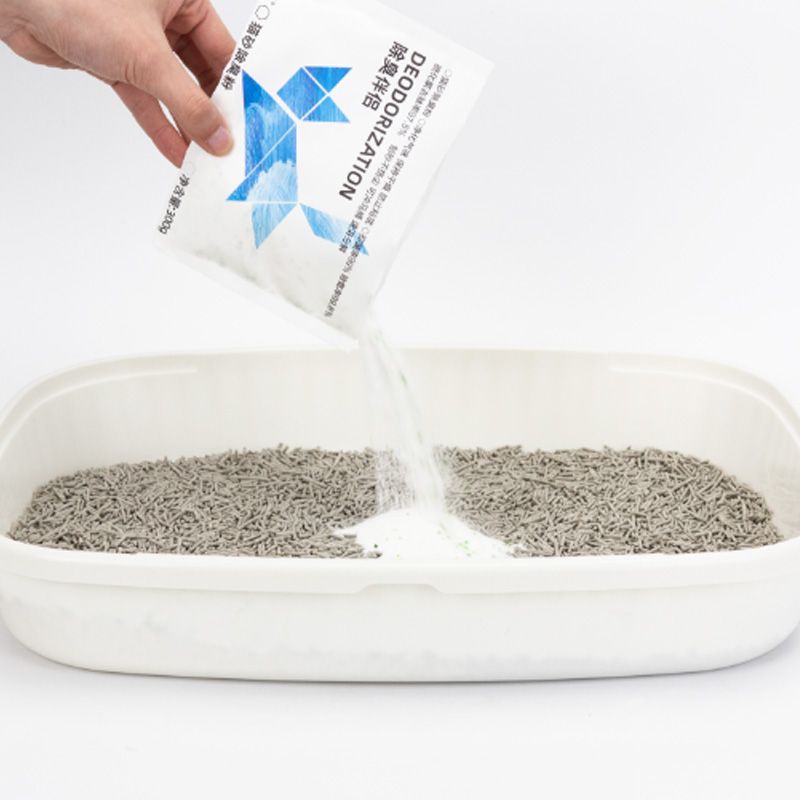
This is the most critical section for cat owners to understand. If your litter box emits a strong ammonia smell, pouring in more powder is like putting a bandage on a wound that needs stitches. The powder is addressing a symptom, not the root cause. Here are the reasons why powder might fail:
To make deodorizing powder a successful part of your ammonia-fighting arsenal, follow this integrated approach:
When shopping, read the ingredient list. Prioritize powders that highlight:
Cat litter deodorizing powder can be a genuine help in controlling ammonia odors, but only when it is the right kind and used as part of a diligent litter box hygiene routine. It is an excellent supplemental defender, working to adsorb and neutralize ammonia molecules that escape during the day between scoopings.
Ultimately, the most powerful weapons against ammonia are simple, consistent actions: daily scooping, weekly washing, ample fresh litter, and enough boxes for your feline family. If you have optimized all these factors and still detect ammonia, a high-quality neutralizing powder containing zeolites or activated carbon may provide that final layer of defense, leading to a fresher home for you and a cleaner, more inviting bathroom for your cat.
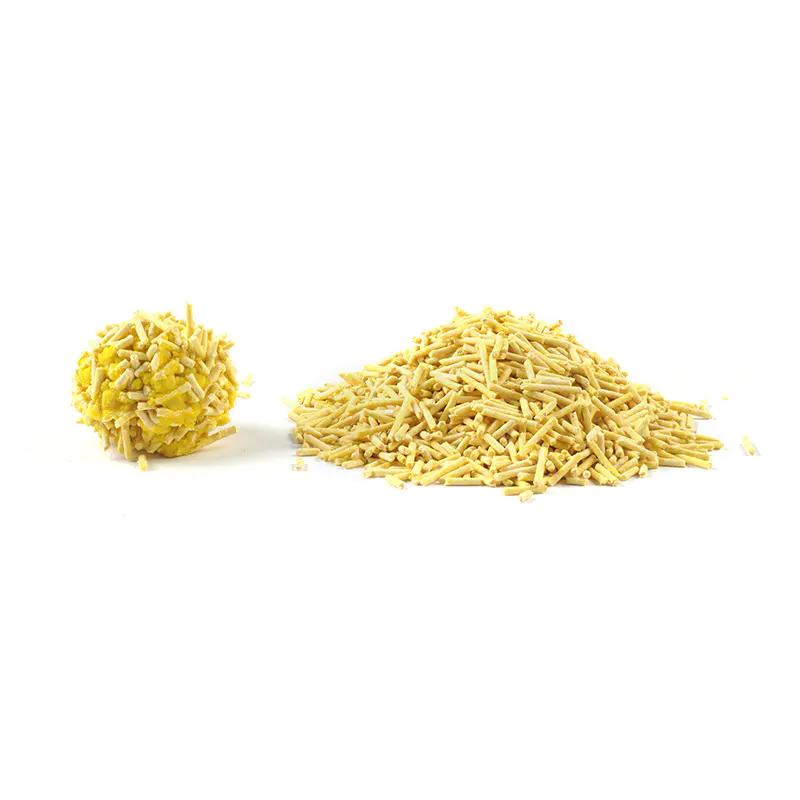
Tofu Cat Litter
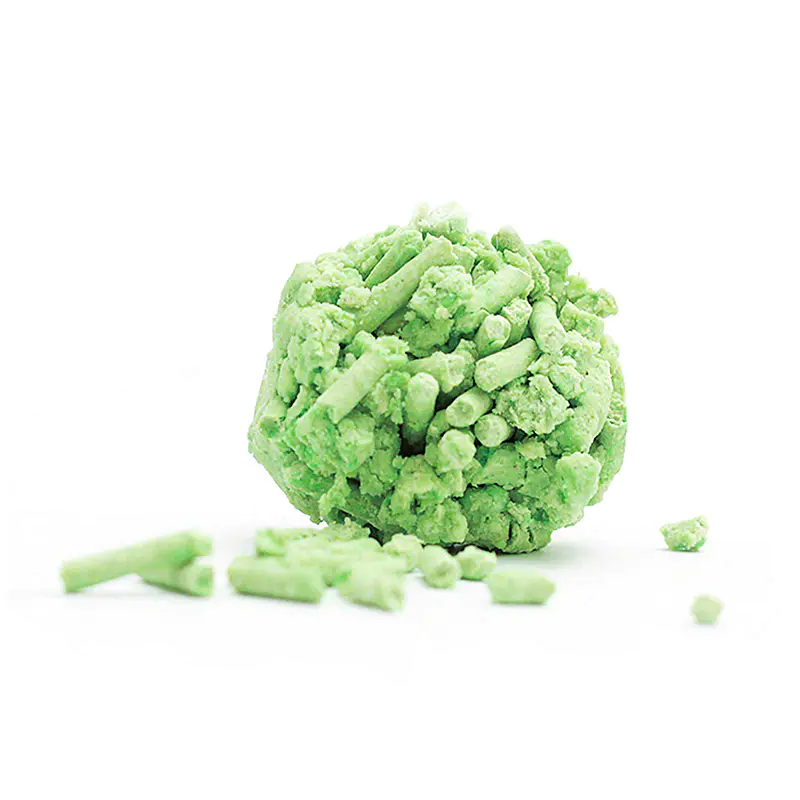
Tofu Cat Litter
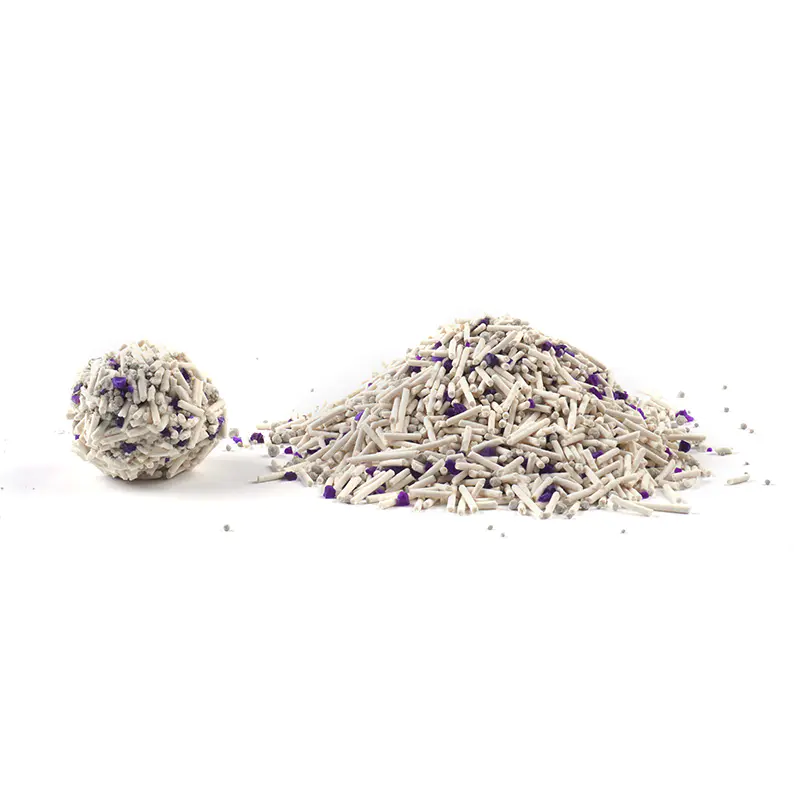
Mixed Cat Litter
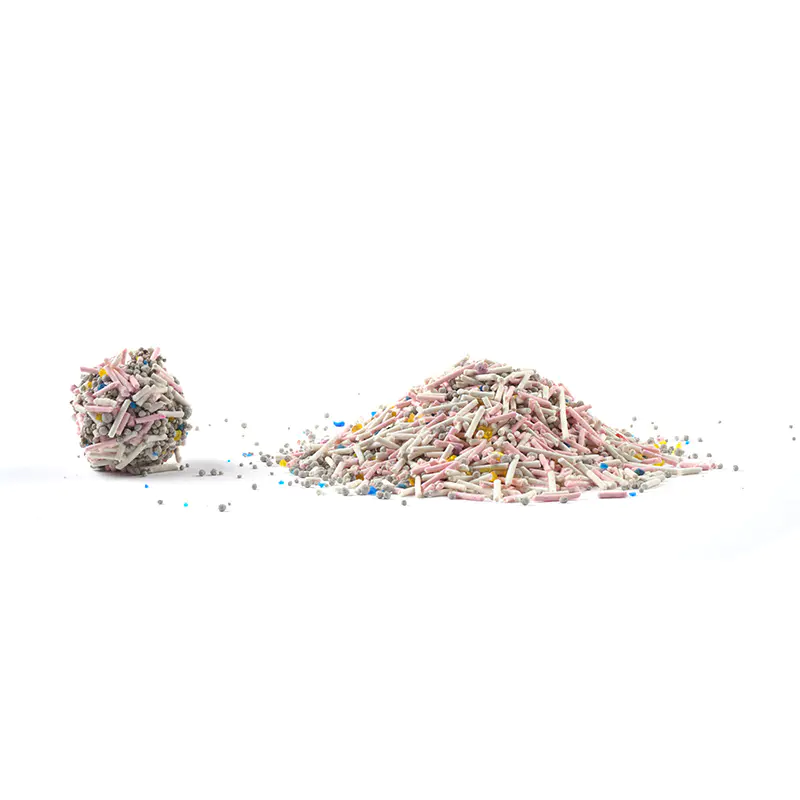
Mixed Cat Litter
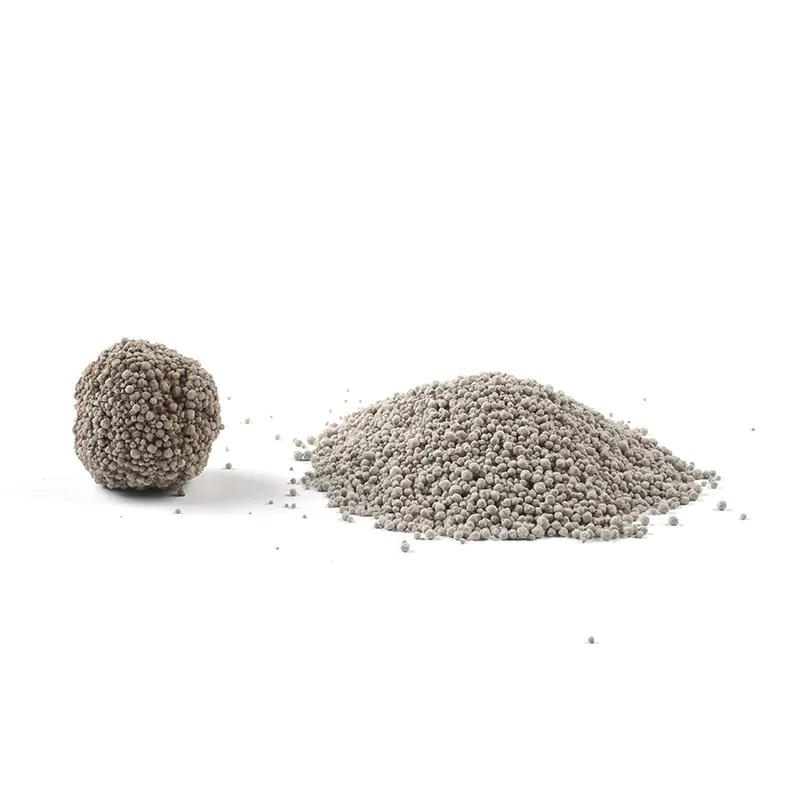
Bentonite Cat Litter


Got Questions? Call us 24/7

+8615263229311
No.88, Quandu Road, Xigang Town, Tengzhou City, Shandong, China. (Sincere Industrial Park)
OEM Cat Litter Manufacturers Bulk Cat Litter Wholesale Biodegradable Cat Litter Company



 English
 русский
 Español
 日本語
日本語 한국어
한국어


